Attending the esteemed New Cities Summit alongside many respected urbanists and thought leaders, including the perceptive Economist blogger “A.B.”, I found myself absorbing a perspective markedly different from the prevailing optimism. Perhaps it’s the lens of a local resident, or the weariness that sometimes accompanies witnessing urban development unfold, but my observations of Dallas painted a more nuanced picture than the glowing reviews. While acknowledging the city’s strides, my reaction to the Economist’s “Prime Time” post on its Schumpeter blog could only be a cautious, slow nod, rather than outright agreement. The narrative of a rejuvenated downtown, while alluring, seemed to overlook critical aspects of the city’s ongoing transformation, particularly concerning its foundational infrastructure and the genuine experiences of its residents.
This divergence in perspective became especially clear during the “Dallas: A Case Study” panel at the summit, which I previously explored in detail in my own post recapping that insightful session. The panel aimed to dissect Dallas’s journey and future, offering a platform for discussion on its evolution. From that very session, “A.B.” extracted an overwhelmingly positive story of urban revival, painting a vivid portrait of a city successfully reinventing itself. The blogger’s takeaways highlighted what many desired to see – a triumph of strategic planning and investment.
ONE of the first things Veletta Forsythe-Lill recalls from driving through Dallas 30 years ago was the “atrophied downtown”. A former city councilwoman, Mrs Forsythe-Lill remembers vacant land, empty buildings and desolate sidewalks. That was at the beginning of Dallas’s downturn, when office towers emptied out and most retailers followed their consumers to suburban shopping malls (apart from the Neiman Marcus at the corner of Main Street and Ervay Street, which has been there for a century).
At a recent New Cities Summit it is clear that the old Dallas is fading into a distant memory. Today the downtown of America’s ninth-most populous city has thriving museums, performing-arts spaces, a green market, restaurants and innovative retailers that are bringing people back to its pavements. Detroit, Kansas City and Cleveland may be struggling to reinvent themselves, but Dallas has prospered, not only because of its oil wealth and low taxes, but also because the city and private-sector developers and investors have combined their efforts.
The “Prime Time” Narrative: A Glimpse of Dallas’s Renaissance
The Economist’s perspective, as articulated by “A.B.”, reflects a popular and compelling narrative about Dallas’s downtown revitalization. It recalls a not-so-distant past where downtown Dallas was characterized by urban decay, with vacant lots and desolate buildings casting long shadows over empty sidewalks. This image, painted by figures like former city councilwoman Veletta Forsythe-Lill, serves as a stark contrast to the modern vision of a city undergoing a remarkable renaissance. According to this view, Dallas has successfully shed its “atrophied” skin to emerge as a vibrant urban core, a testament to effective urban planning and strategic investment. The narrative emphasizes the transformation of downtown into a lively hub, boasting an impressive array of thriving museums, world-class performing arts venues, bustling green markets, and a burgeoning culinary scene. Innovative retailers, once thought to have abandoned the urban core for suburban malls, are now reportedly drawing people back to the city’s pavements, breathing new life into areas that were once stagnant. This transformation is not merely attributed to Dallas’s historical advantages of oil wealth and low taxes but is significantly credited to robust public-private partnerships. These collaborations between municipal authorities and private sector developers and investors are seen as the driving force behind the city’s ability to prosper where other major American cities, such as Detroit, Kansas City, and Cleveland, have struggled to redefine themselves. The picture painted is one of dynamic growth, strategic collaboration, and a triumphant return to urban vitality, marking Dallas as a beacon of successful urban renewal.
Beyond the Glitz: Unmasking Downtown Dallas’s Reality
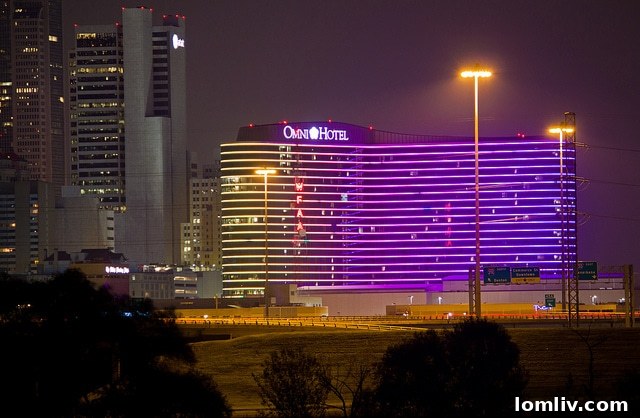
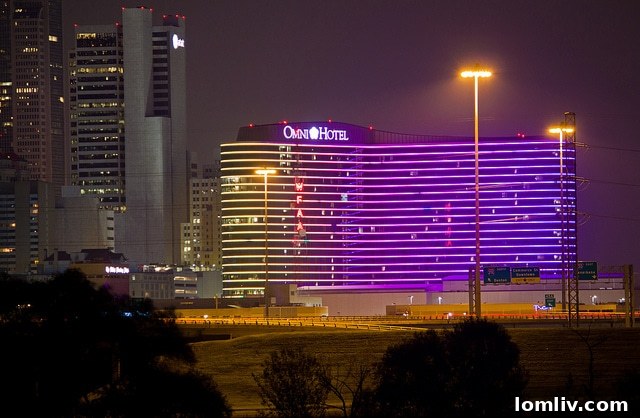
However, what this narrative, and perhaps “A.B.”, critically overlooked was the on-the-ground reality, the everyday experience of navigating downtown Dallas beyond the curated “bubble” of its acclaimed Arts District. While the Arts District undeniably shines with its architectural marvels and cultural institutions, stepping just a few blocks outside this carefully constructed zone reveals a starkly different urban landscape. Take, for instance, a walk from the heart of downtown to the Dallas Farmer’s Market via Harwood Street, extending past Main Street Garden. What one encounters, in a staggering ninety percent of the journey, is a patchwork of vast, underutilized surface parking lots, a pervasive problem of potholes disrupting smooth transit, and conspicuously empty sidewalks that belie the image of a thriving, walkable city. The reason for this desolation is simple: these areas lack the essential street-level activity drivers – the cafes, small shops, diverse residential units, and public spaces – that foster genuine urban vibrancy and encourage pedestrian life. The city’s infrastructure, particularly its road network, becomes notoriously difficult to navigate after 4 p.m. due to heavy traffic congestion, only to transform into a near-desolate expanse by 6 p.m., devoid of the bustling pedestrian activity one might expect in a major city center. This highlights a fundamental imbalance: while municipal bonds are readily issued to finance grand new convention center hotels, designed primarily to attract transient visitors and boost tourism statistics, genuine neighborhood-level changes and innovative ideas aimed at cultivating a vibrant, resident-centric urban environment are often met with resistance or dismissed due to perceived financial constraints. The focus on high-profile, “sexy” expenditures, often at the expense of foundational urban elements, creates a facade of prosperity that doesn’t always translate into a high quality of life for its permanent inhabitants or a truly sustainable urban ecosystem.
The Infrastructure Dilemma: Paving the Way for Progress or Potholes?
The common refrain, “We don’t have the money for them,” often stifles conversations about investing in critical infrastructure and community-driven projects. Yet, this raises a crucial question: why not? The persistent challenge facing Dallas, and indeed many rapidly developing cities, is the significant disconnect between its ambitious new construction projects and the underlying infrastructure required to support them. It’s an undeniable truth that any new building, whether funded by private capital, public funds, or a hybrid of both, places additional demands on existing infrastructure. This includes roads, water systems, sewage, public transportation, and essential municipal services. Neglecting these foundational elements while continuously erecting new structures is akin to building a magnificent skyscraper on a crumbling foundation. The immediate visual appeal of new developments can easily overshadow the silent, incremental decay of vital public assets. This prioritization of new, often iconic, structures over the meticulous maintenance and upgrade of existing systems leads to a cycle of deferred maintenance, where small problems escalate into costly crises. Potholes proliferate, water mains burst, and public transport systems struggle to cope, all of which directly impact the daily lives of residents and the long-term economic viability of the city. A truly resilient and functional city requires an infrastructure that not only serves its current population but is robust enough to accommodate future growth and development. Without this foresight and commitment to foundational investments, even the most impressive new buildings become isolated marvels in a city struggling with basic functionality.
A Call for Fiscal Prudence: Insights from Ann Margolin
The imperative to carefully manage municipal resources and prioritize sustainable development was powerfully articulated by former Dallas city councilwoman Ann Margolin, whose words resonated deeply after the panel discussion. Her insights cut to the core of the city’s financial challenges, highlighting a fundamental tension between ambition and affordability. Margolin underscored that while organizations like the Communities Foundation of Texas diligently work to address poverty and social needs, the broader conversation about Dallas’s transformation often sidesteps the critical issue of fiscal responsibility. Her poignant advice — “I want us to be careful that we only build things we can afford to maintain” — serves as a vital reminder for city planners and policymakers. In an era where Dallas grapples with significant budget shortfalls, the implications of building without a clear plan for long-term maintenance are severe and far-reaching. The city’s budget struggles have led to agonizing choices, forcing decisions between adequately maintaining services at its overtaxed animal shelters, ensuring the proper funding for its jail and competitive compensation for police and firefighters, keeping libraries open and fully resourced, and, crucially, fixing its deteriorating roads. It is paradoxical that in the face of such pressing needs and a reported “$30 million in the hole” despite rising property valuations and increased tax revenues, the city continues to greenlight new parks and new bridges while existing infrastructure crumbles. Margolin’s query, “How does that happen?”, encapsulates the frustration and confusion of many residents who see their tax contributions seemingly disappear into a system that struggles to deliver on fundamental public services while simultaneously embarking on new, costly projects. This fiscal dilemma raises serious questions about the city’s budgeting priorities, its long-term financial health, and its commitment to the everyday well-being of its citizens.
Public-Private Partnerships: A Double-Edged Sword?
Public-private partnerships (PPPs) are often heralded as a panacea for urban development, unlocking significant capital and expertise for projects that might otherwise languish. In Dallas, these collaborations have indeed been instrumental in bringing about some of the visible transformations. However, the experience also highlights that PPPs can be a double-edged sword. While they accelerate the development of high-profile assets, there’s a risk that the focus shifts from comprehensive urban needs to projects with clear revenue streams or symbolic prestige, which might not always align with the city’s most urgent infrastructure and service requirements. The underlying issue isn’t the existence of these partnerships but rather their strategic deployment and the balance struck between new construction and essential maintenance. If PPPs prioritize “sexy” projects like new convention centers or entertainment districts, while the city’s core services and existing infrastructure continue to deteriorate due to underfunding, the long-term sustainability and equitable growth of the city are jeopardized. This creates a scenario where the public bears the burden of neglected infrastructure and reduced services, while often subsidizing projects that primarily benefit private entities or a transient population. A truly effective public-private strategy would incorporate transparent cost-benefit analyses, ensure equitable distribution of benefits, and include robust provisions for long-term maintenance and social impact, thus ensuring that development genuinely serves all segments of the population and strengthens the city’s fundamental fabric.
The True Measure of Urban Transformation
Ultimately, the true measure of a city’s successful urban transformation extends far beyond the gleaming facades of new buildings or the statistical uptick in visitor numbers. It encompasses the daily lived experience of its residents, the seamless functionality of its infrastructure, and the vitality of its diverse neighborhoods. A truly transformed city is one where basic services are robust and reliable, where every street is safe and well-maintained, and where public spaces foster community and connection. It’s a city that balances ambitious development with meticulous attention to its foundational elements, ensuring that growth is sustainable and equitable. The narrative of Dallas’s revitalization needs to move beyond celebrating isolated successes in specific districts to a more holistic assessment that includes the often-overlooked stretches of empty sidewalks, the pervasive potholes, and the struggles of underfunded municipal services. Real transformation means that rising property values translate into improved quality of life for all residents, not just a select few, and that budget allocations reflect a commitment to both cutting-edge development and fundamental urban stewardship. For Dallas to truly prosper, it must cultivate an environment where every citizen feels the tangible benefits of its growth, where infrastructure supports innovation, and where the city’s future is built on a solid, well-maintained foundation, rather than a fragile facade of new construction.
Charting a Sustainable Future for Dallas
Charting a sustainable future for Dallas requires a critical re-evaluation of its urban development strategies. It demands a shift in focus from merely expanding the city’s footprint with new, attention-grabbing projects to rigorously maintaining and upgrading its existing, vital infrastructure. The lessons from voices like Ann Margolin are invaluable: financial prudence and the ability to afford long-term maintenance must become central tenets of all planning decisions. Dallas has the potential to be a beacon of urban excellence, but this can only be achieved by prioritizing the well-being of its permanent residents over transient allure, investing in the unseen but essential components of urban life, and fostering genuine, inclusive community development. This means addressing the visible cracks in its roads, revitalizing its empty streetscapes with pedestrian-friendly amenities, and ensuring that public services like libraries, animal shelters, and emergency responders are not just maintained, but thrive. Only by striking a judicious balance between aspirational projects and fundamental necessities can Dallas truly achieve a vibrant, resilient, and equitable urban future, proving that its transformation is not just skin-deep but rooted in lasting, tangible improvements for everyone.