Navigating the Dallas Rental Market: Affordability Challenges and Solutions
Dallas, a vibrant economic hub, is currently grappling with a significant challenge: a severe shortage of affordable rental properties. This issue has created a substantial gap between average wages and housing costs, pushing a large segment of the renter population into a state of financial strain. While recent data suggests a slight dip in Dallas rent prices, the overall trend continues to be upward, making it increasingly difficult for many residents to find homes within their budget.
The Growing Burden of Rent: Understanding “Cost-Burdened” Renters in Dallas
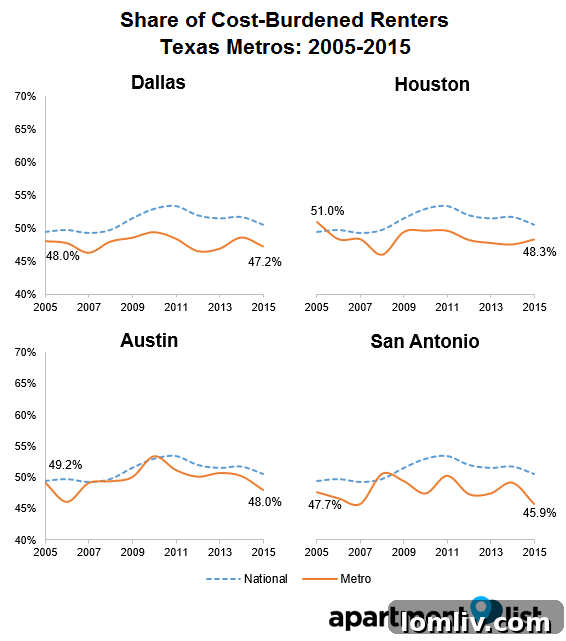
The term “cost-burdened renter” refers to individuals or households who allocate 30 percent or more of their gross income towards rent and utilities. In Dallas, this economic reality affects a staggering number of residents, highlighting a broader housing crisis that demands urgent attention. According to insights from Sam Radbil of Abodo, Dallas ranks No. 47 nationally for the highest percentage of cost-burdened renters. A concerning 47 percent of local renters in Dallas dedicate at least 30 percent of their earnings to housing expenses, a statistic that underscores the immense financial pressure many families face.
This challenge is not unique to Dallas, but it is particularly acute in major metropolitan areas across the United States. While the study revealed that almost half of the top 20 cities with the most cost-burdened renters are located in California, Dallas’s position as a prominent economic center makes its struggle with housing affordability particularly noteworthy. The continuous rise in living expenses, coupled with a stagnating wage growth in comparison to escalating rent, creates a difficult environment for residents aspiring to live comfortably and save for the future.
Dallas Rental Market Dynamics: A Tale of Two Trends
The Dallas rental market presents a complex picture, marked by both minor fluctuations and significant long-term trends. Abodo’s data indicated a modest 0.2 percent decrease in Dallas rents from the previous month in October. However, this slight dip is overshadowed by a substantial 5.3 percent increase year-over-year, illustrating the persistent upward trajectory of rental costs in the city. This volatility makes planning and budgeting exceptionally challenging for residents already struggling to meet their financial obligations.
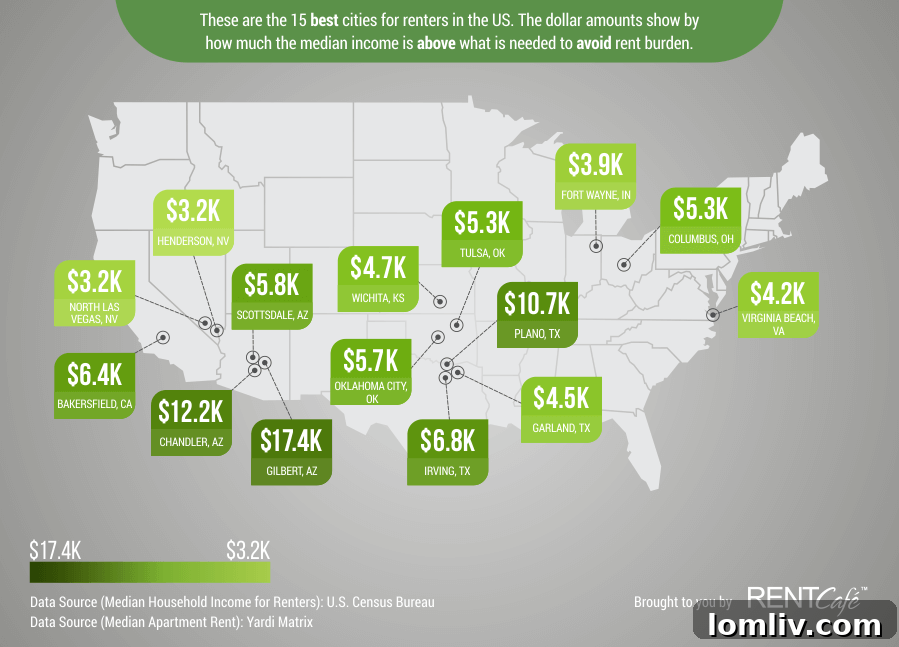
In contrast to the broader Dallas trend, some neighboring areas offer a glimmer of hope for renters seeking more affordable options. According to RentCafe, Plano stands out as a relatively affordable city, with renters typically spending only 25 percent of their annual income on rent. Irving also shows promising signs of affordability, offering alternatives for those willing to consider living outside the immediate Dallas city limits. These statistics suggest that while the core of Dallas faces an acute affordability crisis, the wider metropolitan area provides varying degrees of housing accessibility.
The Luxury Boom and Its Unintended Consequences
A significant factor contributing to Dallas’s affordable housing shortage is the noticeable influx of luxury rental developments within the city. Many residents, particularly younger professionals, are increasingly opting for the low-maintenance, non-committal lifestyle that luxury leasing offers, eschewing traditional homeownership. While this trend caters to a specific market segment, it has inadvertently led to a reduction in the construction of much-needed affordable units. Developers often prioritize higher-profit luxury projects over lower-margin affordable housing, shifting the market balance.
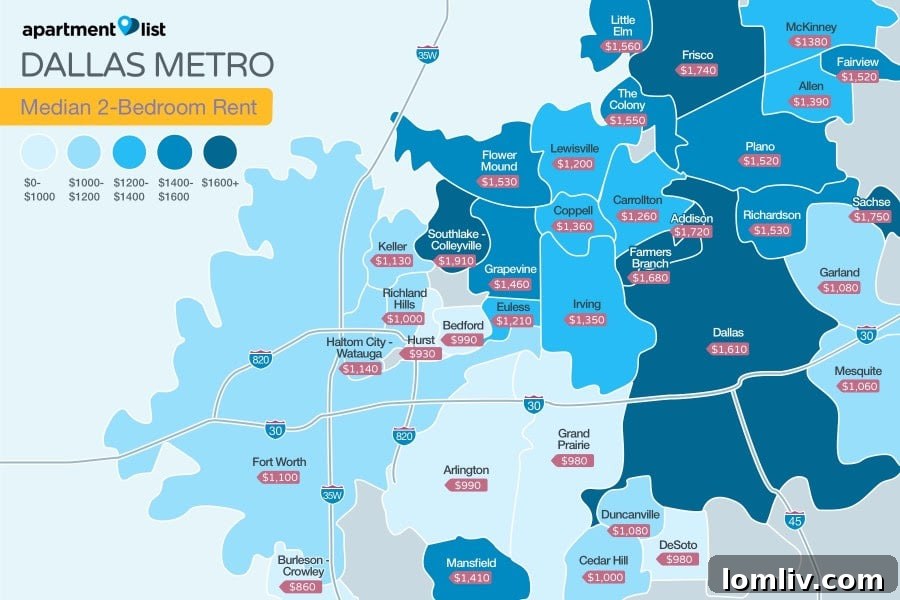
The ripple effects of this development strategy are far-reaching. As affordable housing becomes scarcer within Dallas, residents are pushed further out into the suburbs and surrounding communities in search of attainable rent. This displacement results in longer commute times, significantly increasing transportation costs for those who can least afford it. Moreover, the extended travel time can negatively impact residents’ quality of life, reducing leisure time and increasing daily stress. The median two-bedroom rental costs, as analyzed by Apartment List, vividly illustrate this widening gap and the pressure on renters.
The National Context: A Widespread Crisis
The housing affordability crisis extends beyond Dallas, impacting communities across the nation. Sam Radbil from ABODO elaborates on their research findings: “With rent rates rising across the nation, our research team at ABODO began thinking about how rent is becoming an extreme cost burden for many people. So, we set out to uncover how many people are truly struggling to pay their rent.” The findings were stark: nearly half of all renters in the U.S. face a cost burden. Furthermore, in 99 out of the 100 metropolitan statistical areas with the most renters, 40 percent of residents are spending at least 30 percent of their income on rent. This national perspective contextualizes Dallas’s situation within a broader, systemic challenge.
Despite these widespread issues, categorizing the entire Dallas market with a single statement proves challenging due to its expansive borders and diverse neighborhoods. Ashley Stanley, an experienced apartment locator with Ashley’s Apartments, aptly notes, “Clearly, a blanket statement regarding the entire city of Dallas is unrealistic — to simply say rentals are getting more expensive or less expensive. Each neighborhood has pockets of market growth.” This underscores the need for localized analysis and tailored strategies when addressing the city’s housing needs.
Navigating the Affordability Challenge: Strategies and Support Systems
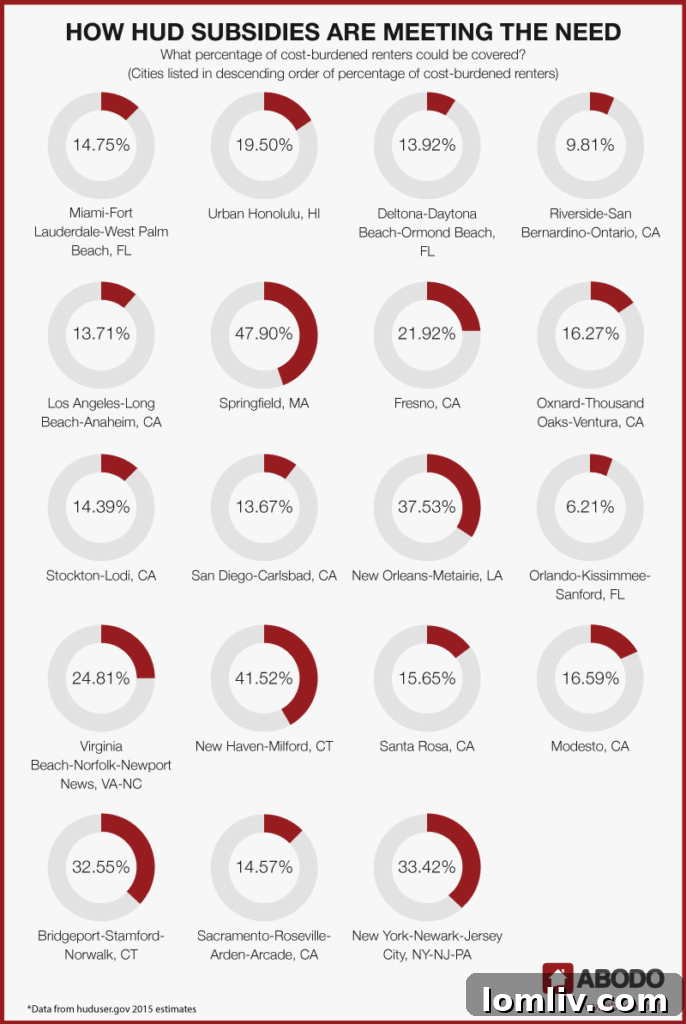
While the struggle for affordable housing is pervasive, some specific “pockets of affordability” exist, as demonstrated by RentCafe’s study. However, for many, simply finding an affordable unit isn’t enough. A growing number of renters are exploring options like HUD subsidies to remain closer to urban centers, circumventing the need for lengthy commutes. Yet, accessing these subsidies can be complex. HUD’s assistance programs are primarily based on an applicant’s income rather than the absolute affordability of rental units, limiting their reach and effectiveness for many who are genuinely cost-burdened but do not meet strict income thresholds.
HUD Subsidies: A Limited Lifeline
Sam Radbil further elaborates on the limitations of these vital programs: “Some of the largest cities in the U.S., those that usually have the highest rent, actually have less cost-burdened renters than we initially thought. And while it’s clear that a huge number of renters are cost-burdened across the country, in both large and small cities, HUD subsidy benefits are limited to just a small number of the burdened renters.” This highlights a significant policy gap, where the existing support systems cannot adequately address the widespread need for housing assistance, leaving many struggling without a safety net.
Renter Strategies: Adapting to Rising Costs
For individuals and families who do not qualify for government subsidies, managing escalating rental costs often necessitates painful budget adjustments. One common strategy renters employ is to significantly reduce their “base rent budget” in response to the proliferation of ancillary charges. Ashley Stanley observes this trend: “I am seeing people pulling back on their base rent budget because many apartments are choosing to add ancillary charges on top, i.e. parking, valet trash, pet rent, and the all-encompassing ‘amenity’ fee.” These additional fees, which owners perceive as justifiable profit centers, cumulatively inflate the total housing cost, forcing renters to seek lower advertised rents to offset these unavoidable expenses.
Another prevalent option for renters grappling with high urban rental costs is to relocate to areas outside the more expensive city centers. While this move can offer immediate relief from high rents, it frequently introduces new financial burdens, primarily in the form of increased transportation costs. Longer commutes require more fuel, higher vehicle maintenance, or increased public transit fares, often negating some of the savings gained from lower rent. Despite these trade-offs, the search for affordable apartments often leads renters to specific areas that offer a better balance of cost and convenience.
Spotlight on Affordable Neighborhoods in the Dallas Area
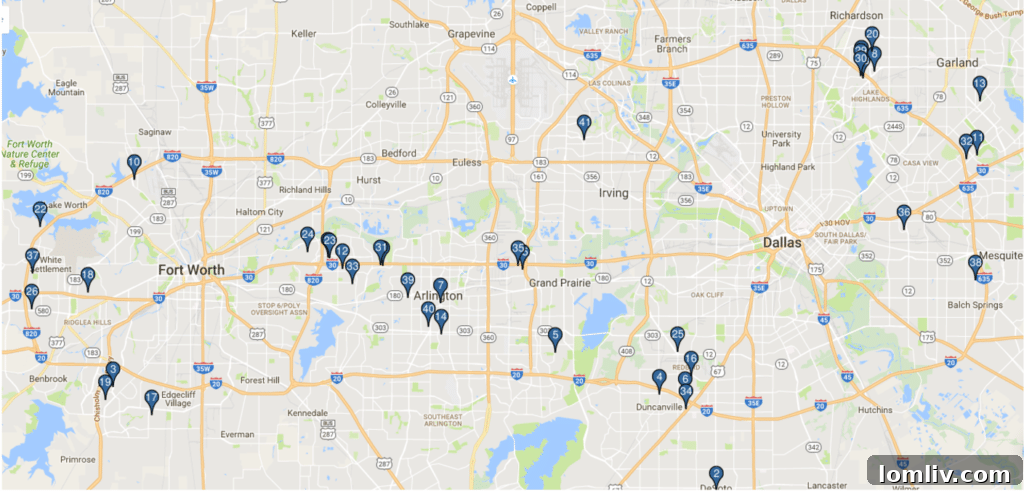
Even within the challenging Dallas-Fort Worth metropolitan area, there are communities that still offer relatively attractive options for cost-burdened renters. Apartment locator Ashley Stanley provides valuable guidance on where to look: “Areas of town that I see are meeting the need for cost-burdened renters are Richardson, Garland, Far East Dallas, Southwest Dallas, the Mid-Cities, and West Fort Worth.” These areas typically provide a blend of more affordable rental units, access to amenities, and reasonable commute times compared to the immediate core of Dallas.
- Richardson: Known for its strong job market, excellent schools, and diverse community, Richardson offers a more suburban feel with competitive rental prices.
- Garland: One of the largest cities in Dallas County, Garland provides a variety of housing types and generally lower rents, with good access to major highways.
- Far East Dallas: This expansive area offers a mix of established neighborhoods and newer developments, often with more budget-friendly options than central Dallas.
- Southwest Dallas: Characterized by diverse communities and varying price points, Southwest Dallas can be a promising area for those seeking affordability.
- The Mid-Cities: Encompassing cities like Grand Prairie, Euless, and Bedford, this region between Dallas and Fort Worth offers a strategic location with often lower rental costs.
- West Fort Worth: Offering a distinct urban feel mixed with suburban elements, West Fort Worth provides access to jobs and amenities at a more accessible price point than Dallas proper.
The Path Forward: Addressing Dallas’s Affordable Housing Crisis
The intricate challenge of affordable housing in Dallas calls for a concerted effort from all stakeholders. While pockets of affordability exist and renters are devising strategies to cope, the underlying issue—a severe imbalance between demand and supply of affordable units—persists. It is imperative that developers, city planners, and policymakers recognize the pressing need for more affordable apartments within Dallas city limits. Investing in diverse housing options that cater to all income levels is not just a social responsibility; it’s an economic necessity for sustaining a vibrant, equitable, and thriving metropolitan area.
Only through strategic development, supportive policies, and a collective commitment to housing accessibility can Dallas ensure that its growth benefits all residents, not just a select few. The hope remains that the city will prioritize building a future where everyone has a secure and affordable place to call home.