Dallas’s Rental Conundrum: The Growing Chasm of Affordability
In the dynamic landscape of urban living, the debate between renting and homeownership often centers on affordability. While renting has historically been perceived as the more accessible option, recent years have witnessed a dramatic shift, with the gap between affordable rental units and affordable homes for sale widening at an alarming rate. This trend is particularly pronounced in thriving metropolitan areas like Dallas, where a booming economy and population growth are inadvertently creating an affordability crisis for its residents. The dream of finding an affordable rental in Dallas is increasingly becoming a significant challenge for a large segment of its population.
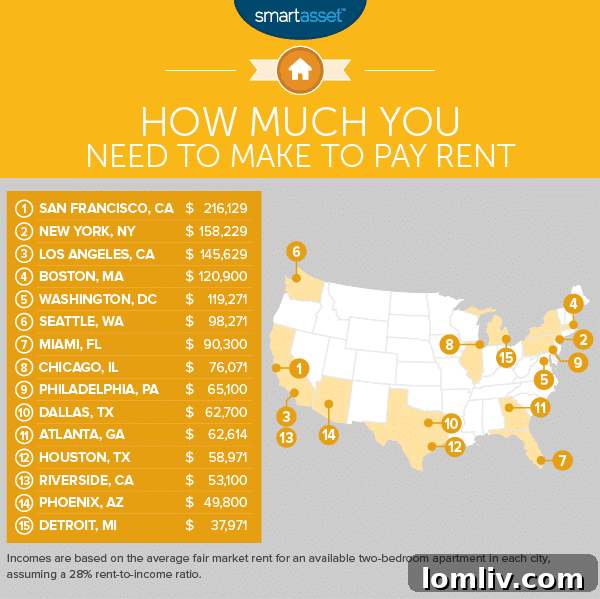
A comprehensive survey conducted by SmartAsset in 2016 starkly illuminated this growing income disparity for renters. The findings revealed that in Dallas, individuals needed to earn a substantial annual income of $62,700 to adhere to the U.S. Department of Housing and Urban Development (HUD) guidelines for what constitutes an affordable rental. This figure represented a significant increase of $5,829 from just the previous year, translating to an average monthly rent payment of approximately $1,463. Such escalating costs signal a pressing issue that demands immediate attention and strategic solutions from city planners, developers, and policymakers alike.
The Millennial Dilemma and Skyrocketing Rents in Dallas
The current housing market dynamics have placed a particular burden on a crucial demographic: Millennials. Many would-be Millennial homebuyers, facing challenges such as stagnant wages, student loan debt, and, critically, low inventory in the housing market, are being compelled to remain in the rental pool for extended periods. This increased demand for rentals, coupled with a constrained supply, has fueled skyrocketing market rents, essentially adding insult to injury for those striving for financial stability and homeownership.
Despite these challenges, there are efforts underway to address the supply side of the equation. According to MetroStudy, builders in the Dallas-Fort Worth region have shifted into overdrive, working diligently to bring new housing units online. However, the benefits of this increased construction are often mitigated by another critical factor: the surging prices for new construction. The high costs of land, labor, and materials mean that many newly built properties enter the market at premium price points, doing little to alleviate the demand for truly affordable rental options.
Unpacking Dallas’s Rising Rental Costs: A Closer Look
So, what exactly is driving the escalating cost of renting in Dallas? The answer lies in a complex interplay of supply, demand, and development trends. Fundamentally, it boils down to the availability of properties that are within a reasonable budget for the average resident. Let’s consider downtown Dallas as a prime example, a bustling urban core that exemplifies the city’s growth and its accompanying challenges.
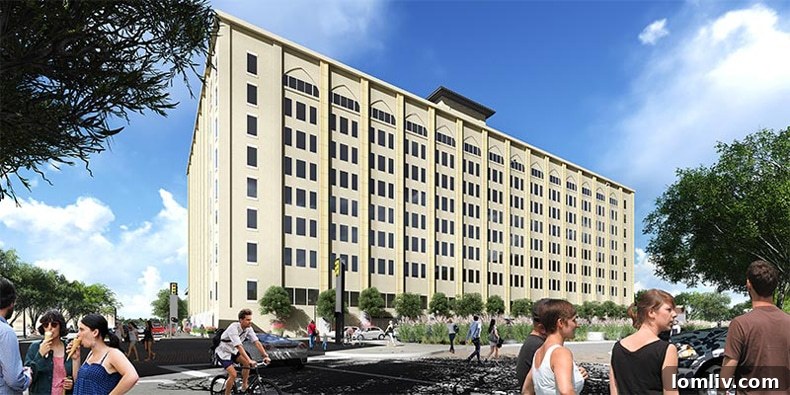
In downtown Dallas, the vast majority of available apartment properties, particularly for a standard one-bedroom, one-bathroom unit, are priced in the range of $1,200 to $1,400-plus per month. Furthermore, a significant trend in recent years has been the overwhelming focus on luxury-level buildings. Developers, driven by market demand for high-end amenities and lucrative returns, are predominantly constructing upscale apartments designed to cater to a higher-income demographic. This emphasis on luxury has created a significant void in the market for moderately priced housing. In the entirety of downtown Dallas, a startling reality emerges: only a mere two buildings offer units that genuinely meet the HUD affordable housing guidelines. This stark imbalance highlights a systemic issue where the city’s development trajectory inadvertently overlooks the housing needs of a substantial portion of its workforce and general population.
Understanding “Cost Burdened”: The HUD Definition and Its Implications
To fully grasp the magnitude of Dallas’s rental affordability crisis, it’s essential to understand the criteria used by the U.S. Department of Housing and Urban Development (HUD). According to HUD, a household should ideally allocate no more than 30 percent of its gross income towards housing-related costs, which include rent, utilities, and other associated expenses. For the purposes of SmartAsset’s survey, a slightly more conservative guideline of 28 percent of monthly income dedicated to rent alone was used to assess affordability.
When a household crosses the 30 percent threshold, spending more than this portion of their income on housing, they are officially classified as “cost burdened.” The situation becomes even more precarious when housing costs consume more than 50 percent of a household’s income; at this point, HUD designates them as “severely cost burdened.” These classifications are not mere bureaucratic labels; they signify real-world financial strain and hardship. Households that are cost burdened often struggle to afford other basic necessities such as food, healthcare, transportation, and education, hindering their ability to save, invest in their future, or cope with unexpected expenses. This often leads to a diminished quality of life and reduced economic mobility for individuals and families.
The Stark Reality in Dallas: Nearly Half of Renters Struggle
The implications of these definitions are particularly stark when applied to Dallas. A comprehensive study by ApartmentList, leveraging 2014 Census data, revealed a troubling statistic: approximately 48.5 percent of renters in Dallas are considered cost burdened. This means that nearly half of all renter households in the city are dedicating more than 30 percent of their income to housing-related costs. This figure underscores a profound systemic issue, where the economic vibrancy of Dallas is not translating into equitable housing opportunities for a significant portion of its population.
The sheer number of cost-burdened renters has far-reaching consequences. For individuals, it often means making difficult choices between essential expenditures, increasing financial stress, and limiting opportunities for personal and professional growth. For the city as a whole, it can lead to a decline in economic diversity, as lower and middle-income workers are priced out of central areas, leading to longer commutes and reduced engagement in local communities. This also poses a threat to the city’s workforce, making it harder for businesses to attract and retain talent across all income brackets if employees cannot find affordable places to live.
Beyond the Numbers: The Broader Economic and Social Impact
The crisis of rental unaffordability in Dallas extends far beyond individual household budgets. It ripples through the local economy and impacts the social fabric of the city. When nearly half of renters are struggling to make ends meet due to high housing costs, it significantly reduces their discretionary spending. This, in turn, can hurt local businesses, dampening consumer spending and potentially slowing economic growth. Moreover, the lack of affordable housing can force essential workers – teachers, first responders, healthcare professionals, and service industry employees – to live further away from their workplaces, leading to longer commutes, increased traffic congestion, and a higher carbon footprint.
Socially, unaffordable housing can lead to increased residential segregation, pushing lower-income populations to the outskirts of the city, away from job centers, quality schools, and essential services. This can exacerbate inequalities and undermine efforts to build inclusive, vibrant communities. The stress associated with housing insecurity can also have detrimental effects on public health, contributing to higher rates of anxiety, depression, and other health issues among affected residents.
Seeking Sustainable Solutions: A Call to Action for Dallas’s Future
The pressing question, then, remains: Is this a critical wake-up call for our city to prioritize and strategically focus on building genuinely affordable apartments? The answer must unequivocally be yes. Addressing Dallas’s rental affordability crisis requires a multifaceted approach involving collaboration between city government, private developers, non-profit organizations, and community stakeholders.
Potential solutions could include:
- Incentivizing Affordable Housing Development: Offering tax breaks, zoning concessions, or direct subsidies to developers who commit to building units that meet specific affordability criteria.
- Zoning Reforms: Revisiting restrictive zoning laws that limit housing density or mandate large lot sizes, which can drive up development costs and restrict the supply of diverse housing types.
- Public-Private Partnerships: Leveraging city-owned land or public funds to collaborate with private developers on affordable housing projects, reducing risks and increasing viability.
- Inclusionary Housing Policies: Mandating that a certain percentage of units in new developments be designated as affordable, or requiring developers to contribute to an affordable housing fund.
- Preservation of Existing Affordable Housing: Implementing strategies to protect existing affordable housing stock from demolition or conversion to market-rate units.
- Transit-Oriented Development: Focusing affordable housing initiatives near public transportation hubs to reduce transportation costs for residents, thereby lowering their overall cost of living.
Dallas’s remarkable growth and economic success are undeniable, but this prosperity must be shared equitably among all its residents. The challenge of rental affordability is not merely an economic issue; it is a fundamental social issue that impacts the quality of life and future potential of countless individuals and families. By proactively addressing this crisis with innovative policies and dedicated investment, Dallas can ensure it remains a dynamic, inclusive, and thriving city for everyone who calls it home.