
Dallas property values have surged, leaving many owners with larger-than-expected gains. That boost can significantly increase your net worth, but it can also trigger a substantial tax bill if you aren’t prepared. To retain more of your equity, approach taxes as strategically as you approach the market.
Here are practical ways Dallas investors and homeowners can reduce their tax burden.
Use 1031 Exchanges

A common strategy for investment property sellers is a 1031 exchange, which lets you defer capital gains taxes by reinvesting sale proceeds into another qualifying property. In a fast-paced market like Dallas, that keeps more of your money working for you instead of sending a large portion to the IRS immediately.
Keep in mind the strict deadlines: you have 45 days to identify replacement property and 180 days to complete the exchange. Because properties move quickly in Dallas, many investors begin searching for replacement options before listing the one they plan to sell.
Track Every Improvement
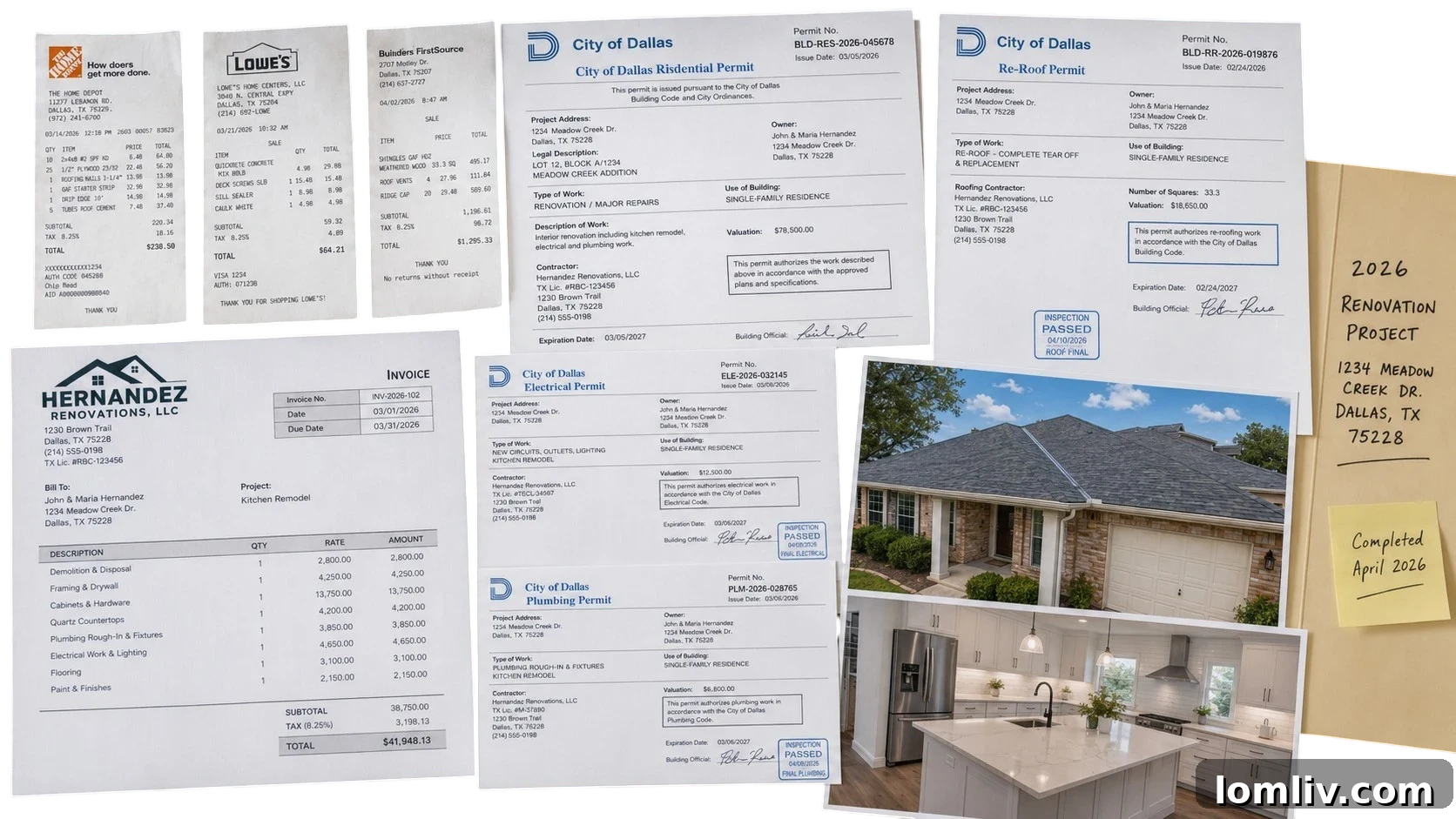
Many owners miss out on tax savings by failing to account for capital improvements. Major upgrades—like a new roof, HVAC replacement, kitchen remodel, or significant repairs—raise your property’s cost basis and can lower your taxable gain at sale.
Document every improvement and retain digital copies of invoices, permits, contractor bids, and receipts. Without a clear paper trail, the IRS may disallow those costs, which could increase the taxable amount of your gain.
Time Your Sale for Long-Term Rates
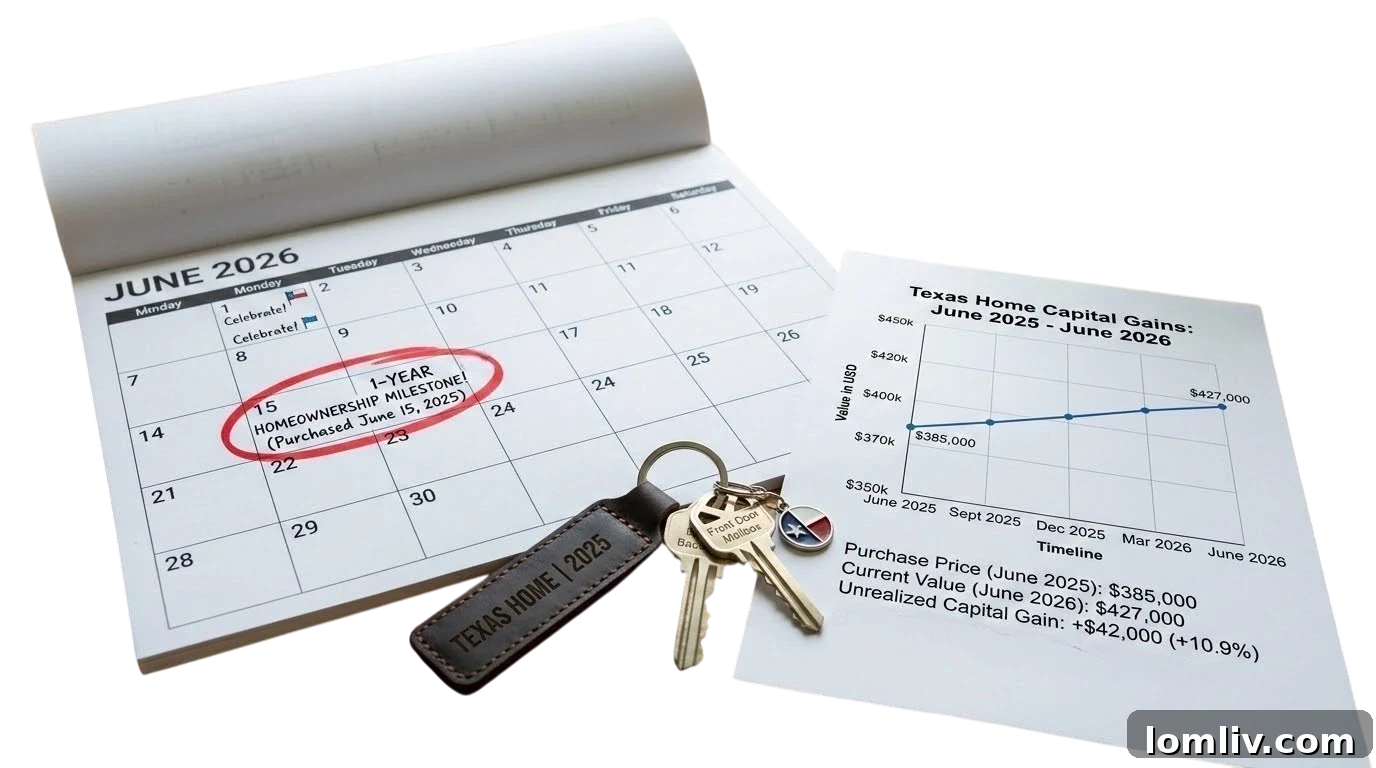
Timing your sale can significantly affect your tax bill. Gains on properties held for less than one year are typically taxed as short-term capital gains, which are taxed at ordinary income rates. Holding a property for at least one year and one day generally qualifies you for long-term capital gains rates, which are often lower.
If you are only a month or two away from that one-year threshold, it may be worth waiting, even if market conditions shift slightly in the meantime.
Understand Dallas Property Tax Cycles
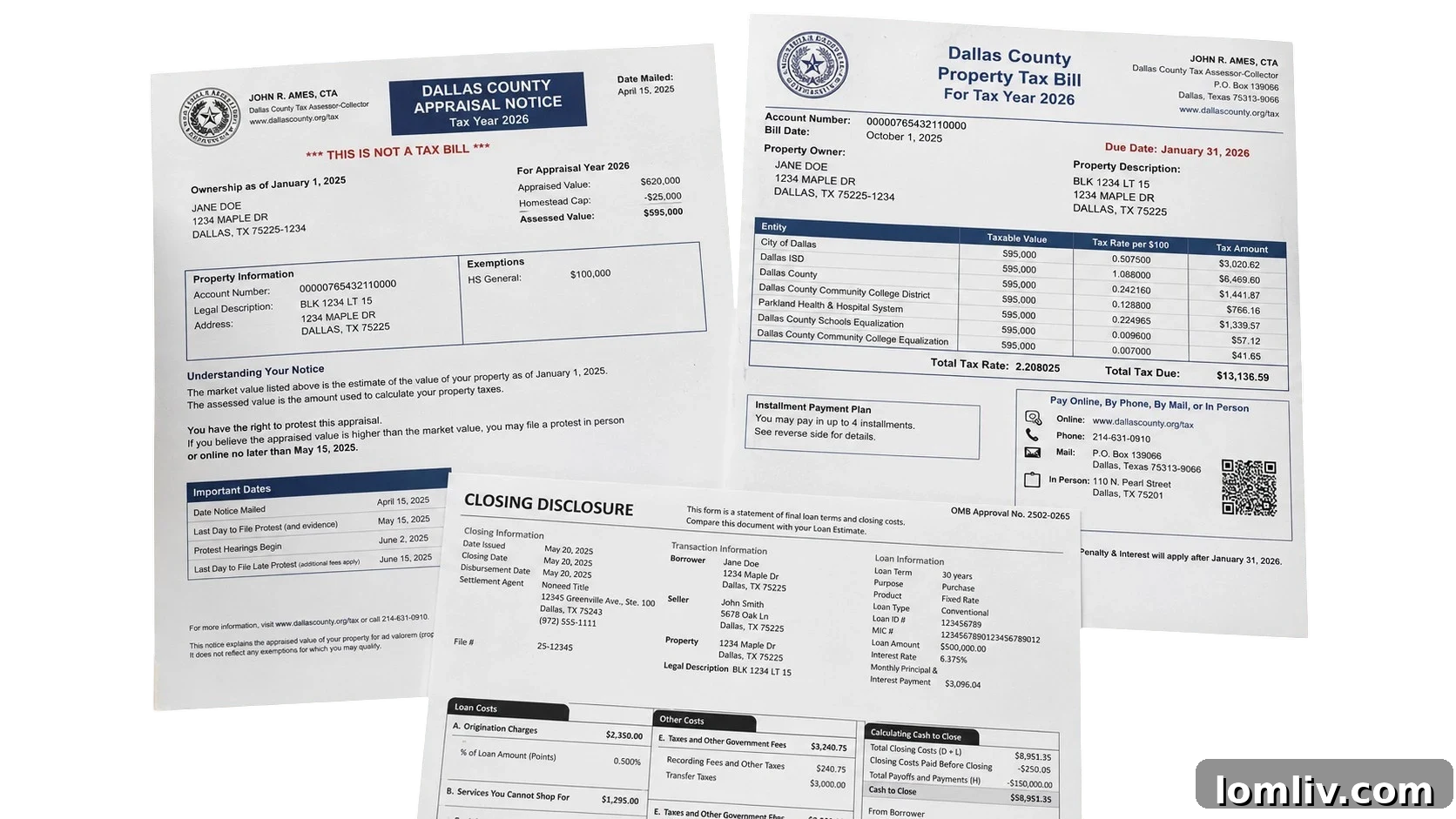
Texas has no state income tax, but property taxes can still take a significant bite from your cash flow. Dallas County reviews values regularly as part of the annual property tax cycle, and a sudden jump in appraised value can impact owners of rental and investment properties.
When selling, pay attention to how property taxes are prorated at closing. Appraisal notices, protest deadlines, tax bills, and payment dates can influence your net proceeds. A poorly timed closing could leave you responsible for a larger share of the year’s taxes than you expected.
Use Primary Residence Exclusion

If you are selling your primary home, the Section 121 exclusion can be a powerful tax benefit. If you’ve owned and lived in the residence for at least two of the last five years, you may exclude up to $250,000 of gain as a single filer or up to $500,000 if married filing jointly.
With Dallas home prices rising, long-term homeowners may approach or exceed those limits. If your gain goes beyond the exclusion, review improvement records, selling expenses, and any periods of business or rental use with a tax professional before completing the sale.
Plan for Depreciation Recapture
Depreciation provides an ongoing tax benefit while you own rental property, but it can increase your tax liability when you sell. Depreciation recapture can reduce the net proceeds investors expect to receive after closing.
Budget for potential recapture by calculating cumulative depreciation before setting your asking price. A 1031 exchange may also help defer depreciation recapture in the right circumstances, along with capital gains.
Work With Local Experts
The Dallas market moves quickly, and tax implications can change just as fast. Achieving a strong sale price is only part of the outcome—what matters most is how much you retain after taxes, closing costs, and planning errors.
Before selling, consult a CPA and a real estate professional familiar with Dallas County tax rules, 1031 exchange procedures, and local closing practices. A coordinated plan can help you protect more profit and avoid surprises at the closing table.