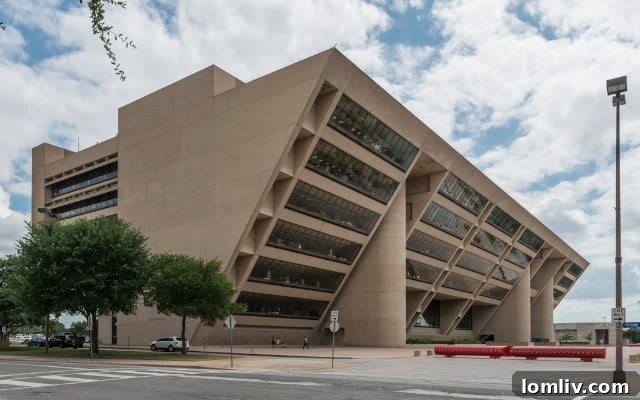
Dallas, Texas, a city known for its vibrant economy and expansive growth, is facing an increasingly common challenge: resident exodus to regions with lower living costs. Recently, during a visit to Nashville, Tennessee, the striking disparity in financial burdens between these two burgeoning urban centers became undeniably clear. While exploring property offerings and engaging with local real estate agents, a recurring theme emerged: a significant number of individuals and families relocating from California, the Midwest, and the East Coast are now choosing Nashville over Dallas, and indeed, over Texas as a whole. The reasons behind this shift are compelling and largely economic, pointing to a broader discussion about urban fiscal policies and their impact on residents.
The Lure of Lower Taxes: Why Dallas Residents Are Eyeing Tennessee
The primary driver behind this relocation trend is, unequivocally, taxes. Tennessee boasts a property tax rate that is approximately one-third of what homeowners pay in Texas. This substantial difference alone presents a powerful incentive for potential residents, especially those looking to maximize their long-term financial stability. Beyond property taxes, Tennessee also stands out for its lack of a state income tax on salaries and wages, although it does tax bond interest and stock dividends. This comprehensive tax advantage in Tennessee creates a stark contrast with the financial landscape in Dallas, where residents contend with some of the highest property tax burdens in the nation, despite the absence of a state income tax in Texas.
This fiscal disparity raises critical questions for Dallas policymakers. While the city continuously strives to attract new businesses and residents, the escalating cost of living, particularly due to property taxes, may inadvertently push existing and potential residents away. Understanding this trend is crucial for Dallas to remain competitive and retain its diverse population. The financial relief offered by states like Tennessee isn’t just a minor perk; for many families and retirees, it represents a significant improvement in their quality of life and disposable income, influencing their fundamental decision of where to call home.
Dallas Property Tax Paradox: A “Reduction” That Still Costs You More
Against this backdrop of inter-state migration fueled by tax differences, Dallas residents grapple with their own local tax challenges. Recent preliminary news indicated that Dallas City Manager T.C. Broadnax proposed an almost 3 percent reduction in the property tax rate. On the surface, this sounds like welcome relief for homeowners. However, a deeper look reveals a more complex, and for many, frustrating reality. The city’s property tax collections have actually surged by a staggering 15 percent, largely due to the robust appreciation of property values across Dallas’s booming real estate market. This means that despite a nominal rate reduction, the city is netting an additional 12 percent in tax revenue from its homeowners.
This scenario highlights a common dilemma in rapidly appreciating real estate markets. When property values soar, even a slight reduction in the tax rate may not translate to a lower actual tax bill for individual homeowners; in many cases, it leads to a significant increase. For residents, particularly those on fixed incomes or those who have lived in their homes for decades, this constant escalation in property taxes can be a substantial financial burden, threatening their ability to remain in their homes. The question then becomes, why isn’t the city returning this windfall revenue to the taxpayers who generated it? The current approach feels less like a tax cut and more like a strategic recalculation that ultimately benefits the city’s coffers rather than providing genuine relief to its citizens.
Unpacking Dallas’s $4.51 Billion Budget: Where Your Money Really Goes
The proposed fiscal year budget for the city of Dallas, put forth by City Manager T.C. Broadnax, totals an unprecedented $4.51 billion. This represents a substantial increase of $160 million compared to the spending plan approved by the Dallas City Council last year. The surge in the budget is a direct consequence of record-breaking revenue inflows from both sales taxes and, as noted, property taxes. These two revenue streams are the lifeblood of the city’s general fund, accounting for nearly 80 percent of its total. From this general fund, the vast majority of Dallas’s day-to-day operations and essential services are financed, from public safety to sanitation, and everything in between.
While a larger budget might suggest enhanced services and improved quality of life, it also means a greater financial demand on residents and businesses. The critical question for Dallas citizens is whether this significant increase in spending is being allocated efficiently and equitably, directly addressing the city’s most pressing needs while providing tangible benefits for taxpayers. Understanding the details of this massive budget, and how it directly impacts daily life, is paramount for informed civic engagement. The stakes are high, as these budgetary decisions will shape Dallas’s trajectory for the coming fiscal year and beyond.
The Double-Edged Sword: Service Fee Hikes and City Employee Wages
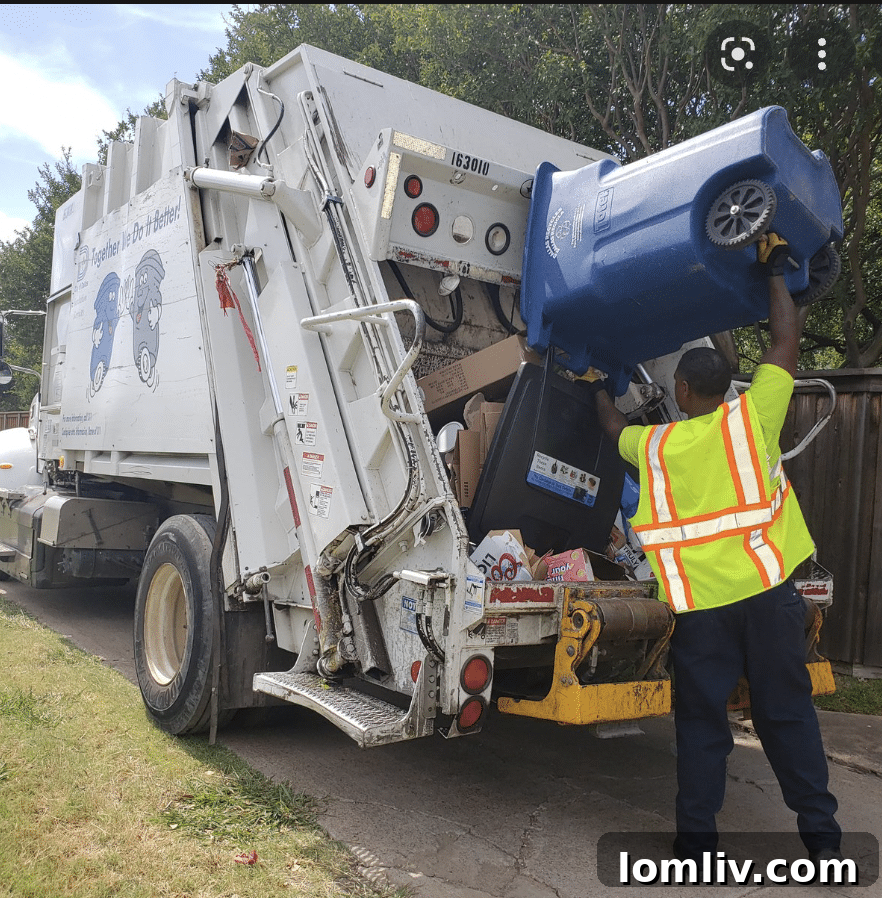
In addition to the property tax situation, City Manager Broadnax’s budget proposal introduces a series of increases in rates and fees for essential city services. Residents should prepare for higher sanitation charges, increased storm drainage fees, and a bump in their monthly water bills. These rising costs, while perhaps individually modest, collectively erode any perceived savings from property tax adjustments and add another layer of financial strain on households already grappling with inflation.
Simultaneously, the proposal aims to address the critical issue of living wages for city employees. Broadnax plans to increase starting salaries from $15 an hour to approximately $18 an hour. This move comes in response to reports indicating that a true living wage in Dallas requires at least $17.03 an hour, a figure that jumps to a daunting $30 an hour for single parents. While competitive wages are crucial for attracting and retaining skilled public servants and ensuring the quality of city services, the challenge lies in balancing these necessary increases with the overall financial burden on residents. The question remains whether these salary adjustments are sufficient to truly address the cost of living in Dallas, particularly for those supporting families, and if the associated fee increases are a sustainable way to fund them without disproportionately impacting lower and middle-income residents.
The city published an overview of Broadnax’s budget proposal Friday with a summary of recommended investments. The full budget proposal, which would include funding recommendations for each city department, is set to be released Saturday.
The City Council will receive its first public briefing of Broadnax’s spending plan on Tuesday.
Dallas Morning News
Public Safety and Infrastructure: Hits, Misses, and Questionable Allocations
A significant portion of the proposed budget is dedicated to public safety and infrastructure, reflecting the critical needs of a growing metropolis. However, a closer examination reveals a mix of highly commendable initiatives, necessary but potentially insufficient measures, and some expenditures that warrant careful public scrutiny. The effectiveness of this budget will ultimately be judged by its ability to deliver tangible improvements in these vital areas.
Addressing the Police Exodus: Are Retention Incentives Enough?
Dallas, like many major U.S. cities, is grappling with a severe police staffing crisis. Reports indicate a significant exodus of officers, with many citing low pay and demanding conditions as primary reasons for leaving. The city manager’s proposal includes a $4 million allocation for financial incentives, aiming to encourage trained police officers nearing retirement to extend their service for at least another year. While the goal of retaining experienced personnel is laudable, hoping to retain at least 30 officers, one must question if this incentive is robust enough to stem the tide of departures. Dallas’s police pay has been notoriously low compared to other metropolitan areas, making recruitment and retention a perpetual challenge. A more comprehensive strategy addressing long-term compensation, benefits, and working conditions might be necessary to build a sustainable and robust police force capable of ensuring public safety in a city with rising crime rates.
Essential Services: Ambulances, Fire, and the Foundation of a City
On a positive note, the budget proposes to hire more paramedics and acquire six additional ambulances. These are critical investments directly impacting the city’s emergency response capabilities and overall public health. Similarly, an allocation of $18 million for fire emergency equipment is a necessary expenditure to ensure that the Dallas Fire-Rescue Department is adequately equipped to protect lives and property. These investments in essential emergency services are foundational to a well-functioning city and demonstrate a clear commitment to the safety and well-being of Dallas residents, earning them high marks in terms of necessity and impact.
Infrastructure Investments: Paving the Way for a Better Dallas (or Just Patching Holes?)
- City Infrastructure Improvement ($157 million): This significant investment, including $6.3 million for sidewalks, $4.4 million for bridge repairs, and $2 million for alley cleanup, is unequivocally positive. Well-maintained infrastructure is the backbone of any city, directly impacting quality of life, safety, and economic vitality. This allocation deserves an A+.
- Emerald Ash Borer Beetle Removal ($2 million): The plan to spend $2 million to remove trees infected by emerald ash borer beetles and prevent further spread is a substantial sum. However, given the crucial role trees play in urban ecosystems, air quality, and property values, this proactive measure is important for preserving Dallas’s green canopy. A reasonable allocation, earning an A.
- Hazardous Substances Cleanup Program ($1.5 million): A proposal to spend $1.5 million to develop a program for cleaning city properties with hazardous substances raises concerns. While the intent is crucial, the focus on “developing a program” rather than direct action, and the failure to robustly pursue accountability from polluters, suggests potential bureaucratic inertia. Why aren’t the creators of such pollution being charged directly? This feels like a D.
Bureaucracy or Necessity? Scrutinizing Other Key Budget Items
- Development Services Office Expansion ($1.5 million): To address months-long delays in issuing residential and commercial building permits, including a new team for single and multifamily housing projects, is proposed. While solving permit delays is vital for economic growth, throwing more money at a systemic issue without addressing underlying inefficiencies or personnel shortfalls on Jefferson Boulevard seems like a superficial fix. This often points to a need for fundamental process re-engineering and accountability, rather than just expansion. This earns an F.
- Homeless Action Response Team ($2.5 million): The creation of a Homeless Action Response Team to “more quickly address homeless encampments” sounds promising. However, past experiences often show such teams merely displace rather than solve the root causes of homelessness. A truly effective approach requires investing in sustainable housing solutions, mental health services, and job training, not just managing encampments. Without a clear pathway to long-term solutions, this risks being a waste of resources. This earns a D.
- Increased Library Hours (in at least nine branches): Expanding library hours, especially in branches lacking internet access and other resources, is an excellent initiative. Libraries are vital community hubs, providing education, connectivity, and support for all residents. This deserves an A.
- More Staff for Code Enforcement & Animal Services: Hiring additional staff for apartment inspections and more animal services workers to respond to loose dog calls is highly necessary for public safety and quality of life. As long as these new hires are effectively deployed and held accountable, this is an A+.
- ADA Compliance for City Buildings ($300,000): Spending $300,000 to analyze how to bring at least 20 city-owned buildings up to ADA standards seems like an insufficient step. Analysis should lead to action, but this allocation only covers the initial assessment. It also raises a deeper question: Does Dallas own too many buildings, and should some non-essential properties be sold off to reduce maintenance burdens and generate revenue? This feels like an F for its limited scope.
- New Vehicles ($70 million): An allocation of $70 million for new vehicles for the city. While fleet replacement is periodically necessary, this is a substantial sum, especially given current market conditions and supply chain challenges. If truly essential and not just for upgrades, it’s acceptable, but the timing for such a large purchase is questionable. This receives a C.
- Street Safety Improvements/Vision Zero ($1.5 million): This investment towards street safety improvements, as part of the city’s Vision Zero plan (e.g., speed bumps), is crucial for reducing traffic fatalities and injuries. This direct action to enhance safety is a clear priority. This earns an A+.
- Oversight for Traffic Deaths & Racial Disparities Plans ($1.5 million): Hiring new employees to oversee the implementation of plans addressing traffic deaths and racial disparities sounds like classic bureaucratic bloat. While addressing these issues is important, creating more oversight positions without clear, actionable deliverables or measurable impact often results in redundant spending. Good intentions don’t always translate to effective governance. This is a prime example of potential money wasted on vague administrative roles, earning an F.
The Silent Majority: Why Dallas’s Budget Survey Results Are a Wake-Up Call
Perhaps one of the most concerning aspects of the budget process is the shockingly low public engagement. A city survey, intended to gauge citizen priorities for tax dollar allocation, garnered responses from only 1,200 people out of a total population of 1.3 million. This translates to a dismal 0.09 percent participation rate – less than one percent of the city’s residents weighing in on how their money should be spent. This miniscule sample size raises serious questions about the representativeness of the feedback received and the democratic legitimacy of the budget priorities derived from it.
Of this tiny pool of respondents, the majority indicated a desire for increased funding in areas such as arts and culture programs, social services, and repairs to streets, sidewalks, and alleys. Conversely, they advocated for less money to be allocated to code violations, court services, and, most alarmingly, the police – precisely the essential services required to maintain public safety and uphold civic order. This preference highlights a disconnect from the realities of urban governance and the foundational needs of a thriving city.
Such responses, while perhaps well-intentioned, often reflect a limited understanding of the intricate balance required to run a major city. Defunding critical services like code enforcement, which addresses issues such as neglected properties that endanger residents and contribute to homelessness, or reducing support for court services and police, directly undermines efforts to combat rising crime rates and maintain community standards. This alarming level of voter apathy effectively cedes control of vital city decisions to a very small, and potentially unrepresentative, fraction of the population. The consequences are tangible: dilapidated properties, increased crime, and a struggling public safety infrastructure that impacts everyone, especially the most vulnerable members of society. Dallas is effectively being steered by the “less than one percent,” not by malicious intent, but by the widespread disengagement of its citizenry.
Your Voice Matters: Demanding Accountability Before the Fiscal Year Begins
The proposed budget, with its blend of strategic investments, questionable allocations, and significant fee increases, will directly impact every Dallas resident. While the city manager touts an “almost 3 percent reduction” in property tax rates, the reality of rising property values means most homeowners will still see higher tax bills. Furthermore, any minimal relief from this reduction will likely be swiftly negated by the impending increases in water, sanitation, and storm drainage fees. This narrative of a “biggest tax decrease in history” is a carefully crafted rhetorical device that does not align with the true financial burden on most households.
It is imperative that Dallas citizens recognize the urgency of this moment. The City Council will soon be making final decisions on this budget, which will take effect on October 1st. This is your last, crucial window to influence the outcome. Do not let voter apathy dictate the financial future of our city. Take immediate action: contact your Dallas City Council representative. Send emails, write letters, and attend the scheduled town hall events, both in-person and virtual, which are set to run from August 11th to August 25th. These forums are designed for your input and represent a direct channel to express your concerns and advocate for amendments to the proposal.
Engaging with your elected officials and participating in these discussions is not merely an option; it is a civic responsibility. The future direction of Dallas, from its public safety and infrastructure to its tax burden and quality of life, rests on the collective voice of its residents. Your input can help shape a budget that truly reflects the priorities and needs of the entire community, ensuring that Dallas remains a desirable and sustainable place to live for all. Don’t let this opportunity pass by, just in time for Halloween, before these crucial decisions become set in stone.