Dallas, a city experiencing robust economic growth and a rapidly expanding population, faces an increasingly critical challenge: providing adequate affordable housing for all its residents. Community development corporations (CDCs), such as James Armstrong’s Builders of Hope, stand at the forefront of this effort, striving to develop affordable homes in historically underserved areas. However, these organizations frequently encounter significant hurdles, asserting that their crucial work cannot proceed without substantial backing from the city. This vital assistance often includes essential resources like land transfers, forgivable loans, or a strategic combination of both.
Recognizing the pressing need to alleviate development pressures and accelerate the creation of much-needed housing units, the Dallas City Council recently enacted significant amendments to its housing policy. These pivotal changes are designed to streamline the process for developers and expand opportunities for prospective homeowners. Specifically, the updated policy now permits the utilization of forgivable loans, a crucial shift from previously repayable financing, thereby reducing the financial burden on developers. Furthermore, it explicitly allows for land transfers and homebuyer assistance programs to be concurrently implemented on the same project. This integrated approach aims to create a more viable and attractive environment for community development, fostering greater capacity to deliver affordable housing solutions.
Prior to these policy adjustments, the Dallas Homebuyer Assistance Program (DHAP) faced considerable criticism regarding its effectiveness and accessibility. Notably, only two local builders were actively utilizing the program, both of whom had voiced concerns about its practical utility and the complexities involved in its application. These criticisms highlighted systemic issues that deterred broader participation and limited the program’s potential impact on the city’s affordable housing landscape.
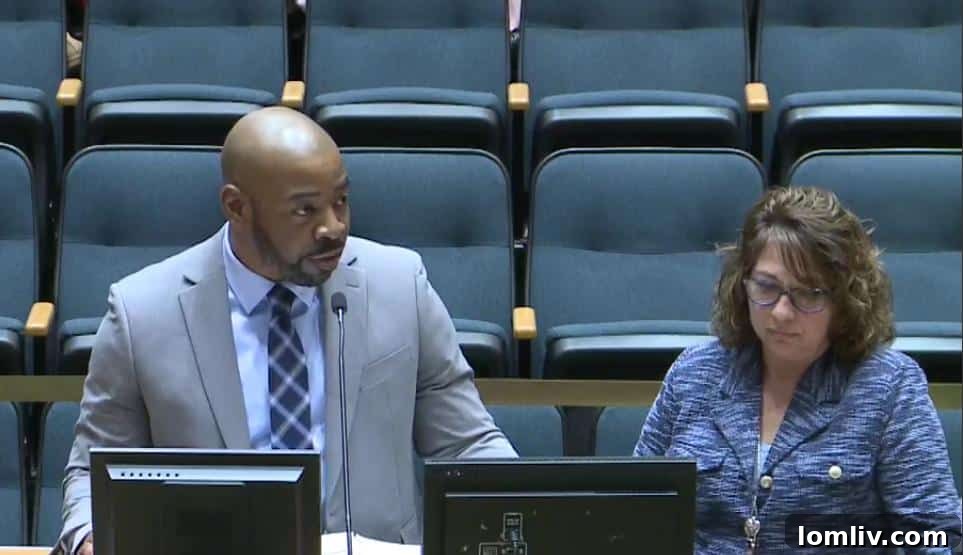
Darwin Wade, Assistant Director of Housing and Neighborhood Revitalization, emphasized that the recent policy amendment marks a significant step towards addressing these past criticisms. According to Wade, the changes are specifically crafted to make the DHAP more user-friendly and financially viable for the two certified Community Housing Development Organizations (CHDOs) currently leveraging the program: Builders of Hope and Joe Dingman’s Notre Dame Place Inc. Wade underscored the city’s broader commitment, stating, “We provide these gap financing tools, and we are tasking [the developers] to help us provide affordable, attainable, and equitable housing to all Dallas residents. That’s what we do each and every day when we come to work as public servants.” This statement reflects a dedication to ensuring that housing opportunities are accessible across all socio-economic strata, fostering a more inclusive and stable community.
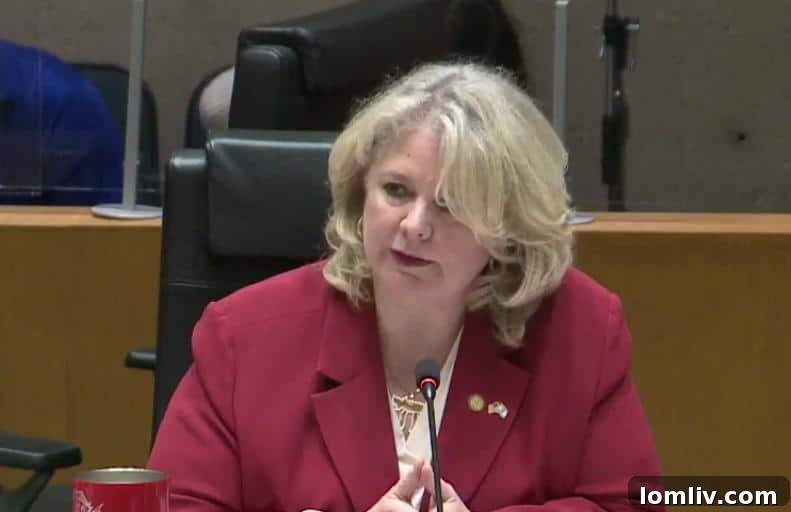
While the policy amendments garnered broad support, District 12 Councilwoman Cara Mendelsohn expressed reservations. A vocal proponent of affordable housing development in areas of critical need, Mendelsohn voiced concerns about the practice of “layering” the DHAP and Land Transfer Program. She argued against what she perceived as an overconcentration of assistance, suggesting it funnels too many resources into a limited number of recipients. Her stance initiates a critical discussion about the optimal allocation of public funds and the balance between depth of support for individual projects and breadth of impact across the city.
Dallas Officials Say Federally Funded Housing Programs Are Too Challenging For Developers
The City Should Only Bridge One Gap, Mendelsohn Argues: A Closer Look at Fiscal Responsibility in Housing Policy
Councilwoman Mendelsohn elaborated on her concerns regarding the amended program guidelines during a Feb. 14 Dallas City Council meeting. She articulated a clear philosophical stance on municipal assistance, asserting that “The Dallas Homebuyer Assistance Program and the Land Transfer Program shouldn’t be layered assistance programs.” Her argument centers on the principle that if the city is providing assistance through one program, that intervention should be sufficient to bridge the financial gap for prospective homeowners. Mendelsohn suggested that if a project or individual requires support from both programs, the underlying financial need might be so profound that the recipient may not be truly ready for homeownership, raising questions about long-term sustainability and risk for the city.
She further emphasized her belief that such extensive layering results in “pouring so many resources into so few people when we really should have the ability to serve more.” This perspective highlights a tension between providing intensive support for specific projects and spreading resources more broadly to maximize the number of individuals and families who can benefit from housing assistance. Mendelsohn also pointed to a significant financial implication, estimating that the layering of programs could result in a revenue loss for the city amounting to approximately $3.3 million per year. This fiscal concern underscores her call for a more financially conservative and equitably distributed approach to housing subsidies, aiming to stretch public dollars further and impact a larger segment of the Dallas population in need of housing support.
Despite Mendelsohn’s detailed reservations, she stood as the sole council member to express explicit concerns about amending the program in this manner. Other council members offered strong counterarguments, highlighting the complexities inherent in modern real estate and the imperative of robust support for affordable housing initiatives. Councilwoman Gay Donnell Willis, for instance, voiced her profound appreciation for the tireless efforts of developers like James Armstrong and Joe Dingman. She recognized their instrumental role in stabilizing and expanding affordable housing options within communities where the need is most acute, underscoring the vital public service these organizations provide.
Councilwoman Jaynie Schultz provided a different perspective, noting that multi-layered financial approaches are a common, indeed often necessary, reality in purchasing a home at virtually any price point. She explained, “whether you’re seeking assistance or getting it through a mortgage or other support from family or friends,” the acquisition of property rarely relies on a single, isolated source of funding. Schultz challenged the premise that city assistance should be limited to a single program, stating, “I didn’t know that we, as a council, had passed a vision or any kind of thing that said you could only get one source of funding to purchase a home. That argument is challenging to me.” Her viewpoint advocates for a more pragmatic and flexible approach to housing finance, mirroring the diverse financial strategies employed by homebuyers across the economic spectrum.
Empowering Dallas Community Housing Development Organizations (CHDOs) for Lasting Impact
Understanding the definition and criteria for affordable housing is paramount to appreciating the significance of these policy changes. In terms recognized by the U.S. Department of Housing and Urban Development (HUD), affordable housing is specifically designated for families whose income falls below 80 percent of the Area Median Income (AMI). This federal guideline serves as a critical benchmark, ensuring that housing resources are directed towards those who genuinely face financial barriers to homeownership. Darwin Wade clarified to the council that for homes meeting this affordability criterion in Dallas, the current sales price cap is set at $315,000. This cap is designed to keep home prices within reach for the target demographic, preventing market fluctuations from pricing out eligible families.
However, simply establishing a price cap doesn’t fully resolve the affordability crisis. Wade highlighted a crucial and often overlooked reality: “A lot of our families cannot afford $315,000 because they are burdened with consumer debts, car notes, and that type of thing, so that affordability shrinks.” This insight underscores the multifaceted financial challenges faced by many Dallas residents, where existing debt obligations significantly diminish their purchasing power, even for homes priced below market rate. “Those are the things we’re looking at,” Wade explained, emphasizing the need for comprehensive solutions. “That’s why we have to have down payment assistance programs to fill that gap from whatever the family can afford through a mortgage and whatever the sales price is.” These assistance programs are not merely supplementary; they are essential tools for transforming theoretical affordability into tangible homeownership for families struggling with credit and savings limitations. For context, a family meeting the 80 percent AMI criteria in Dallas typically has a household income of approximately $82,000 per year.
Memorandum Outlines Plans to Clean Up Messy Dallas Housing Programs Criticized by Local Builders
Councilman Chad West expressed strong optimism regarding the policy amendments, articulating his hope that these changes would significantly enhance the viability and effectiveness of the housing programs. “I hoped the amendment would make the program viable,” West stated, emphasizing the urgent need for tangible progress. He continued, “and help us as a city actually meet the housing policy that we passed and said we all support and help further homeownership for people across the board.” His remarks reflect a shared council objective to translate ambitious housing policy goals into practical outcomes that expand homeownership opportunities for a diverse range of Dallas residents. West reiterated his commitment to this objective, affirming, “I want to enable as much homeownership as possible,” highlighting the long-term benefits of stable housing for individuals, families, and the broader community.
Cynthia Rogers-Ellickson, Dallas’ Housing Director, provided a clear explanation of how the various programs work in concert to achieve affordability. She clarified that the Land Transfer Program plays a foundational role by enabling developers to acquire land at a reduced or zero cost, thereby allowing them to construct and offer an inherently more affordable product to the market. Complementing this, the DHAP directly supports the homebuyer by providing crucial subsidies in the form of down payment and closing cost assistance. This two-pronged approach ensures that affordability is addressed from both the supply side (developer costs) and the demand side (buyer’s financial capacity), creating a comprehensive framework for accessible homeownership.
Wade further explained that the impetus behind these policy improvements stemmed directly from the “issues and challenges” consistently faced by the two certified CHDO developers, Builders of Hope and Notre Dame Place Inc. These organizations, vital to the city’s affordable housing strategy, often found themselves navigating complex regulatory hurdles and financial constraints that limited their capacity and threatened the sustainability of their projects. “We know that single-family homeownership is a council priority,” Wade affirmed, underscoring the strategic importance of nurturing these development partners. “We want to spur additional affordable housing in the single-family space.” He detailed the difficult choice confronting these CHDOs: either continue building affordable housing with steadily decreasing profit margins, which impacts their long-term performance and sustainability, or, perhaps more alarmingly, “they have the option to walk away and not even use the homes set aside that we are required by HUD to provide to those nonprofit CHDO developers.”
Wade characterized the amended policy as a “win-win” scenario for both the city and its housing department. He elaborated on the potential ramifications of failing to provide adequate assistance to CHDOs, stating that such a shortfall could lead to a significant loss of federal funding. This reduction in funding would, in turn, directly diminish the number of affordable housing options available for prospective homebuyers, creating a detrimental ripple effect across the city’s housing market. The policy, therefore, acts as a critical mechanism to ensure the continued flow of federal resources and the sustained development of housing for those who need it most.
Councilwoman Schultz eloquently summarized the sentiment of many council members by describing the policy before its recent amendment as “unnecessarily rigid.” She argued that such inflexibility was “not in the best interest of the city” and, critically, “certainly not in the best interest of the developers that are trying so hard, particularly in southern Dallas, to build new single-family housing, which is what people who live there want the most.” Her statement powerfully conveys the understanding that effective policy must be adaptable and supportive of the very entities working on the ground to address the city’s housing needs. By fostering a more flexible and supportive environment, Dallas aims to empower its CHDOs to build more resilient, equitable, and vibrant communities, ensuring that the dream of homeownership remains attainable for all its residents.