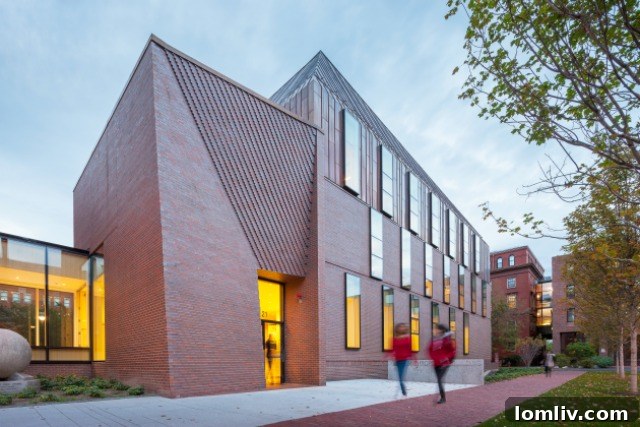
Sheila Kennedy: Revolutionizing Architecture with Sustainable Design and Innovative Materials
A deep dive into the visionary work of the Kennedy & Violich Architecture founder and her upcoming lecture at the Dallas Architecture Forum.
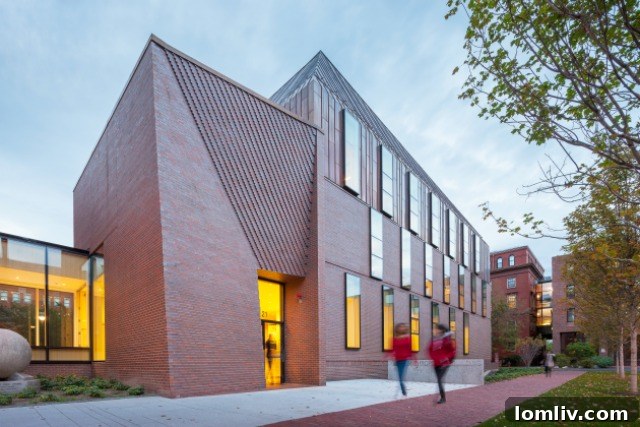
In an era demanding urgent solutions for environmental sustainability and adaptive design, architects are increasingly challenged to push the boundaries of conventional practice. A central question resonates within the global architectural community: How can designers leverage new materials and creative methodologies to achieve unprecedented flexibility in building usage while simultaneously minimizing ecological footprints? This profound inquiry has not merely guided, but has fundamentally defined the illustrious career of Sheila Kennedy.
As the visionary principal and founder of Kennedy & Violich Architecture (KVA), established in Boston in 1990, Sheila Kennedy stands at the forefront of this architectural revolution. Recognized globally as a prolific and innovative leader, her pioneering work integrates cutting-edge research with practical application, redefining what is possible in contemporary design. Enthusiasts and professionals alike will have a unique opportunity to explore these critical themes and more, as Kennedy prepares to deliver the highly anticipated Rose Family Lecture at the esteemed Dallas Architecture Forum.
A Visionary Approach: Bridging Electronics, Architecture, and Material Science
Sheila Kennedy’s distinct contribution to architecture stems from her relentless pursuit of interdisciplinary solutions. Her firm, KVA, is renowned for pioneering advancements in responsive materials and sustainable urban infrastructures. This holistic approach is not just theoretical; it manifests in tangible projects that demonstrate how smart design can address real-world challenges, particularly in communities facing resource constraints and evolving environmental demands.
“Sheila Kennedy is genuinely at the vanguard in the research and development of sustainable materials—materials that are not only innovative but also remarkably adaptable by local communities, especially those in the developing world,” states Nate Eudaly, Executive Director of the Dallas Architecture Forum. Eudaly emphasizes Kennedy’s unique ability to converge seemingly disparate fields: “By focusing her extensive work on the crucial intersection of electronics, architecture, design, and material science, she has consistently created groundbreaking projects and developed ingenious materials that effectively meet the pressing needs of diverse human populations across the globe.” Her work embodies a powerful blend of technological sophistication and profound social responsibility, offering scalable solutions for a sustainable future.
Kennedy’s philosophy centers on transforming the static nature of traditional building materials into dynamic, high-performance systems. Her firm’s portfolio showcases a commitment to developing what she terms “material intelligence”—the capacity for building components to actively respond to environmental conditions, user needs, and evolving urban contexts. This involves exploring everything from advanced composites and smart textiles to integrated photovoltaic systems and bio-responsive surfaces. The ultimate goal is always to enhance performance, significantly reduce waste, and promote long-term adaptability, ensuring that structures are not just built for today, but for a sustainable, resilient tomorrow. This foresight positions her at the cutting edge of material innovation in architecture.
Transforming Iconic Spaces: The Tozzer Anthropology Building at Harvard University
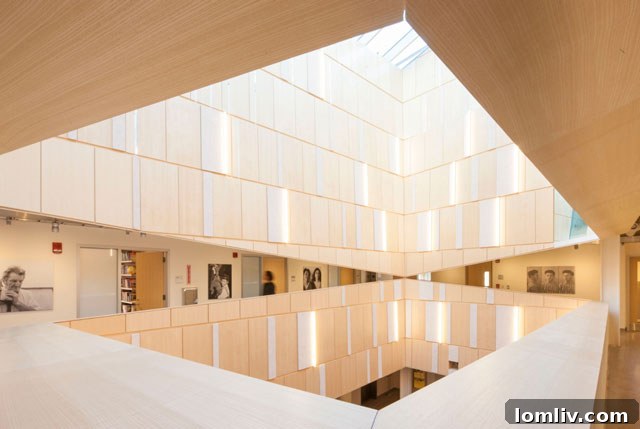
One of the most compelling examples of Sheila Kennedy’s innovative work is the comprehensive transformation of Harvard University’s Tozzer Anthropology Building in Cambridge, Massachusetts. This project perfectly encapsulates her firm’s ability to revitalize existing structures, imbuing them with renewed purpose and cutting-edge sustainability. Rather than merely updating the facility, Kennedy & Violich Architecture reimagined it as a beacon of modern, flexible academic space, demonstrating a profound respect for its heritage while boldly envisioning its future.
The Tozzer project involved a deep understanding of the building’s historical context while simultaneously introducing radical material and spatial interventions. KVA focused on creating adaptive spaces that could cater to a variety of academic functions, from quiet study areas and individual research nooks to collaborative labs and dynamic exhibition zones. This unprecedented flexibility was achieved through ingenious material choices and modular design elements, allowing the building to seamlessly evolve with the changing needs of its inhabitants and the fluid nature of contemporary academic inquiry. Furthermore, the renovation prominently integrated advanced sustainable features, such as enhanced natural light harvesting, high-efficiency insulation, and potentially even smart ventilation systems and low-impact material selections, all contributing to a significantly reduced operational energy footprint. The result is a structure that is both aesthetically stunning and environmentally responsible, setting a new, aspirational standard for academic facility renovations across the globe.
Redefining Urban Infrastructure: The East 34th Street Ferry Terminal in NYC
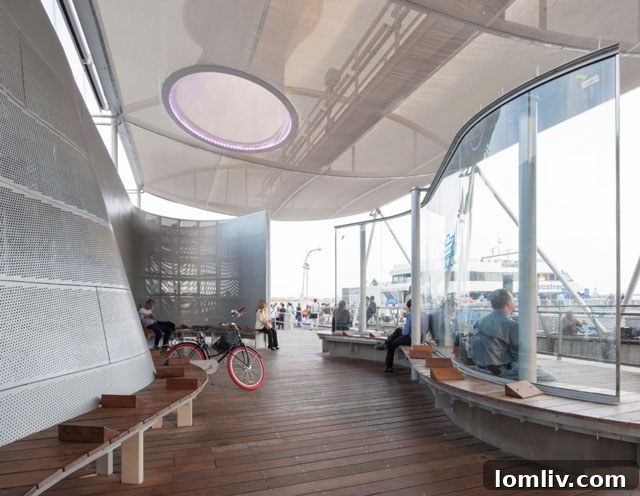
Beyond academic institutions, Sheila Kennedy’s transformative influence extends to critical urban infrastructure, as powerfully evidenced by her firm’s design of the East 34th Street Ferry Terminal interior in New York City. This pivotal project demonstrates how highly functional public spaces can be elevated through thoughtful design that prioritizes both an enhanced user experience and acute environmental consciousness. Ferry terminals, by their very nature, are dynamic hubs of constant movement and diverse human activity, requiring remarkably resilient, intuitive, and aesthetically pleasing design solutions.
For the East 34th Street Ferry Terminal, KVA meticulously employed durable, low-maintenance materials that could withstand the significant rigors of daily public use while simultaneously contributing to a comfortable, inviting, and efficient atmosphere for commuters and visitors alike. The design meticulously focused on optimizing passenger flow, integrating clear and intuitive wayfinding systems, and providing ample natural light to enhance the sense of openness and well-being. In perfect alignment with Kennedy’s overarching philosophy, the project undoubtedly incorporated sustainable elements aimed at drastically reducing energy consumption and minimizing material waste, even within the inherent constraints of a high-traffic, demanding urban setting. Such projects highlight her exceptional capacity to apply sophisticated material research and innovative design thinking to large-scale civic endeavors, proving that sustainability, high performance, and human-centric design are not exclusive to specialized buildings but are absolutely essential for all aspects of our built environment, fostering a more resilient and enjoyable urban experience.
The Dallas Architecture Forum: A Premier Platform for Architectural Discourse
The Dallas Architecture Forum serves as a vital cultural and educational institution, meticulously dedicated to advancing the understanding and appreciation of architecture, design, and the urban environment across the Dallas-Fort Worth metropolitan area and beyond. Through its esteemed lecture series, engaging panel discussions, and comprehensive educational programs, the Forum consistently brings leading architects, innovative designers, and insightful critics to Dallas, fostering a rich and critical dialogue about the future of our built world. Hosting a speaker of Sheila Kennedy’s international caliber underscores the Forum’s unwavering commitment to presenting cutting-edge ideas, stimulating intellectual curiosity, and inspiring the next generation of design professionals and enthusiastic public alike.
The upcoming Rose Family Lecture, featuring the visionary Sheila Kennedy, is poised to be a pivotal and highly anticipated event for anyone genuinely interested in the evolving landscape of contemporary architecture and its sustainable future. Attendees can anticipate a captivating and deeply informative presentation that will not only showcase KVA’s remarkable and diverse portfolio of projects but also delve profoundly into the foundational principles and philosophical underpinnings behind Kennedy’s groundbreaking work. She is likely to discuss, in detail, how architects can effectively collaborate across traditionally siloed disciplines, from material scientists and environmental engineers to urban planners and community stakeholders, to unlock revolutionary new possibilities for sustainable construction and adaptive reuse. The lecture will undoubtedly offer invaluable insights into the practical application of her extensive research, the significant challenges and triumphant successes of implementing truly innovative materials in real-world contexts, and the broader societal impact of designing adaptable, environmentally responsible, and socially conscious buildings that serve humanity for generations to come.
Event Details: Don’t Miss This Landmark Lecture
Mark your calendars for an evening of unparalleled inspiration and profound architectural insight. Sheila Kennedy will deliver her landmark lecture on Wednesday, February 28th, at 7:00 p.m. The event will commence with a welcoming check-in and reception starting promptly at 6:15 p.m., offering a valuable opportunity for informal networking and engaging pre-lecture discussion among attendees. The distinguished venue for this highly anticipated event is the magnificent Horchow Auditorium at the Dallas Museum of Art, precisely located at 1717 N. Harwood St.
Admission details are thoughtfully structured as follows:
- General Admission: $20 per lecture
- Students (with valid ID): $5 per lecture
Tickets can conveniently be purchased at the door on the evening of the event, ensuring accessibility for all interested individuals. Members of the esteemed Dallas Architecture Forum enjoy complimentary admission, reinforcing the significant value of their continued support for the Forum’s mission. Furthermore, professionals from the American Institute of Architects (AIA) can earn one valuable hour of Continuing Education (CE) credit for each lecture attended, making this an exceptionally invaluable opportunity for professional development and staying abreast of industry advancements.
This lecture is more than just an insightful presentation; it’s an immersive invitation to engage with a visionary who is actively and profoundly shaping the future of architecture and sustainable design. Whether you are a practicing architect, a passionate student, an urban planner, an ardent environmental advocate, or simply a curious member of the public interested in how intelligent design can address pressing global challenges, Sheila Kennedy’s unique insights and pioneering work will be profoundly relevant, inspiring, and thought-provoking.