Dallas, a rapidly expanding metropolitan hub, is at a critical juncture regarding its infrastructure development and long-term financial stability. A looming bond election, initially slated for May 2024, has become the subject of intense debate among city officials, council members, and the public. The core of the discussion revolves around the timing of this crucial vote, the potential inclusion of measures to address a significant pension deficit, and the city’s capacity to deliver essential infrastructure projects promptly. This situation highlights the complex interplay between urban planning, fiscal responsibility, and political considerations in managing a major city’s future.
The Community Bond Task Force, a key advisory body responsible for compiling a list of recommended projects, has expressed concerns over receiving insufficient information from city staff. This lack of data is proving to be a significant hurdle as they strive to finalize proposals for what could be a multi-billion dollar bond package. This challenge has prompted several Dallas City Council members to question the viability of the May 2024 timeline, suggesting a potential delay to November 2024. The rationale behind this proposed postponement is multifaceted, ranging from ensuring thorough project evaluation to aligning with broader electoral schedules, which could have implications for voter turnout and cost efficiency.
Adding another layer of complexity to the bond election discussion is the pressing issue of the police and fire pension fund, which faces an alarming $3 billion deficit. The possibility that the city might also seek voter approval for general obligation bonds specifically to address this pension shortfall introduces a significant “elephant in the room.” While city officials acknowledge that holding a municipal bond election concurrently with a presidential election (as would be the case in November 2024) typically incurs higher administrative costs, a delay could also disrupt the city’s meticulously planned capital improvements schedule, potentially stalling vital projects designed to enhance Dallas’s infrastructure and quality of life.
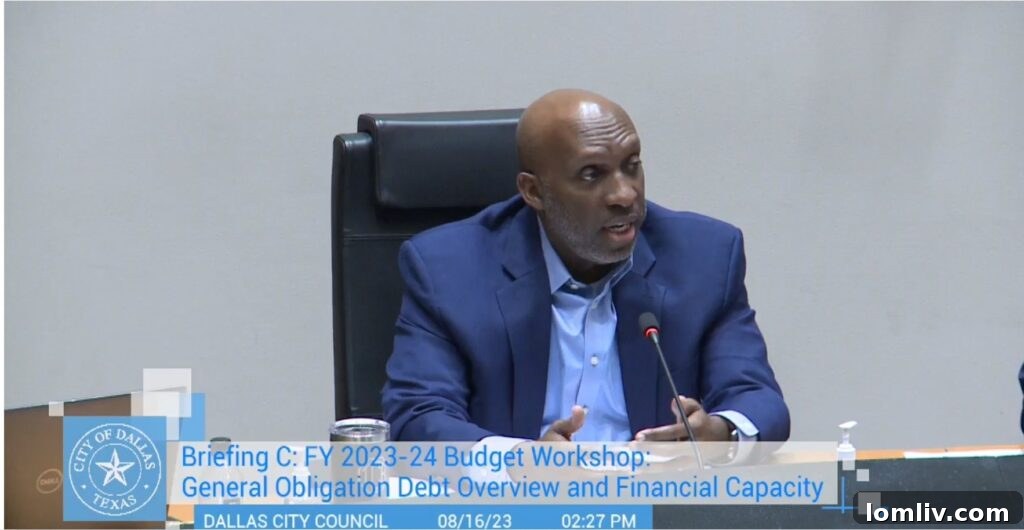
During a comprehensive six-hour meeting, Dallas City Manager T.C. Broadnax indicated his openness to delaying the election. However, he also voiced strong reservations regarding the justifications presented for such a postponement. His perspective underscores a fundamental difference in priorities and an effort to separate distinct financial challenges that, while both critical, require tailored approaches. Mayor Eric Johnson, recognizing the multifaceted nature of the discussion, proposed a future briefing from the city secretary’s office to thoroughly outline the various election dates and their associated expenses, aiming to provide a clearer financial picture for all stakeholders.

Broadnax Emphasizes Critical Distinction in Bond Election Timing
City Manager T.C. Broadnax articulated a clear distinction during Wednesday’s extensive meeting, stressing that the timing of the bond election should not be inextricably linked with the ongoing challenges of the police and fire pension deficit. He underscored that the pension issue is a complex, long-term financial problem that is unlikely to be fully resolved in the current year, nor necessarily through the issuance of bonds. Broadnax highlighted that addressing a $3 billion deficit is a multi-decade endeavor, emphasizing a planned approach over 30 years to achieve full funding in compliance with state requirements.
“We do not have to solve a $3 billion problem in five years or 10 years,” Broadnax stated, clarifying the city’s long-term strategy for pension solvency. He further elaborated, “We’re going to lay out a plan that might take 30 years to have it fully funded at whatever state requirements we have. I think the conversation around the vote and timing is a political question in some respect. I don’t think it’s really a financial question. I think that’s a little bit of a stretch to say that we shouldn’t issue bonds associated with capital … in May versus November whether it’s a $1 million election cost or we’ve got some plan pending for pensions.” His comments suggest a belief that some of the arguments for delaying the bond election are driven more by political expediency than by genuine financial necessity, particularly when considering the immediate needs for capital improvements.
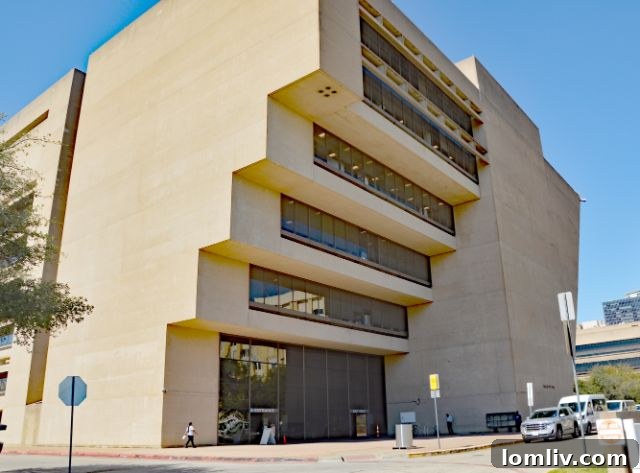
The City Manager further conveyed his understanding that the prevailing sentiment among the council and the public has been a desire to fund essential infrastructure projects without undue delay. The idea of postponing the bond election by six months was, he noted, a surprising turn for his staff, who are accustomed to prioritizing immediate action on critical city needs. Broadnax pointed to the continuous demand for infrastructure improvements from residents. “We’ll never run out of work because there’s a lot of work to do. We’ll always have a pothole to fill. We’ll always be able to do those kinds of construction projects. Even in the last two weeks, all I’ve heard from the public is, ‘When is my street going to be started?’ and it’s been on a bond program or a needs list for 20 years,” he recounted, illustrating the tangible impact of project delays on daily life in Dallas.
Broadnax expressed concern that delaying the bond election due to the pension issue could inadvertently create a public perception that other vital city needs are being neglected. He underscored the dedication of the Community Bond Task Force, acknowledging their diligent efforts despite potential delays in receiving necessary information. While recognizing these challenges, he believes the more significant hurdle will be how the task force can effectively prioritize and consolidate the vast array of city needs into a manageable $1 billion bond proposition, a task made even more complex by the city’s expanded bond capacity.
Both Broadnax and Chief Financial Officer Jack Ireland reiterated during the meeting that the feasibility of addressing the pension matter through the issuance of bonds remains uncertain. An actuary is currently conducting a comprehensive study to assess this very possibility. “At the end of the day, let’s not conflate the pension issue and the fact that we haven’t even made a decision — or even if it’s practical or reasonable to issue pension bonds — to try to not move forward with the things we know we need to have done,” Broadnax concluded, urging focus on the immediate and confirmed infrastructure requirements of the city, irrespective of the separate pension funding debate.
Dallas City Council Debates Bond Election Dates and Financial Capacity
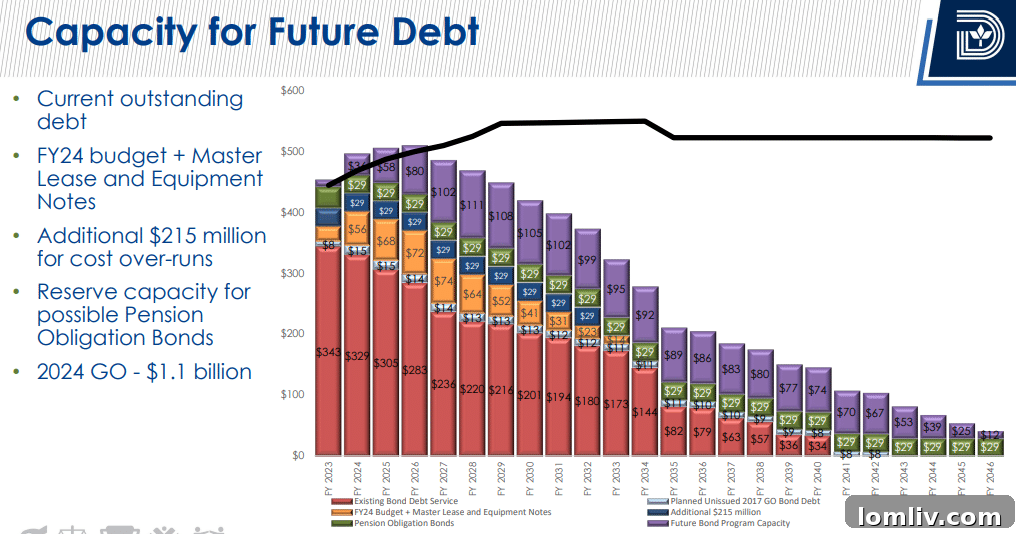
The Dallas City Council members received a detailed briefing on the 2024 bond program, which laid the groundwork for an extensive discussion on why a delayed election might be a warranted and strategic move for the city. A notable development from the briefing was the announcement that Dallas has successfully increased its bond capacity from an initial $1 billion to an impressive $1.1 billion. This expanded capacity provides greater flexibility for future capital projects, though it also raises questions about how these funds will be allocated and managed.
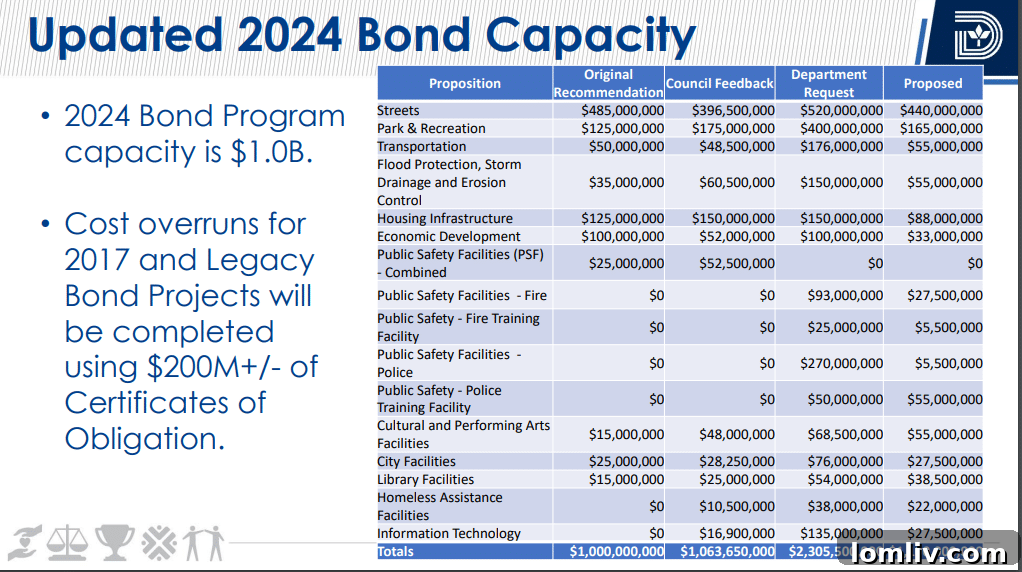
Chief Financial Officer Jack Ireland clarified that while this $1.1 billion represents the city’s maximum bond capacity, it does not automatically dictate the final figure that will be presented to voters. It merely signifies the financial latitude available to the city for various projects. This nuance is crucial as the council considers the optimal size and scope of the bond package. Council members Adam Bazaldua, Cara Mendelsohn, Paula Blackmon, and Gay Donnell Willis collectively voiced their inquiries regarding the rationale behind holding the bond election in May rather than aligning it with the November 2024 general election, which typically sees higher voter turnout.
Council member Willis encapsulated the sentiment of caution, stating, “I just think we need to be very thoughtful in not rushing this. We’ve got the pending bond election but then we’ve also got this police and fire obligation bond.” Her comment highlights the dual pressure points: the regular capital bond program and the potential necessity for additional bonds to address the significant police and fire pension deficit. Council member Mendelsohn echoed these concerns, sharing feedback from her appointees on the bond task force. “They feel very rushed and they have asked questions of staff that they have not yet gotten answers to,” she reported, underscoring the task force’s struggle to provide comprehensive recommendations without adequate information. Mendelsohn further suggested that “slowing this down a little bit will allow us to actually have some accurate numbers for our pension,” implying that a delay could lead to a more informed and fiscally responsible decision-making process for both bond packages.
Dallas City Budget Workshop: Charting the Fiscal Future
Wednesday’s city council briefings commenced with an in-depth focus on City Manager T.C. Broadnax’s proposed $4.63 billion recommended budget for the upcoming fiscal year. This comprehensive financial plan is predicated on a property tax rate of 73.93 cents per $100 of assessed valuation, a figure that directly impacts Dallas homeowners and businesses. City staff provided a detailed overview of employee benefits for the city’s extensive workforce of over 16,000 individuals, outlining the significant expenditures involved in maintaining a competitive and supportive employment environment. Additionally, they reviewed the crucial timeline for the budget adoption process, setting the stage for subsequent discussions and public input.
The city has scheduled a public hearing for August 23, providing residents with an essential opportunity to voice their perspectives on the proposed budget. Following this, further budget workshops are planned for August 30 and September 6, allowing council members to delve deeper into specific budgetary allocations and potential amendments. The culminating event in this fiscal planning cycle is slated for September 20, when the council is expected to officially adopt the budget and finalize the property tax rate for the fiscal year commencing October 1. In the interim period, council members will actively propose amendments to Broadnax’s recommended budget, reflecting their priorities and feedback from their constituents.
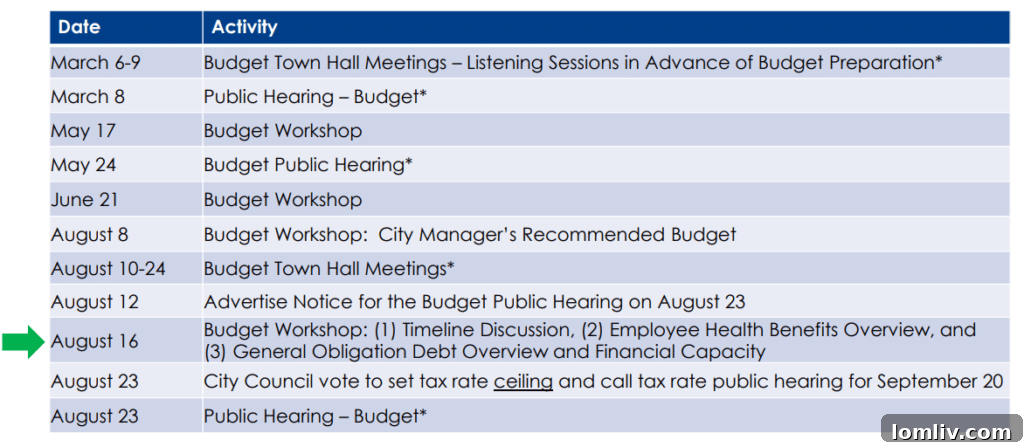
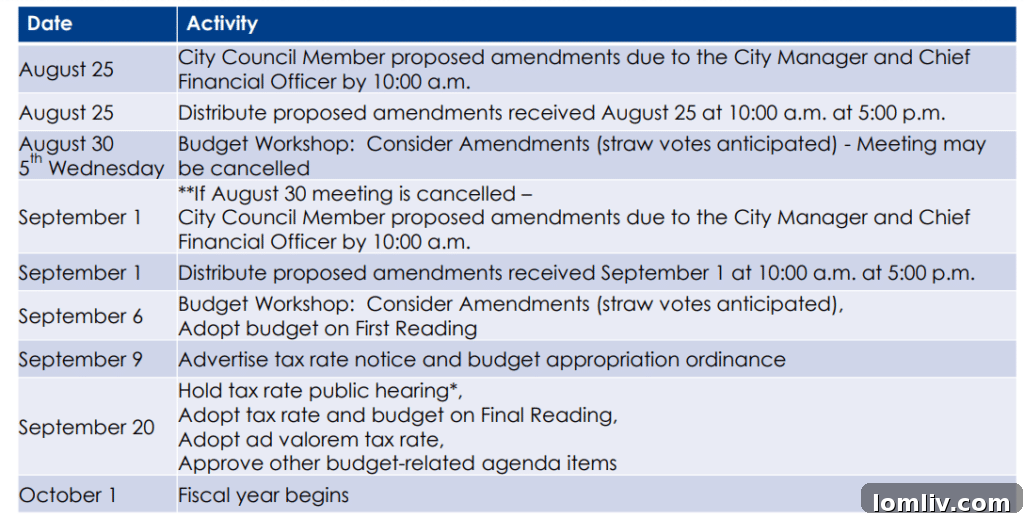
During the recent workshop, the presentation was strictly confined to the timeline and procedural aspects of the budget process, meaning council members were not permitted to ask questions about the substantive content of the proposed budget document itself. This constraint followed a previous meeting where numerous questions regarding public safety, cybersecurity, and housing, among other topics, had been raised but remained unanswered. CFO Ireland assured the council that comprehensive answers to these pending questions would be provided via memo later in the week, ensuring that all concerns are addressed before final budget approval.
Complementing the budget discussions, Wednesday’s briefings also included a vital examination of the city’s financial capacity and general obligation debt. This segment provided a crucial insight into Dallas’s overall fiscal health and its ability to undertake future investments without jeopardizing long-term stability.
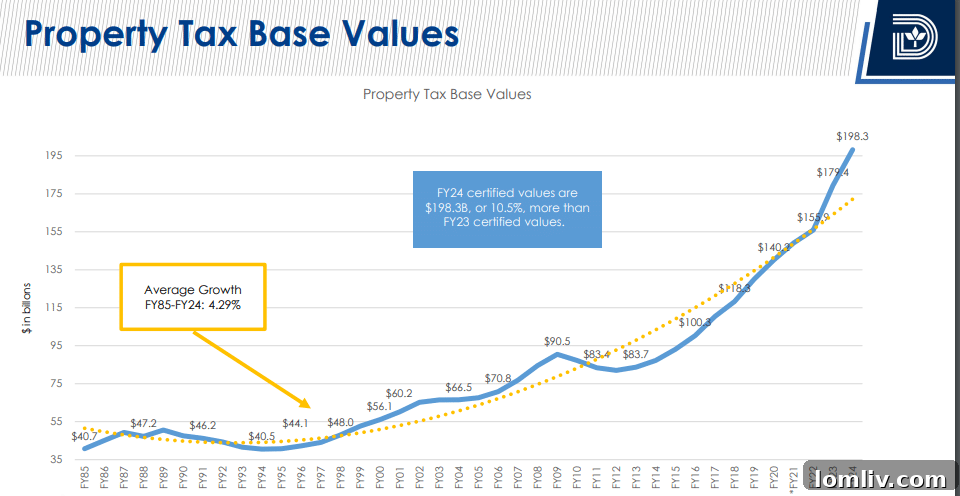
As of September 2023, the current outstanding debt for the City of Dallas stands at $2.2 billion, as reported by CFO Ireland. The debt service expense projected for Fiscal Year 2024 is a substantial $342.9 million, which comprises $253.1 million in principal payments and $89.8 million in interest. This figure, as Ireland explained, encompasses various forms of previously issued obligations, including general obligation bonds, certificates of obligation, equipment notes, and critical pension obligation bonds. Understanding this debt structure is paramount for the council as they deliberate on new bond proposals and budget allocations, ensuring that new financial commitments are sustainable within the city’s existing fiscal framework. The next opportunity for Dallas residents to weigh in on the proposed budget and these critical financial decisions is at a public hearing scheduled for Wednesday, August 23, at 9 a.m.