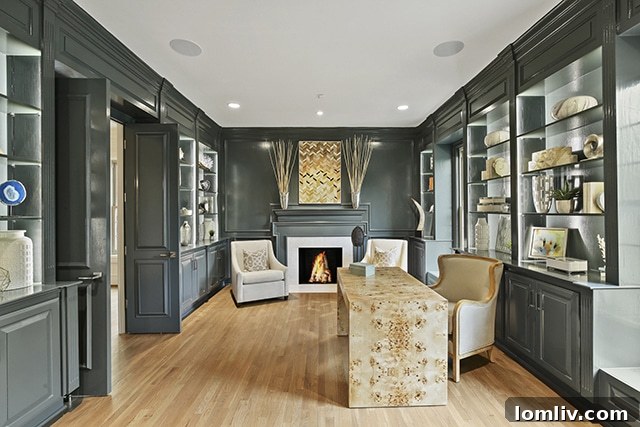
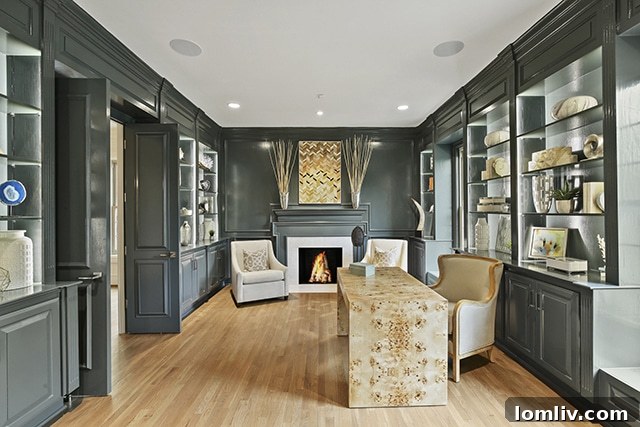
The landscape of the luxury home building industry experienced an unprecedented shift during a period of global disruption, prompting leaders like Mark Molthan, a renowned luxury homebuilder and founder of Platinum Series Homes, to navigate uncharted territories. Describing the initial phase, Molthan recalled it as “weird, almost surreal.” He observed a striking dichotomy: “On the job site, everything seems normal. Everyone’s working. But then you leave, you turn on the news, and suddenly you’re in this anxiety-fueled environment.” This sentiment encapsulated the unique challenges faced by the Dallas home builders and the broader residential construction sector as they grappled with maintaining momentum amidst widespread uncertainty.
Despite the external turbulence, Platinum Series Homes demonstrated remarkable resilience, largely due to its proactive adoption of advanced technological solutions. Molthan emphasized, “We’ve been set up for this for a long time. Every plan, every document, can be accessed anytime, from anywhere.” This digital infrastructure proved invaluable, enabling the entire team to seamlessly transition to remote work environments without significant operational hitches. The ability to access critical information and collaborate virtually ensured that construction projects continued largely unimpeded. Even more surprisingly, the immediate supply chains for existing builds remained largely unaffected, a testament to robust planning and established relationships within the industry. Molthan reflected on this paradox, stating, “In one respect, it’s been business as usual. But on the other hand, I’m able to walk down the middle of Preston Road during the day. In 21 years, I’ve never seen anything like this.” This vivid imagery underscored the profound societal changes occurring concurrently with the construction sector’s continued activity.
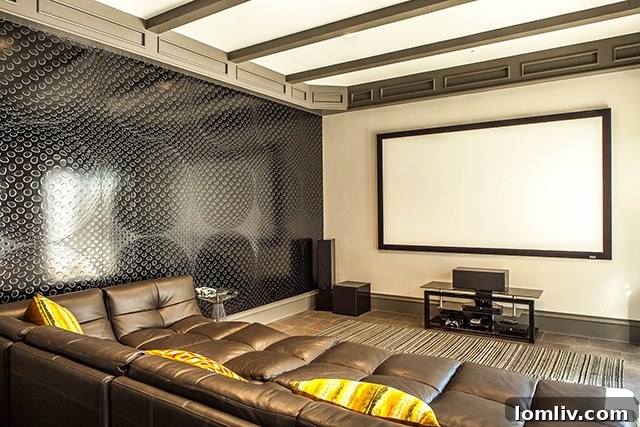
While ongoing projects showed surprising stability, securing new orders and managing the design and selection phases presented a fresh set of hurdles for luxury home builders. Showrooms, once bustling hubs of activity, were forced to operate by appointment only, inevitably impacting clients in the crucial selection or design stages. Mike Turner, founder of Classic Urban Homes, a prominent Dallas builder known for its custom designs, candidly admitted to observing “some skittishness” among clients and suppliers. A significant concern revolved around global supply chains, particularly for products sourced from overseas. “Some of my suppliers are concerned about product coming from overseas, like tile and lighting and plumbing fixtures,” Turner noted, adding, “It’s going to be interesting for some time.” This foresight highlighted the fragility of international trade routes and the potential for delays that could ripple through the luxury home construction process.
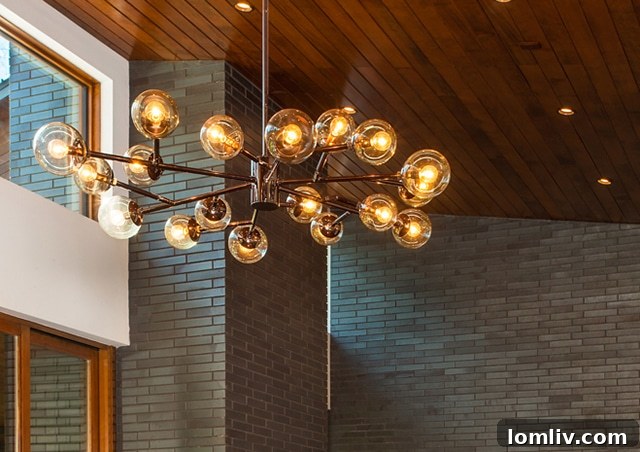
Despite these looming uncertainties regarding product availability and client engagement, a critical decision by local authorities provided a much-needed boost to the industry. Dallas County Judge Clay Jenkins’ designation of residential construction as “Essential Critical Infrastructure” was a pivotal moment. This classification allowed home builders to continue operations, safeguarding jobs and ensuring the progress of vital projects. For Mike Turner, whose Classic Urban Homes had four houses actively under construction, this declaration meant his crews could remain as busy as ever. This continuity was a lifeline, not just for the businesses involved but also for the many skilled tradespeople employed in the sector. Turner vividly captured the scene: “You know construction is alive and well when there aren’t many cars on the road, but you’re still seeing a lot of trucks.” This observation painted a clear picture of an industry determined to forge ahead, providing essential services and contributing to the local economy even as other sectors paused.
Beyond the on-site work, administrative processes such as securing permits also required adaptation. Fortunately, these processes largely managed to circumvent the most severe disruptions, albeit with newly implemented protocols. The Oak Cliff Municipal Center, for instance, introduced CDC guidelines to ensure safety. Turner described the experience: “If you do go down there, everyone is spread out and practicing social distancing.” However, the inspection phase presented a more complex challenge. Traditional in-person inspections raised questions about safety and feasibility in a prolonged period of caution. Turner pondered innovative solutions, suggesting, “If this thing continues, we may have to look for other options, like using FaceTime or third-party inspectors.” These discussions underscored the industry’s readiness to embrace technological alternatives and modify long-standing practices to ensure project compliance and safety.
The ability of veteran builders like Mark Molthan and Mike Turner to find silver linings and adapt during such an unsettling and uncharted period is a testament to their leadership and resilience. For Turner, a past president of the Dallas Builders Association, a significant upside was witnessing and participating in an industry-wide effort to preserve as much normalcy as possible. “Social media has been a valuable tool in getting the word out on a daily basis,” he stated, highlighting the importance of clear communication. “It’s letting people know what they can and can’t do—and for now, they can keep on working.” This collaborative spirit and transparent communication played a crucial role in maintaining morale and operational clarity within the Dallas residential construction community.
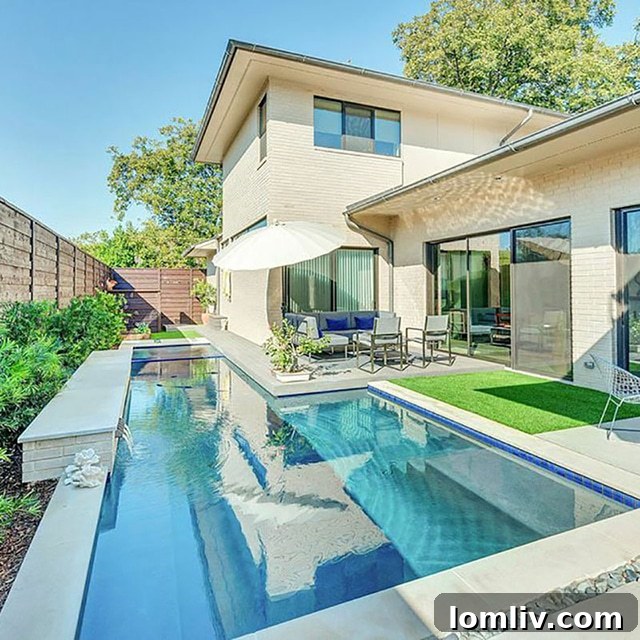
For Molthan and Platinum Series Homes, the positive feedback from clients offered a profound sense of purpose amidst the chaos. He shared, “It’s hearing that clients are grateful to be spending their Shelter-in-Place in one of our properties.” This feedback resonated deeply, highlighting the intrinsic value of luxury homes during times of heightened domestic focus. Clients, even when confined to their residences, found solace and functionality in the carefully designed spaces. “They may have to stay home, but there are lots of amenities,” Molthan added, underscoring how thoughtfully integrated features elevated the living experience.
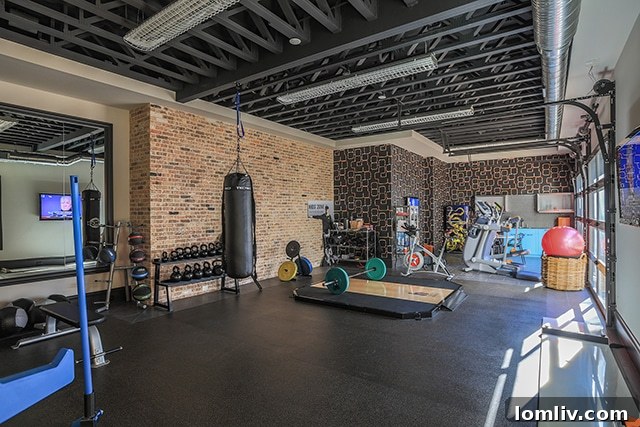
This period significantly accelerated evolving trends in luxury home design, underscoring the shift in what homeowners truly value. The concept of a “shelter-in-place” transformed homes into multifaceted sanctuaries, demanding more than just aesthetics. Dedicated home office spaces became non-negotiable, requiring sophisticated connectivity and ergonomic design. State-of-the-art home gyms and wellness zones surged in popularity, allowing residents to maintain physical and mental well-being without external dependency. Expansive outdoor living areas, complete with gourmet kitchens, fire pits, and comfortable seating, were re-evaluated as essential extensions of the indoor living space, providing crucial opportunities for fresh air and recreation. Smart home technology, already on the rise, saw increased demand for features that enhanced comfort, security, and efficiency, making daily life easier and more connected. These features, once considered luxuries, transitioned into essential components of modern luxury living, influencing every aspect of new home construction and design. The crisis, therefore, not only tested the resilience of luxury home builders but also reshaped client expectations, pushing the industry towards more functional, adaptable, and amenity-rich residences designed for a new era of home-centric living. The adaptability and foresight demonstrated by Dallas’s leading luxury home builders ensure they remain at the forefront of this evolving market, continually innovating to meet the dynamic needs of discerning homeowners.