For residents living in the immediate vicinity of Dallas Love Field, the persistent drone of aircraft is more than just background noise; it’s a significant disruption to daily life. This week, the Dallas Love Field Environmental Advisory Committee (EAC) offers a vital platform for these affected community members to voice their deep-seated concerns regarding noise pollution emanating from the city-owned airport. This rare, quarterly gathering represents a crucial opportunity for dialogue between local residents and airport authorities, highlighting an ongoing struggle for peace and quiet in some of Dallas’ most established neighborhoods.
Over the past year, numerous residents from communities such as Briarwood, Bluffview, Love Field West, Elm Thicket, and even the affluent town of Highland Park, have reached out to daltxrealestate.com, detailing the profound impact of constant aircraft operations. The incessant take-offs and landings, often occurring at all hours of the day and night, have rendered simple domestic activities challenging, if not impossible. Many report an inability to concentrate while working from home, transforming once-peaceful home offices into noisy, unproductive environments. Social gatherings, once a staple of neighborhood life, are now frequently interrupted by the roar of jets, making dinner parties and conversations a frustrating endeavor. For some, the situation has become so unbearable that the drastic measure of relocating is being seriously considered, underscoring the severity of the problem and its direct threat to residential quality of life.
Randall Turner, a long-term resident of Highland Park, encapsulates the community’s frustration with his concerns about the “persistent and excessive noise” from both commercial and general aviation. His particular focus lies on the Lemmon Avenue runway, a critical artery for much of the airport’s traffic. Turner, an active advocate for his neighbors, articulated a sentiment shared by many in an email: “Regardless of which runway you live by, we all hear and are negatively impacted by excessive jet noise.” He further challenges a common assertion from airport management, stating, “Management has wrongly stated that the FAA controls all airport issues. City governments in the U.S. can and do control urban airport noise and have relocated airports.” This statement highlights a key point of contention and a perceived lack of accountability, suggesting that local authorities possess more power to mitigate noise than they often claim.
This critical forum, the Dallas Love Field Environmental Advisory Committee meeting, is scheduled for Thursday, July 13, at 6 p.m. The meeting will be held at the Maurice Rayshun Smith Administration Building, located at 7555 Lemmon Ave., offering a direct and accessible venue for affected residents to present their cases and engage with decision-makers. The outcome of these discussions holds significant weight for the future livability of neighborhoods surrounding Dallas Love Field.
Understanding and Addressing Aircraft Noise: The Airport’s Stance and Initiatives
The issue of aircraft noise at Dallas Love Field is not new, but the level of community engagement and the airport’s response mechanisms are continually evolving. The leadership at Love Field has recently undergone transitions, with former Aviation Director Mark Duebner retiring in November. Since his departure, Patrick Carreno has been serving as the interim director, guiding the airport through this period of change and ongoing community dialogue.
According to Lauren Rounds, a spokesperson for Love Field, the search for a permanent Aviation Director is actively progressing. She confirmed that a group of finalists for the coveted position has been identified, and the City’s contracted search firm anticipates concluding its search within the next couple of weeks. The appointment of a new director is a critical development, as the individual will inherit the responsibility of balancing the airport’s operational demands with the environmental concerns of its neighbors, including the pervasive issue of noise pollution.
Prior to his retirement, former Director Duebner unveiled a strategic plan for significant upgrades and the renewal of crucial lease agreements, many of which are set to expire in 2028. These developments underscore the airport’s long-term operational vision and the importance of addressing community concerns as part of its future planning. Airport leadership has openly acknowledged the rising tide of noise complaints, and in response, has implemented several measures aimed at mitigation and engagement.
Beyond the quarterly Environmental Advisory Committee meetings, which also encompass vital topics such as wildlife management around the airport, Love Field has actively partnered with various governing agencies, including the Federal Aviation Administration (FAA). This collaborative effort has seen airport and agency representatives meet directly with residents to discuss the specifics of the current noise abatement program. “Those meetings have concluded, and the applicable agency teams are working to reshape the program,” Rounds confirmed. This ongoing revision suggests a proactive approach to developing more effective and responsive solutions, with a commitment to sharing updates with neighbors and other stakeholders once the new program details are finalized.
For residents keen to stay informed, the environmental team at Love Field distributes a monthly “noise dynamic newsletter” via email. This newsletter is a valuable resource, containing relevant data, updates on upcoming events, and news pertinent to aircraft noise at Dallas Love Field. To subscribe and receive these timely updates, interested residents can simply send an email to [email protected]. This initiative underscores the airport’s commitment to transparency and sustained communication with its surrounding communities.
The official stance, as articulated on the Love Field website, acknowledges the complex balance required: “Love Field is located in a noise-sensitive area of the city near residential neighborhoods, which are essential in their role of providing economic, social, and cultural stability for the city.” The statement further emphasizes the airport’s commitment to responsible operation: “It is important that the airport be operated in a manner that allows it to fulfill its vital role of attracting business to Dallas while protecting and preserving the quality of life in the surrounding neighborhoods. In order to balance these needs, the City of Dallas has adopted policies, which not only recognize Love Field’s importance to the Dallas community but also establish a noise reduction goal to reduce the impact of the airport’s operations on the neighborhoods.” This declaration outlines the inherent challenge of integrating a busy urban airport with its residential surroundings and highlights the ongoing efforts to achieve harmony.
The Escalating Challenge of Noise Pollution: Historical Context and Community Advocacy
The current levels of noise pollution at Dallas Love Field are, for many residents, unprecedented and directly linked to significant operational changes over the past decade. Randall Turner, a vocal community advocate, has actively encouraged his neighbors to engage directly with city officials, stressing the urgent need for action. His deep commitment to improving the local environment extends back years, evident in a master plan he developed 15 years ago. This ambitious proposal envisioned a transformative “Love Field riverwalk,” aiming to convert the airport into a “city within a city” – a concept that, while innovative and gaining some traction among municipal leaders and the development community, ultimately did not materialize due to lack of support from key stakeholders, notably Southwest Airlines.
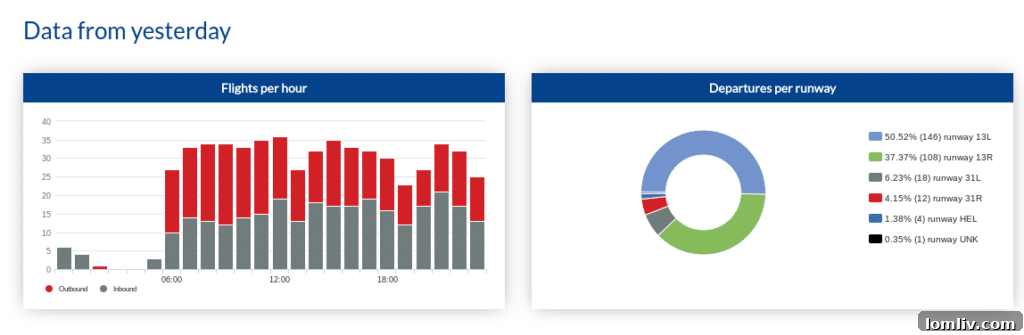
Turner points to a pivotal moment in Love Field’s history as a primary driver of the current noise crisis: the expiration of the Wright Amendment. This legislative act, which had long restricted long-haul flights from Love Field, effectively opened the floodgates for increased air traffic and expanded operations. “The airport, since the Wright Amendment expired, has created so much more harmful noise pollution, with many more gates,” Turner asserts. He also highlights a specific “nuisance bonus” related to the Lemmon Avenue corridor: “Many jetports line Lemmon Avenue. Many of those jets do not have ‘hush kits’ and some are louder than commercial aviation jets.” This observation reveals a critical technical aspect of the problem – the presence of older, noisier aircraft lacking modern noise reduction technologies, exacerbating the impact on adjacent residential zones.
The impact of this “constant drone” of aircraft is profound, gravely affecting the quality of life for all those residing in the proximity of the airport. The relentless auditory assault disrupts sleep patterns, impacts children’s learning environments, and generally diminishes the peace and tranquility that residents expect in their homes. To address this, Turner has made a direct plea to aviation staff, advocating for a more equitable distribution of flights between the Lemmon and Denton runways. This particular concern is a crucial point that is highly likely to feature prominently in discussions at Thursday’s Environmental Advisory Committee meeting.
Turner articulated his conviction clearly: “It is disconcerting that the majority of the traffic is channeled through the Lemmon Avenue runway, significantly increasing the noise pollution in all our residential areas.” His proposal for a more balanced approach is rooted in fairness and practical mitigation: “I strongly believe there should be a fair distribution of flights between the Lemmon Avenue and Denton runways.” Implementing such a strategy could potentially alleviate the concentrated noise burden on specific neighborhoods, spreading the impact more evenly and offering much-needed relief to those currently most affected. This proactive solution represents a tangible step towards harmonizing airport operations with the well-being of the Dallas community. The ongoing dialogue at the EAC meetings, therefore, becomes not just a forum for complaints, but a critical crucible for forging actionable solutions to this enduring challenge.