
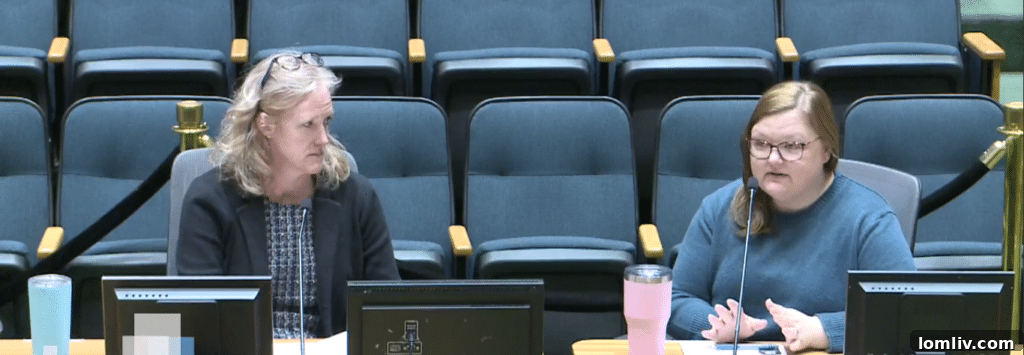
Dallas stands on the cusp of an unprecedented era of growth, with city leaders keenly focused on transforming its economic landscape. At the heart of this ambition lies the Dallas Economic Development Policy (EDP), a robust framework designed to foster streamlined incentives, cultivate diverse housing options, and ensure inclusive prosperity across all communities. One year after its pivotal implementation, the city’s Economic Development Director, Robin Bentley, and Assistant Director, Heather Lepeska, presented a comprehensive update to a council committee earlier this month, signaling readiness to translate policy into tangible, impactful results for the thriving metropolis.
This forward-thinking 10-year policy, meticulously crafted with the expertise of consultants from HR&A Advisors, received its official approval in January 2023. It represents a strategic pivot for Dallas, moving beyond traditional economic growth models to embrace a more equitable and sustainable vision. The EDP isn’t merely a document; it’s a commitment to reshaping Dallas into a city where economic opportunities are accessible to everyone, and where growth is balanced with community needs.
Addressing the Economic Development Committee on January 9, Heather Lepeska underscored the policy’s fundamental principle: “The EDP proactively addresses economic inequalities and outcomes in historically underserved areas.” This proactive stance is crucial for a city as diverse as Dallas, aiming to dismantle barriers and build bridges to opportunity. Lepeska elaborated on the ambitious yet vital goals, which include fostering inclusive prosperity, ensuring equitable access to employment, expanding economic opportunity for all residents and businesses, and creating a more diverse and affordable housing market.
These objectives are not isolated but interconnected, forming a holistic approach to urban development. Inclusive prosperity, for example, goes beyond mere job creation; it involves nurturing an ecosystem where small businesses can thrive, where residents have pathways to higher-paying jobs, and where wealth creation is distributed more broadly. Equitable access to employment means investing in workforce development programs tailored to the needs of various communities, ensuring that residents possess the skills demanded by Dallas’s evolving economy. Expanding economic opportunity entails attracting diverse industries and supporting local entrepreneurship, while a focus on housing aims to alleviate the burden of affordability and provide stable living environments crucial for economic participation.
Dallas: A Global Economic Player – Vision and Challenges
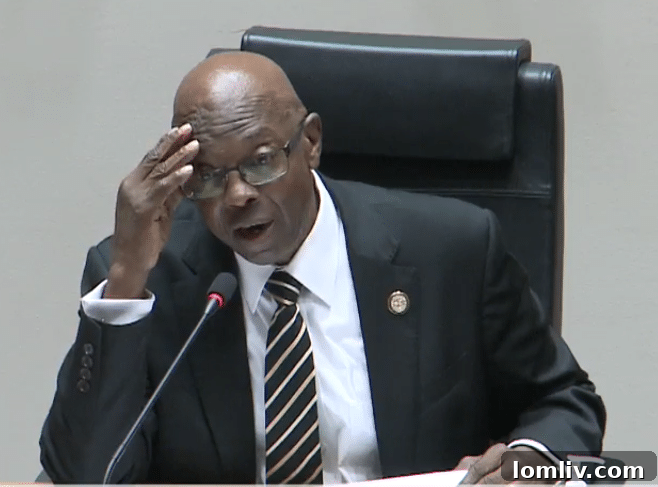
Economic Development Committee Chairman Tennell Atkins articulated a bold vision for Dallas, asserting that the city must cultivate robust strategies for recruiting new businesses as it solidifies its position as a global leader in corporate America. Atkins’ insights highlight the competitive nature of modern urban economies, where cities constantly vie for talent, investment, and innovation. However, he also pointed to a significant hurdle: Dallas lags behind many peer cities in economic development funding. While other major municipalities often allocate a portion of their sales tax — sometimes as much as 1 cent — to a dedicated Economic Development Corporation (EDC), Dallas directs these funds primarily to Dallas Area Rapid Transit (DART).
This difference in sales tax allocation presents a unique challenge, potentially limiting the city’s capacity to offer highly competitive incentive packages crucial for attracting large-scale corporate relocations or fostering significant local expansions. Chairman Atkins emphasized the imperative for the Economic Development Department to creatively navigate these funding structures, collaborating seamlessly with other city divisions to maximize impact. He firmly believes that “we can build a good enough incentive [plan] to build our neighborhoods,” advocating for smart, strategic investments that yield long-term benefits.
Atkins further stressed the indivisible link between the Economic Development Policy and other critical city frameworks, particularly housing and infrastructure policies. “That’s why the Economic Development Policy is great to [support] the housing policy and the infrastructure policy,” he noted. The message is clear: robust economic growth cannot occur in a vacuum. A thriving business environment requires not only a skilled workforce but also modern, reliable infrastructure that supports both commerce and quality of life. Without adequate infrastructure, from efficient transportation networks to essential utilities, businesses are hesitant to invest, and residents face daily challenges. “We lack infrastructure. People are not going to go where you have bad infrastructure,” Atkins stated, underscoring the urgency of comprehensive infrastructural improvements to unlock Dallas’s full economic potential.
Economic Development Policy Initiatives: A Roadmap to Growth
The Dallas Economic Development Policy is a comprehensive blueprint, detailing an impressive 86 distinct action items designed to propel the city forward. According to Lepeska, this ambitious roadmap is well underway: a significant 6 percent of these actions have already been adopted, nearly 70 percent are actively in progress, and 22 percent represent ongoing, sustained efforts. This multifaceted approach ensures that every aspect of economic growth, from attracting major corporations to empowering local entrepreneurs and enhancing community well-being, is systematically addressed.
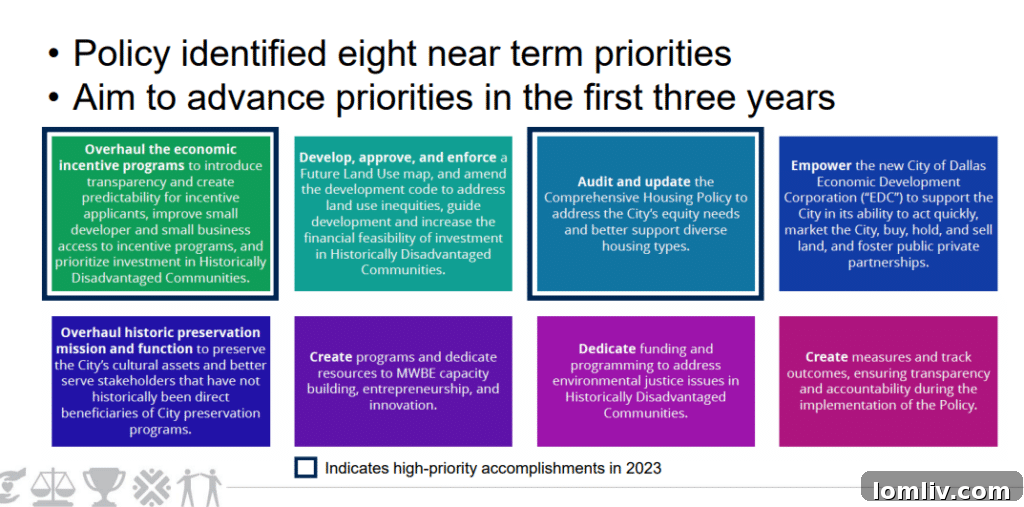
The EDP outlines several pivotal initiatives, each crafted to bolster Dallas’s competitive edge and foster an equitable urban environment:
- Overhaul Economic Incentive Programs: This initiative aims to streamline and modernize Dallas’s economic incentive offerings. The goal is to make these programs more attractive, transparent, and performance-based, ensuring that public investments yield maximum returns in terms of job creation, capital investment, and community benefits. This overhaul will also likely focus on ensuring incentives are equitably distributed and accessible to a wider range of businesses, not just large corporations.
- Develop, Approve, and Enforce a Future Land Use Map: A strategic land use map is vital for guiding responsible urban development. This initiative will establish clear guidelines for future growth, protecting residential neighborhoods, promoting mixed-use developments, and ensuring that Dallas expands in a well-planned and sustainable manner, preventing haphazard sprawl and preserving quality of life.
- Audit and Update the Comprehensive Housing Policy: Recognizing that affordable and diverse housing is fundamental to economic stability, this initiative involves a thorough review and update of the existing housing policy. The audit will identify gaps and opportunities to create more housing options across all income levels, address affordability challenges, and ensure equitable access to quality housing throughout the city.
- Empower the Economic Development Corporation to Buy and Sell Land and Foster Public-Private Partnerships: Granting the newly established EDC the authority to acquire and dispose of land strategically is a game-changer. This power will enable the EDC to assemble sites for major development projects, facilitate strategic redevelopments, and catalyze public-private partnerships that might otherwise be unfeasible, thereby accelerating key economic and community initiatives.
- Overhaul the City’s Historic Preservation Mission and Function: This initiative seeks to balance Dallas’s rapid growth with the preservation of its rich heritage. An updated historic preservation strategy will ensure that culturally significant sites are protected and integrated into the city’s future, contributing to its unique character and fostering cultural tourism, while still allowing for thoughtful, modern development.
- Create Programs and Dedicate Resources to Minority or Women-owned Business Enterprise (MWBE): Fostering an inclusive economy means actively supporting minority and women-owned businesses. This initiative will develop dedicated programs, provide access to capital, offer technical assistance, and create procurement opportunities to ensure MWBEs are integral drivers of Dallas’s economic growth, reflecting the city’s diverse population.
- Dedicate Funding and Programming to Address Environmental Justice Issues: Environmental justice focuses on ensuring that all communities, regardless of socio-economic status, have equal protection from environmental hazards and equal access to environmental benefits. This initiative will allocate resources to mitigate environmental disparities, improve air and water quality in underserved areas, enhance access to green spaces, and promote sustainable practices that benefit all residents.
- Create Measures and Track Outcomes, Ensuring Transparency During the Implementation of the Economic Development Policy: Accountability and transparency are paramount. This initiative commits to establishing clear metrics, regularly monitoring progress, and publicly reporting on the outcomes of the EDP. This ensures that the policy remains dynamic, responsive, and accountable to Dallas residents, fostering public trust and guiding future adjustments.
On the critical front of housing, Lepeska provided a notable update: late last year, the Dallas City Council initiated a process to identify Equity Strategy Target Areas. This strategic move aims to prioritize investments in naturally occurring affordable housing (NOAH) and aging Low-Income Housing Tax Credit (LIHTC) developments, crucial assets for maintaining housing affordability. The long-awaited target areas were officially announced recently, and as daltxrealestate.com reported, they are strategically concentrated exclusively in southern Dallas. This deliberate focus underscores the city’s commitment to addressing historical inequities and concentrating resources where they are most needed, ensuring that revitalization efforts benefit residents who have often been overlooked.
Leadership at the Helm: Economic Development Corporation Chief Executive Officer Search
The effective implementation of the Dallas Economic Development Policy hinges significantly on strong leadership, particularly within the newly constituted Economic Development Corporation (EDC). Recognizing this, the EDC formally engaged Korn Ferry, a global organizational consulting firm renowned for executive search, in September to spearhead the hunt for the panel’s inaugural Chief Executive Officer. This pivotal role is designed to provide the strategic direction and operational acumen necessary to translate the EDC’s ambitious mandate into tangible economic benefits for Dallas.
The rigorous selection process is advancing swiftly. The initial round of interviews has been successfully completed, and anticipation is building for the imminent announcement of the new CEO. Director Bentley confirmed that, as of her update, no finalists had been publicly named, maintaining the integrity of the selection process. The 15-member EDC board of directors, representing a diverse cross-section of Dallas’s business and community leaders, is currently conducting a crucial second round of interviews this week. This comprehensive approach ensures that the chosen leader possesses the vision, experience, and collaborative spirit required to drive Dallas’s economic agenda forward. “They are anticipating having someone on board, hired, and ready to roll within this quarter,” Bentley stated, signaling the final stages of this significant appointment. “They’re almost at the end point of that decision,” she added, emphasizing the urgency and importance placed on installing a leader who can hit the ground running.
The CEO’s role will be multifaceted, encompassing everything from actively recruiting new businesses and fostering local expansions to forging strategic public-private partnerships and ensuring the equitable distribution of economic benefits. This leader will be instrumental in positioning Dallas as a premier destination for investment, innovation, and talent, driving the city’s economic engine while upholding the principles of inclusive prosperity outlined in the EDP.
A Call for Aggressive Growth: Dallas’s Proactive Economic Strategy

Amidst the structured plans and policy updates, Deputy Mayor Pro Tem Carolyn King Arnold voiced a passionate call for a more aggressive, proactive approach from the Economic Development Department. She emphasized the need for what she termed “the hustle” – an energetic and persistent outreach strategy that goes beyond simply waiting for businesses to approach the city for incentives. “We’ve got to come up with a strategy where we have enough staff to do what I call the hustle,” she asserted, advocating for a shift towards active recruitment and relationship-building.
Arnold’s vision involves a dedicated team that doesn’t just cater to the “biggest peach in the basket” but actively seeks out and supports smaller, emerging businesses and those in underserved communities who may not realize the resources available to them. “It’s easy for those who have money to come to us and look for incentives. We need to be able to find out who else we can help that may not know that they can come to us and that we’re willing to talk to them [even though] they’re not the biggest peach in the basket,” she explained. This proactive engagement is crucial for fostering a truly inclusive economy where growth opportunities are extended to all segments of the business community, regardless of their current scale or visibility.
Illustrating the real-world impact of this philosophy, Arnold highlighted a persistent challenge in her District 4: the difficulty in recruiting a grocery store. This struggle points to broader issues of food deserts and inadequate access to fresh, healthy food options, which directly impact residents’ quality of life and health outcomes. “Our people want fresh food and they want fresh selections,” she stated, underscoring a fundamental community need that transcends purely economic metrics.
Her advocacy extends to a holistic understanding of community well-being. “I just keep pushing for an aggressive hustle, a No. 1 championship team in addition to what we have, to go out and find what we need,” Arnold declared. This proactive team would focus not just on business recruitment but on addressing fundamental needs that contribute to a high quality of life for all Dallas residents. “We need housing, we need healthcare … and we need to feed our people so they’ll have quality of life.” Her impassioned plea reinforces the idea that true economic development is inextricably linked to social well-being, demanding a comprehensive strategy that prioritizes the fundamental needs of the city’s diverse population. As Dallas moves forward, the synergy between robust economic policies and community-centric approaches will be key to realizing its vision of an equitable, prosperous, and vibrant future.