For a city with global aspirations and a booming economy, Dallas faces a significant challenge in its quest to be recognized as truly world-class, especially concerning its efficiency and the quality of its public services. A recent comprehensive report by WalletHub, a leading personal finance website, sheds light on this very issue, ranking 149 of the largest cities in the United States. The study, meticulously designed to identify the best-run cities, compared 36 diverse metrics, compiling them into a crucial “Quality of Services” score. This score was then measured against each city’s per-capita budget to determine overall efficiency and how effectively taxpayer money is utilized to provide essential urban services.
The findings from WalletHub’s analysis present a compelling narrative for Dallas. While several Texas cities struggled to break into the top 20, Dallas’s performance places it considerably behind many of its counterparts within the Lone Star State. Specifically, Dallas ranked 98th, lagging notably behind El Paso (48th), Corpus Christi (50th), Fort Worth (54th), Arlington (75th), Garland (84th), Houston (85th), San Antonio (90th), and Austin (95th). Although Dallas did manage to surpass Lubbock (107th) in this extensive field, its overall position as a major metropolitan hub raises pertinent questions about governance, resource allocation, and the efficacy of its public service delivery.
Understanding the Metrics: How Cities Are Judged
WalletHub’s “Best-Run Cities” study is not merely a popularity contest; it’s a sophisticated analysis built upon a foundation of six critical categories, each representing a vital pillar of urban functionality and resident well-being. These categories include: 1) Financial Stability, 2) Education, 3) Health, 4) Safety, 5) Economy, and 6) Infrastructure and Pollution. Each of these broad areas is further broken down into numerous specific metrics, offering a granular view of a city’s performance. For instance, Financial Stability considers factors like a city’s credit ratings and its long-term debt per capita, which are crucial indicators of fiscal health.
The Education category evaluates the quality of public school systems, high school graduation rates, and access to higher education opportunities. Health examines public hospital system quality, health insurance coverage, and premature death rates. Safety delves into crime rates, emergency service response times, and traffic fatalities. The Economy section assesses job growth, unemployment rates, and income equality, while Infrastructure and Pollution looks at the condition of roads, public transportation accessibility, walk scores, and overall air and water quality. By combining these 36 metrics, WalletHub creates a holistic “Quality of Services” score for each city.
However, the study doesn’t stop there. To determine true efficiency, this quality score is then divided by the amount of money spent on city services when measured against the quality of those services. This innovative approach allows the ranking to differentiate between cities that spend a lot but deliver poor results, and those that manage their budgets effectively to provide high-quality services. The resulting efficiency score then places cities on a spectrum from 1 (most efficient) to 149 (least efficient), offering a clear indicator of how well each city is managed.
Dallas’s Performance Under the Microscope: A Deeper Look
In WalletHub’s rigorous assessment, Dallas received a Quality of Life score of 102. When compared to its total budget per capita ranking of 95, this suggests that while Dallas spends a significant amount per resident, the perceived quality of its services doesn’t quite match up, leading to a lower efficiency rating. This discrepancy points to potential areas where the city could optimize its spending or enhance the effectiveness of its programs to deliver better value for its citizens’ tax dollars.
To put Dallas’s figures into perspective, consider the extremes of the study. Nampa, Idaho, ranked as the best-run city, showcased remarkable efficiency with a Quality of Life score of 34 and an impressive total budget per capita ranking of 1. This illustrates how Nampa is able to deliver a high quality of services while maintaining an exceptionally lean and efficient budget. On the other end of the spectrum, San Francisco, California, was identified as the worst-run city, struggling with a low Quality of Life score of 12 and an alarming budget per capita ranking of 149. This contrast highlights the immense challenges some major cities face in managing resources effectively to meet the needs of their populations.
Dallas’s position at 98th place signifies that while it’s far from the least efficient, there is substantial room for improvement, particularly when juxtaposed against cities that manage to deliver superior services with comparable or even smaller per-capita expenditures. This ranking should serve as a wake-up call, prompting city officials, urban planners, and residents alike to critically examine current practices and identify opportunities for enhancing governance and service delivery across all sectors.
Analyzing Key Performance Indicators for Dallas
A deeper dive into the six categories reveals specific areas where Dallas could focus its improvement efforts. For instance, in **Financial Stability**, a city’s credit rating directly impacts its ability to borrow money for essential projects at favorable rates. A strong credit rating reflects prudent financial management and can save taxpayers millions. While Dallas is a robust economic hub, continuous scrutiny of its debt levels and budgetary practices is paramount to ensure long-term fiscal health.
The **Education** metric highlights the profound impact of local governance on the future generation. Quality public schools not only attract families but also build a skilled workforce, fostering economic growth. Investing in educational infrastructure, teacher retention, and innovative learning programs are critical. Similarly, **Health** services, encompassing public hospitals and access to healthcare, are fundamental to a city’s social fabric. Effective public health initiatives and accessible medical facilities contribute significantly to the overall well-being and productivity of residents.
**Safety** remains a top concern for any urban environment. Low crime rates, efficient emergency services, and proactive community policing strategies are indicators of a well-run city that prioritizes its citizens’ security. For Dallas, continuing to invest in law enforcement resources and community engagement programs is essential. In terms of **Economy**, Dallas’s robust job market and business ecosystem are often lauded, yet the WalletHub report suggests that economic vitality alone doesn’t guarantee efficient governance. Ensuring equitable economic growth and access to opportunities for all residents is crucial for a truly well-managed city.
Finally, **Infrastructure and Pollution** touches upon the daily experience of every resident. Well-maintained roads, efficient public transportation, clean air, and accessible green spaces directly enhance quality of life. Dallas’s ambitious development projects must be coupled with sustainable infrastructure planning and effective pollution control measures to ensure that growth does not compromise livability. The city’s investment in these areas will be a direct reflection of its commitment to both immediate needs and future sustainability.
The Imperative of Citizen Engagement in Dallas’s Future
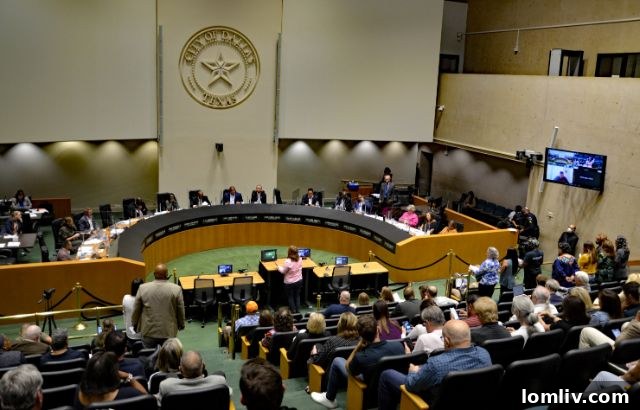
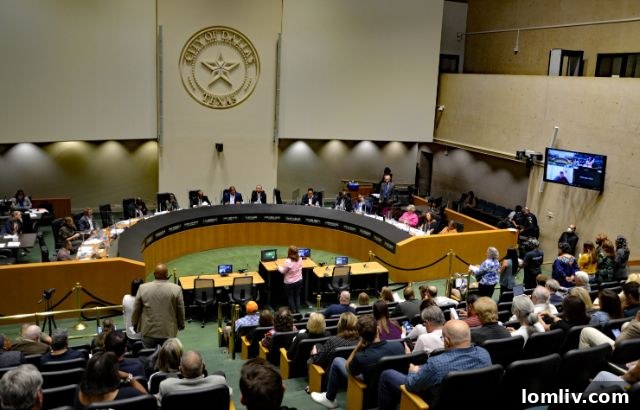
Considering that the City of Dallas budget is soon to be released, alongside an ambitious bond program that aims to invest billions in critical areas like housing and economic development, the city’s ranking significantly below other Texas metros should serve as a powerful impetus for increased citizen engagement. This is not just a call to action but a foundational principle for democratic governance. James Davenport, Associate Dean for Social Sciences and Professor of Political Science at Rose State College, eloquently articulates this necessity:
“Beyond voting, citizens need to communicate their preferences to their local government officials in between elections,” Davenport emphasizes. “To do this, they need to become familiar with and knowledgeable about the issues impacting their communities. Demonstrating a consistent knowledge of and interest in local governments – which have the most direct impact on citizens’ daily lives of any government – is the best way of improving the transparency and accountability of local government.”
This insight is particularly relevant for Dallas. An informed and engaged citizenry can provide invaluable feedback, hold elected officials accountable, and influence key decisions that shape the city’s trajectory. With billions of dollars slated for investment in housing, transportation, and economic development through upcoming bond elections, the implications for Dallas’s future are enormous. Citizens have the power to ensure these funds are allocated efficiently and effectively, targeting areas that genuinely address the city’s challenges as highlighted by reports like WalletHub’s. Active participation can translate into tangible improvements in the quality and efficiency of services, ultimately leading to a higher ranking in future assessments.
Engaging with local government goes beyond casting a ballot once every few years. It involves attending city council meetings, participating in public forums, joining neighborhood associations, and directly communicating with council members. For instance, citizens can review detailed proposals for projects like the one mentioned in a previous discussion regarding the Dallas City Council eyeing $150 Million for Housing in the 2024 Bond Election. Such active involvement ensures that policies and expenditures genuinely reflect community needs and aspirations, fostering a more transparent and accountable government. The collective voice of Dallas residents can transform these rankings from a critique into a blueprint for progress, ensuring that Dallas not only achieves its world-class ambitions but also delivers an unparalleled quality of life for all its inhabitants.
For a complete breakdown of all cities included in the study and their respective rankings, please refer to the original report directly. Informed citizens are empowered citizens, and understanding these vital statistics is the first step towards advocating for a better-run Dallas.
The full list of cities and their comprehensive rankings is available here.