

Dallas ISD Trustees Vote to Reassure Voters: Pledging Tax Ratification Election Funds to Key Initiatives
In a significant move to build public trust and secure vital funding, Dallas ISD (Independent School District) trustees recently adopted a groundbreaking resolution. This pledge specifically earmarks the first-year surplus generated by a proposed Tax Ratification Election (TRE) for critical district initiatives, notably including a strategic increase in employee salaries. This decision, however, was not reached without extensive debate and varying viewpoints among the board members, reflecting the complex financial landscape facing public education in Texas.
Understanding the Dallas ISD Tax Ratification Election (TRE)
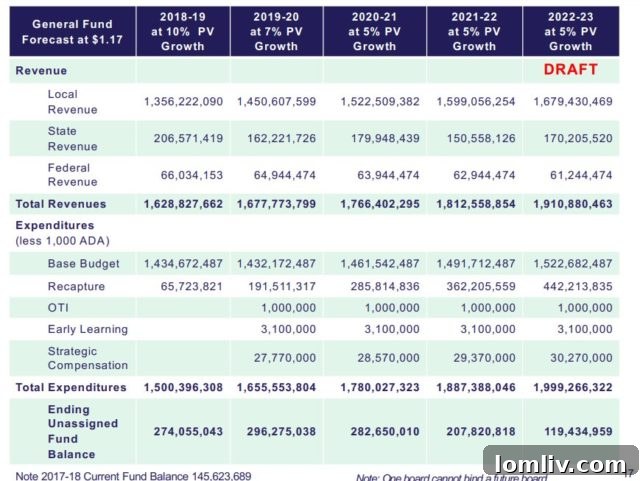
The Dallas ISD is asking its community to approve a Tax Ratification Election, a mechanism used by Texas school districts to generate additional local revenue. Specifically, the district is proposing a 13-cent increase to its maintenance and operations (M&O) budget. If approved by voters on November 6, this would raise the district’s M&O tax rate to $1.17 per $100 in valuation, reaching the maximum allowed by state law. For context, the operating tax rate in Dallas ISD has remained at $1.04 for the past decade. This proposed increase is projected to generate an additional $126 million in its first year, funds that the district asserts are crucial for addressing long-standing financial needs and investing in its future.
The Crucial Need for Reassurance: Addressing Voter Skepticism
The primary impetus behind the resolution was a recognized need to reassure a skeptical public. Dallas residents, like many across Texas, have been grappling with steadily rising property tax bills, largely due to escalating property values. Introducing a new tax increase, even if deemed essential for schools, often faces strong resistance unless accompanied by clear commitments. Several speakers during the public comment section of the board meeting openly voiced their mistrust, questioning whether the district would truly allocate the funds as promised. Concerns about transparency and potential diversion of funds were prominent, highlighting a deep-seated desire for accountability.
“What happens when you get the money in February and you have $126 million sitting in the bank?” one speaker asked. “I suspect one of you board members will have a well-deserving project that will only take $10 million, and then slowly each of you will take a little chunk at a time.” Another added, “I’m for more money for our kids if it’s going to be transparent.” These sentiments underscored the challenging environment for the trustees.
A Battle of Resolutions: Defining the Path Forward
The board’s path to the final resolution was marked by significant debate and the presentation of multiple proposals, each reflecting different priorities and strategic approaches.
Trustee Pinkerton’s Vision: Prioritizing Employee Salaries
Trustee Audrey Pinkerton initiated the discussion by introducing a resolution that would have exclusively earmarked the entire projected $126 million from the first year of the TRE for employee pay raises. Her proposal, while acknowledging the importance of other initiatives, was a direct response to her deep concern about the long-term sustainability of competitive salaries for DISD staff. Pinkerton argued that dedicating the full amount would offer the strongest guarantee to employees and the public that the district was serious about retaining and attracting top talent. She believed this singular focus would provide the clearest commitment to voters.
Trustee Flores’ Holistic Approach: Funding All Four Initiatives
Conversely, Trustee Edwin Flores put forth an alternative resolution. His version pledged to allocate the entire $126 million across all four of the district’s strategic initiatives. Flores emphasized that his resolution was carefully modeled on the district’s overarching strategic plan for the TRE, aiming for a balanced investment in all areas deemed critical for student success and district improvement. He sought to align the board’s commitment with the comprehensive presentation of these initiatives, ensuring a broader impact.
The “Compromise Resolution” by Lew Blackburn: Bridging the Divide
Recognizing the division, Trustee Lew Blackburn authored a “compromise resolution” designed to merge the intent of both Pinkerton’s and Flores’s proposals. Blackburn described his effort as an attempt “to marry two fairly similar resolutions,” seeking common ground. This compromise ultimately combined language from both earlier versions, aiming to address the need for specific salary commitments while also acknowledging the broader strategic goals of the district. This resolution became the focal point of the final vote.
The Four Key Initiatives: A Deep Dive into DISD’s Priorities
The resolution, as ultimately adopted, commits the first year’s TRE funds to four strategic initiatives that are central to Dallas ISD’s vision for the future:
- Strategic Employee Salary Increases: This is a cornerstone of the TRE, aiming to ensure competitive compensation for teachers and staff. The district recognizes that attracting and retaining high-quality educators is fundamental to student achievement and institutional stability.
- Racial Equity Initiatives: These programs are designed to address systemic disparities within the district, fostering environments where all students, regardless of background, have equitable access to resources and opportunities. This includes targeted support, curriculum development, and professional learning.
- Expanding School Choice Programs: Providing more options for students and families is a key strategy for Dallas ISD. This initiative supports the growth and development of diverse educational models, including magnet schools, specialized academies, and innovative learning environments that cater to various student needs and interests.
- Enhancing Pre-Kindergarten Opportunities: Investing in early childhood education is widely recognized as critical for long-term academic success. This initiative aims to expand access to high-quality Pre-K programs, ensuring that more young learners enter kindergarten with the foundational skills they need to thrive.
While the adopted resolution pledges to spend the $126 million across all four initiatives, district officials have consistently indicated that strategic employee salary increases will constitute the bulk of this spending, signaling the board’s strong commitment to its workforce.
Navigating Legalities and Public Trust: The Board’s Dilemma
A fundamental legal constraint for school boards is that a current board cannot legally bind a future board to specific financial commitments. This principle often complicates long-term planning and public assurances. However, the Dallas ISD resolution skillfully navigated this challenge by committing only the funds that would be generated from the TRE in its first year. This tactical approach allowed the board to make a tangible, albeit time-limited, pledge without overstepping its legal authority. Despite this, some trustees acknowledged that a future board could, theoretically, overturn the resolution if it chose to do so.
For many trustees, the largely symbolic nature of the gesture was a point of contention. Yet, the overwhelming consensus was that such a public commitment was indispensable for assuaging public concerns, particularly given the backdrop of soaring property tax bills. The resolution, therefore, served as a crucial bridge between legal limitations and the imperative of building voter confidence ahead of the election.
Trustee Concerns and Support: A Divided but United Front
The debate highlighted a spectrum of opinions within the board, showcasing both principled concerns and a shared understanding of the stakes involved. Trustee Dan Micciche, for instance, voiced significant apprehension about the precedent such a resolution might set. Other trustees, including Miguel Solis, Justin Henry, Dustin Marshall, and even resolution co-author Edwin Flores, echoed these concerns, noting that few, if any, other districts passing tax increases had resorted to such a specific public pledge. Despite his reservations about precedent, Trustee Marshall ultimately supported the resolution, stating that if it genuinely reassured the public, he would be in favor. He articulated a critical truth: “I do believe that there are certain segments of Dallas and DISD where there is a lack of trust in this board and a lack of trust in this administration. It is incredibly important that this board act in a way that encourages the public to ratify the tax election on November 6.”
Trustee Joyce Foreman, who has been a vocal opponent of the TRE in the past, acknowledged the limitations of the resolution, particularly that its “teeth” would only last as long as the current trustees remained on the board. However, she also recognized its value in signaling to the public that the district intended to uphold its promises regarding the TRE funds. Her nuanced position underscored the delicate balance between skepticism and the practical need to secure support for public education.
Foreman’s past vocal opposition to the TRE added weight to her comments on the resolution’s symbolic importance.
The Broader Context: Texas Public Education Funding Challenges
Trustee Pinkerton’s deep concerns about the district’s long-term financial stability were a driving force behind her initial resolution. She likened the district’s predicament to “a senior citizen on a fixed income,” a poignant metaphor highlighting the chronic underfunding of public education in Texas. She noted the state legislature’s consistent failure to undertake a substantive review of public education funding, leaving districts increasingly reliant on local property taxes.
Earlier in the month, the Texas Education Agency itself signaled that it would request less state funding in future years, effectively shifting more of the financial burden onto local communities. This alarming trend exacerbates districts’ vulnerabilities. Pinkerton specifically worried that a combination of wage inflation and the state’s “recapture” system – often referred to as “Robin Hood,” where property-rich districts send local tax revenue to the state for redistribution to property-poor districts – could create significant financial shortfalls. Such a scenario, she argued, could leave Dallas ISD too financially constrained to sustain the critical pay increases outlined in the strategic pay initiative, undermining the very purpose of the TRE.
Her vehement opposition to the compromise resolution stemmed from this deep-seated fear. Pinkerton felt the compromise did not offer sufficient long-term guarantees for the funding of raises over the next four years. She starkly warned: “You have nothing to reassure the public that you’re going to follow the plan that was presented to them. You have nothing to reassure the public that the money will be there in two years. The shortfall is coming.” Other board members countered by insisting that the compromise resolution implicitly promised the same outcomes as Pinkerton’s, as it explicitly pledged not to divert the TRE reserve funds to initiatives outside the specified four.
The Final Vote and its Implications for Dallas ISD
Ultimately, the “compromise resolution,” with additional language regarding district policy on wages proposed by Trustee Miguel Solis, passed with an 8-1 vote. Trustee Pinkerton cast the sole dissenting vote, remaining firm in her conviction that the resolution lacked the necessary long-term guarantees for employee salaries. Despite her opposition to the compromise, the district’s leadership continued to emphasize that, of the four initiatives, employee pay would indeed constitute the majority of the spending generated by the TRE, if approved.
The Landscape of TREs in Texas: A Growing Trend
Dallas ISD’s pursuit of a TRE is not an isolated incident but rather indicative of a broader trend across the state. Since 2008, more than half of all school districts in Texas have successfully passed a Tax Ratification Election. Furthermore, a significant two-thirds of districts within Collin and Dallas counties have secured tax increases through similar mechanisms. This widespread adoption of TREs underscores a pervasive challenge in Texas public education funding, where districts increasingly turn to local taxpayers to bridge funding gaps left by insufficient state contributions.
Conclusion: What’s Next for Dallas ISD?
The resolution by the Dallas ISD trustees represents a critical step in their effort to secure the necessary funding for their students and staff. By publicly pledging how the initial funds from a successful TRE would be spent, the board aimed to foster transparency and rebuild trust with a wary electorate. The outcome of the upcoming election on November 6 will profoundly impact the district’s ability to implement its strategic initiatives, from competitive teacher salaries to expanded pre-kindergarten programs and vital equity initiatives. Early voting has already begun, marking a pivotal moment for the future of Dallas public schools and the community they serve.