Dallas ISD Drives Forward: Forging a New Era in Student Transportation Post-DCS Closure
The landscape of student transportation in North Texas underwent a monumental shift following the decisive vote last November to dissolve Dallas County Schools (DCS). This pivotal decision tasked Dallas Independent School District (DISD), along with eight other local districts, with an ambitious and complex undertaking: building and managing its own comprehensive student transportation system from the ground up. This transition is far more than a logistical rearrangement; it represents a profound opportunity for DISD to reimagine and elevate the standards of school bus services, rebuild community trust, enhance operational efficiency, and, most importantly, prioritize the safety and well-being of thousands of students across one of the nation’s largest urban school districts.
As the committee charged with the intricate process of unwinding DCS’s operations meticulously progresses, Dallas ISD has been diligently orchestrating every detail of its new in-house department. This article delves into the strategic initiatives, visionary leadership, technological advancements, and the robust financial framework guiding DISD’s monumental transformation, ensuring a seamless, superior, and state-of-the-art transportation experience for its entire community.
The Genesis of Change: Understanding the DCS Dissolution
The decision by Dallas County voters to shutter the Dallas County Schools (DCS) agency created a significant void in regional public education infrastructure. DCS had historically served Dallas ISD and numerous other districts by providing essential services such as bus routes and school crossing guards. However, the agency became the unfortunate subject of intense public scrutiny due to allegations of controversial business deals and widespread financial mismanagement. Investigations into these matters ultimately led to federal charges against at least three individuals, including former DCS superintendent Rick Sorrells, highlighting systemic issues that profoundly eroded public confidence and trust in the organization. The agency’s eventual closure was a direct consequence of these accumulated challenges and the community’s desire for a more accountable system.
The closure of DCS presented an unprecedented challenge for the affected school districts. Yet, for Dallas ISD, it also heralded a unique and critical opportunity. By taking direct control, DISD is now empowered to assert complete authority over its student transportation infrastructure, allowing for the development of tailored solutions that precisely address the distinct needs of its diverse student population. This self-governance model promises greater accountability, efficiency, and responsiveness to the community, paving the way for a transportation system built on trust and reliability.
DISD’s Strategic Response: Crafting a Modern Transportation System
In the immediate aftermath of the DCS dissolution, Dallas ISD acted swiftly to establish a robust, in-house transportation department engineered for the demands of the 21st century. Leading this crucial initiative is Dr. Kayne Smith, who has joined DISD as the new Executive Director of Transportation, bringing a wealth of experience and expertise from his previous tenure at Beaumont ISD. Collaborating closely with Dr. Smith is Deputy Superintendent of Operations, Scott Layne, who provides strategic oversight and ensures that the ambitious plans for the new department are meticulously implemented and materialize into a highly efficient and exceptionally reliable system.
Their collective vision extends beyond merely replacing the services previously offered by DCS. It centers on fundamentally elevating the overall standards of student transportation within Dallas. This commitment encompasses achieving operational excellence, seamlessly integrating cutting-edge technology, and, above all, guaranteeing unparalleled student safety across every facet of the transportation network. This proactive approach underscores DISD’s dedication to creating a system that not only meets but exceeds community expectations.
Building the Foundation: Staffing, Fleet, and Route Optimization
The cornerstone of any effective and reliable student transportation system is its human capital. Dallas ISD faces the formidable yet surmountable task of recruiting, hiring, and comprehensively training a substantial workforce of qualified school bus drivers to navigate its extensive network of routes. Deputy Superintendent Scott Layne provided an encouraging update during a recent board briefing, noting that initial recruitment efforts have yielded promising results. The district is actively working to bridge a current gap of approximately 140 applicants, a number Layne views with optimism. “We’ve only been doing this for about a month, so I think the numbers look pretty good,” he stated, expressing strong confidence in reaching full staffing levels by August, well in advance of the new academic year.
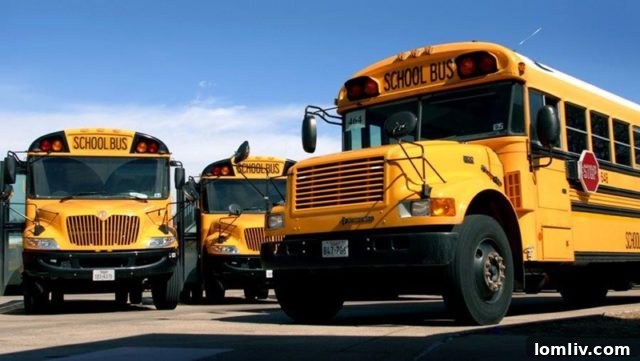
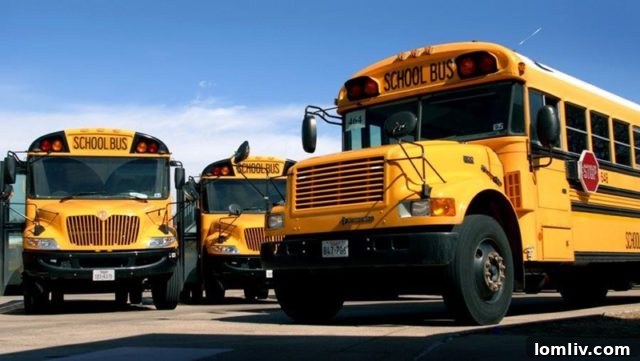
To achieve this critical staffing goal, DISD plans to actively participate in numerous job fairs, community outreach programs, and implement targeted recruitment campaigns to attract dedicated and professional individuals committed to student safety. These efforts will focus on offering competitive wages, benefits, and a supportive work environment to attract and retain the best talent. Furthermore, the district strategically acquired nearly 1,000 buses from the dissolving DCS agency, providing a significant head start with a ready-made fleet. However, continuous evaluation, rigorous maintenance schedules, and potential future upgrades will be paramount to ensure the long-term reliability, safety, and operational efficiency of these vehicles across the vast Dallas metropolitan area, ensuring a modern and safe fleet for all students.
Financial Prudence and Strategic Investment in Student Safety
Establishing a new departmental infrastructure of this magnitude naturally involves substantial financial planning and investment. Initially, Dallas ISD projected an investment of approximately $54 million to successfully launch and operate its new, independent transportation system. However, following comprehensive assessments and detailed planning, revised projections now place the overall budget closer to $58.9 million. Deputy Superintendent Layne has reassured trustees that this updated figure remains well within the district’s carefully managed financial capacity and reflects prudent fiscal planning.
This comprehensive budget is meticulously allocated across a wide range of essential expenditures designed to ensure a top-tier service. Key allocations include competitive salaries and robust benefits packages for school bus drivers and crucial support staff, significant fuel costs for the expansive bus fleet, routine maintenance and essential repairs, administrative overhead, and critical investments in new technologies and training programs. This strategic and transparent allocation of resources underscores DISD’s unwavering commitment to building a sustainable, high-quality student transportation service without compromising its financial stability or burdening taxpayers unnecessarily. It’s an investment in the future of Dallas students.
Innovating for the Future: Embracing Cutting-Edge Transportation Technology
Dr. Kayne Smith, with his forward-thinking approach, is a strong proponent of integrating cutting-edge technology to thoroughly modernize DISD’s student transportation system. These technological advancements are not merely conveniences; they are integral to enhancing safety, efficiency, and communication across the entire network, providing greater peace of mind for parents and school staff.
Key Technological Integrations Include:
- Advanced GPS Monitoring for School Buses: This technology offers invaluable benefits, allowing parents, school administrators, and transportation staff to track bus locations in real-time. This real-time visibility dramatically improves communication during delays or emergencies, enhances route efficiency through optimized planning, and increases overall accountability for bus schedules. Parents will have peace of mind knowing the precise location of their child’s school bus, fostering greater trust in the system and improving overall responsiveness.
- RFID (Radio-Frequency Identification) Card Systems for Students: DISD plans to implement RFID card systems, enabling students to conveniently swipe as they board and exit school buses. This innovation significantly enhances student safety by providing accurate, real-time ridership data, including who is on the bus and at what time. It also streamlines attendance tracking, helps ensure students board the correct bus, and offers an added layer of security, particularly for younger students, ensuring accountability throughout their commute and providing critical data in emergencies.
These technological enhancements are pivotal in fulfilling DISD’s promise to deliver a service that is not only highly efficient and reliably punctual but also transparent, technologically advanced, and exceptionally safe for every student enrolled in the Dallas Independent School District. They represent a significant step towards a truly modern student transportation experience.
Prioritizing Safety and Trust: A Clear Stance on Enforcement
In light of the past controversies that plagued DCS, particularly concerning the revenue-generating aspects of stop-arm cameras used for traffic enforcement, Dallas ISD is adopting a clear and distinct policy. While these critical cameras, designed to capture images of vehicles illegally passing stopped school buses, will remain installed on the buses for their vital deterrent effect and to document dangerous violations, Deputy Superintendent Scott Layne unequivocally emphasized that DISD will not engage in direct traffic enforcement itself. This responsibility will rightfully remain with law enforcement agencies, ensuring a clear separation of duties.
“We will do everything we can to provide a better service for our parents and for our community, and we’re excited that we have the responsibility of the control to do that now,” Layne stated. This stance reflects a strategic decision to focus exclusively on the district’s core mission: the safe and reliable transportation of its students. By clearly demarcating its role, DISD aims to rebuild and maintain trust with the community, ensuring that its primary objective is always the secure and efficient transit of its students, free from perceived conflicts of interest and focused purely on educational support.
A New Home for Operations: Acquiring the Former DCS Headquarters
In a significant and strategic move, the DCS dissolution committee recently voted to approve the sale of the former agency’s main building, strategically located off I-30, to Dallas ISD. This crucial acquisition, finalized at a cost of $6 million, represents a pivotal moment for the district, symbolizing a new chapter in its operational capabilities and providing a tangible asset for its growing needs.
The former DCS headquarters is now poised to become a central, multifunctional hub for various Dallas ISD operations. Most critically, it will serve as the consolidated home for the district’s new transportation operations, providing ample and dedicated space for administrative staff, sophisticated dispatch centers, and potentially expanded bus parking and essential maintenance facilities. Furthermore, the facility will function as the primary site for comprehensive driver training programs, ensuring that all DISD bus operators receive standardized, top-tier instruction focused on safety, efficiency, and student care. In a move designed to further consolidate district functions and foster greater synergy, future Dallas ISD school board meetings will also be relocated to this newly acquired property, enhancing operational efficiency and centralizing key administrative activities under one roof.
The Broader Impact: A Model for Urban Education and Community Empowerment
Dallas ISD’s ambitious journey in establishing its own comprehensive student transportation system is far more than a mere logistical challenge; it stands as a powerful testament to the district’s resilience, strategic foresight, and unwavering commitment to self-governance in public education. By meticulously taking direct control of its transportation services, DISD aims to create a student transportation model that is precisely tailored to its community’s unique needs, unburdened by past controversies, and inherently designed for continuous improvement and innovation.
This profound transformation promises not only significantly enhanced reliability and efficiency for daily school bus routes but also fosters a strengthened sense of accountability directly to parents, students, and taxpayers. The meticulous planning, the substantial yet prudent financial commitment, and the innovative adoption of cutting-edge technological solutions collectively underscore DISD’s dedication to providing a safe, comfortable, and state-of-the-art commuting experience for every student it serves. As Dallas ISD prepares to launch its fully operational, independent transportation system, it is poised to set a powerful and inspiring precedent for urban school districts nationwide, demonstrating how proactive leadership and strategic investment can effectively redefine and elevate the future of student transportation for generations to come. This initiative truly exemplifies DISD’s commitment to excellence and community empowerment, building a foundation of trust and superior service for its entire educational ecosystem.