Navigating the Shifting Tides: An In-Depth Look at the U.S. Housing Market in 2015
The U.S. housing market entered 2015 on a trajectory of significant price appreciation, a trend clearly underscored by the December 2014 Case-Shiller report. This pivotal analysis revealed that home prices across the nation were continuing their ascent, with a notable 7.5 percent increase year-over-year in key metropolitan areas. This figure comfortably outpaced the national average gain of 4.5 percent, signaling robust growth in specific, high-demand regions. The primary catalyst for this upward surge, as widely acknowledged by economists and market analysts, was a persistent and tightening inventory of available homes for sale. This imbalance between supply and demand has fueled a competitive environment, leading many to question the sustainability of such rapid price increases and the long-term implications for potential homebuyers.
Understanding the Surge: The December 2014 Case-Shiller Report
The S&P/Case-Shiller Home Price Index stands as a benchmark for tracking residential real estate value across 20 major U.S. metropolitan areas. The December 2014 report, which reflected a 7.5 percent year-over-year increase in a composite of these cities, provided a compelling snapshot of a market grappling with strong demand and constrained supply. While the national average hovered around 4.5 percent, indicating a broader, albeit slower, recovery, the significant gap highlighted the localized intensity of the housing boom. Such strong gains, particularly when exceeding national benchmarks, often raise concerns about affordability and market stability, prompting deeper examination into the underlying dynamics at play.
The Root Cause: A Shrinking Inventory
The consensus among real estate experts points directly to a dwindling housing inventory as the primary driver behind escalating home prices. A “tight sellers’ market” describes a scenario where the number of homes available for sale is insufficient to meet buyer demand, granting sellers considerable leverage. This scarcity is often attributed to several factors: a slowdown in new home construction following the 2008 financial crisis, homeowners’ reluctance to sell dueising concerns about finding their next home or holding onto appreciating assets, and investor activity absorbing available properties. This environment inevitably leads to bidding wars, rapid sales, and price escalations, making it increasingly challenging for prospective buyers to enter the market. The question that continues to echo through market analyses is whether supply can ever truly catch up at the current rate of demand, or if this imbalance is set to become a more enduring characteristic of the market.
Expert Insights: Can We Sustain This Growth?
Dr. James Gaines, a respected economist at the Real Estate Center at Texas A&M University, offered a cautious perspective on the situation. As he noted in a story by Steve Brown, “As long as we have a tight sellers’ market, it’s going to be in that area.” While acknowledging the robust increases, he also provided a reassuring counterpoint: “The good news is it’s not 12 or 15 percent.” His sentiment that “We can live with this for a while” suggests a belief that the current growth, while strong, remains within a manageable range, avoiding the unsustainable double-digit percentage gains that often precede market corrections. However, this raises a critical debate: for how long can a market absorb such consistent increases before affordability becomes a widespread crisis, pushing significant segments of the population out of homeownership?
Regional Disparities: A Patchwork of Performance
Beyond the national averages, the Case-Shiller report highlighted significant regional variations in home price appreciation, illustrating a market that is far from uniform. David Blitzer of S&P observed in his report, “Movements in home prices show clear regional patterns.” He emphasized that “The western half of the nation plus Miami and Atlanta enjoyed year-over-year increases of 5 percent or more.” This geographical segmentation underscores the localized nature of real estate, where distinct economic factors, job growth, population migration, and urban development initiatives play a crucial role in shaping market dynamics. The resilience and growth of these particular regions suggest underlying strengths that differentiate them from areas experiencing more modest gains.
Spotlight on High-Performing Markets
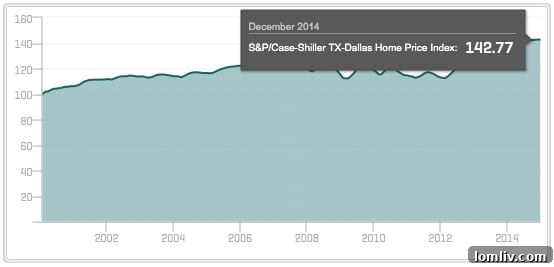
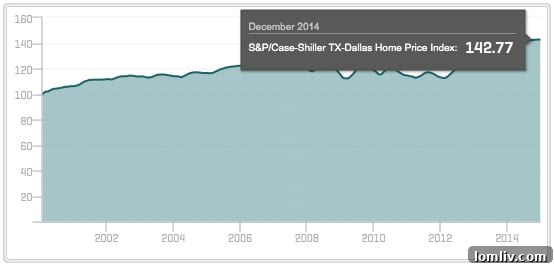
Blitzer further elaborated on specific cities experiencing exceptional growth: “San Francisco and Miami were the strongest. Dallas, Denver, Las Vegas and Atlanta also experienced solid gains.” These cities represent diverse economic engines, from the tech boom fueling San Francisco’s astronomical prices to Miami’s appeal as an international financial and tourist hub. Denver and Dallas have benefited from robust job markets and corporate relocations, while Las Vegas has shown impressive recovery post-recession, drawing new residents and investment. The consistent appreciation in these metropolitan areas reflects strong local economies, often characterized by job creation, infrastructure development, and a desirable quality of life that attracts new residents and sustained housing demand. Understanding the unique drivers in each of these markets is crucial for predicting their future trajectory.
Navigating the Nuances: Market Segmentation
Even within these high-performing metropolitan areas, the housing market is far from monolithic. A closer look reveals significant variations in activity and pricing across different segments and neighborhoods. For instance, in parts of Dallas, anecdotal evidence suggested homes were lingering on the market for more than the typical 60 days, indicating pockets of softening demand or overpricing. Conversely, in other highly sought-after areas of the same city, buyers faced intense competition, often requiring aggressive bidding strategies to secure a property. This stark contrast highlights how micro-markets operate independently, influenced by factors such as school districts, local amenities, commute times, and specific community appeal.
The Luxury Market vs. Mid-Range Sweet Spot
Further segmenting the market, the report hinted at a “softness” emerging within the luxury sector, particularly for homes in the $1 million-plus range. This could be attributed to a variety of factors, including a smaller pool of eligible buyers, increased inventory at the high end, or even a cautious retreat by investors anticipating a market peak. In contrast, the $300,000 to $600,000 price ranges were described as “white hot.” This segment typically caters to a broader demographic, including move-up buyers and affluent first-time homebuyers, driven by robust employment, favorable interest rates, and a strong desire for homeownership. The intense demand in this mid-range sector exacerbates the inventory crunch and pushes prices upward, creating a challenging environment for those seeking affordable entry points into the market.
Glimpsing into 2015 and Beyond: Key Questions
The robust market conditions of late 2014 inevitably led to critical questions about the future trajectory of the U.S. housing market into 2015 and beyond. These inquiries center around how escalating prices and limited choices would reshape buyer behavior and impact different demographic groups. The answers to these questions would determine the landscape of homeownership for years to come.
The Lease-or-Buy Dilemma: An Evolving Landscape
One of the most pressing questions was whether a significant number of potential homebuyers, disheartened by tight inventory and escalating prices, would pivot towards leasing. As homeownership becomes increasingly elusive for many, particularly in hot markets, the rental market often emerges as a viable, albeit temporary, alternative. A sustained shift from buying to leasing could further inflate rental costs, creating a dual challenge for households trying to save for a down payment. This trend has broader implications for wealth accumulation, as homeownership has historically been a primary vehicle for building equity and long-term financial stability. Monitoring the dynamics of the rental market versus the purchasing market became a crucial indicator of overall housing affordability and access.
Millennials and the Housing Ladder: A Challenging Ascent
Another focal point was the impact of higher home prices on the Millennial generation. Burdened by student loan debt, entering the workforce during an economic downturn, and often facing slower wage growth, Millennials have historically faced unique obstacles to homeownership. Rising housing costs threatened to push this crucial demographic further out of the market, potentially delaying homeownership for years or even making it an unattainable dream for some. This demographic shift has significant implications for future housing demand, community development, and economic growth, as Millennials represent a substantial portion of the potential first-time buyer pool. Understanding their financial constraints and housing preferences is vital for the long-term health of the real estate sector.
First-Time Homebuyers: Bridging the Gap
Closely related to the Millennial challenge is the broader impact on first-time homebuyers. These buyers often face the steepest hurdles, including saving for a down payment, navigating competitive bidding environments, and qualifying for mortgages amidst stricter lending standards. With rising home values, the initial capital required to enter the market significantly increases, effectively widening the gap for those aspiring to achieve homeownership. Government programs, interest rates, and the availability of affordable entry-level homes all play a critical role in determining whether this segment of the market can successfully bridge the gap and fulfill their dreams of owning a home.
Conclusion: A Dynamic Market Awaits
As the U.S. housing market transitioned from 2014 into 2015, it presented a complex and often contradictory picture. While certain metropolitan areas boasted robust price appreciation fueled by shrinking inventory, this growth also brought forth significant questions regarding affordability, market sustainability, and the long-term implications for various buyer segments. The regional disparities, the contrasting performance of luxury versus mid-range markets, and the emerging challenges for Millennials and first-time homebuyers underscored a market that was dynamic, fragmented, and constantly evolving. Navigating these shifting tides required a keen understanding of both macro-economic trends and hyper-local market nuances, as stakeholders braced for a year that promised both opportunities and considerable challenges in the pursuit of homeownership.