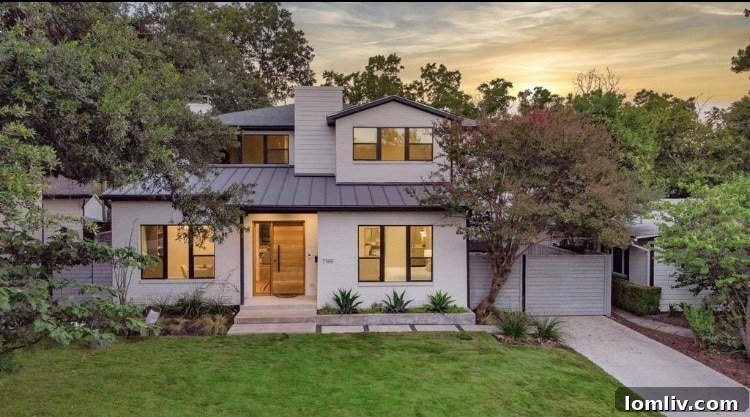
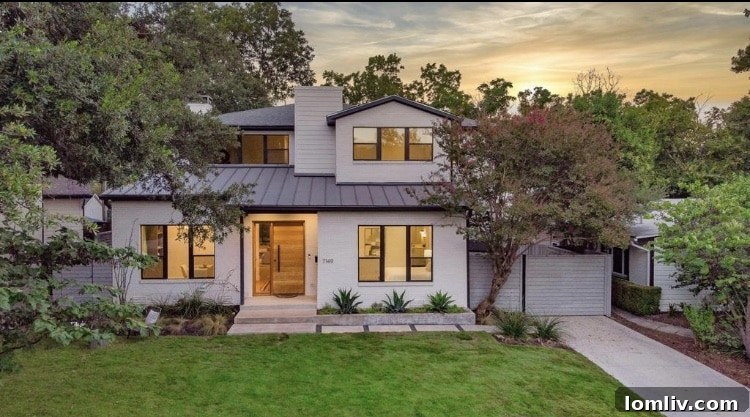
The real estate landscape is experiencing a significant transformation, with a notable shift towards market rebalance. Experts in the field are observing a welcome increase in home inventory and a corresponding trend towards more manageable property prices across the nation. This evolving environment suggests a return to dynamics last seen before the unprecedented housing boom of the pandemic era.
Insights from the HomeLight real estate research team indicate a strong consensus among industry professionals. Caroline Feeney, a key spokesperson for HomeLight, reports that approximately 54 percent of real estate agents nationwide anticipate the market will begin to mirror pre-pandemic conditions within the next twelve months. This sentiment marks a considerable departure from recent years, signaling a pivotal moment for both buyers and sellers.

A stark illustration of this shift is found in HomeLight’s Fall 2022 agent insight report. Only 51 percent of surveyed agents categorized their local market as a “seller’s market,” a dramatic decline from the 95 percent reported just the previous quarter. This significant drop underscores a rapid reorientation of market power, moving away from the overwhelming advantage sellers held for an extended period.
“For over two years, we witnessed an undeniable nationwide seller’s market,” Feeney elaborated. “It’s particularly illuminating to compare this statistic with data from 2019, when roughly 55 percent of agents reported a seller’s market. We are now detecting distinct parallels to the pre-pandemic real estate market – an environment characterized by a more equitable balance between the interests of buyers and sellers.” This emerging equilibrium is creating new opportunities and challenges for all participants in the housing sector.
Despite the signs of rebalance, the path to homeownership remains challenging for many. Factors such as persistently high construction costs, broader inflationary pressures across the economy, and rising mortgage rates (reaching around 7 percent at the time of the report) have compelled some prospective buyers to temporarily step back from the market. This hesitation, while understandable, inadvertently contributes to the rising inventory of available homes. As Feeney explains, increased supply often foreshadows a moderation, or eventual decrease, in prices, making homes more attainable in the long run.
“Homes are visibly spending more time on the market, a direct consequence of shifting demand,” she observed. “When the fundamental forces of supply and demand begin to align more evenly, property prices naturally become more accessible. We are already witnessing a surge in price reductions, which have become far more commonplace. Every indicator points towards this significant market adjustment taking firm hold.” This shift requires a strategic approach from sellers, prioritizing realistic valuations to attract serious buyers in a less frenzied environment.
“Intelligent pricing is key in this market.”
Kelly Boulton
Dallas-Fort Worth Real Estate: A Local Snapshot of National Trends
The broader national rebalancing trend is distinctly palpable in key metropolitan areas, none more so than Dallas-Fort Worth (D-FW). According to local Realtor Kelly Boulton, the D-FW market is indeed witnessing a tangible increase in housing affordability, a welcome change for many prospective homeowners in one of the nation’s fastest-growing regions.

“I am absolutely seeing a significant uptick in available inventory,” Boulton confirmed. “To put it into perspective, North Texas had a mere two weeks of inventory supply in January 2022. Today, we are comfortably exceeding two months’ supply, representing a substantial loosening of the market. Concurrently, I’m observing an increase in price reductions and a slight decrease in the sheer volume of buyers. However, it’s crucial to note that certain market segments, particularly homes priced under $400,000 in specific areas, are still attracting multiple offers, underscoring localized demand and affordability sweet spots.” This nuanced perspective highlights that while the overall market is cooling, high-demand, entry-level properties maintain their competitive edge.
The HomeLight report also touches upon a fundamental principle often observed in economic cycles: what goes up swiftly, tends to come down with similar speed. More than half of the surveyed agents nationwide believe that markets which experienced the most rapid heating, such as Austin, Texas, are consequently the most likely to cool down fastest and witness the most pronounced price corrections. This phenomenon can be attributed to the speculative frenzy and intense competition that characterized these boomtowns, making them more susceptible to significant adjustments when market conditions shift.

“D-FW’s population saw an incredible surge, growing by over 21 percent between 2010 and 2020. This demographic explosion significantly outpaced housing growth, creating an undeniable seller’s market for a considerable period,” Boulton explained. “However, as inventory gradually increases, buyers gain a broader selection of properties. Lower pricing, coupled with diverse options, naturally enhances home affordability. Many buyers, particularly those new to the region or relocating, are actively seeking homes within a reasonable commute of their workplaces. This sustained demand, even amidst a cooling market, continues to drive healthy competition, particularly in areas closer to central Dallas, where amenities and job hubs are concentrated.”
What Lies Ahead for the Dallas-Fort Worth Housing Market
Despite the broader market adjustments, the allure of Dallas remains strong. Boulton emphasizes that the flow of new residents from other states into Dallas continues unabated, a testament to the region’s robust economic appeal and quality of life. This consistent in-migration serves as a crucial underlying factor sustaining housing demand, even as national trends lean towards moderation.

“The D-FW job market continues its impressive expansion, acting as a primary driver of sustained housing demand,” she stated. “Texas now proudly hosts almost 50 percent of the nation’s Fortune 500 companies, with the Dallas-Fort Worth metroplex alone accounting for approximately 25 to 50 percent of them. This concentration of corporate power translates directly into a robust employment ecosystem, drawing talent and families to the area. My assessment is that the D-FW housing market is steadily progressing toward normalization rather than entering a period of significant slowdown. We can still anticipate annual appreciation of property values, though it will likely be in the more sustainable single digits, a marked contrast to the double-digit gains we’ve observed over the past two years. Interest rates, too, are gradually normalizing, moving towards historically typical levels. Furthermore, should an economic recession occur, it is considerably less likely to severely impact the resilient D-FW housing market compared to other, more cyclical industries, thanks to its diversified economy and ongoing corporate relocations.”
Post-Pandemic Housing Needs: Redefining the Ideal Home
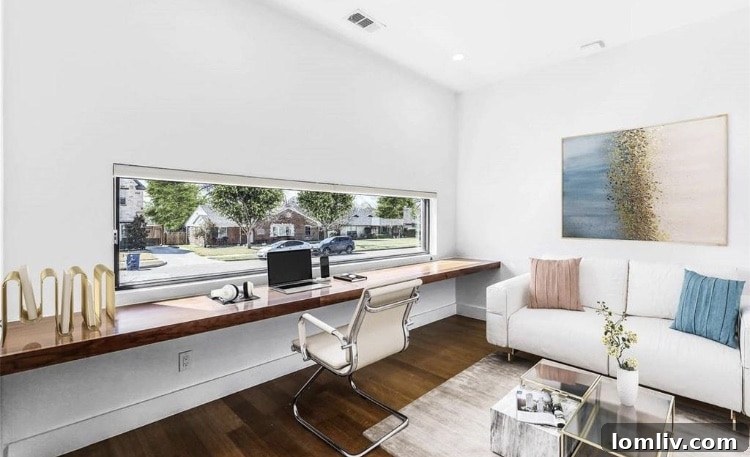
The global pandemic undeniably reshaped daily life, and its profound impact on how people perceive and utilize their homes is a lasting legacy. HomeLight research now definitively points to the home office as the undisputed number one item on prospective home buyers’ wish lists. This shift reflects a fundamental recalibration of priorities, where functionality and dedicated workspaces are no longer luxuries but essential components of modern living.
“The pandemic wasn’t a fleeting event on the global timeline,” Feeney asserted. “It represented a monumental moment that fundamentally altered what individuals require and expect from their living spaces. Remote work is booming, and its widespread adoption shows no signs of slowing down. Federal data starkly illustrates this trend, revealing that the number of Americans working remotely has nearly tripled since 2019. In the context of real estate, this translates into a universal desire for a dedicated, functional home office space, whether it’s a quiet corner, a converted bedroom, or a purpose-built study.”
Beyond internal spaces, the increased amount of time people now spend at home has also fueled a surging demand for enhanced outdoor amenities. Homeowners are seeking to extend their living areas beyond traditional walls, transforming their backyards and front yards into valuable retreats and functional extensions of their indoor environments.
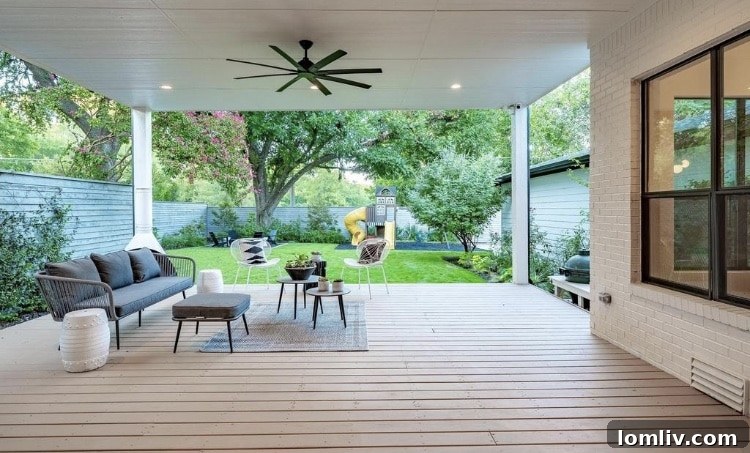
This trend has tangible impacts on property values. Feeney highlighted that backyard decks, for instance, are now worth an impressive 65 percent more than their pre-pandemic valuations, adding more than $7,000 in resale value to a home. Furthermore, a welcoming front porch has become a highly sought-after feature, with over 60 percent of buyers expressing a preference for one. Outdoor kitchens and cozy fireplaces have also witnessed a significant ascent in popularity, reflecting a desire for entertainment, relaxation, and everyday living experiences that seamlessly blend indoor comfort with outdoor enjoyment. These amenities are no longer considered extravagant additions but rather integral components of a desirable home in the post-pandemic era.
“Buyers are actively searching for properties that offer more flexibility and space, often translating into a demand for extra bedrooms or additional dedicated office areas,” Boulton elaborated. “Consequently, homes featuring a higher number of bedrooms, particularly those that can accommodate multiple workspaces, are now exceptionally highly valued. To find these larger, more versatile homes, buyers are increasingly looking at properties located further away from densely populated city centers, where space comes at a premium. This geographic expansion of buyer interest is another fascinating consequence of the widespread shift to remote and hybrid work models.”
The emergence of more choices for buyers in the Dallas-Fort Worth market is a very positive development, according to Boulton, as it inherently contributes to greater market stability and resilience. A balanced market, where neither buyers nor sellers hold an overwhelming advantage, fosters sustainable growth and reduces volatility, creating a healthier long-term environment for real estate investment.
“Balance inherently leads to longevity in any market,” she wisely concluded. “In this evolving real estate landscape, intelligent and strategic pricing is not merely a recommendation; it is absolutely critical for successful transactions and for maintaining a healthy market equilibrium.”