Dallas, a rapidly expanding metropolitan hub, stands at a critical juncture in its urban development trajectory. Recently, city leaders converged to address a pressing concern: the imperative for a robust and equitable housing strategy. This pivotal discussion was prompted by a series of “compliance allegations” from internal bodies like the city auditor and external federal agencies such as the U.S. Department of Housing and Urban Development (HUD). Simultaneously, there has been increasing public clamor for greater investment in affordable housing solutions. In response to these significant pressures, the Dallas City Council has proudly unveiled a meticulously revamped Dallas Housing Policy 2033.
This enhanced policy signifies a monumental shift in philosophy. Officials have indicated a strategic pivot away from a singular focus on housing unit production towards a more comprehensive neighborhood revitalization model. This innovative approach holds the potential to be a “game changer,” according to District 3 Councilman Casey Thomas, promising to positively transform the urban landscape and improve the quality of life across the entire city. The urgency behind this policy overhaul is rooted in past challenges where the city’s housing strategies were often seen as reactive, primarily designed to avoid regulatory issues rather than to proactively foster thriving communities. For a deeper understanding of the discussions, the entire two-hour council presentation is available here.
Reflecting on the historical context, District 1 Councilman Chad West noted that the original housing policy was never conceived as a visionary document but rather as a technical blueprint “to keep us out of trouble with HUD.” He vividly described the previous policy as reading “like how to put together a radio,” highlighting its mechanical nature and lack of overarching strategic direction. Wednesday’s presentation, therefore, marks a substantial and hopeful departure, signaling a commitment to a more proactive, people-centered approach to Dallas’s housing future. This new policy framework is designed to move beyond mere compliance, aiming instead to foster genuine growth and equitable access to housing for all residents.

Embracing Robust Community Engagement for Effective Policy
A central pillar of the new Dallas Housing Policy 2033 is an unwavering dedication to inclusive and active community engagement. David Noguera, the Director of Housing and Neighborhood Revitalization, strongly encourages all interested residents to thoroughly review the draft Dallas Housing Policy 2033 and the accompanying council presentation. Noguera emphasized that successful implementation requires more than just passive attendance at meetings; it demands proactive outreach and sustained presence within communities. “We’ve got to deploy this,” Noguera asserted, highlighting the necessity for city staff to be actively involved in dialogue, striving to reach those individuals and groups who have historically been excluded from civic discussions.
Understanding the common barriers to participation, Noguera pointed out that engagement drastically increases when meetings are held virtually and when information is provided in Spanish. These inclusive measures are crucial for ensuring that a diverse cross-section of Dallas residents – including those with demanding schedules, limited transportation, or language barriers – can contribute their valuable insights to shape the policy. This commitment to equitable access and broad participation underscores the city’s belief that policies are most effective and reflective of community needs when they are co-created with the very people they intend to serve. Without genuine and widespread input, even the most well-intentioned initiatives risk missing their mark and failing to address root causes.
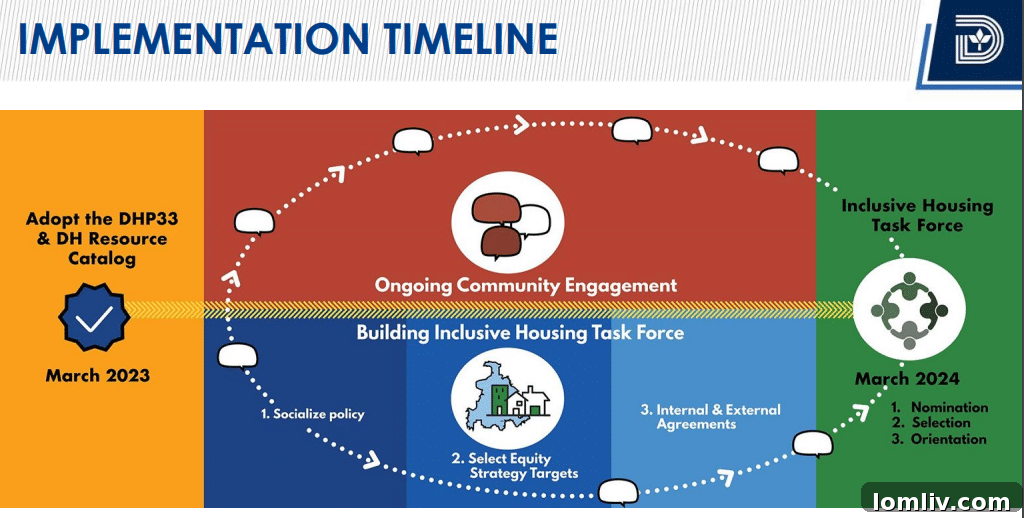
The Dallas Housing Resource Catalog is slated for council review on March 8, with the potential for the full policy’s adoption as early as April. However, council members have collectively expressed a profound desire to ensure that the policy is not merely a symbolic gesture but a living document filled with actionable, specific initiatives. District 7 Councilman Adam Bazaldua vocalized this sentiment with conviction: “Don’t ask us to pass another piece of paper that’s going to sit on a shelf.” He passionately argued that true progress stems from deliberate action and investment, not accidental change. “We didn’t get here by accident and we’re not going to change by accident. We’re going to have to change with intent. This is just a piece of paper. We’ve got to put our money where our mouth is.” This powerful declaration highlights the council’s commitment to tangible outcomes and a rejection of past failures where policies lacked the necessary funding and political will for effective execution.
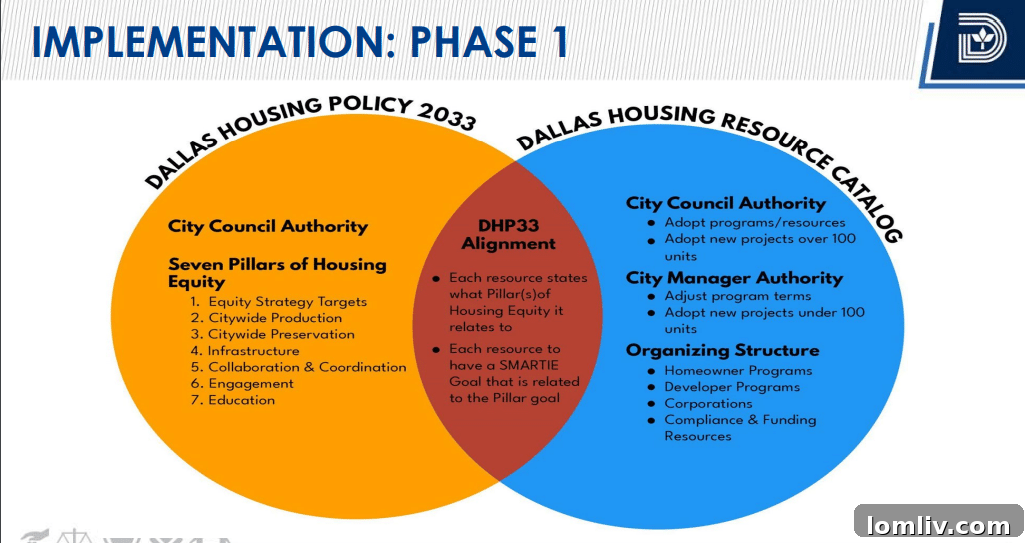
Transparency in governance and accountability in decision-making were also central themes in the discussions, particularly regarding the administrative authority of the city manager’s office. While streamlining approval processes could potentially accelerate housing projects, concerns were raised about maintaining public input and oversight. District 12 Councilwoman Cara Mendelsohn pointed out that the city manager already has the authority to approve contracts up to $100,000 without direct council approval. Mendelsohn critically questioned how community voices would be integrated into decisions made solely by the city manager, stating, “When it’s city manager authority, how are you getting community input? It’s literally not public information if the city manager is just doing it unless someone knows to request it. It’s a lack of transparency.” This highlights the crucial balance required between administrative efficiency and democratic accountability, ensuring that all significant housing decisions remain publicly transparent and informed by the needs of Dallas residents.
Dallas Housing Policy 2033: A Blueprint for Growth and Equity
The Dallas Housing Policy 2033 is strategically designed to proactively address the profound housing challenges anticipated in the coming decades. Forecasts predict that the Dallas-Fort Worth area will experience a significant population boom, with an expected increase of 300,000 people by 2045. This demographic shift presents a monumental task for city planners: ensuring adequate housing for a wide array of new and existing residents. This includes high-profile corporate relocations, such as Goldman Sachs executives moving to downtown Dallas, alongside supporting young, single mothers aspiring to purchase their first homes in safe, flourishing neighborhoods. The policy’s overarching goal is to facilitate sustainable and equitable growth, mitigating potential housing shortages and affordability crises.
To realize this ambitious vision, the new housing policy is intricately woven into several other vital city initiatives. The city’s ForwardDallas land use plan provides a foundational framework for future development patterns, guiding where and how growth should occur. Concurrently, a council-approved Racial Equity Plan plays a crucial role in ensuring that housing opportunities are distributed fairly across all demographics, proactively addressing historical imbalances and systemic inequities. Furthermore, a newly adopted redistricting map, scheduled to take effect in May, will influence how housing needs are specifically assessed and addressed within each of the city’s council districts. These interconnected plans collectively aim to foster a dynamic city where diverse, affordable housing options are available and accessible to everyone, promoting comprehensive inclusion and opportunity.
Current data underscores a pressing need for approximately 100,000 additional housing units across the Dallas region. This substantial deficit highlights the severe financial strain experienced by numerous residents who allocate over one-third of their income to housing expenses—a commonly accepted benchmark for housing unaffordability. Addressing this gap transcends mere statistical figures; it is fundamentally about alleviating financial burdens, significantly enhancing quality of life, and fostering greater economic stability for tens of thousands of households. Councilman Chad West emphasized the considerable financial investment required, stating, “What this tells me is that we need a lot of money to close the gap.” He anticipates that a forthcoming bond election will be instrumental, with a significant portion of the funds likely designated for creating affordable housing options specifically tailored for essential workers, including police, firefighters, artists, musicians, and teachers—professionals who are indispensable to Dallas’s vibrant social and cultural fabric.
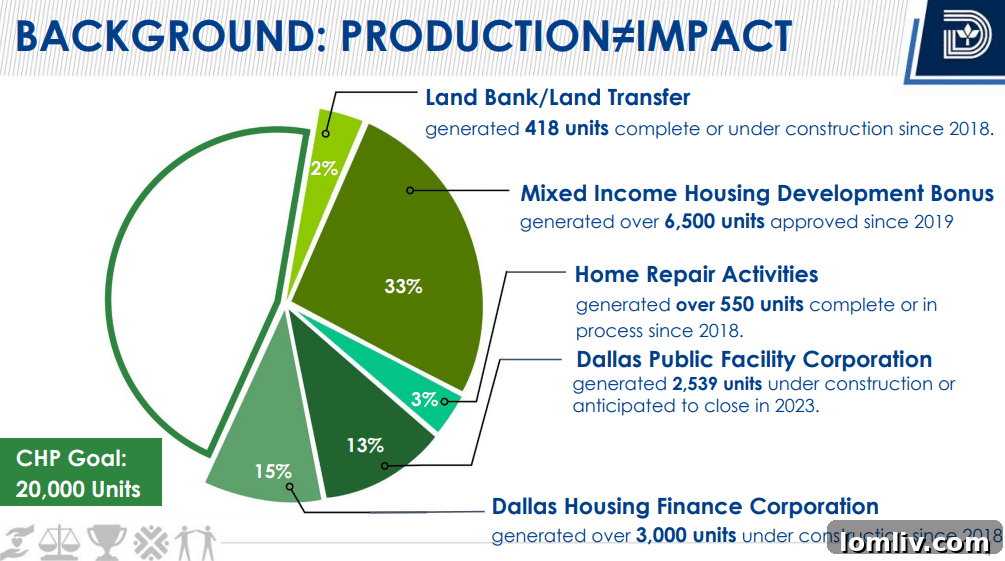
A natural question arises: can a policy document alone effectively generate the vast number of housing units required? Director Noguera candidly clarified that the policy primarily functions as a comprehensive guiding framework. “To create more units, it’s going to take financial resources,” he explained, underscoring that “It’s going to take political will. It’s going to take a lot more than words on a paper.” This highlights the critical necessity for concrete, sustained investment, decisive legislative action, and unwavering commitment from all stakeholders—both public and private sectors—to translate the policy’s aspirational vision into tangible housing solutions. The policy articulates the fundamental “what” and “why,” but the practical “how” unequivocally demands substantial resource allocation, innovative strategies, and profound collaborative effort.
Councilman Bazaldua further amplified the urgency, emphasizing that the demand for housing in Dallas is so acute that the city must strive to double its housing capacity annually to keep pace with growth and actively prevent displacement. “If we’re not doubling our capacity every year and investing in addressing that issue in an aggressive manner, then we are not as serious as we are saying we are on this piece of paper in addressing displacement,” he argued passionately. This underscores the need for proactive and highly ambitious strategies, encompassing measures such as streamlining complex permitting processes, exploring and adopting innovative construction methods, and providing targeted incentives to developers who commit to building affordable housing. Director Noguera also clarified that while the city plays a crucial role in shaping policy, the responsibility for growing housing capacity is a shared endeavor that extends significantly to the private sector. Private developers, institutional investors, and non-profit organizations are indispensable partners in bringing a diverse range of housing options to market, requiring synergistic efforts and strategic incentives to align private interests with the public good of a well-housed citizenry.
Why This Comprehensive Housing Policy Matters to Every Dallas Resident
Despite some initial points of divergence among elected officials, a powerful and unifying consensus emerged: the Dallas Housing Policy 2033 represents a profoundly significant undertaking with direct implications for every resident of the city. Regardless of whether one is a long-standing homeowner, a burgeoning professional seeking their inaugural apartment, or a growing family in pursuit of an affordable and stable residence, this policy will intricately shape their present circumstances and future opportunities. The extensive discussions encompassed a broad spectrum of interconnected priorities, including advancing racial equity, enhancing housing affordability, proactively preventing gentrification, substantially increasing the overall housing stock, and expediting critical permitting processes for affordable housing developments. These varied concerns, while seemingly distinct, are in fact inseparable and constitute vital components of a healthy, equitable, and resilient housing ecosystem.
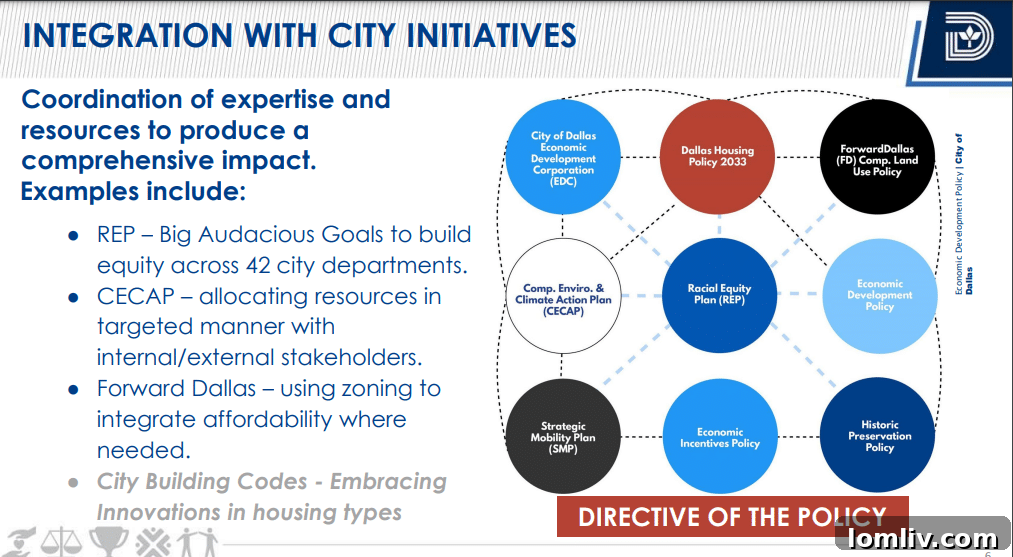
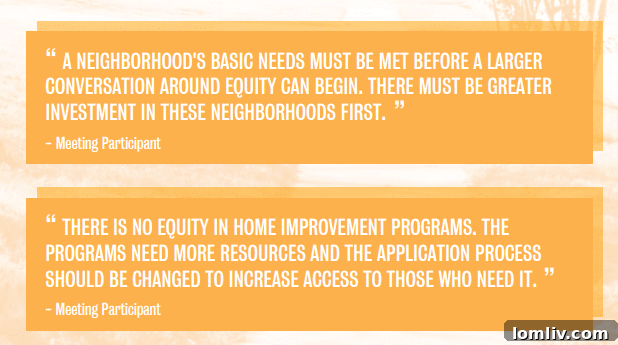
Director Noguera articulated a compelling and holistic vision, stressing that all these interconnected factors must converge to achieve the dual, paramount goals of robust neighborhood revitalization and a significantly improved quality of life for residents. He passionately argued that the mere provision of a housing unit, while fundamental, is ultimately insufficient if the surrounding community environment remains plagued by systemic challenges. “I can take you around to each of the projects that we’ve done, but having a unit is not the same as changing the quality of life for the people who live in that area,” Noguera explained with conviction. He painted a vivid and relatable picture: “You can have a new home or a fixed-up home, but if they’re still selling drugs next door, if every time it rains your front yard floods out, if you’ve still got to worry about walking around the street and getting bit by a wild dog or some other issue, we haven’t improved the quality of life for those folks.” This profound insight underscores the policy’s deep commitment to a comprehensive approach, recognizing that a truly meaningful home is inextricably part of a larger, supportive community ecosystem.
Noguera further clarified that while he does not claim to possess a “magic wand” capable of instantaneously resolving all complex urban dilemmas, he unequivocally recognizes the paramount importance of thoroughly integrating various city initiatives. The new housing policy is deliberately envisioned as a powerful catalyst for convening diverse stakeholders—extending far beyond just housing developers—to collaboratively address the multifaceted challenges confronting neighborhoods. “We can bring the players to the table who specialize in those things that are not the production of housing,” he stated, referring to experts in areas such as public safety, critical infrastructure development, comprehensive environmental management, educational enrichment, and access to quality healthcare. The ultimate objective is not merely the construction of aesthetically pleasing houses but the fostering of comprehensive, integrated improvements that genuinely enhance the overall well-being and elevate the quality of life for all Dallas residents. This integrated, multi-sectoral strategy promises to yield far more sustainable and impactful outcomes than any fragmented or siloed efforts could ever achieve.
Deputy Mayor Pro Tem Omar Narvaez was a staunch advocate for extensive and deeply inclusive community engagement, underscoring the absolute necessity of hearing from all residents, including those who may not be registered Dallas voters or who primarily speak languages other than English. His impactful statement, “When we put dollars before people, we fail,” resonated profoundly throughout the chamber, serving as a powerful reminder that all economic considerations must be meticulously balanced with fundamental human needs and overarching social equity. Narvaez acknowledged that the implementation of this ambitious policy will undoubtedly “cost a lot of money,” but he strongly urged both the council and the broader community not to “shy away from it.” Instead, he passionately advocated for adopting a long-term strategic perspective and fostering a collective commitment: “We’ve got to be thinking long-term. We’ll figure it out, and we’ll do that together.” This inspiring sentiment encapsulates the spirit of profound collaboration and forward-looking vision that the Dallas Housing Policy 2033 endeavors to instill, aiming to meticulously construct a more equitable, vibrant, and resilient city that will benefit generations to come.