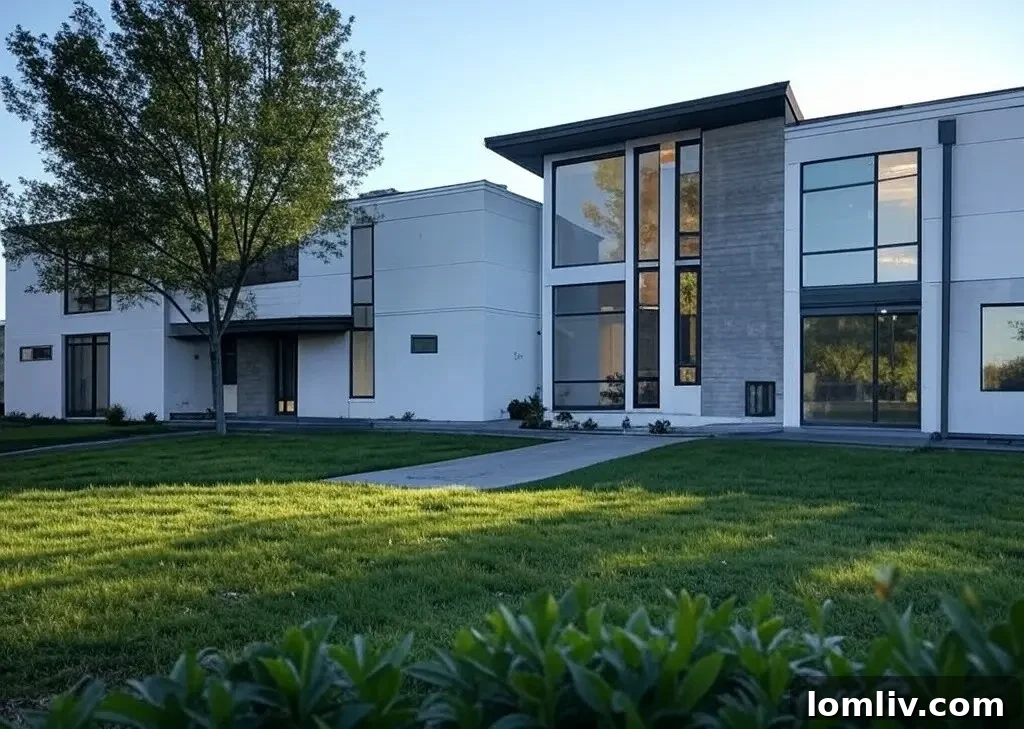
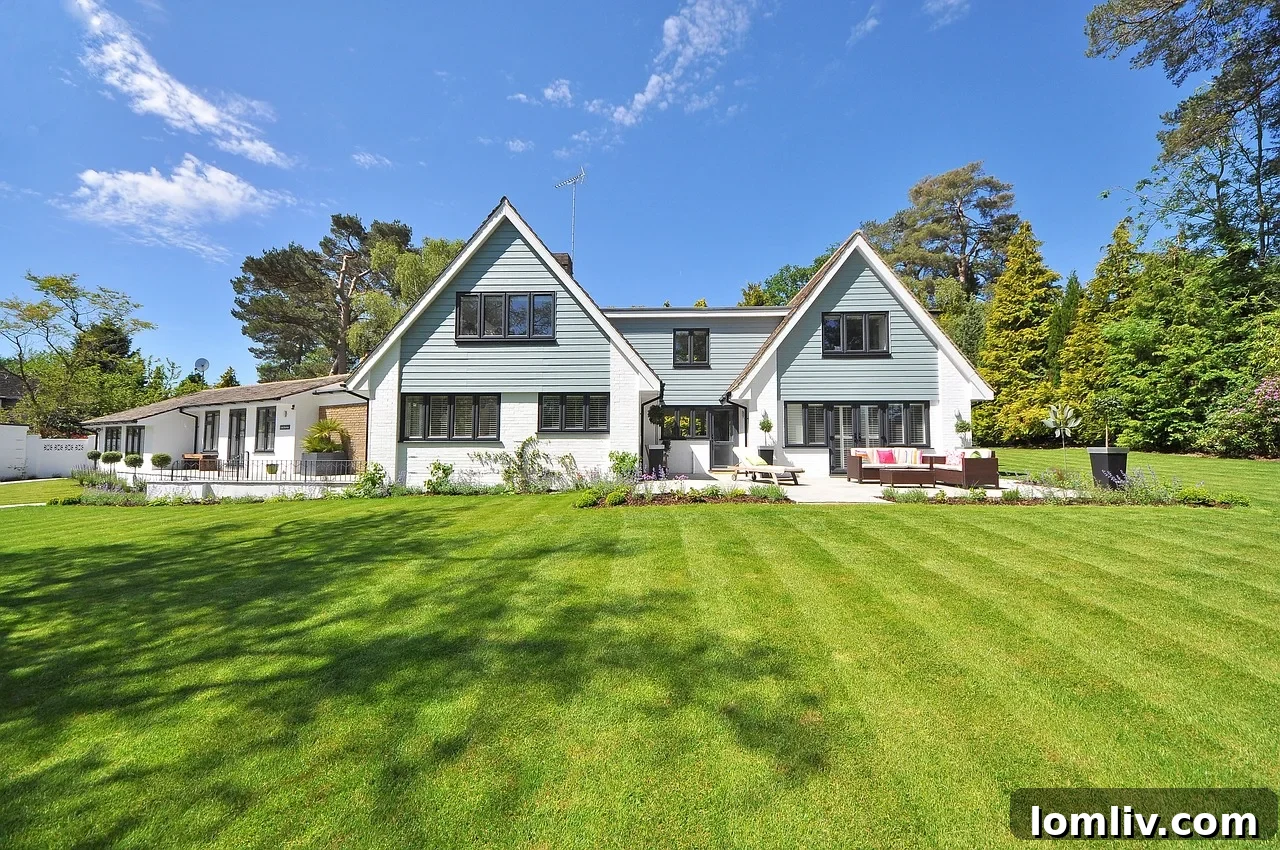
The landscape of Dallas is undergoing a profound transformation, moving away from traditional, water-intensive practices towards more sustainable and environmentally conscious solutions. For years, homeowners in Dallas and across North Texas have grappled with the ever-increasing cost of maintaining lush, conventional lawns. Water rates are steadily climbing, and a staggering 40 to 70% of typical household water consumption is often dedicated to outdoor activities, primarily irrigation. This traditional approach to Dallas landscaping is not just expensive; it’s increasingly impractical and unsustainable, especially given our region’s hot, arid climate and frequent drought conditions. During the scorching summer months, when lawns demand constant hydration, water usage skyrockets, putting a significant strain on both household budgets and vital natural resources.
However, there’s a silver lining. A growing movement towards sustainable landscaping offers powerful, impactful solutions that harmoniously integrate with our local environment rather than working against it. This shift is not merely a trend; it’s a smart investment in the future, safeguarding both your property’s value and our shared ecological well-being. Across Dallas neighborhoods, homeowners are discovering how thoughtful design and innovative technologies can create breathtaking outdoor spaces that thrive with minimal water and maintenance, proving that beauty and responsibility can coexist.
Embracing Modern Xeriscaping: A Paradigm Shift in Dallas Landscapes
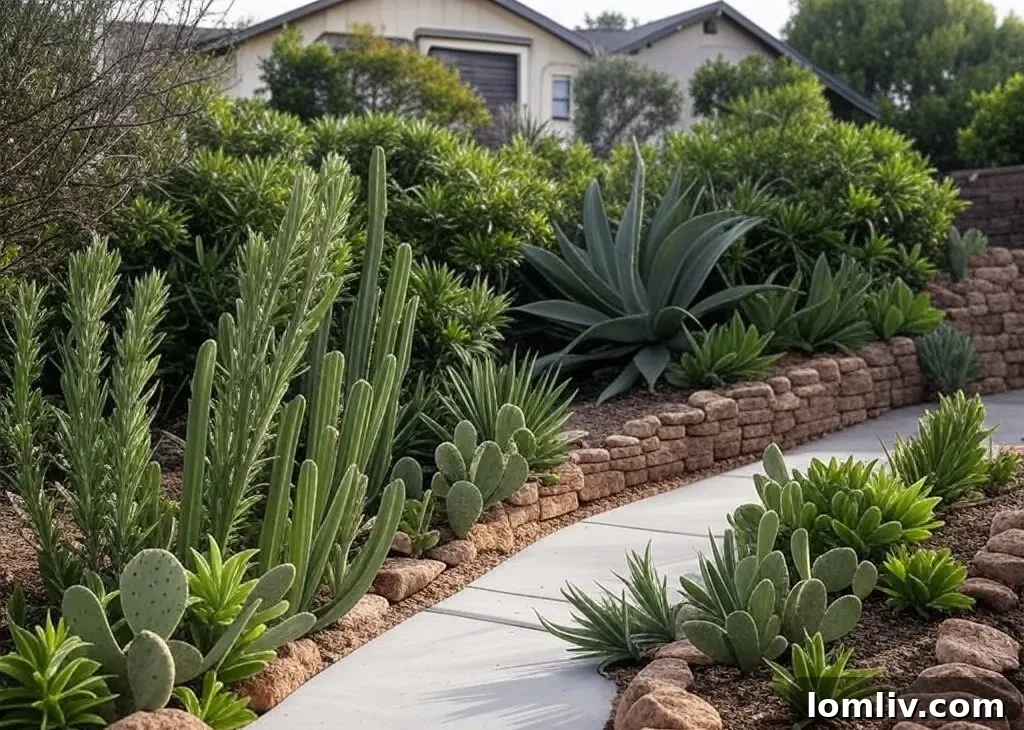
When the term “xeriscaping” is mentioned, many homeowners might still conjure images of stark, uninviting yards dominated by rocks and a few cacti. While it’s true that early interpretations sometimes leaned towards minimalism, modern xeriscaping has undergone a remarkable evolution. Today, it stands as a sophisticated and highly effective landscape design approach that requires little to no supplemental irrigation, perfectly suited for the challenging Dallas climate. This contemporary method prioritizes water conservation without sacrificing aesthetic appeal, allowing for vibrant, diverse, and visually stunning outdoor spaces that are as beautiful as, if not more captivating than, traditional gardens.
The economic and environmental benefits are undeniable. The Texas Water Development Board highlights that meticulously designed xeriscaped yards can dramatically cut outdoor water consumption by an impressive 60%. Beyond the immediate water savings, this approach significantly reduces ongoing maintenance costs associated with mowing, fertilizing, and pest control, offering long-term financial relief to homeowners. Moreover, modern xeriscaping enhances your property’s curb appeal, making it an attractive feature for potential buyers who are increasingly prioritizing sustainability and lower utility bills.
Key Principles of Successful Xeriscaping in Dallas
Achieving a thriving xeriscape involves more than simply choosing drought-tolerant plants. It encompasses a holistic design philosophy based on several core principles:
- Smart Planning and Design: Start with a clear plan that considers sun exposure, soil type, existing features, and aesthetic goals. Group plants with similar water needs together to optimize irrigation.
- Soil Improvement: Dallas’s native clay soil can be challenging. Amending it with organic matter improves drainage, aeration, and water retention, creating an ideal environment for resilient plants.
- Efficient Irrigation: Minimize or eliminate the need for supplemental watering by using highly efficient systems like drip irrigation, and by watering deeply and infrequently when necessary.
- Appropriate Plant Selection: Choose native and adapted plants that naturally thrive in the North Texas climate. These plants are accustomed to our rainfall patterns, temperatures, and soil conditions.
- Strategic Mulching: Apply a generous layer of organic mulch around plants. Mulch conserves soil moisture, suppresses weeds, moderates soil temperature, and enriches the soil as it decomposes.
- Limit Turf Areas: Replace large expanses of conventional lawn with drought-tolerant groundcovers, native grasses, or garden beds. If turf is desired, select drought-resistant varieties and confine it to functional areas.
- Regular Maintenance: While low-maintenance, xeriscapes still benefit from occasional pruning, weeding, and monitoring to ensure health and vitality.
Dallas’s Native Plant Palette: Beauty and Resilience
The beauty of modern xeriscaping truly shines through the selection of native and adapted plants. Varieties like Texas sage, with its striking purple blooms; black-foot daisies, offering delicate white flowers; and turk’s cap, known for its vibrant red blossoms, do more than just survive in our climate—they flourish. These hardy species have naturally evolved to withstand Dallas’s extreme temperatures, sporadic rainfall, and periodic droughts. Their deep root systems help them access water deep within the soil, significantly reducing the need for irrigation once established.
Beyond their resilience, native plants create dynamic, vibrant landscapes that support local ecosystems. They provide essential food and habitat for pollinators like bees and butterflies, as well as various bird species, fostering biodiversity right in your backyard. Consider incorporating other stunning options such as:
- Shrubs: Cenizo (Texas Sage), Esperanza, Autumn Sage, Flame Acanthus.
- Perennials: Purple Coneflower, Gaillardia, Coreopsis, Gulf Muhly Grass.
- Groundcovers: Frogfruit, Sedum, Horseherb.
These plants, once established, require minimal ongoing care, transforming your yard into a self-sustaining oasis. For homeowners with ponds, integrating sustainable practices extends to water features. Exploring resources like Pond Haven can help you find reliable equipment and supplies to maintain your pond efficiently, preventing water waste and ensuring its ecological balance within your sustainable landscape.
Smart Solutions for Water-Wise Dallas Homes
The integration of smart technology is a cornerstone of modern sustainable landscaping in Dallas. The data speaks for itself: homes equipped with sophisticated irrigation systems and thoughtful sustainable designs typically achieve a remarkable 40-50% reduction in outdoor water use. This translates into substantial savings, particularly during those extended, scorching Dallas summers when conventional landscapes demand continuous, often excessive, watering. Investing in these smart solutions is not just about conserving water; it’s about optimizing resource management, enhancing convenience, and significantly lowering operational costs for homeowners.
The Evolution of Rainwater Harvesting
Rainwater harvesting has advanced significantly beyond the simple rain barrel. Today’s sophisticated rainwater capture systems can collect thousands of gallons annually, offering a sustainable source of irrigation water. These systems are designed to integrate seamlessly into your property’s existing architecture and landscape, often becoming an aesthetic feature rather than an eyesore. From discreet underground cisterns to elegant above-ground collection tanks, options abound to suit various home styles and water storage needs.
Many modern rainwater harvesting systems boast an impressive return on investment, often paying for themselves within 3-5 years through reduced water bills. This financial incentive, combined with the ecological benefits of reducing stormwater runoff and conserving potable water, makes them an increasingly popular and valuable feature in high-end Dallas homes and environmentally conscious communities.
Intelligent Irrigation: Watering Smarter, Not Harder
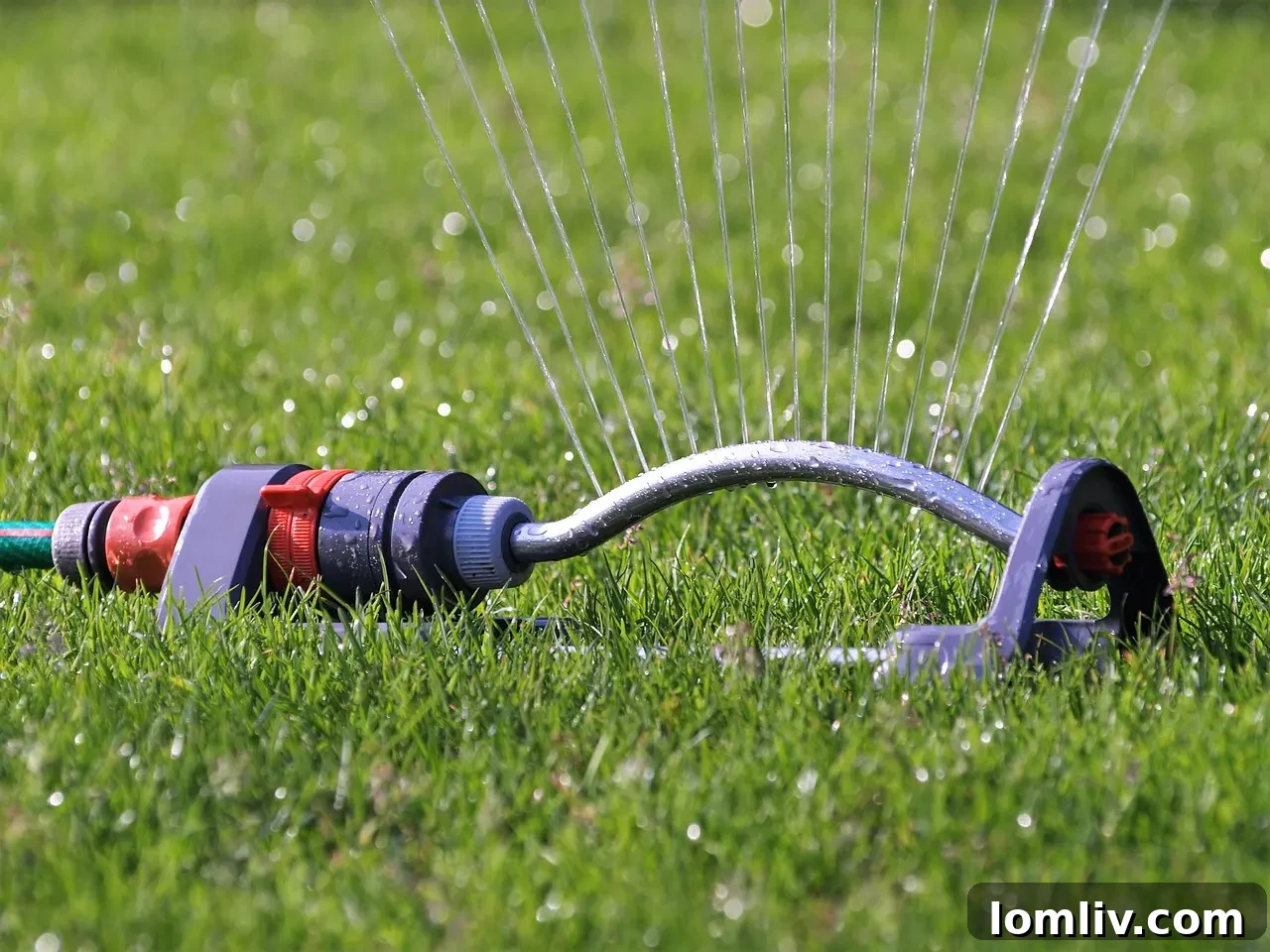
Perhaps no technology has revolutionized water conservation in landscaping more than smart irrigation. These modern systems go far beyond simple timers; they are intelligent networks that integrate real-time weather data, soil moisture sensors, and plant-specific requirements to deliver precise amounts of water exactly when and where it’s needed. Key features include:
- Weather-Based Controllers: These systems automatically adjust watering schedules based on local weather forecasts, rainfall data, and evapotranspiration rates. If a rainstorm is predicted or has just occurred, the system will pause or skip irrigation cycles, preventing wasteful overwatering.
- Soil Moisture Sensors: Placed strategically in garden beds, these sensors measure the actual moisture content of the soil. The system only waters when the soil falls below a predefined threshold, ensuring optimal hydration without saturation.
- Zone Control: Different areas of your landscape (e.g., sunny flower beds, shady shrubs, vegetable gardens) have varying water needs. Smart irrigation allows for individualized watering schedules and durations for each zone, maximizing efficiency.
- Drip and Micro-Irrigation: These methods deliver water directly to the root zone of plants, minimizing evaporation and runoff. They are highly effective for garden beds, trees, and shrubs, providing targeted hydration that conventional sprinklers cannot match.
- Remote Management: Many smart systems can be controlled and monitored via smartphone apps, allowing homeowners to adjust settings, check water usage, and receive alerts from anywhere.
By preventing unnecessary watering, smart irrigation systems in Dallas do more than just save water—they promote healthier plant growth, reduce the risk of fungal diseases, and significantly lower your monthly utility bills. They represent a fundamental shift towards proactive, data-driven resource management, ensuring that every drop counts.
The Foundation of Success: Optimizing Soil Health in Dallas Landscapes
When discussing sustainable landscaping, the critical role of soil health is often overlooked, yet it forms the very bedrock of a thriving, water-efficient garden. While Dallas’s native clay-based soil presents unique challenges, it also offers immense opportunities for improvement and transformation. Understanding and nurturing your soil is paramount to cultivating a resilient and beautiful landscape that truly flourishes in the local climate.
Understanding Dallas’s Clay Soil
Dallas is primarily characterized by heavy, expansive clay soils. While clay is rich in nutrients, its fine particles can compact easily, leading to poor drainage and limited aeration. This can stifle root growth, make it difficult for water to penetrate deeply, and create an environment where many non-native plants struggle. However, with the right approach, this dense clay can be transformed into a highly productive and water-retentive medium.
The Power of Soil Testing and Amendments
The first step towards optimal soil health is a professional soil test. Local soil labs, such as those associated with Texas A&M AgriLife Extension, can provide invaluable insights into your soil’s composition, pH levels, and nutrient deficiencies. Most reports reveal that Dallas yards often require only minor amendments to create an ideal growing environment, particularly for native plants.
The most effective amendments for Dallas clay typically include a balanced mix of expanded shale and organic compost. Expanded shale, a lightweight, porous material, is excellent for improving drainage and aeration, breaking up the dense clay structure. Organic compost, on the other hand, is a powerhouse for soil enrichment. It adds a wealth of essential nutrients, improves the soil’s structure, enhances its water-holding capacity, and fosters a vibrant community of beneficial microorganisms. Together, these amendments transform dense, impermeable clay into rich, workable soil that supports robust root development and efficient water absorption.
Modern Composting: A Cornerstone of Sustainable Soil Management
Composting has evolved from a simple gardener’s hobby into a sophisticated and integral component of modern landscape management trends. Today’s composting systems, from simple backyard bins to advanced tumblers and vermicomposting setups, efficiently process yard waste, kitchen scraps, and other organic materials with minimal oversight. This transforms what would otherwise be waste into a valuable, nutrient-rich soil amendment.
The benefits of incorporating compost are profound. Research indicates that soil with just 5% more organic matter can retain up to 20% more water. This dramatic increase in water retention acts as a natural “defense” mechanism during prolonged dry spells and droughts, significantly reducing the need for supplemental irrigation. Furthermore, healthy, compost-amended soil minimizes nutrient runoff, supports beneficial fungal and bacterial networks, and creates a thriving ecosystem beneath your plants, fostering overall resilience and vitality.
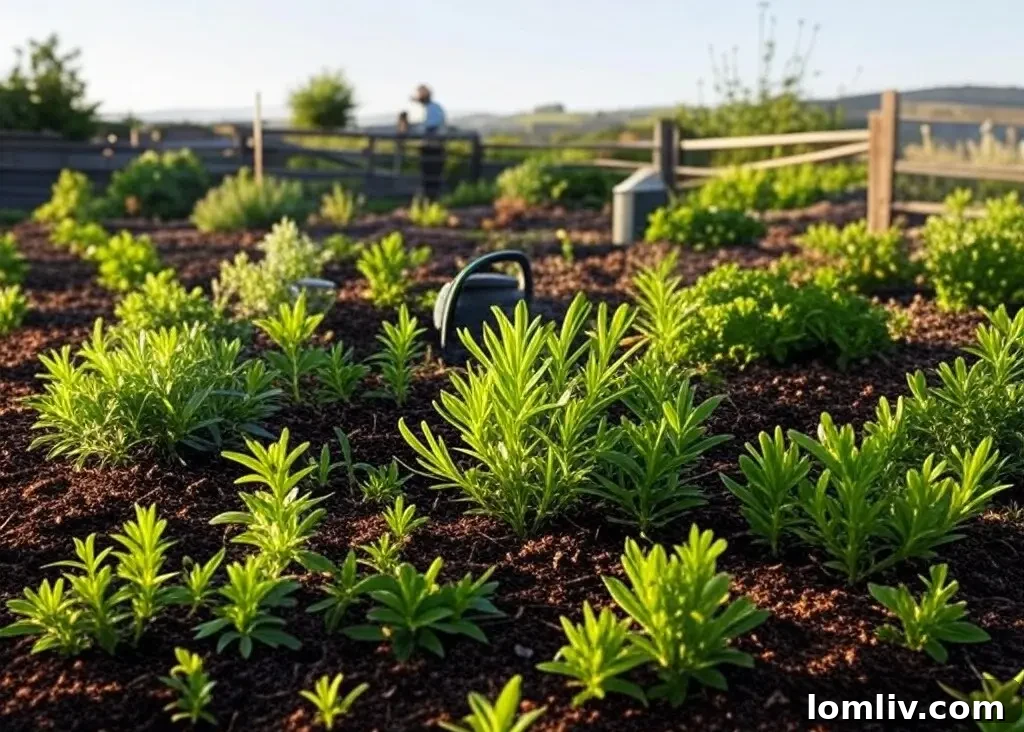
Another crucial soil management practice is mulching. Applying a 2-4 inch layer of organic mulch (like shredded bark, wood chips, or pine needles) around plants helps to:
- Conserve Moisture: Reduces evaporation from the soil surface, keeping roots hydrated longer.
- Suppress Weeds: Blocks sunlight, preventing weed seeds from germinating and competing with your desirable plants for water and nutrients.
- Regulate Soil Temperature: Insulates the soil, keeping it cooler in the summer and warmer in the winter, protecting delicate root systems.
- Improve Soil Health: As organic mulch decomposes, it gradually adds valuable organic matter to the soil, enhancing its structure and fertility.
Proper soil management is not just about growing healthier plants; it’s about building a robust, self-sustaining ecosystem that requires less external intervention and fewer resources, making your Dallas landscape truly sustainable.
Long-Term Benefits: Reduced Maintenance and Ecological Harmony
One of the most compelling advantages of converting to sustainable landscaping is the dramatic shift in the maintenance equation. Traditional lawns are notoriously high-maintenance, demanding frequent mowing, constant watering, and regular applications of fertilizers and pesticides. In stark contrast, sustainable landscapes, particularly those featuring native plants and xeriscaping principles, offer a significantly lower-maintenance solution, freeing up your time, reducing costs, and fostering a healthier environment.
Research from Texas A&M AgriLife Extension highlights that native plant gardens typically require about 75% less maintenance compared to conventional lawns. Consider the stark difference: during the peak growing season, a traditional lawn might consume 4-5 hours of weekly upkeep for mowing, edging, and watering. A well-designed native garden, once established, might only require an hour or less of occasional attention each week, primarily for light pruning or spot weeding. This time-saving benefit allows homeowners to enjoy their outdoor spaces more and labor less.
A Self-Sustaining Ecosystem
The reduced maintenance isn’t just about saving time; it’s about creating a landscape that inherently takes care of itself. Native plants are perfectly adapted to the local environment, meaning they thrive without the constant intervention required by non-native species:
- Minimal Fertilization: Unlike nutrient-hungry traditional turfgrasses, native plants have evolved to utilize the nutrients available in local soils. Their extensive root systems often form symbiotic relationships with soil microorganisms, allowing them to access nutrients efficiently, rendering supplementary fertilizers largely unnecessary. This eliminates the cost of fertilizers and prevents harmful runoff into local waterways.
- Natural Pest and Disease Resistance: Native plants have developed natural defenses against the common pests and diseases prevalent in their native habitats. This inherent resistance significantly reduces or even eliminates the need for chemical pesticides, which can be costly, harmful to beneficial insects, and toxic to pets, children, and the broader ecosystem.
- Attracting Beneficial Wildlife: By choosing native plants, you’re not just creating a garden; you’re building a vibrant ecosystem. Native flora attracts local wildlife, including pollinators like butterflies and hummingbirds, as well as beneficial insects that act as natural predators for common garden pests. This natural pest control mechanism reduces the reliance on chemical interventions, leading to a healthier, more balanced outdoor space.
- Reduced Mowing: Replacing large turf areas with native plant beds, groundcovers, or drought-tolerant grasses drastically reduces the need for frequent mowing. This saves time, fuel, and reduces carbon emissions, contributing to a smaller environmental footprint.
Ultimately, a sustainable Dallas landscape operates on principles of ecological harmony. It works with nature, allowing plants to thrive in their ideal conditions, fostering biodiversity, and minimizing human intervention. This results in a beautiful, resilient, and virtually self-sufficient garden that contributes positively to the environment and to your quality of life.
The Investment Perspective: Future-Proofing Your Dallas Property
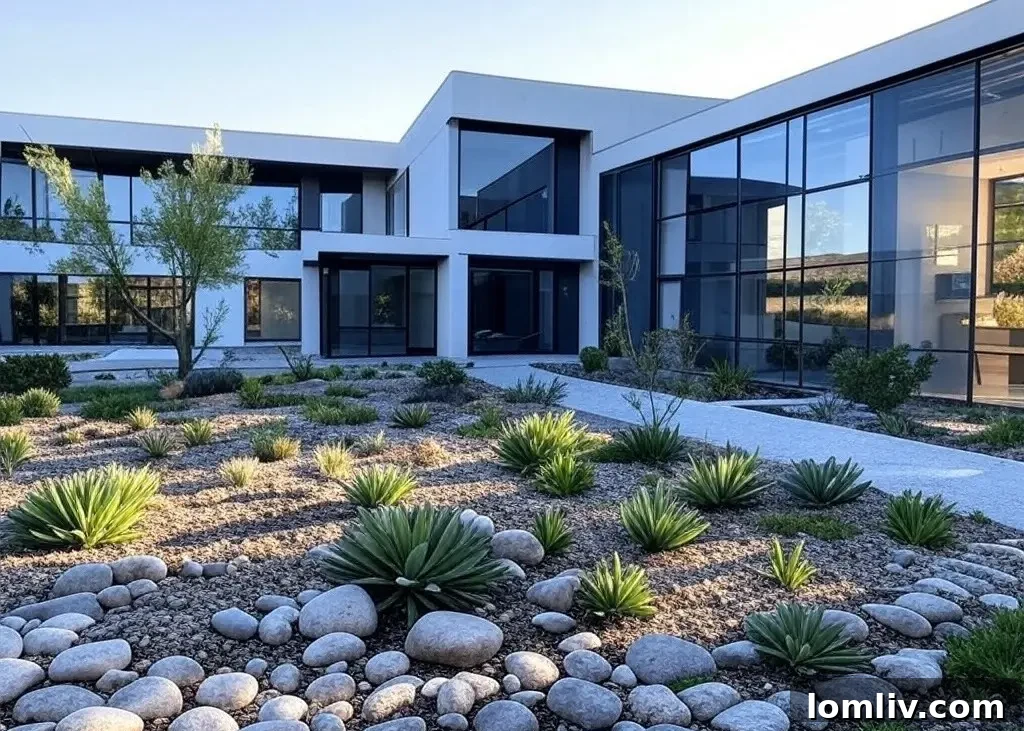
Beyond the immediate environmental and cost-saving benefits, investing in sustainable landscaping for your Dallas home offers significant long-term financial advantages, particularly in terms of property value. As water scarcity becomes a more pressing concern and environmental consciousness grows, homes featuring water-efficient, eco-friendly landscapes are increasingly commanding premium prices. In some Dallas areas, properties with thoughtfully designed sustainable outdoor spaces have been observed to achieve up to 10% higher property values compared to those with conventional, water-guzzling lawns. This isn’t merely about current utility bill savings; it’s about future-proofing your property investment and aligning with evolving market demands.
Prospective homebuyers are increasingly discerning, looking beyond superficial aesthetics to evaluate a home’s operational costs and environmental footprint. A sustainable landscape signals responsible ownership, lower ongoing expenses, and a commitment to a greener lifestyle, making your property significantly more attractive in a competitive market. Furthermore, many municipalities and utility providers offer rebates or incentives for homeowners who adopt water-saving technologies and practices, further enhancing the financial appeal of sustainable landscaping.
Consider these comprehensive long-term benefits of a sustainable Dallas landscape:
- Immediate Reduction of 40-60% in Outdoor Water Usage: Implementing efficient irrigation systems, rainwater harvesting, and drought-resistant native plants drastically cuts your water bills, saving you hundreds, if not thousands, of dollars annually over the lifetime of your home.
- Significantly Lower Maintenance Costs and Time Commitment: With native plants requiring less mowing, fertilizing, and pest control, you’ll save on labor, equipment, and chemical expenses, transforming weekends from yard work to relaxation.
- Enhanced Resilience During Drought Conditions: Sustainable landscapes are designed to withstand Dallas’s intense heat and periodic droughts. Your outdoor space will remain attractive and functional even when traditional lawns turn brown and struggle, providing consistent beauty and peace of mind.
- Increased Property Value and Market Appeal: A well-designed, water-efficient landscape is a key differentiator in the real estate market, attracting environmentally conscious buyers and potentially securing a higher selling price for your home.
- Reduced Need for Chemical Treatments: By fostering a natural ecosystem, you minimize reliance on harmful pesticides and synthetic fertilizers. This leads to a healthier environment for your family, pets, and local wildlife, while also reducing costs and environmental impact.
- Lower Carbon Footprint from Decreased Mowing Needs: Less frequent mowing means reduced fuel consumption and fewer emissions, contributing to a cleaner atmosphere and a more sustainable living environment for homeowners and the wider community.
- Contribution to Local Biodiversity: Planting native species supports local pollinators, birds, and beneficial insects, playing a crucial role in maintaining ecological balance and natural beauty.
Investing in sustainable landscaping is an intelligent decision that pays dividends for years to come—financially, environmentally, and aesthetically. It elevates your property, aligns with modern values, and secures its place as a desirable asset in the evolving Dallas real estate market.
Moving Forward: A Sustainable Future for Dallas Landscapes
The conversation around water conservation is becoming increasingly urgent, not just in North Texas but globally. Dallas’s proactive shift towards sustainable landscaping is a vital and responsible response to the undeniable realities of our regional climate challenges. Creating a landscape that works harmoniously with our environment, rather than constantly fighting against it, is not merely a preference—it’s an intelligent, essential strategy for long-term resilience and prosperity.
For homeowners contemplating this transition, there has never been a better time to act. The ecosystem of support for sustainable practices is rapidly expanding. Local nurseries are significantly broadening their selections of native and drought-tolerant plants, making it easier than ever to find species perfectly suited for your yard. Furthermore, municipal rebate programs and incentives are increasingly available to help offset the initial costs of converting to water-efficient landscapes and installing smart irrigation systems, making the switch more accessible and financially viable.
Crucially, embracing sustainable landscaping does not mean sacrificing the visual appeal of your property. Far from it. As evidenced by many stunning transformations across the city, you will not only maintain but likely enhance your curb appeal. Sustainable design encourages creativity, allowing you to reimagine and diversify the beauty of your Dallas landscape. Instead of a monotonous monoculture, you can cultivate a dynamic, textured, and colorful garden that is uniquely yours and thrives naturally.
To embark on this rewarding journey, always begin with a professional assessment of your current landscape. Expert guidance can help you understand your specific soil conditions, sun exposure, and microclimates, ensuring that your new outdoor space is meticulously designed to not just survive but truly flourish in Dallas’s unique climate. By making thoughtful choices today, Dallas homeowners can contribute to a greener, more resilient future for their properties and their community, one sustainable landscape at a time.