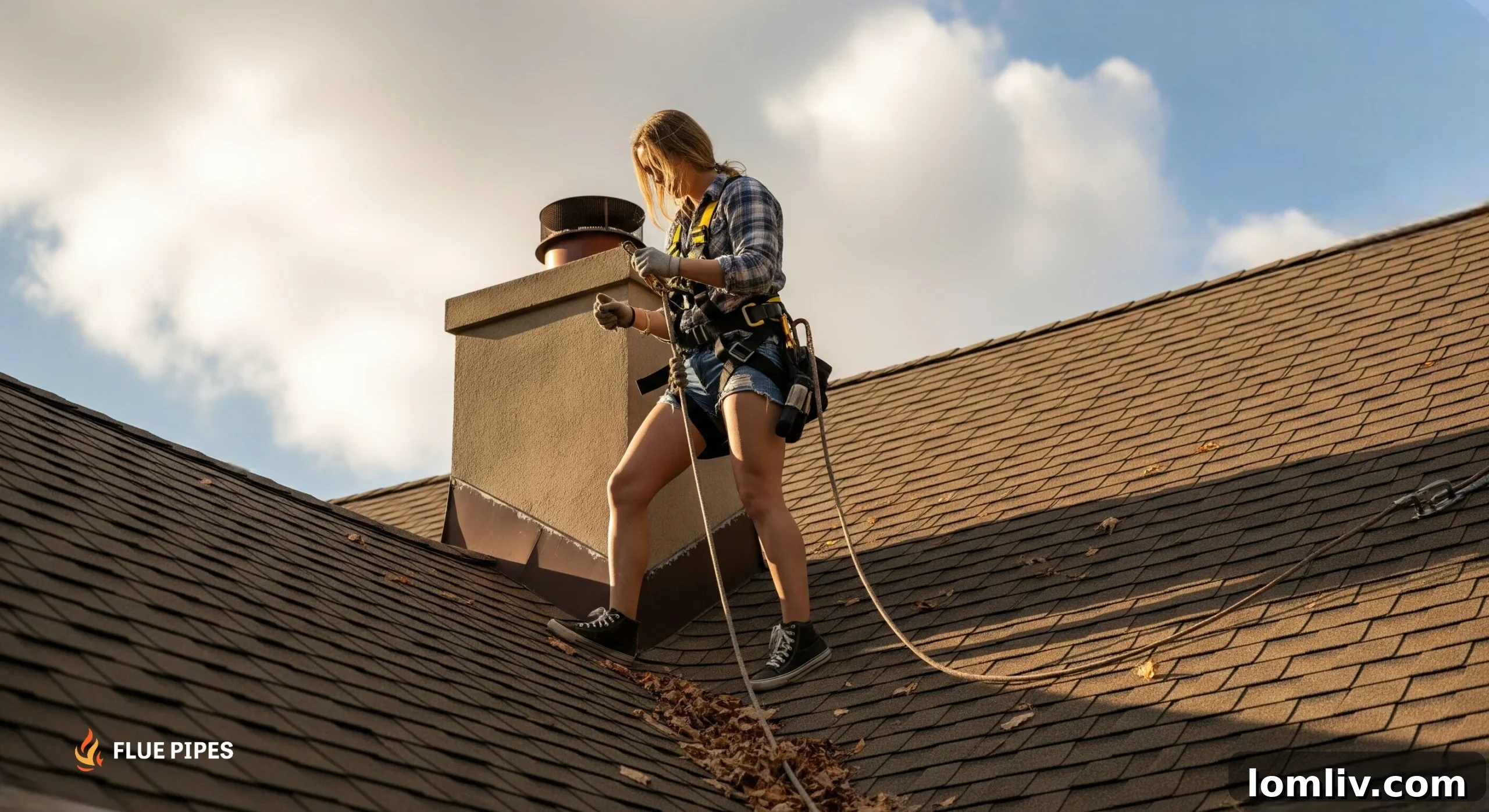
Are you a Dallas homeowner exploring smart ways to enhance your property’s value while simultaneously battling those ever-increasing heating bills? Investing in a modern wood stove could be one of the most impactful decisions you make this year. However, for many, the initial hurdle is the daunting cost of professional installation. Typical professional chimney installations can easily range from $3,000 to $5,000 or even higher, transforming what should be a cost-saving home upgrade into a significant upfront expense. This article will guide you through the process of installing your own wood stove chimney system. While it might sound complex, the truth is that with the right knowledge, quality materials, and a commitment to safety, this DIY project is more achievable than you think. By taking on the installation yourself, you stand to save thousands of dollars, accelerate your return on investment, and gain invaluable peace of mind.
Embracing DIY: Why Dallas Homeowners Are Taking Control of Their Heating Costs
The real estate landscape in Texas, particularly in Dallas, has experienced unprecedented growth and a fiercely competitive market for years. This boom, while great for property values, comes with a downside: escalating costs across the board. Skilled contractors are in high demand, driving up labor and installation fees for various home improvements. Concurrently, energy prices continue their relentless climb, making the search for alternative, more sustainable, and affordable heating solutions more urgent than ever for Dallas families.

A high-efficiency wood stove offers a compelling answer to these challenges. During the crisp North Texas winters, a quality wood stove can drastically reduce your heating expenditures by 50% or even more. When you combine these ongoing energy savings with the substantial sum you’ll pocket by performing the installation yourself, the payback period for your investment shrinks significantly—often to just a few seasons rather than several years. This rapid return on investment makes the installation of a wood stove a financially astute move.
Beyond the undeniable financial advantages, there’s immense satisfaction that comes from successfully completing a significant home improvement project on your own. A DIY chimney installation means you’ll gain an intimate understanding of every aspect of your heating system: exactly how each component is installed, the specific parts used, and precisely how to maintain the system for optimal performance and safety. This deep knowledge and the resulting peace of mind, knowing your heating system is installed correctly and safely, are invaluable benefits that extend far beyond monetary savings.
Demystifying Your Wood Stove Chimney: Essential Components Explained
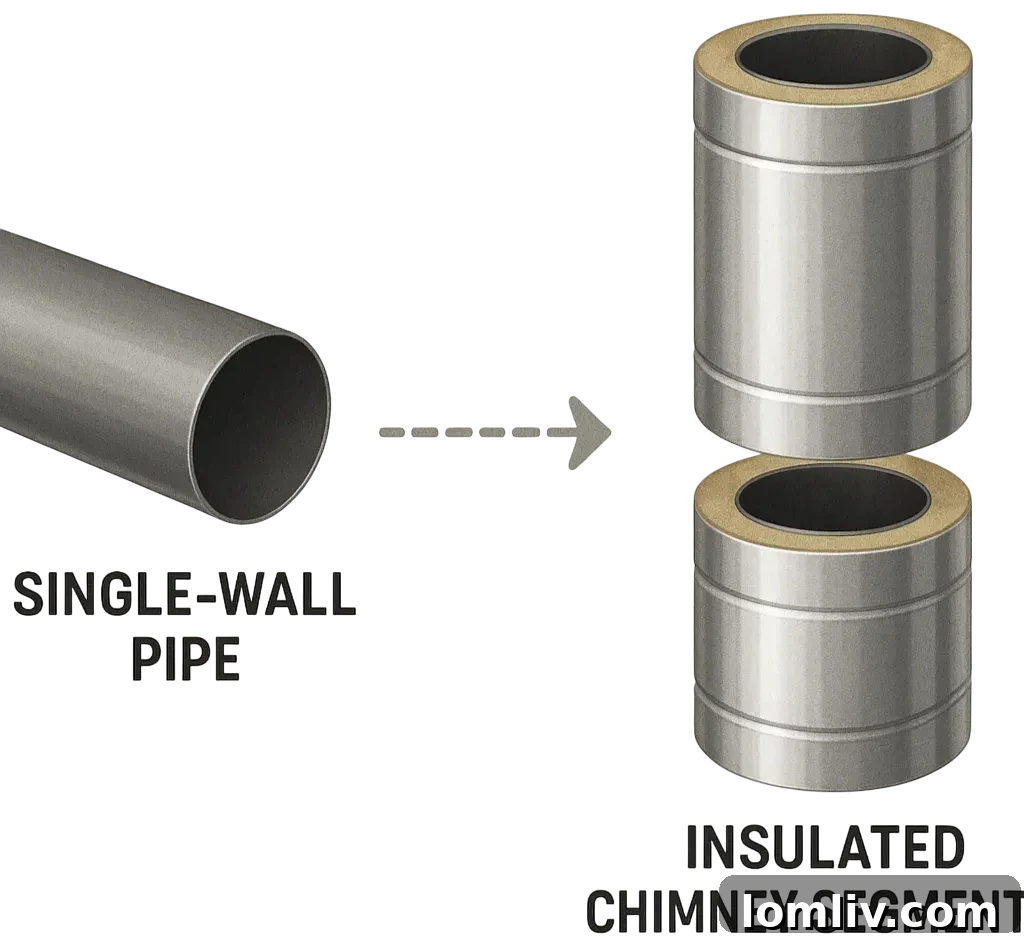
Before you begin the hands-on work of installation, it’s crucial to grasp the fundamental architecture of a modern wood stove chimney system. These systems are carefully engineered assemblies of several key components, all designed to work in concert to safely and efficiently vent combustion gases from your wood stove to the exterior of your home, preventing hazardous fumes from entering your living space.
The journey of combustion gases begins with the stove pipe, sometimes referred to as connector pipe. This component serves as the vital link between your wood stove’s exhaust outlet and the main chimney system. Typically, stove pipe is either single-wall or double-wall. Single-wall pipe requires greater clearance from combustible materials due to its higher surface temperature, while double-wall pipe offers reduced clearances and improved efficiency by keeping flue gases hotter. The diameter of the stove pipe is critical; most residential wood stove installations utilize 6-inch stove pipe, but larger stoves might necessitate 8-inch systems. Always consult your stove’s manufacturer specifications, as using the incorrect diameter can lead to dangerous draft issues, excessive creosote buildup, and even void your warranty.
Once the stove pipe transitions from the immediate living area and passes through walls, ceilings, or the roof, you move to the insulated Class A chimney pipe. This is where safety and performance become paramount. Class A chimney pipe is a double-wall or triple-wall pipe, meticulously designed with integrated insulation to maintain safe clearances from any combustible building materials (like wood framing, drywall, or insulation). The insulation also plays a crucial role in keeping the flue gases hot, which is essential for maintaining a strong, consistent draft and minimizing the formation of creosote, a hazardous byproduct of incomplete combustion. These systems are engineered to withstand high temperatures and are often constructed from durable stainless steel to resist corrosion and ensure longevity.
Modern chimney manufacturers have invested heavily in standardization, providing detailed, user-friendly instructions and developing systems that don’t demand highly specialized tools or extensive construction expertise. Components are designed for logical assembly, often featuring twist-lock connections that ensure secure, airtight seals, making the DIY process surprisingly straightforward for the diligent homeowner.
Strategic Planning for a Seamless DIY Chimney Installation
Every successful and safe wood stove chimney installation begins with meticulous planning. Rushing this phase can lead to costly errors, delays, and, most importantly, safety hazards. Start by carefully determining the optimal location for your wood stove within your home. Consider factors such as heating efficiency (a central location often provides better heat distribution), proximity to external walls for chimney routing, and the structural integrity of your floor to support the stove’s weight. Aim to minimize the number of turns and horizontal runs in your chimney system; straighter vertical runs promote superior draft and reduce creosote accumulation.
Accurate measurement is your best friend during this planning phase. Precisely measure the distance from your proposed stove location to where the chimney will ultimately exit through the roof. This measurement will be instrumental in calculating the exact number and type of chimney components, such as pipe sections, elbows, and support boxes, you’ll need. Over-ordering or under-ordering parts can lead to frustrating and expensive delays, so take your time and measure twice, cut once.
It is imperative to acknowledge and adhere to local building codes. Even for DIY projects, new chimney installations almost invariably require permits from your local municipality. While specific requirements can vary from one jurisdiction to another, most building departments in the Dallas area are well-acquainted with modern, pre-fabricated chimney systems and the permitting process is generally uncomplicated. Contact your local building department early in your planning to understand their specific mandates, inspection requirements, and any necessary documentation. Often, they will refer to national standards like NFPA 211 (Standard for Chimneys, Fireplaces, Vents, and Solid Fuel-Burning Appliances), which provides comprehensive safety guidelines.
Crucially, pay close attention to clearances to combustible materials. Modern insulated chimney systems boast significantly less restrictive clearance requirements compared to older, traditional masonry chimneys. However, these specified clearances, as outlined in your chosen chimney system’s installation instructions and local codes, must be followed with absolute precision. Failing to maintain adequate separation between hot chimney components and flammable building materials is a leading cause of house fires. These instructions will clearly detail the minimum distances required for safe operation, typically measured from the outer wall of the chimney pipe to any wood, drywall, insulation, or other combustible elements in your home’s structure.
Investing in Safety: Choosing the Right Wood Stove Chimney Components
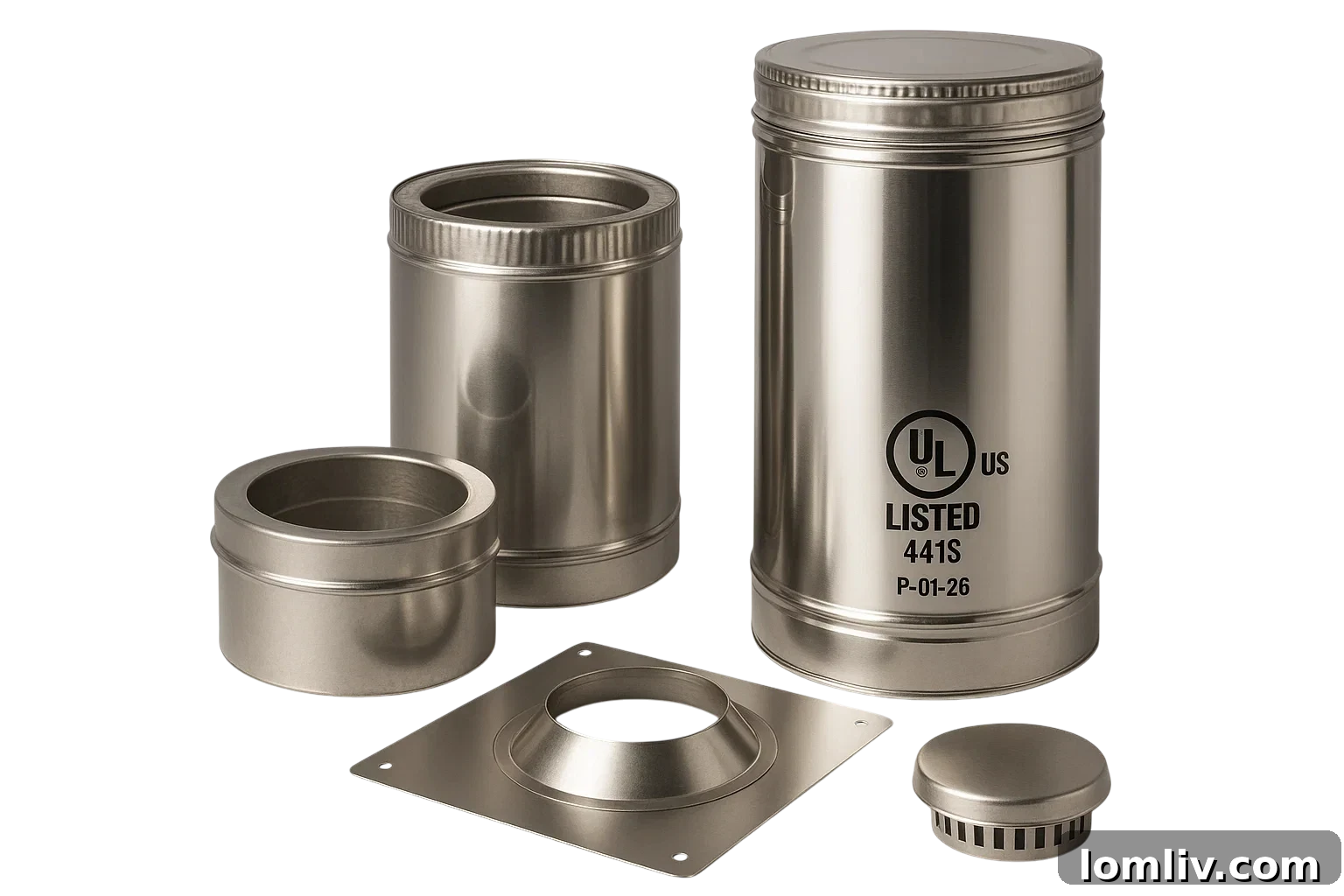
When it comes to your chimney system, safety is non-negotiable, and this is absolutely not the place to cut corners on quality. Your chimney is a critical safety component of your home, directly responsible for the safe venting of hot gases and preventing house fires. Therefore, always seek out UL-listed chimney systems. UL (Underwriters Laboratories) is a globally recognized testing and certification organization. A UL listing signifies that the chimney system has undergone rigorous testing by recognized laboratories and meets stringent safety and performance standards for solid fuel applications.
As you explore chimney pipes for wood stoves, you’ll encounter systems tailored for different applications. Remember the distinction: connector pipe (stove pipe) is used exclusively in the living space, connecting the stove to the first penetration point (wall or ceiling). In contrast, Class A insulated chimney pipe is mandated for any section that passes through or near combustible materials, including walls, ceilings, attics, and above the roofline. These pipes are typically constructed from high-grade stainless steel for superior durability, corrosion resistance, and ability to withstand extreme temperatures.
The 6-inch stove pipe diameter remains the industry standard for most residential wood stoves, but this is a specification you must verify directly from your specific stove’s manual. Using a pipe with an incorrect diameter, whether too large or too small, can severely compromise draft, leading to inefficient burning, excessive creosote buildup, and potentially dangerous conditions. It can also, as previously mentioned, invalidate your stove’s warranty.
For DIY installers, a fantastic resource is the availability of wood stove chimney kit packages. These comprehensive kits are designed to include all the primary components required for a typical installation, such as stove pipe, Class A chimney sections, wall thimbles, ceiling support boxes, roof flashing, and chimney caps. Kits simplify the ordering process, eliminate the guesswork of component compatibility, and often offer a more cost-effective solution than purchasing individual parts. Many suppliers offer various kit configurations, such as through-the-wall or through-the-ceiling kits, to match different installation scenarios.
Beyond the main pipe sections, remember to include essential accessories: a reliable chimney cap with a spark arrestor to prevent embers from escaping and keep out rain, snow, and wildlife; a storm collar to seal the space where the chimney passes through the roof flashing; and potentially a damper if your stove doesn’t have one integrated, to help regulate draft.
Step-by-Step Guide: Your DIY Wood Stove Chimney Installation Journey
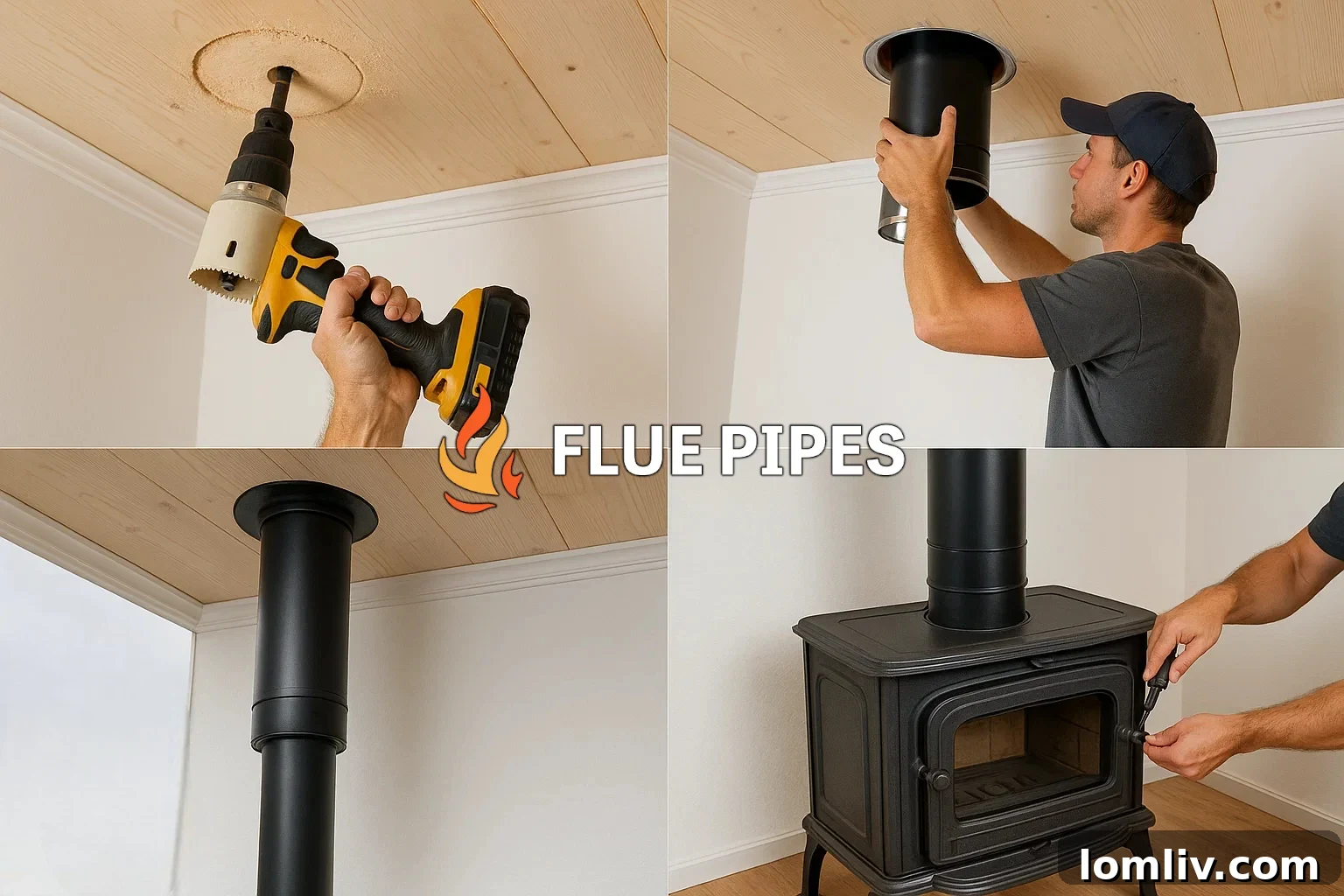
Modern chimney systems are brilliantly designed for logical, sequential assembly, much like a sophisticated set of building blocks. While specific details may vary slightly based on your chosen system and stove, most installations follow a general sequence, beginning at the stove and progressing upwards through the house to the roof termination point.
1. Connecting the Stove Pipe: You’ll typically start by securely connecting the first section of stove pipe to your wood stove’s exhaust outlet. Ensure a tight, leak-free connection, often secured with sheet metal screws. From this point, you’ll run the stove pipe to your chosen wall or ceiling penetration point. Remember to maintain all specified clearances to combustibles in this area.
2. Penetration Points and Supports: At the point where the pipe exits the living space, you will install the appropriate support and firestopping components: a wall thimble for through-the-wall installations or a ceiling support box for through-the-ceiling installations. These components are critical; they provide structural support for the chimney and act as a fire-rated barrier, ensuring safe separation from combustible framing materials. Precisely cutting the opening in your wall or ceiling and framing it out according to instructions is vital.
3. Transition to Insulated Chimney Pipe: The single-wall (or double-wall) connector pipe ends at this penetration point, and the transition to the Class A double-wall or triple-wall insulated chimney pipe begins. This transition is a key safety and functional element, as the insulated pipe is designed to handle the higher temperatures and required clearances beyond the immediate vicinity of the stove.
4. Assembling Insulated Sections: Once you’re working with the insulated chimney pipe, installation becomes a matter of assembling sections as you extend the chimney upwards through the house and attic space. Most systems feature a twist-lock or snap-lock connection mechanism that creates both a robust mechanical joint and an airtight seal. Pay close attention to the orientation of the pipe sections to ensure proper draft and prevent creosote leakage.
5. Roof Penetration and Weatherproofing: The roof penetration demands meticulous attention to detail for effective weatherproofing. A high-quality roof flashing system is essential to prevent water intrusion while allowing the chimney pipe to expand and contract safely with temperature fluctuations. Install the flashing, then a storm collar (sealed with high-temperature silicone), and finally, the chimney cap and spark arrestor. Take your time during this phase; even a small leak can lead to significant and expensive water damage down the road.
6. Bracing and Support: Depending on the height of your chimney extension above the roof, you may need to install additional bracing or support straps to ensure its stability against wind loads, especially in a region prone to strong winds like Dallas. Always refer to the manufacturer’s guidelines for external support requirements.
Your DIY Safety Net: Accessing Expert Chimney Installation Support
Even for the most prepared and detail-oriented DIYer, questions are bound to arise during a complex installation like a wood stove chimney system. Perhaps you’re uncertain about a specific clearance requirement for an unusual structural element, or you need advice on the optimal way to route your chimney through a particularly tricky section of your home. This is precisely where access to experienced, knowledgeable technical support becomes an invaluable asset and can make all the difference between frustration and a successful outcome.
Reputable suppliers, such as those at Flue-Pipes, understand that DIY installers have different support needs than seasoned contractors. Their specialists are equipped to walk you through specific installation challenges over the phone, offering expert guidance and troubleshooting advice. This means you can work through problems as they arise, often avoiding the need for an expensive service call from a professional installer. Such readily available backup instills confidence, empowering you to tackle the project yourself while knowing that expert assistance is just a phone call away. It’s like having an experienced installer virtually looking over your shoulder, ready to offer timely and accurate advice precisely when you need it most, ensuring both safety and correctness.
The Financial Freedom of DIY: Maximizing Your Wood Stove Investment
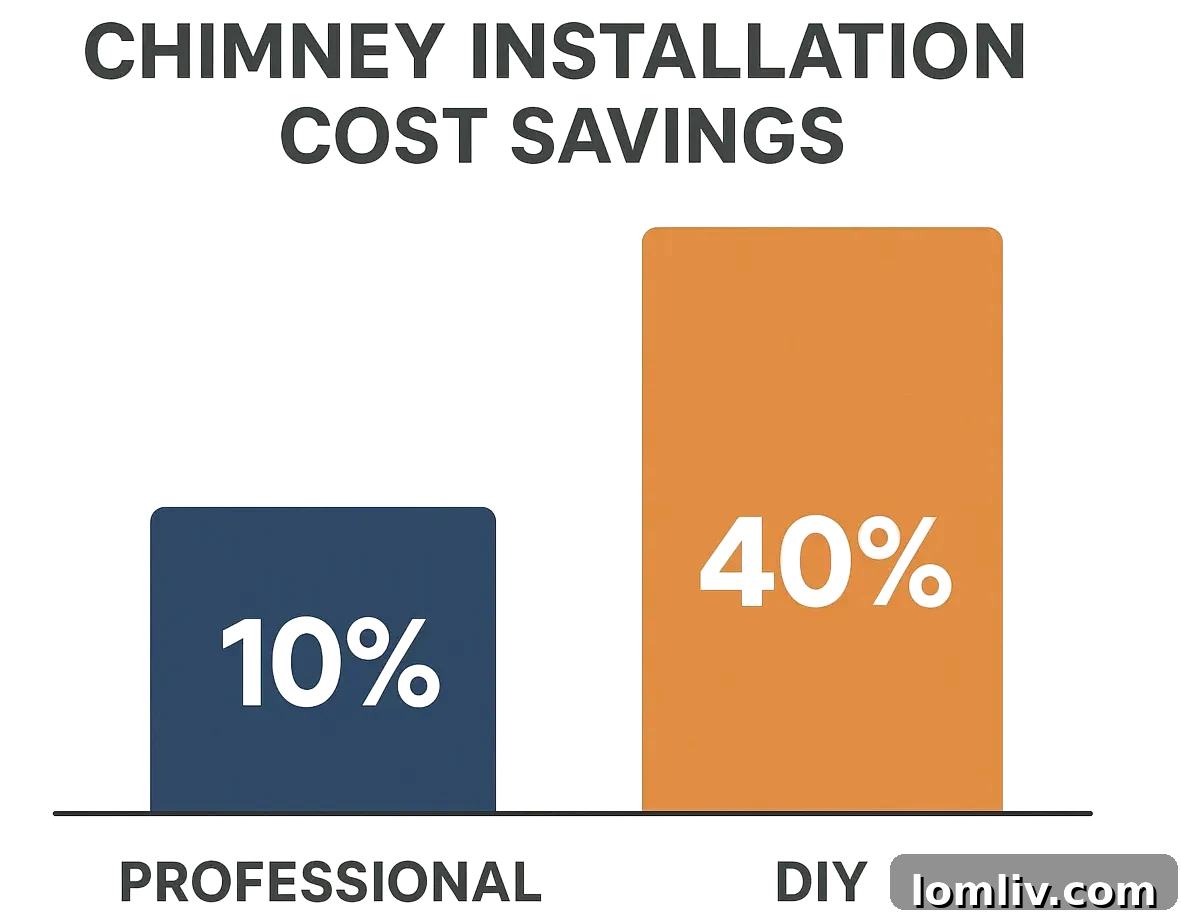
Let’s delve into the tangible financial benefits. A typical professional chimney installation in the Dallas area can range anywhere from $4,000 to $6,000, factoring in labor, contractor overhead, and profit margins. In stark contrast, purchasing the same high-quality, UL-listed chimney system directly as a DIY kit or individual components will typically cost between $800 and $1,500, depending on the chimney’s height, complexity, and specific components required.
Even when you factor in the potential cost of purchasing specialized tools (such as a good drill, saws, or safety equipment) that you might not already own, and conservatively estimating the value of your own time, you are still looking at an extraordinary savings of $2,500 to $4,000 on a typical installation. For many Dallas homeowners, this substantial saving represents money that can be reallocated to other essential home improvement projects, bolster a savings fund, or simply remain in your pocket. The return on investment for a DIY wood stove installation is not just about reducing heating bills; it’s also about a significant upfront cost reduction that makes the entire investment more accessible and appealing. This financial advantage accelerates the payback period for your wood stove, allowing you to enjoy the full benefits of reduced energy costs much sooner.
Safety First: Ensuring a Secure Wood Stove Chimney Installation
While the DIY approach offers significant rewards, it’s paramount to prioritize safety throughout the entire installation process. Working on roofs, handling heavy chimney components, and dealing with potential heights requires a diligent and cautious approach. Here are key safety considerations:
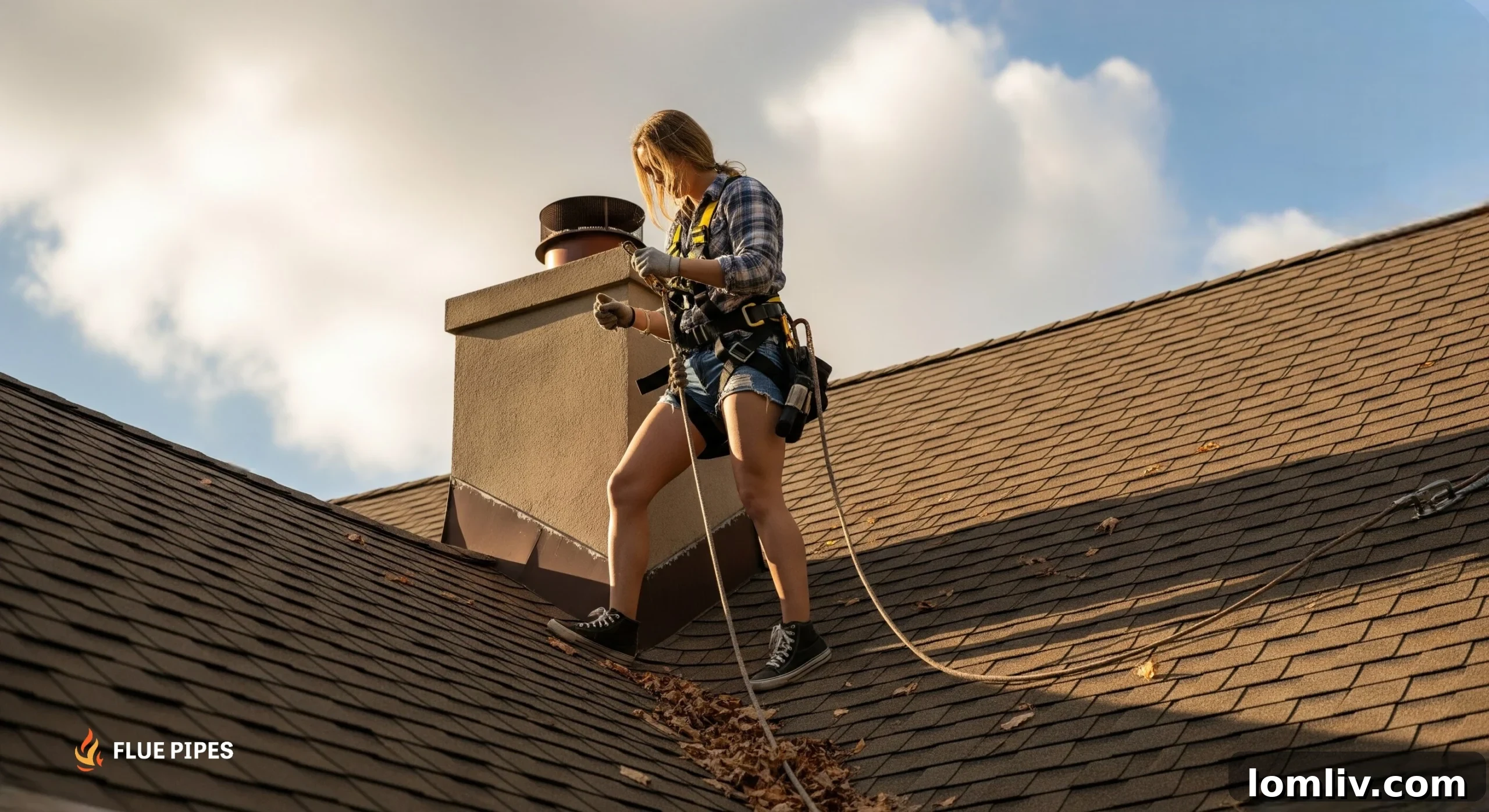
- Use Proper Safety Equipment: Always wear appropriate personal protective equipment (PPE). This includes sturdy gloves to protect your hands, safety glasses to shield your eyes from debris, and a hard hat, especially when working underneath or around falling objects. When working on the roof, fall protection gear, such as a safety harness and ropes, is absolutely essential. Ensure your ladder is stable, properly secured, and used according to manufacturer guidelines.
- Don’t Hesitate to Get Help: Many parts of a chimney installation are easier and significantly safer with a helper. Lifting long sections of pipe onto a roof, stabilizing ladders, or even handing up tools can be challenging and dangerous if attempted alone. Enlist a friend or family member for assistance when needed.
- Follow Manufacturer’s Instructions Exactly: Modern chimney systems are meticulously engineered to operate safely when installed precisely according to the manufacturer’s specifications. Any shortcuts, modifications, or deviations from these instructions can compromise the system’s integrity, create dangerous fire hazards, and void your warranty. Read the instructions thoroughly before you begin and refer to them constantly during the installation.
- Understand and Maintain Clearances: Reiterate the absolute necessity of adhering to all specified clearances to combustible materials. Double-check these distances at every penetration point and throughout the pipe run. Use non-combustible materials for wall and floor protection around the stove as required.
- Consult Experts When in Doubt: If you encounter a situation where you’re unsure about the best course of action, a specific code requirement, or a technical detail, do not guess. A quick phone call to the technical support team of your chimney system supplier or a local building inspector can provide the answers you need and ensure you’re on the right track. It is always far better to ask questions during the installation phase than to discover a critical problem after the system is in operation.
Protecting Your Investment: Maintenance and Lasting Value of Your Wood Stove
A wood stove chimney system that is properly installed and correctly maintained will provide many years of reliable, trouble-free service. The beauty of a DIY installation is that you’ve gained an intimate understanding of your system, which makes ongoing maintenance tasks straightforward and achievable for you as the homeowner. Typically, annual cleaning and inspection are all that’s required to keep your system in top condition.
Regular maintenance is not just about longevity; it’s fundamentally about protecting your home and ensuring safe operation. A clean, well-maintained chimney system:
- Provides Better Draft: Clear flues allow combustion gases to escape efficiently, preventing smoke from backing into your home and ensuring your stove operates at peak performance.
- Burns More Efficiently: An efficient draft helps your stove burn fuel more completely, extracting maximum heat from your wood and reducing your consumption.
- Lasts Longer: Regular cleaning prevents corrosive creosote buildup from damaging the interior of your chimney pipes, extending the lifespan of your entire system.
- Reduces Fire Risk: The most critical benefit is the significant reduction in the risk of a chimney fire, which occurs when excessive creosote ignites.
These are tasks you can comfortably handle yourself once you understand your system, utilizing readily available chimney brushes and rods. However, if you are ever uncomfortable, professional chimney sweep services are always an option.
Furthermore, a quality wood stove installation significantly enhances your home’s long-term value. In the Dallas real estate market, properties with energy-efficient heating options are increasingly attractive to buyers. The value added to your home by a well-installed and maintained wood stove can often exceed the initial cost of the materials, especially when you’ve kept installation costs minimal through DIY efforts. Buyers appreciate the prospect of lower heating bills and the cozy ambiance a wood stove provides, making it a desirable feature that helps your home stand out in a competitive market.
Ready to Ignite Your Savings? Start Your DIY Wood Stove Journey Today
Installing your own wood stove chimney system is a powerful undertaking that delivers both immediate financial savings and a substantial long-term investment in your home’s value, comfort, and energy independence. With the availability of high-quality components, meticulous planning, a commitment to safety, and ready access to expert guidance when needed, this project is well within the capabilities of most determined homeowners.
The key to a successful DIY installation lies in starting with reputable suppliers who not only offer UL-listed, top-tier materials but also genuinely understand the needs of the DIY market. These suppliers provide the crucial support and resources necessary for you to confidently and safely complete your installation. Don’t let the high cost of professional installation be a barrier that prevents you from enjoying the myriad benefits of efficient, comforting wood heat in your Dallas-area home.
Your heating bills will undoubtedly thank you, your home’s market value will benefit from this desirable upgrade, and you will experience the deep personal satisfaction that comes from completing a significant and impactful home improvement project with your own hands. In today’s economic climate, this unique combination of practical financial benefits, enhanced home functionality, and immense personal achievement makes DIY chimney installation a remarkably smart and empowering choice for Dallas homeowners looking to maximize their investment and embrace a more sustainable way of heating their homes.