Dallas and Denver Soar: Leading the Charge in a Transformed Housing Market
The landscape of the U.S. housing market has undergone a remarkable transformation, defying the lingering specter of past recessions and proving skeptics wrong. Just a decade ago, as the nation grappled with the aftermath of a devastating housing crash, the idea of a robust real estate recovery seemed distant, if not impossible. I vividly recall the profound sense of apprehension spread by prominent economists like Robert Shiller around 2010. His discussions on the future of housing instilled a genuine fear that homeownership, as we knew it, might be a relic of the past, condemning future generations to a perpetual cycle of leasing. That era was characterized by widespread doom and gloom, and many, myself included, felt a permanent scar on our perception of housing market stability. Back then, Shiller was far from bullish on real estate.
Fast forward to today, and the narrative couldn’t be more different, especially for certain vibrant metropolitan areas. The very company bearing his name, Standard & Poor’s/Case-Shiller, now reports staggering growth in key regions. The S&P/Case-Shiller Home Price Index recently revealed that Dallas-area home prices have surged an impressive 10 percent from a year ago, hitting an unprecedented new record high. This significant milestone underscores a powerful resurgence in the Dallas real estate market, signaling a robust recovery that few could have predicted during the leaner years.
Dallas’s Double-Digit Domination: A Deeper Look at the Numbers
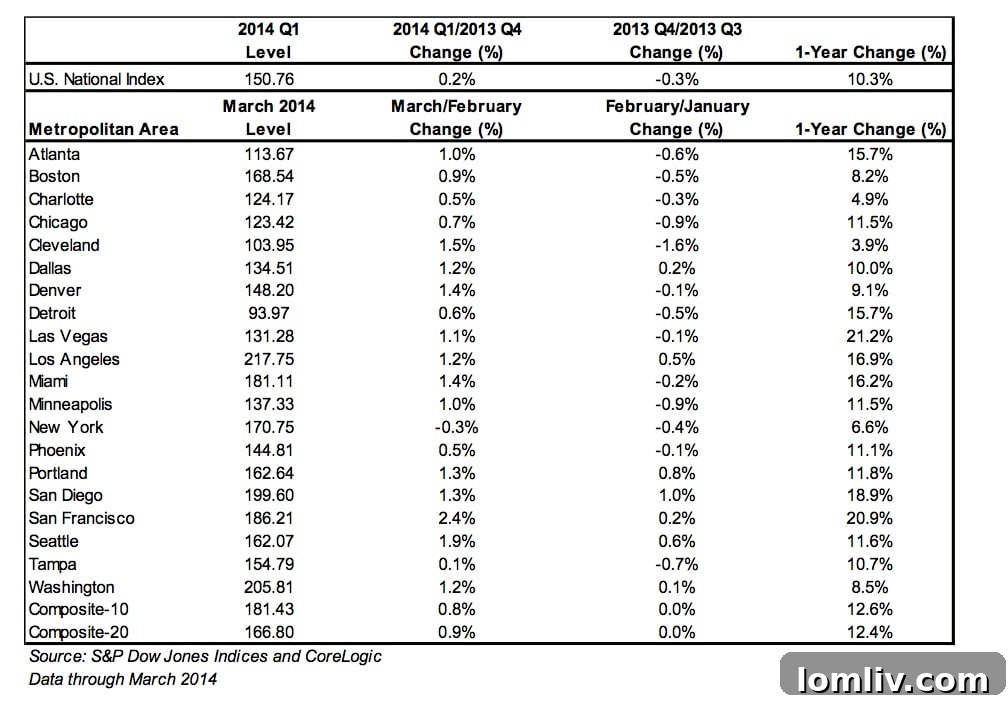
The data paints a compelling picture of strength in the Dallas housing market. Specifically, single-family homes – focusing on resales rather than new construction – have seen a 10 percent increase in March compared to the previous year. Even more granularly, prices rose by 1.2 percent from February to March alone. What’s truly remarkable is that March marked the fourth consecutive month where Dallas home prices experienced double-digit year-over-year growth. This consistent upward trajectory is a powerful indicator of sustained demand and a thriving local economy, making Dallas a standout performer in the national real estate landscape.
So, where has the once pervasive sense of “doom and gloom” vanished? It has been replaced by a dynamic market driven by unique regional strengths and shifting national demographics. While Dallas leads the pack, the broader national story is also one of significant improvement, albeit with specific markets experiencing accelerated growth due to localized factors. Cities like Las Vegas, which experienced a dramatic crash, are once again heating up, showing remarkable resilience. San Francisco, fueled by the tech industry’s titans and a steady influx of high-earning professionals, continues its upward climb. New York City, a global hub for wealth and investment, also demonstrates robust activity, though its prices didn’t show the same month-over-month increase as Dallas in March.
Global Currents and Local Impacts: An Expert Perspective
The intricate web of global events can often cast long shadows or create unexpected opportunities in local real estate markets. One might ponder if the international geopolitical situation, such as the conflict in Ukraine, could influence luxury real estate markets. Wealthy Russian investors have historically been significant buyers in prime locations like New York City and various parts of Florida. I recently had the opportunity to discuss this with Robbie Briggs, a highly respected figure in real estate who possesses a profound understanding of how international markets impact local property dynamics, drawing from his extensive experience, including living in China.
Briggs believes that while the Ukraine situation might not significantly impact the Dallas market, its effects could be more pronounced in Europe. He highlighted concerns among the Swiss regarding the potential for Russia to freeze funds in Russian banks, thereby complicating the repatriation of capital. Such a move could certainly put a significant brake on Russian real estate purchases across Europe and, to some extent, in the United States. However, this scenario would likely pose a greater challenge for the high-end markets of New York and Miami, which have historically attracted a larger share of international, particularly Russian, capital, rather than for the Dallas-Fort Worth area.
Dallas and Denver: Setting New Post-Crisis Benchmarks
According to S&P’s David Blitzer, all U.S. cities tracked saw higher home prices compared to a year ago, and nearly all, with the exception of New York, recorded higher prices in March than in February. Yet, a crucial distinction emerges, underscoring the exceptional performance of a select few: “However, only Denver and Dallas have set new post-crisis highs and they experienced relatively lower peak levels than other cities.” This statement is particularly insightful. It implies that while many markets are still climbing back to their pre-recession peaks, Dallas and Denver have not only recovered but have surged past their previous high-water marks, signaling fundamentally stronger economic underpinnings rather than just a cyclical bounce-back.
Indeed, Dallas has now surpassed Denver in terms of its recovery trajectory, even without the economic boost some might associate with legalized marijuana. Case-Shiller data confirms that Dallas-area home prices are currently 6 percent higher than their previous peak in 2007, prior to the national recession. This achievement highlights Dallas’s unique economic resilience and attractiveness. While other regions continue their arduous recovery, Dallas has firmly established itself in a new era of appreciation.
The uneven nature of the national recovery is further evident when considering other regions. For instance, if you have relatives in suburban Illinois who are still feeling the pinch, it’s because their local markets haven’t experienced the same robust revival. Nationwide, prices are still nearly 20 percent below where they stood before the recession. Meanwhile, high-stakes markets like Las Vegas and San Francisco continue their dramatic climbs, with Vegas up an astounding 21.2 percent and San Francisco up 20.9 percent from a year earlier, reflecting intense localized demand and investment activity. Across the 20 major cities that Case-Shiller tracks, overall prices have risen by a healthy 12.4 percent, showcasing a widespread, yet disparate, national recovery.
The Driving Forces Behind Dallas’s Enduring Real Estate Boom
What specific factors are propelling Dallas to these unprecedented heights, allowing it to not only recover but to significantly exceed its pre-recession peaks? The answer lies in a confluence of powerful economic and demographic trends:
- Robust Job Growth and Corporate Relocations: Dallas has become a magnet for corporate headquarters and major regional offices. Companies like Toyota, Hewlett Packard Enterprise, and many financial services firms have chosen DFW as their new home, bringing with them thousands of high-paying jobs. This influx of companies and talent creates consistent demand for housing.
- Favorable Business Environment and No State Income Tax: Texas’s business-friendly policies and the absence of a state income tax are powerful draws for both corporations and individuals, especially those relocating from high-tax states. This financial incentive makes Dallas an attractive destination, bolstering its population growth and economic vitality.
- Diverse Economy: Unlike some cities reliant on a single industry, Dallas boasts a diversified economy spanning finance, technology, healthcare, logistics, and energy. This diversification provides stability and resilience, making the market less vulnerable to downturns in any single sector.
- Population Influx and Domestic Migration: The Dallas-Fort Worth Metroplex consistently ranks among the fastest-growing metropolitan areas in the U.S. People are moving to Dallas for job opportunities, lower cost of living relative to coastal cities, and a high quality of life. This sustained population growth directly fuels housing demand.
- Strategic Location and Infrastructure: Dallas’s central U.S. location and excellent transportation infrastructure, including two major airports and extensive highway networks, make it a logistical hub. This connectivity further enhances its appeal for businesses and residents alike.
- Relative Affordability: While prices are rising, Dallas still offers more affordable housing options compared to major coastal cities like New York, Los Angeles, and San Francisco. This relative affordability continues to attract buyers seeking greater value and space.
Implications for Buyers, Sellers, and Investors in Dallas
For prospective homebuyers in the Dallas area, the current market signifies fierce competition. Low inventory combined with high demand means homes are selling quickly, often above asking price. This necessitates swift decision-making and strong offers. For sellers, it’s an opportune time, with significant equity gains and a broad pool of eager buyers. Investors are also finding Dallas an attractive market due to its consistent appreciation and strong rental demand, offering promising returns.
Looking Ahead: Sustainability and the Future of Dallas Real Estate
The critical question remains: Is this growth sustainable? While no market can maintain double-digit appreciation indefinitely, Dallas’s robust fundamentals suggest a strong foundation for continued, albeit potentially more moderate, growth. The ongoing corporate relocations, population influx, and economic diversification provide a resilient buffer against potential market fluctuations. Challenges such as rising interest rates, if they occur, could temper demand, and inventory shortages remain a concern. However, Dallas’s unique blend of economic drivers, coupled with its strategic position as a burgeoning economic powerhouse, indicates a promising outlook for its real estate market for years to come. The city has truly shed the ghosts of past recessions, charting a course towards sustained prosperity in the American housing landscape.