Dallas Halts All Property Acquisitions After Series of Costly Real Estate Missteps
The City of Dallas has taken the drastic step of suspending all upcoming real estate transactions, a direct consequence of a succession of expensive mistakes that have plagued the city’s property acquisitions. This unprecedented decision follows a critical review of recent projects, most notably the failed acquisition and subsequent abandonment of an office tower on North Stemmons Freeway. Intended to serve as a central permitting hub, this project has instead become a symbol of the city’s significant financial and procedural oversights in real estate management.
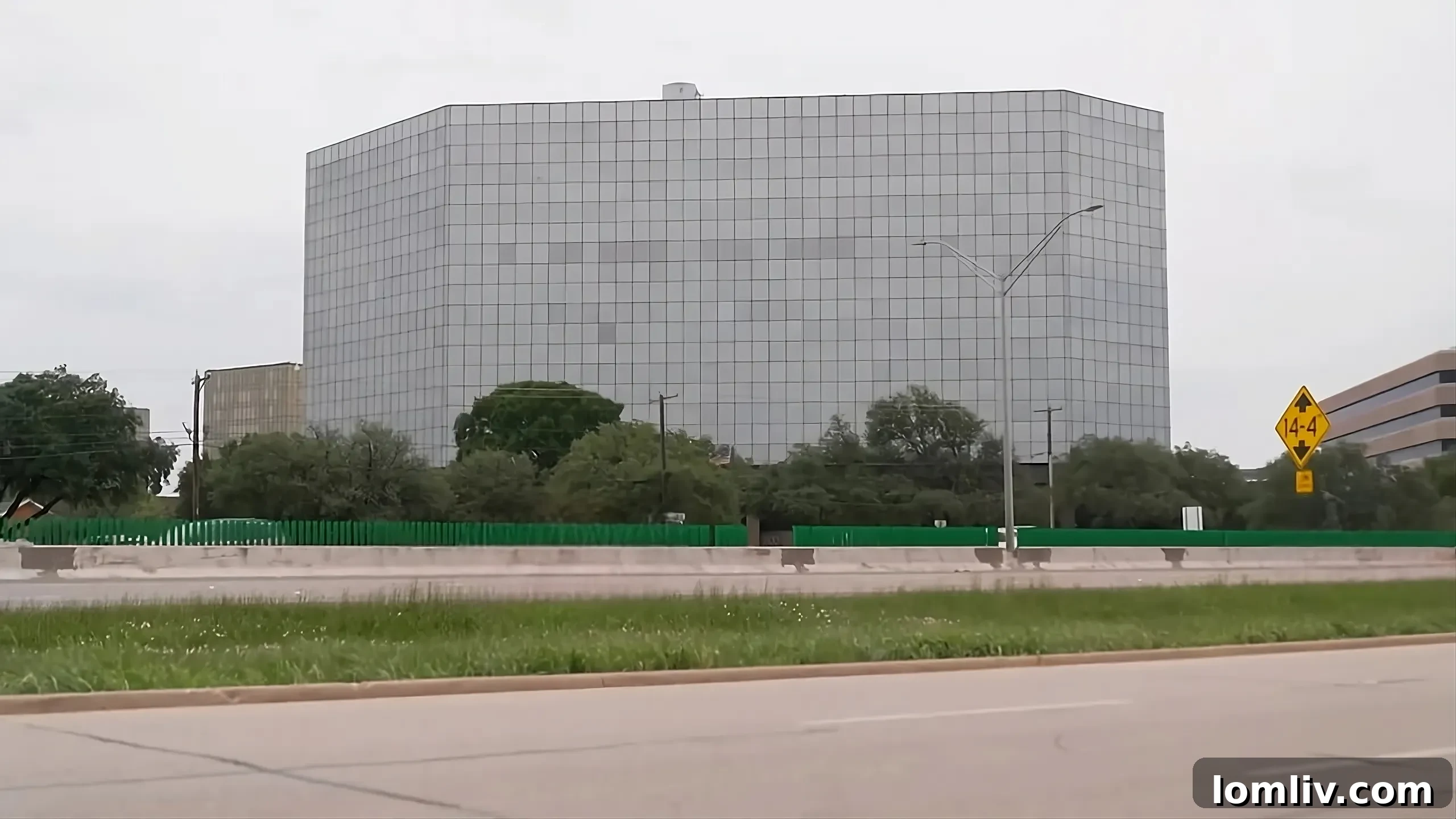
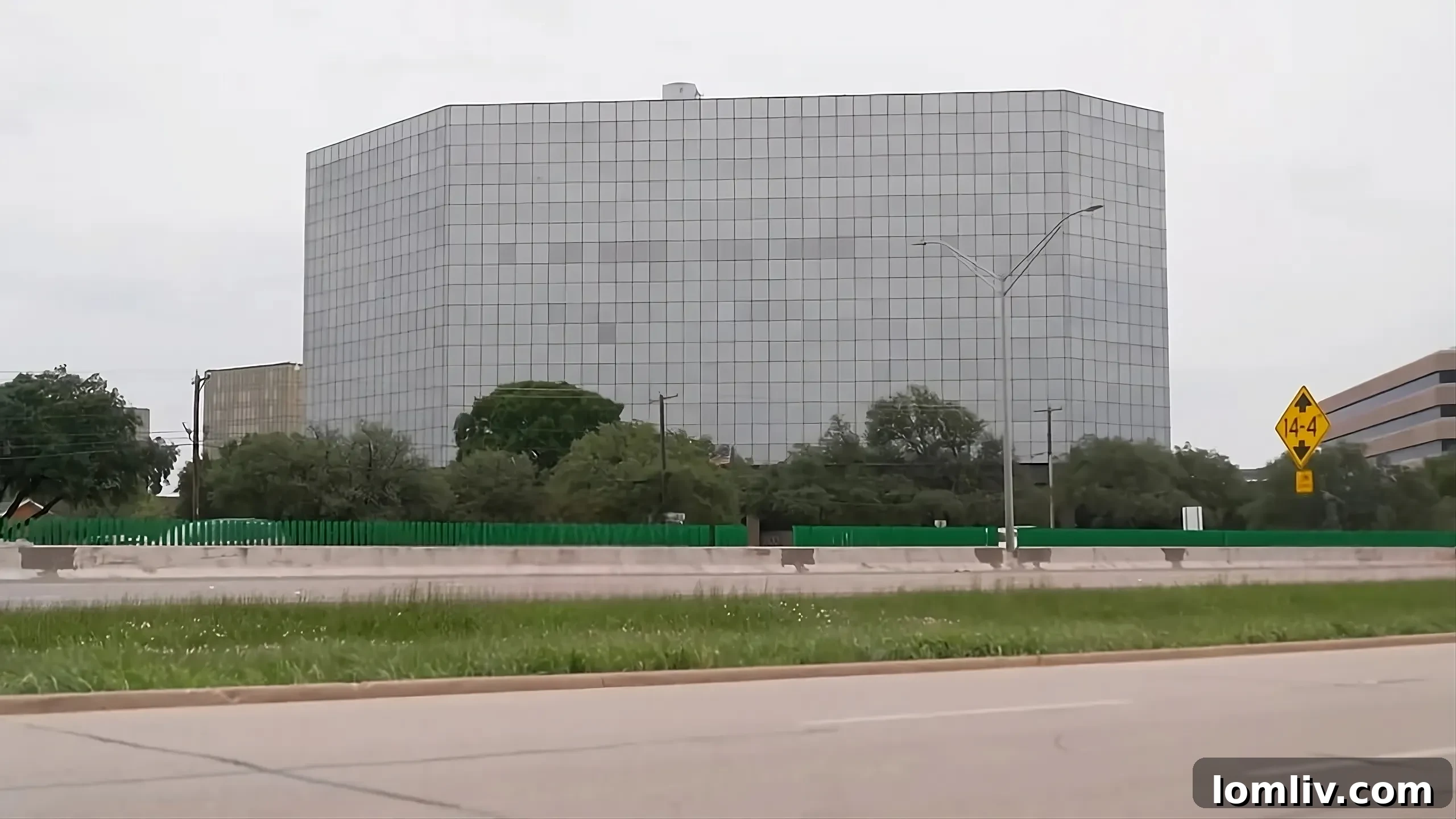
The latest and most glaring error involves the purchase of an 11-story, 228,000-square-foot building located at 7800 N. Stemmons Freeway, near the 1600 block. Dallas officials acquired this property in 2022 for a substantial $14.1 million, envisioning it as a transformative central permitting center. The goal was to consolidate various permitting services into one modern facility, streamlining processes for residents and businesses across the city. Millions of dollars were subsequently invested in renovations, and staff relocation efforts were initiated by the 2023 fiscal year, all with the expectation of a more efficient and centralized operation.
However, the ambitious plan quickly unravelled. Kimberly Bizor Tolbert, who stepped into the role of interim city manager in May 2024 and has since been officially appointed, swiftly identified critical flaws. She revealed that, despite the considerable financial outlay and preparatory work, the move to the Stemmons Freeway building did not comply with Dallas’s established permitting procedures. This fundamental non-compliance rendered the entire endeavor unviable for its intended purpose, effectively turning a multi-million-dollar investment into a costly burden for the city’s taxpayers.
In a decisive move that underscored her commitment to rectifying past errors, Tolbert prioritized the Stemmons Freeway situation in her 100-day transition plan. One of her immediate actions was to instruct all staff members who had been relocated to the new site to return to their original posts at the Oak Cliff Municipal Center. This operational reversal not only highlighted the severity of the initial mistake but also created significant logistical challenges and disruption for city employees, impacting morale and productivity.
To thoroughly investigate the extent of the city’s real estate predicament, Tolbert has initiated a comprehensive, multi-faceted approach. The Dallas Economic Development Corporation (EDC) has been tasked with conducting an exhaustive assessment of the Stemmons Freeway property, aiming to ascertain its true condition, market viability, and potential alternative uses. Simultaneously, the city auditor has launched a full-scale audit into the acquisition process itself. This audit seeks to pinpoint precisely how such a critical oversight occurred, identify any responsible parties, and establish mechanisms to prevent similar costly blunders in future municipal property dealings. These actions reflect a robust commitment to transparency, accountability, and fiscal responsibility.
Strategic Real Estate Overhaul: New Policies and Expert Consultants for Dallas

Responding directly to the escalating crisis, City Manager Tolbert issued a pivotal memo to the mayor and city council, announcing the immediate suspension of all real estate acquisitions. This moratorium is designed to halt any further commitments of public funds until a more robust and foolproof process can be established. Crucially, the memo stipulated that no new transactions would proceed unless they had already received explicit prior approval from voters or the city council, ensuring a higher level of scrutiny and democratic oversight for future property endeavors.
To navigate the intricate landscape of city-owned properties and to formulate a sustainable, forward-looking strategy, Dallas has strategically engaged CBRE, a leading global real estate services and investment firm with a strong local presence. CBRE’s extensive mandate includes conducting a thorough assessment of the city’s surplus properties, identifying underutilized assets that could be monetized to benefit the city’s coffers. Beyond mere inventory management, CBRE is also tasked with assisting Dallas in developing new, stringent real estate policies, evaluating the current staffing and infrastructure needs within the city’s property management division, and recommending cutting-edge technology improvements to enhance efficiency and preempt future managerial errors. This collaboration aims to instill best practices and professional expertise into every layer of Dallas’s real estate operations.
The fate of the Stemmons Freeway property has also been significantly influenced by technological advancements in city services. With the successful launch of Dallas Now, a sophisticated new online permitting system introduced on May 5, the original rationale for a physical, centralized permitting center has become largely obsolete. This digital platform offers unprecedented convenience and efficiency, allowing residents and businesses to apply for, track, and manage permits remotely, effectively negating the need for a large, dedicated physical hub. Consequently, the City of Dallas now plans to sell the Stemmons Freeway property for redevelopment. This strategic pivot aims to recoup some of the significant financial losses incurred and to channel the asset towards productive use for the community through private sector development, rather than pouring more funds into its renovation for an outdated purpose.
The High Cost of Negligence: Dallas’s Critical Due Diligence Failures
City Manager Tolbert has been unequivocally clear about the underlying causes of these expensive failures, pointing directly to a severe lack of due diligence during the initial acquisition process of the Stemmons Freeway building. Her assessment highlighted that the city conducted only minimal investigations and property assessments before finalizing the multi-million-dollar purchase. Compounding this oversight, there was a notable absence of comprehensive disclosures from the seller regarding the property’s true condition, leaving the city largely uninformed about potential liabilities and structural issues.
Adding to the list of critical missteps, the broker hired for inspection, JLL, provided an alarmingly insufficient assessment. While their initial report identified $1.2 million in immediate repairs and an additional $1.4 million in long-term fixes, this assessment catastrophically overlooked significant, systemic problems that would prove far more expensive to rectify. Critical deficiencies in the HVAC system, fundamental electrical infrastructure, essential plumbing, ADA compliance, and a severe deficit in parking — with the building providing only 500 spaces against a required 1,400 for its intended use — were either missed entirely or severely downplayed. These unaddressed issues alone represent millions more in unforeseen costs and rendered the building functionally unsuitable without extensive and expensive overhauls.
Characterizing the purchase of the Stemmons Freeway property as “unwise and poorly considered,” Tolbert underscored a broader systemic failure: the glaring absence of an established process or clear project leadership throughout the entire acquisition and development phases. To proactively address these deep-seated issues and prevent future recurrences, she plans to establish a new, dedicated department by August 2024. This department will be specifically tasked with rigorously overseeing the city’s real estate and facilities. Its mandate will include implementing robust acquisition procedures, ensuring exhaustive due diligence, and providing clear accountability for all future property ventures, thereby safeguarding Dallas’s valuable assets and public funds.
The financial implications of this single misstep are truly staggering. Dallas has already invested an estimated $29 million in the Stemmons Freeway building. This figure encompasses the original purchase price of $14.1 million, initial renovation costs, staff relocation expenses, and various other associated expenditures. Furthermore, substantial additional funds would still be required to bring the property up to current building codes and adequately address the extensive, overlooked deficiencies. Compounding the financial drain, the city is currently expending approximately $73,000 each month just to maintain the vacant site, covering essential services such as security, utilities, and basic upkeep. This translates to a staggering annual cost of nearly $876,000 for a property that presently serves no public purpose, unequivocally highlighting the urgency of its swift and responsible disposition.
Tolbert’s candid acknowledgment of the pervasive due diligence failures provides a clear path forward for the city: “That facility turned out to be much worse than we realized, and we are essentially left with a property that should have undergone thorough due diligence. The most responsible course is to sell this site and focus on recovery.” This statement not only underscores the magnitude of the oversight but also firmly establishes the city’s commitment to cutting its losses and prioritizing fiscal responsibility in public spending.
A Troubling Pattern: Other Costly Property Mismanagement Examples in Dallas
The Stemmons Freeway debacle is unfortunately not an isolated incident but rather indicative of a troubling pattern of costly real estate missteps that have plagued the Dallas Metroplex. Earlier this year, the city made another significant investment, spending $6.5 million on the former University General Hospital near Kiest Park. The intention behind this purchase was a commendable humanitarian effort: to convert the unused medical facility into much-needed housing for the city’s vulnerable homeless population. However, months later, the property remains stubbornly unused and undeveloped, sitting vacant while the city continues to grapple with its acute homelessness crisis and the accumulating expenses of a stalled project. Facing this continued inertia, officials are now reluctantly considering selling it, acknowledging yet another failed effort to repurpose a costly asset.
Another striking example of property mismanagement unfolded in February 2022, when Dallas allocated $5 million for a motel property located at 2929 S. Hampton Road. The original plan was to transform this site into a vital homeless shelter, similar to the vision for the University General Hospital. Yet, mirroring the fate of its counterpart, the Hampton Road site was never developed for its intended social welfare purpose. The city is now exploring drastic alternatives, including the complete departure from its original objective to convert it into a fire station, or simply putting it up for sale. This scenario once again illustrates the pattern of liquidating an asset that consumed substantial public funds without delivering its promised benefits to the community.
City Council Demands Accountability and Comprehensive Reform
The accumulating series of real estate acquisition failures has, understandably, provoked strong reactions and demands for accountability from members of the Dallas City Council. Council members are now pushing for systemic reforms to prevent future recurrences of such costly errors. Council Member Cara Mendelsohn has been particularly vocal in expressing her profound dissatisfaction with the recurring missteps, stating unequivocally, “Until these issues are resolved, I cannot support buying any new property.” Her firm stance reflects a growing consensus among council members that a temporary halt is essential to implement fundamental, lasting changes before any further taxpayer money is committed to potentially problematic acquisitions.
Council Member Paula Blackmon further underscored the significant challenges and complexities associated with redeveloping these acquired sites, specifically highlighting the intricate zoning complexities that frequently impede timely and cost-effective conversions. Such issues, if not meticulously vetted and addressed during the initial due diligence phase, can lead to protracted delays, inflated project costs, and ultimately, the abandonment of projects, as sadly exemplified by the city’s current vacant properties.
Assistant City Manager Donzell Gipson has openly conceded the imperative need for fresh directives and indicated that external consultants would be brought in to manage the development of these crucial new guidelines. This strategic decision to outsource key aspects of planning underscores an internal recognition that current processes are inadequate and that specialized, impartial expertise is required to chart a more responsible and effective course for the city’s real estate endeavors.
Adding his voice to the chorus of concern, Council Member Chad West commented, “We should reconsider the city’s involvement in new real estate acquisitions.” He emphatically stressed the critical need for adopting industry best practices and integrating professional expertise into every single stage of the real estate process. This, he argued, is vital to ensure robust accountability and sound decision-making moving forward. West’s statement powerfully articulates the importance of learning from past mistakes and embedding preventative measures into the city’s operational framework.
Despite the ongoing challenges and the frustrating pattern of mismanaged projects, Council Member West expressed a hopeful outlook, believing that the new leadership under City Manager Tolbert will effectively address these pressing issues head-on. “These examples demonstrate what has not worked and why we must avoid repeating these mistakes,” West affirmed, articulating a shared and urgent desire within the council to turn a new leaf in Dallas’s critical real estate management. This collective resolve signals a pivotal moment for the city’s property strategy.
In a direct and comprehensive response to these calls for reform and to solidify the city’s unwavering commitment to significantly improving its real estate policies, City Manager Tolbert plans to enlist a team of highly qualified external consultants. Their overarching mission will be to develop a comprehensive, city-wide real estate strategy that is transparent, fiscally sound, and robustly aligned with Dallas’s long-term growth and development objectives. By incorporating expert insights, leveraging cutting-edge analytics, and implementing tailored solutions, city leaders are intensely focused on fostering sustained economic stability, ensuring responsible and sustainable urban growth, and, critically, rebuilding public trust in the conscientious stewardship of municipal assets and taxpayer money. The goal is to move beyond mere recovery to a future of strategic and exemplary property management.