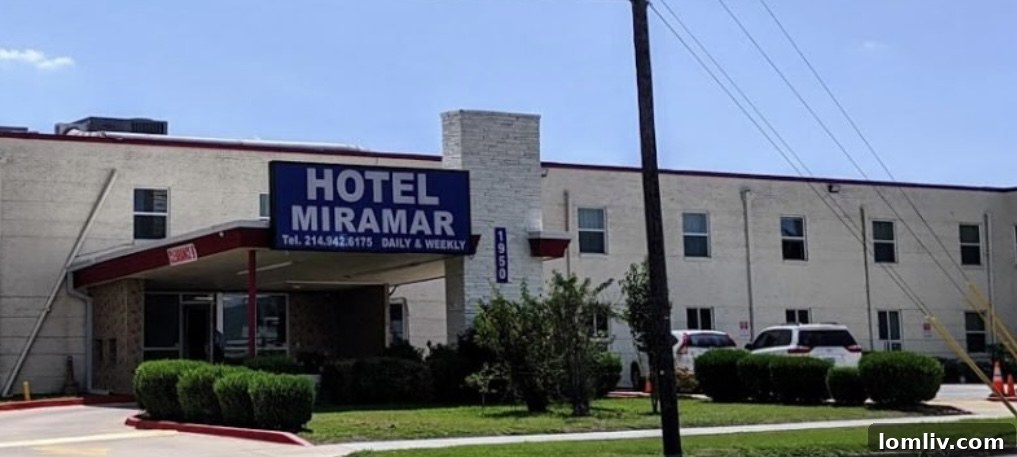
Transforming Lives: Dallas’s Ambitious Plan for Permanent Supportive Housing at the Former Hotel Miramar
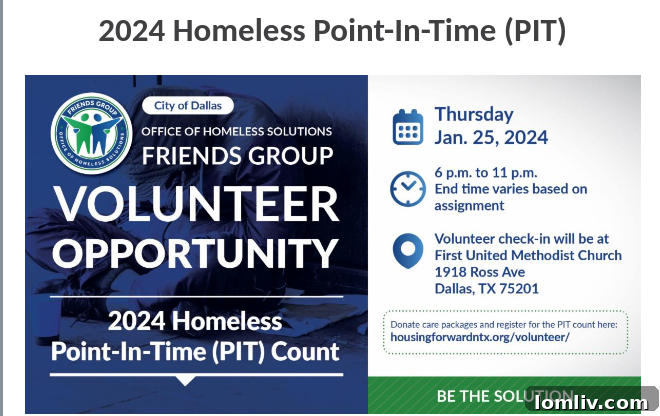
As the Dallas metropolitan area braces for the inaugural hard freeze of 2024, many homeowners are focused on protecting their properties from frozen pipes and potential power outages. Yet, for a significant portion of our community, these concerns pale in comparison to a more immediate and life-threatening threat: the bitter cold. With over 4,200 individuals experiencing homelessness across Dallas and Collin counties, the risk of freezing to death is a grim reality that underscores the urgent need for comprehensive housing solutions.
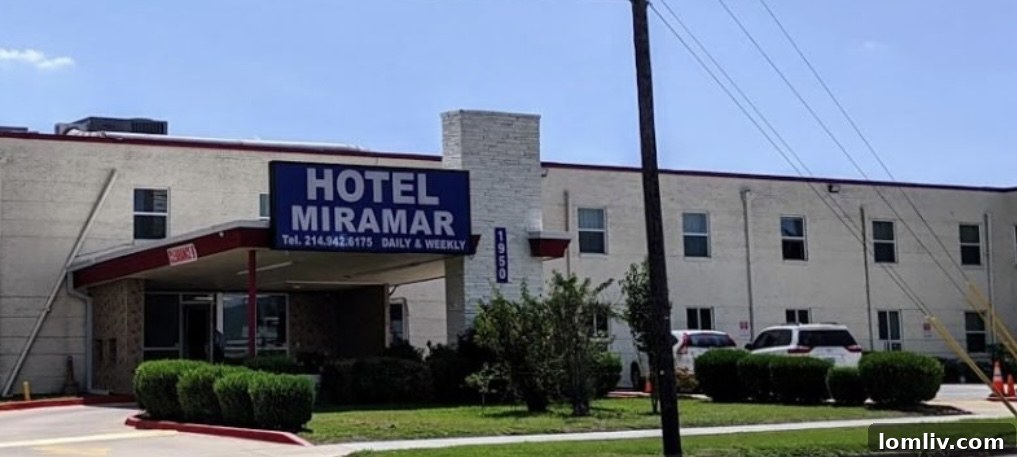
In a promising development that offers a beacon of hope, the City of Dallas recently issued a Notice of Funding Availability (NOFA). This critical announcement calls upon experienced developers to submit applications for the creation of permanent supportive housing specifically designed for unsheltered residents. The proposed site for this vital initiative is none other than the property located at 1950 Fort Worth Avenue, formerly recognized as the Hotel Miramar.
This long-awaited proposal represents a significant step forward in addressing Dallas’s persistent homelessness crisis. The journey to this point has been fraught with challenges and delays, highlighting the complexities inherent in large-scale urban development projects aimed at social good. However, the renewed commitment from the city signals a determination to overcome these obstacles and deliver on a promise to its most vulnerable citizens.
The selected developer for the Hotel Miramar transformation will be tasked with a series of critical responsibilities, meticulously outlined to ensure the project’s success and long-term sustainability. These expectations reflect a comprehensive approach to both property development and social service provision, essential for creating effective permanent supportive housing in Dallas:
- Property Acquisition: The developer will be required to acquire the city-owned property at 1950 Fort Worth Avenue. This acquisition is subject to specific legal frameworks, including a right of reverter and deed restrictions, and must comply with the Texas Local Government Code Chapter 272.001(g), ensuring the property serves its intended public purpose.
- Extensive Rehabilitation: A key responsibility involves the complete rehabilitation of the property. This ambitious undertaking will transform the former hotel into a vibrant multi-family housing complex, featuring at least 40 dedicated housing units. To facilitate this, the city will provide initial funding of $2.34 million. Crucially, the developer must accept and utilize the design plans developed by the City’s selected Architecture and Engineering firm, ensuring adherence to established standards and vision.
- Capital Funding Procurement: Beyond the initial city funding, the developer is expected to secure additional capital funding. This crucial step is vital for the successful completion of the rehabilitation process, which often involves unforeseen costs and comprehensive upgrades to meet modern housing standards and safety regulations.
- Long-Term Operation and Service Provision: Following rehabilitation, the developer will be responsible for operating the facility as permanent supportive housing. This commitment is not temporary; the operation must continue for as long as the City deems it necessary to serve a public purpose, emphasizing the long-term vision for addressing chronic homelessness in Dallas.
Permanent Supportive Housing: A Lifeline at Hotel Miramar
The former Hotel Miramar has a complex history, standing vacant for years and consistently plagued with a myriad of problems that hindered its potential. Its acquisition by the city in 2020 for $3.5 million was a strategic move, yet it marked the beginning of a challenging journey characterized by escalating costs and unforeseen obstacles.
One of the most significant and costly hurdles encountered was the mandatory removal of asbestos, a hazardous material commonly found in older buildings. This unexpected requirement added substantial expenses and delays to the project timeline, pushing the overall renovation budget significantly higher. Currently, the city is allocating approximately $6 million for the comprehensive renovation of the building, a testament to both the scope of work required and the unforeseen complications that have arisen.
Insights from daltxrealestate.com in October shed light on the project’s troubled past. Dallas initially entered into a contract with CitySquare in June 2021 for both renovations and property management. However, this partnership dissolved more than a year later, as CitySquare opted to end its involvement due to significant changes in its core business scope. This unexpected withdrawal necessitated a new approach, leading the city to engage CBRE Global Commercial Real Estate Services. CBRE was tasked with managing the solicitation process for design and redevelopment, aiming to bring the project back on track.
The continuous delays were a major contributor to the escalating project costs. In April 2023, the city entered into a new agreement, this time with UCR Development, for design and renovation services. Yet, the series of “challenges” persisted. Regrettably, the contract with UCR Development was ultimately deemed null and void. The official reason cited was CBRE’s failure to adhere strictly to state procurement laws and federal regulations during the intricate contract preparation phase. This setback highlighted critical procedural missteps and further fueled public skepticism.
Throughout these prolonged delays and financial escalations, city council members have consistently voiced their profound frustration. Residents, too, have questioned the viability of the project, expressing concerns about whether the building would ever genuinely be repurposed to provide essential services for Dallas’s unsheltered population. The saga of the Hotel Miramar has become a poignant symbol of the intricate challenges involved in executing large-scale social welfare projects, particularly when compounded by administrative hurdles and external factors.
However, the concept of Permanent Supportive Housing (PSH) remains a cornerstone of effective strategies for addressing chronic homelessness. PSH combines affordable housing with voluntary support services, including case management, mental health care, substance abuse treatment, and employment assistance. This holistic approach is designed not just to provide a roof over one’s head, but to empower individuals to achieve stability, improve their health, and integrate more fully into the community. The Hotel Miramar, despite its past, holds immense potential to become a leading example of successful PSH in Dallas, offering a genuine lifeline to those who need it most.
A Renewed Vision: The Plan For 1950 Fort Worth Avenue
In a decisive move to inject new momentum into the stalled project, Assistant City Manager Majed Al-Ghafry issued a January 12 memorandum. This crucial document provided an updated and optimistic timeline to members of the Housing and Homelessness Solutions Committee, outlining a clear path forward for the 1950 Fort Worth Avenue site.
A significant procedural step was taken last week with the ratification of an emergency design contract by the City Council. This action demonstrates the city’s commitment to accelerating the project and moving past previous setbacks. Furthermore, the Notice of Funding Availability (NOFA) has been officially posted and will remain open for submissions for a period of 60 days, concluding on March 11. This extended period ensures that a wide array of qualified developers have ample opportunity to prepare and submit comprehensive applications, fostering a competitive and transparent selection process.
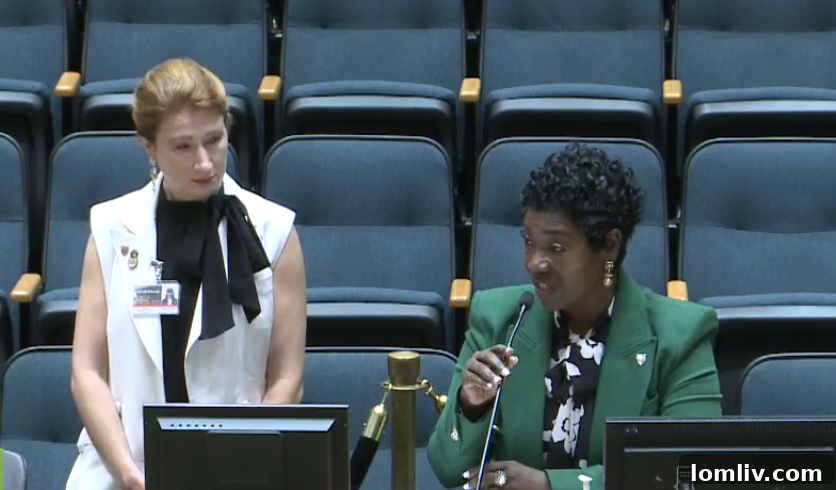
To further support potential bidders and clarify project expectations, two NOFA pre-submission meetings have been scheduled. These vital sessions will be conducted virtually via Microsoft Teams, allowing for broad participation. The meetings are set to take place from 2 to 4 p.m. on January 23 and February 27. These sessions will provide an invaluable platform for prospective developers to ask questions, gain deeper insights into the project’s requirements, and ensure their proposals align perfectly with the city’s vision for the Hotel Miramar transformation.
According to the updated timeline, the project is anticipated to be awarded to the selected developer in June, with physical renovations slated to commence in July. This aggressive schedule reflects the urgent need to bring these critical housing units online. However, it is important to acknowledge that the ultimate “completion timeline is contingent on the securing of capital for rehabilitation, voucher subsidies, and selection of operator and service provider,” as stated in an email from the Dallas Department of Housing and Neighborhood Revitalization. This highlights the multi-faceted nature of the project’s success, which relies not only on construction but also on sustained funding and robust support systems.
The journey of the Hotel Miramar project will continue to be a focal point for city officials and the community. The next significant project update is scheduled for the Housing and Homelessness Solutions Committee on March 25. This meeting will provide another opportunity for transparency, accountability, and continued discussion on the progress, challenges, and evolving strategies for the 1950 Fort Worth Avenue site. The collective effort to transform this long-troubled property into a beacon of hope for Dallas’s unsheltered residents stands as a testament to the city’s dedication to creating a more inclusive and compassionate community for all.