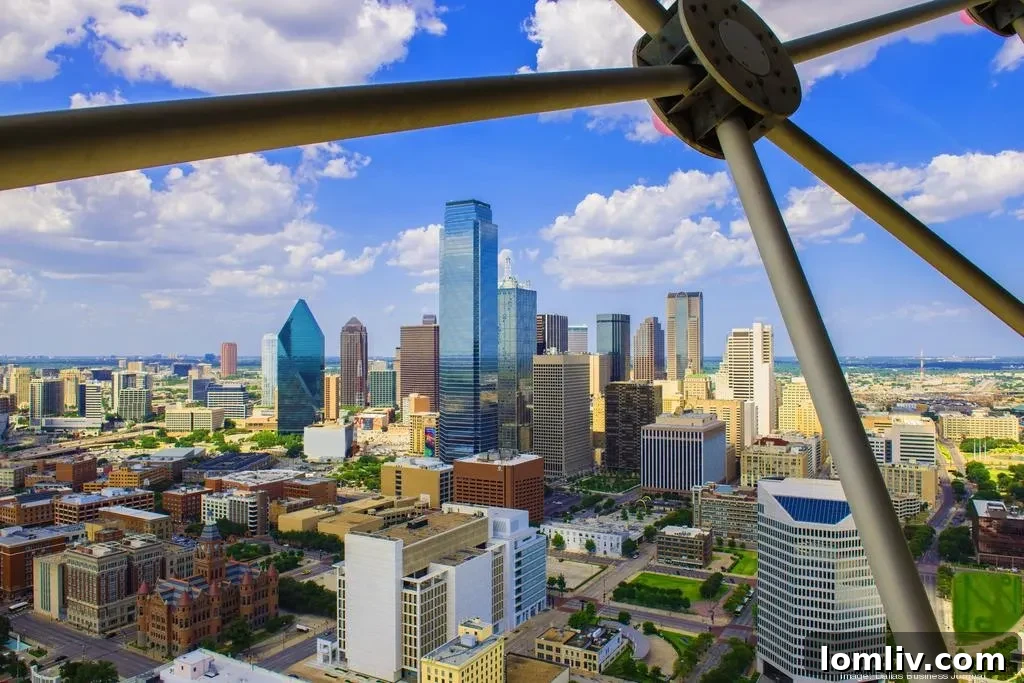
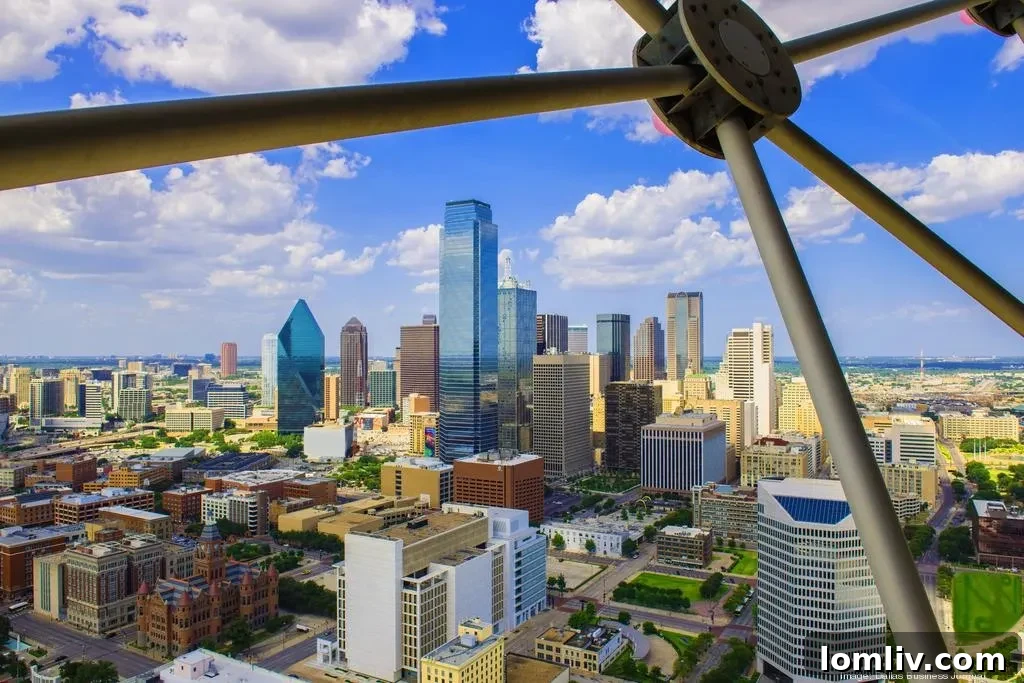
Dallas-Fort Worth Crowned Top Emerging Real Estate Market for 2025: A Deep Dive
The Dallas-Fort Worth metroplex has once again ascended to the pinnacle of North America’s real estate landscape, securing its position as the top emerging market across the United States and Canada. This prestigious ranking highlights DFW’s unparalleled investment and development potential, signaling a beacon of opportunity for investors and developers alike.
This authoritative declaration comes from the highly anticipated 2025 Emerging Trends in Real Estate report, a collaborative effort by the Urban Land Institute (ULI) and PricewaterhouseCoopers (PwC). Now in its 46th edition, this closely monitored annual report synthesizes insights from a vast network of over 2,000 industry experts. These professionals are surveyed to identify and analyze the most critical topics and transformative forces shaping the commercial real estate sector, providing an invaluable compass for navigating future market conditions.
Why DFW Reigns Supreme: Pillars of Growth and Resilience
Dallas-Fort Worth’s dominant performance in the latest report is not merely a transient phenomenon but a testament to its enduring strengths. Several key factors have propelled the Metroplex to this coveted top spot:
- Robust Economic Recovery: DFW demonstrated exceptional resilience and a healthy recovery trajectory following the global pandemic, outperforming many other major metropolitan areas.
- Diversified Economic Base: The region boasts a highly diversified economy, spanning numerous sectors from technology and finance to healthcare and logistics. This breadth provides stability and mitigates risks associated with over-reliance on a single industry.
- Sustained Population Growth: A continuous influx of new residents fuels demand across all real estate segments, from residential housing to commercial spaces, supporting ongoing investment and development.
This isn’t DFW’s first time at the top; the Metroplex previously claimed the number one position in 2019. Its consistent high performance is remarkable, having floated among the top few spots in the past three years and maintaining a steadfast presence within the top 10 for the last six consecutive years. This track record underscores its sustained appeal and fundamental market strength.
Navigating the 2025 Real Estate Horizon: From Reset to Upturn
The 2025 report heralds a significant shift in market sentiment and outlook. While the previous year’s theme, “The Great Reset,” emphasized the necessity for the industry to establish new norms in a post-pandemic world—requiring investors to envision a drastically different future for survival—the 2025 edition paints a more optimistic picture. It anticipates the real estate market is on the cusp of its next cyclical upturn, buoyed by the gradual easing of inflationary pressures.
“The skies are finally clearing over commercial real estate markets, even if some dark clouds still linger,” states the 2025 report. This sentiment reflects a cautious optimism prevalent among industry leaders. “Industry people are more sanguine than a year ago, though also realistic. Better times are ahead, but the healing will take time.” This balanced perspective acknowledges the road ahead while celebrating the palpable shift towards recovery and growth.
Market Recovery and Economic Catalysts
Overall, the report projects a slow and gradual market recovery, emphasizing sustainability over rapid, unsustainable booms. A pivotal factor contributing to this positive outlook change in the commercial real estate market was the Federal Reserve’s decision to implement a half-percentage point rate cut earlier this summer. Such monetary policy adjustments often serve as crucial catalysts, easing borrowing costs and stimulating investment activity across various sectors of the economy, particularly real estate.
Andrew Alperstein, a partner with PwC’s U.S. real estate practice, encapsulated this sentiment in a statement: “While challenges persist across the real estate sector, there are signs of improvement after years of hardship.” He further added that a notable surge in industry optimism has been observed over the past year, reflecting growing confidence in the market’s trajectory and resilience.
The Undeniable Pull of the Sun Belt
The 2025 report unequivocally reaffirms the Sun Belt’s enduring dominance in the real estate landscape. This vast region, stretching across the southern United States, continues to attract an unprecedented level of investment and population migration. Beyond Dallas-Fort Worth’s top ranking, the other three markets completing the top four were also firmly situated in either Texas or Florida, underscoring the regional concentration of growth. Miami secured the No. 2 spot, followed closely by Houston at No. 3, and Tampa-St. Petersburg rounding out the top four. More broadly, the “Super Sun Belt” phenomenon accounted for an impressive 13 of the top 20 markets this year, a clear indicator of its widespread appeal and robust economic fundamentals.
The sustained popularity of the Sun Belt can be attributed to several compelling factors. These include lower costs of living and doing business compared to traditional gateway cities, favorable tax policies, a generally warmer climate, and a perception of a higher quality of life. Furthermore, many Sun Belt metros have successfully diversified their economies, moving beyond traditional industries to embrace technology, advanced manufacturing, and healthcare, creating a broad spectrum of job opportunities that attract both individuals and corporations.
DFW’s Demographic and Economic Edge
Demographics represent another formidable strength for greater Dallas. As the most populous metro region in Texas, DFW stands as the fourth largest in the entire country. Projections indicate that the Metroplex is firmly on track to surpass Chicago as the nation’s third-largest metropolitan area within this decade, a testament to its rapid and sustained growth. This demographic surge fuels demand across all real estate asset classes, from robust multifamily sectors to expanding industrial and retail footprints.
Beyond sheer numbers, DFW’s economic prowess is deeply rooted in its magnetic ability to attract and retain major corporations. The region proudly hosts 23 Fortune 500 headquarters, a concentration that speaks volumes about its business-friendly environment and strategic location. DFW is renowned for drawing businesses from a diverse array of sectors, fostering a resilient and dynamic economy. Key industries thriving in the region include:
- Insurance: A hub for major insurance carriers and related services.
- Telecommunications: Home to significant infrastructure and innovation in connectivity.
- Technology: A burgeoning tech scene with a growing presence of software, IT services, and data centers.
- Energy: A traditional powerhouse for oil and gas, now also expanding into renewable energy solutions.
- Health Care: A leading center for medical research, hospitals, and pharmaceutical companies.
- Logistics: A critical inland port with extensive transportation networks, facilitating national and international trade.
This potent combination of factors makes DFW an irresistible destination. As articulated in the ULI/PwC report, “This combination of affordability, growth, and economic diversity should continue to attract new residents and businesses to DFW,” cementing its long-term appeal and investment viability.
Navigating the Nuances: The Office Market Perspective
While the overall outlook for DFW is overwhelmingly positive, the report also offers a nuanced view of specific market segments. This favorable ranking for DFW comes on the heels of a recent JLL report which highlighted a notable trend in the office sector: zero major office groundbreakings across DFW in the third quarter. This marks the first time such a pause has occurred in over a decade, reflecting the broader adjustments taking place within the office market nationally.
However, DFW is far from alone in experiencing this phenomenon. Many major markets are grappling with evolving office demand due to remote work trends and flight-to-quality preferences. A temporary reduction in new inventory development, paradoxically, could be beneficial. It allows existing supply to be absorbed, potentially stabilizing occupancy rates and rental growth in the long run. Developers are shifting focus towards adaptive reuse, renovations, and speculative projects tailored to meet the demands of modern tenants for highly amenitized and flexible spaces.
The report also noted promising trends in major coastal markets, indicating a more widespread recovery. For instance, New York City demonstrated a remarkable climb to No. 11 in the rankings, a significant jump from its No. 31 position last year. This rebound suggests that even traditional gateway cities, with their unique economic drivers and global appeal, are finding their footing amidst the evolving real estate landscape.
Conclusion: DFW’s Enduring Appeal and a Cautiously Optimistic Future
Dallas-Fort Worth’s preeminence as the top emerging real estate market for 2025 is a resounding endorsement of its strategic advantages. Its robust and diversified economy, relentless population growth, and business-friendly environment create an unparalleled ecosystem for investment and development. As the broader real estate market transitions from a period of “reset” to one of gradual “cyclical upturn,” DFW stands ready to capitalize on new opportunities.
The insights from the ULI/PwC report provide a clear roadmap for stakeholders, emphasizing prudent investment, adaptability, and a long-term vision. While challenges, particularly in specific sub-sectors like traditional office space, persist, the prevailing sentiment is one of cautious optimism. DFW’s consistent performance and the Sun Belt’s overall strength indicate a fundamental shift in economic gravity, promising continued prosperity for these dynamic regions in the years to come.
This article was originally published by our content partners at the Dallas Business Journal. You can read the original article here.