Texas Leads the Nation in Population Boom: A Deep Dive into Growth Drivers and Demographic Shifts
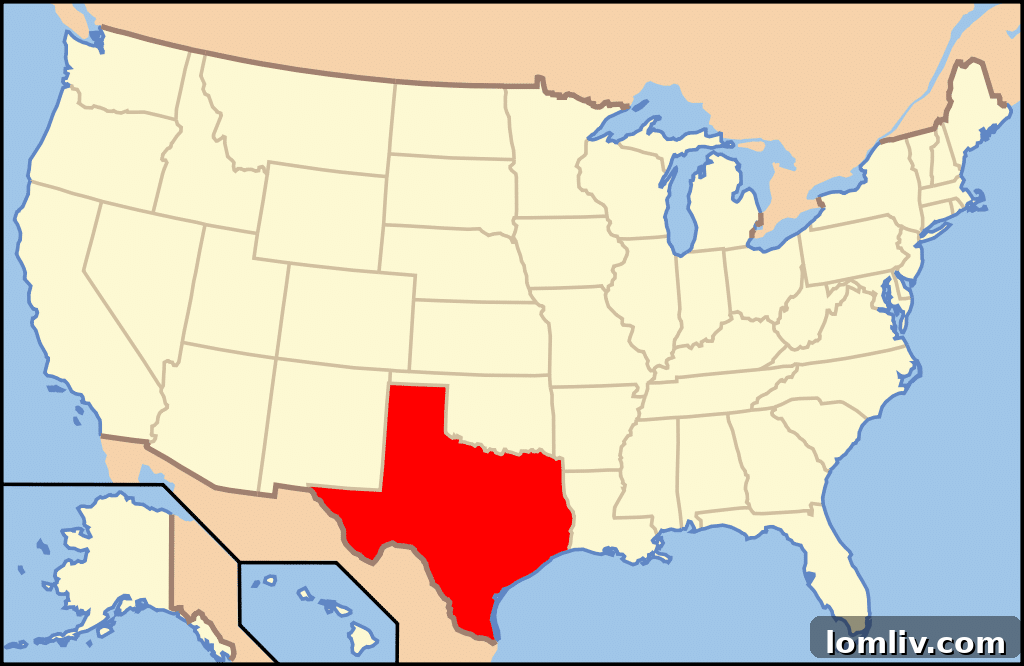
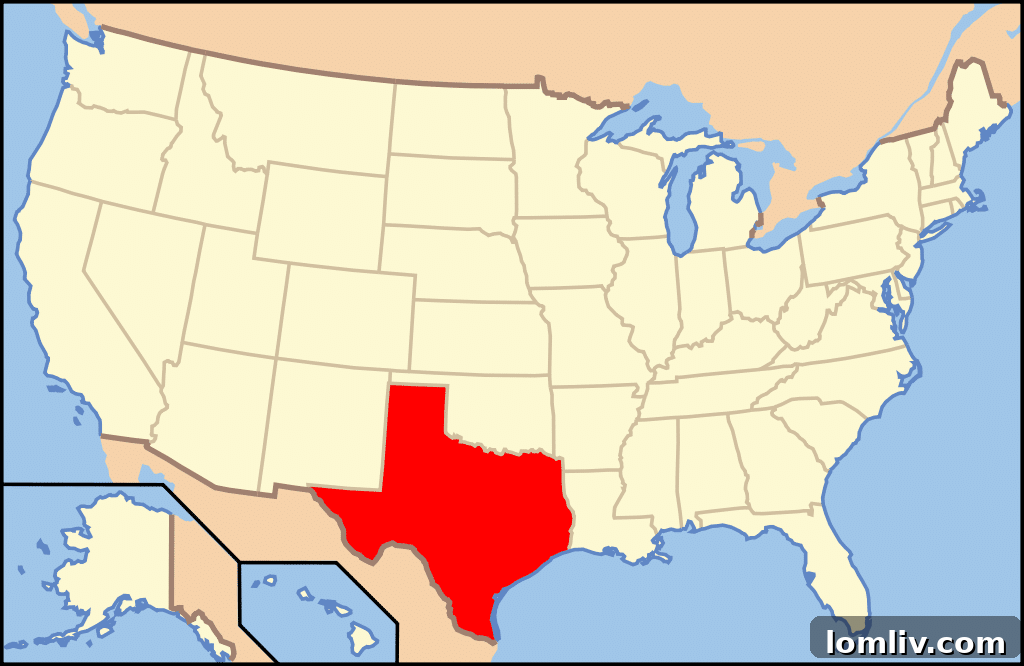
Recent revelations from the U.S. Census Bureau underscore Texas’s formidable position as a demographic powerhouse, with its metropolitan areas consistently topping national charts for population growth. A staggering two out of three metropolitan areas exhibiting the largest population increases across the nation are located within the Lone Star State, while three Texas metros proudly secured spots in the national top 10.
This remarkable expansion signals not just a regional phenomenon but a profound shift in national demographics, drawing significant attention to the economic vibrancy, diverse opportunities, and evolving appeal of Texas as a premier destination for residents and businesses alike.
Dallas-Fort Worth-Arlington: The Epicenter of Numeric Growth
At the forefront of this demographic surge is the Dallas-Fort Worth-Arlington Metropolitan Statistical Area (MSA), which commanded the nation’s highest numeric population growth. According to the latest Census Bureau data, the DFW MSA witnessed an impressive gain of 131,767 residents in 2018, representing a robust 1.8 percent increase. This monumental growth firmly establishes the DFW metroplex as a leading hub for new residents, demonstrating its magnetic pull for individuals and families seeking new beginnings.
Census officials attribute this expansive growth to a combination of factors: both domestic migration (people moving from other U.S. states) and international migration (people moving from other countries), alongside a significant natural increase, meaning a surplus of births over deaths. Interestingly, while natural increase played the most substantial role in DFW’s expansion, domestic migration emerged as the primary growth engine for other rapidly developing urban centers, such as Phoenix.
Sandra Johnson, a demographer with the Census Bureau’s Population Division, offered insightful commentary on these trends. “One interesting trend we are seeing this year is that metro areas not among the most populous are ranked in the top 10 for population growth,” Johnson stated. She further elaborated, “Though no new metro areas moved into the top 10 largest areas, Phoenix, Seattle, Austin, and Orlando all experienced numeric increases in population since 2010, rivaling growth in areas with much larger populations. This trend is consistent with the overall growth we are seeing in the South and the West.” Her observations highlight a broader pattern of demographic shifts favoring these dynamic regions, with Texas cities embodying this trend prominently.
The economic landscape of DFW is a key contributor to its sustained growth. The region boasts a highly diversified economy, spanning finance, technology, logistics, healthcare, and corporate headquarters. Major companies continue to relocate or expand their operations here, creating abundant job opportunities that act as a powerful magnet for skilled professionals and a diverse workforce. This economic dynamism, coupled with a relatively lower cost of living compared to coastal megacities, makes the Dallas-Fort Worth area an attractive proposition for those seeking career advancement and an enhanced quality of life.
Beyond the Big Cities: Midland and Odessa Spearhead Percentage Growth
While the DFW metroplex leads in sheer numbers, other Texas regions are experiencing even more explosive growth in percentage terms. The Census Bureau figures reveal that two of the nation’s 10 fastest-growing metro areas are also situated in Texas: Midland and Odessa.
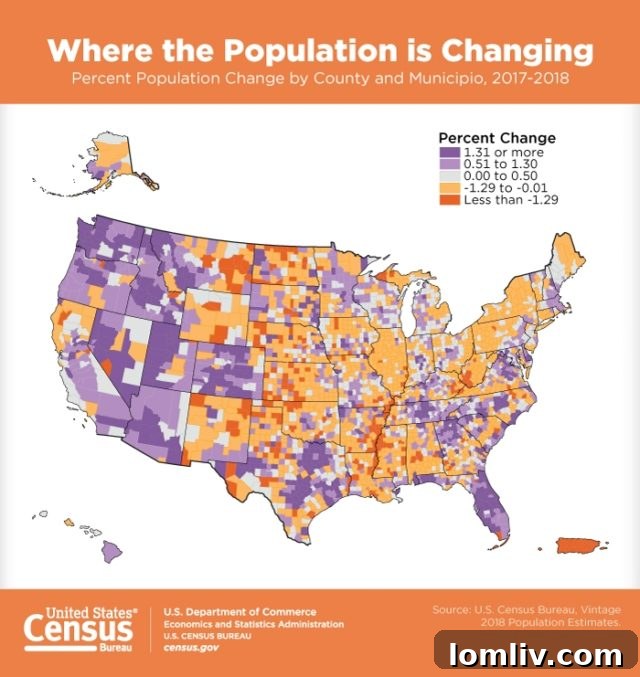
Midland claimed the top spot nationally with an astounding 4.3 percent growth rate, a testament to its vibrant economy. Following closely, Odessa ranked fifth with a robust 3.2 percent increase in population. This impressive performance by Midland and Odessa primarily reflects the resurgence and sustained activity within the Permian Basin, a prolific oil and natural gas producing region. The energy sector’s demands for labor, expertise, and supporting services have transformed these cities into booming hubs, attracting workers from across the country and beyond. While such rapid growth brings economic prosperity, it also presents unique challenges, including strain on infrastructure, housing shortages, and the need for expanded public services to accommodate the influx of new residents.
County-Level Dynamics: A Closer Look at Texas’s Growing Pains and Gains
Zooming into the county level provides an even more granular understanding of Texas’s population shifts. Dallas County maintains its status as the nation’s eighth most populous county, underscoring its long-standing demographic significance. However, when evaluating numeric growth, Tarrant County (home to Fort Worth) emerged as the eighth-largest contributor nationally, showcasing its rapid expansion. Collin County, located north of Dallas, also demonstrated remarkable growth, securing the fourth position in the nation for numeric population increase.
For percentage growth, Kaufman County, situated to the southeast of Dallas, showed outstanding performance, ranking third nationally with an impressive 4.7 percent growth rate. These county-level statistics highlight the diverse patterns of growth, often radiating from central urban cores into surrounding suburban and exurban areas, driven by factors like housing affordability, new development, and improved infrastructure connecting them to major employment centers.
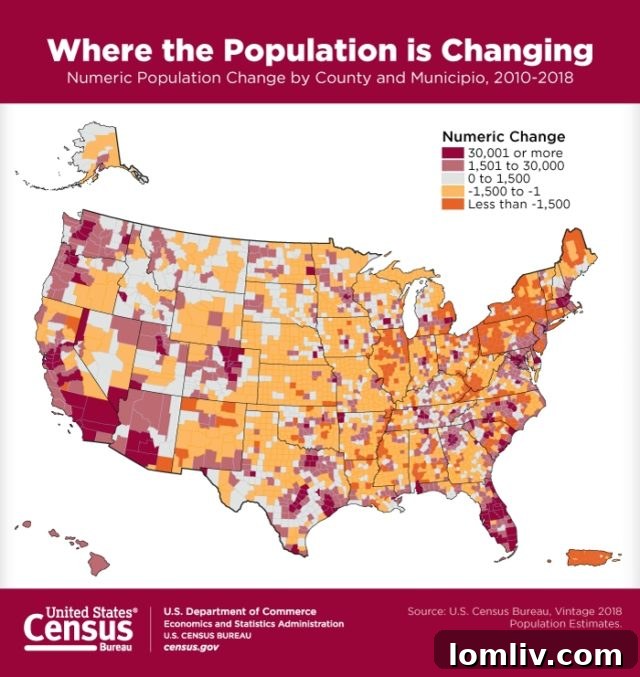
Analyzing a longer timeframe from 2010 to 2018, Tarrant County expanded by 274,276 residents, while Dallas County grew by 271,089. These figures illustrate consistent, substantial growth over nearly a decade, cementing their roles as critical components of Texas’s demographic ascendancy. When considering the most populous cities, the DFW metroplex ranked fourth nationally, with Houston closely following. However, for numerical growth between 2017 and 2018, DFW once again led the nation with an increase of 131,767 residents, far outpacing other rapidly growing metros like Austin, which added 53,086 residents during the same period.
Austin’s Meteoric Rise: A Magnet for Talent and Innovation
Austin, the state capital, has also distinguished itself as a prime destination for new residents, consistently ranking among the fastest-growing major cities in the U.S. Its metropolitan area population surged by 26.3 percent, or 451,995 people, since 2010, positioning it as the third fastest-growing metro and ranking ninth in cumulative numeric growth.
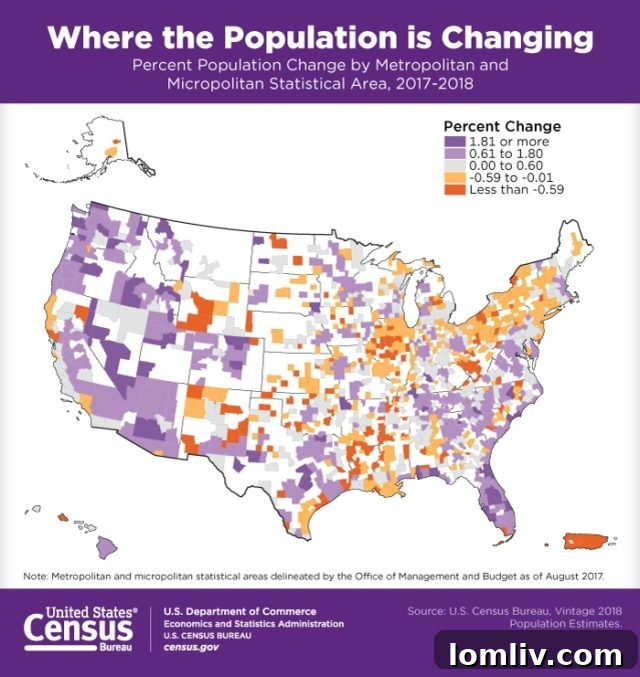
As Census statistician and demographer Kristie Wilder explained, “The growth is largely attributed to increases in net domestic migration.” This indicates that Austin’s vibrant economy, particularly its flourishing technology sector, cultural appeal, and progressive urban environment, are drawing a significant number of people from other U.S. states. Known as “Silicon Hills,” Austin has become a global tech hub, attracting startups, established tech giants, and a highly skilled workforce, fueling its continuous expansion. This rapid growth, while transformative, has also brought challenges, notably in housing affordability and increased traffic congestion, prompting ongoing discussions about sustainable urban development.
The Enduring Appeal of Texas’s Metropolitan Giants
Beyond the impressive annual statistics, the long-term trends further solidify Texas’s demographic dominance. Between 2010 and 2018, the Dallas metropolitan area recorded an astonishing increase of 1,113,489 residents, placing it at the very top of the national list for overall population growth during that period. Houston followed as the second-highest growing metro, with Austin securing the ninth position. These figures highlight the sustained and widespread appeal of Texas’s major urban centers, which continue to act as economic engines and cultural melting pots, drawing in millions of new residents over the past decade.
Houston’s robust growth mirrors its status as a global city with an exceptionally diverse economy. Beyond its traditional energy industry roots, Houston has become a leader in healthcare (home to the Texas Medical Center, the largest medical complex in the world), aerospace, shipping, and advanced manufacturing. Its international port, diverse population, and strategic location contribute to its continuous expansion, making it a critical gateway for trade and an attractive destination for international migrants and businesses.
What’s Fueling the Texas Boom? A Multifaceted Analysis
The consistent and widespread population growth across Texas is not coincidental; it’s the result of a powerful confluence of economic, social, and geographic factors:
- Economic Opportunity: Texas boasts a robust and diversified job market across various sectors, including technology, energy, finance, healthcare, manufacturing, and logistics. The state’s pro-business environment, favorable regulatory climate, and lack of a state income tax are major draws for corporations and entrepreneurs alike, leading to job creation at an unprecedented pace.
- Affordability & Cost of Living: Compared to highly populated coastal states, particularly California and New York, Texas generally offers a more affordable cost of living, especially concerning housing. This allows residents to achieve a higher quality of life and greater financial stability, making it an attractive option for families and young professionals.
- Quality of Life: Texas offers a rich tapestry of cultural experiences, from vibrant urban centers to expansive natural landscapes. Its warm climate, burgeoning culinary scenes, outdoor recreational opportunities, and a growing array of amenities contribute to a desirable lifestyle that appeals to a broad demographic.
- Migration Patterns: The state benefits from strong domestic migration, with people moving from other U.S. states in search of better economic prospects and a more affordable lifestyle. Simultaneously, Texas’s proximity to the U.S. southern border and its diverse economy make it a significant destination for international migration, further enriching its demographic fabric.
- Demographic Dividend: Texas has a relatively younger population and higher birth rates compared to many other U.S. states, contributing significantly to its natural increase and ensuring a continuous stream of new residents from within.
Navigating the Future: Challenges and Opportunities of Sustained Growth
While rapid population growth is often a sign of economic health and vibrancy, it also presents significant challenges that require proactive planning and strategic investment. Texas’s meteoric rise necessitates careful consideration of its long-term impacts:
- Infrastructure Strain: The influx of millions of new residents places immense pressure on existing infrastructure, including roads, public transportation, water systems, power grids, and waste management. Timely investments and innovative solutions are crucial to prevent congestion and ensure essential services keep pace with demand.
- Housing Affordability: As demand outstrips supply, housing costs inevitably rise. Balancing growth with maintaining accessible and affordable housing for all income levels is a critical challenge for Texas’s rapidly expanding cities and counties.
- Environmental Impact: Urban sprawl, increased resource consumption (especially water in an already arid region), and potential impacts on air quality and natural habitats are significant environmental concerns that require sustainable development practices and conservation efforts.
- Social and Cultural Integration: Managing increasing diversity and ensuring equitable access to public services, education, and healthcare for all residents is vital for maintaining social cohesion and quality of life in rapidly changing communities.
- Economic Diversification: While many Texas economies are diverse, some areas, like Midland and Odessa, are heavily reliant on specific sectors. Continuous efforts toward diversification can help ensure long-term stability and resilience against market fluctuations.
Policy Responses and Sustainable Development
Addressing these challenges effectively requires foresight, collaboration, and strategic policy-making at both state and local levels. Proactive urban planning, significant investment in public transit, the preservation of green spaces, and community engagement are paramount. Encouraging mixed-use developments, promoting sustainable building practices, and developing comprehensive water management strategies are essential components of a long-term vision for sustainable growth in Texas.
Conclusion: Texas’s Dynamic Demographic Landscape
The latest Census Bureau data paints a clear picture: Texas is undeniably at the forefront of population growth in the United States. Its metropolitan areas, from the vast Dallas-Fort Worth metroplex to the booming energy hubs of Midland and Odessa, and the innovative tech hub of Austin, are attracting millions seeking economic opportunity and a higher quality of life. This demographic dynamism, fueled by robust job markets, relative affordability, and a favorable business climate, is reshaping the state’s future.
As Texas continues its trajectory as a national leader in population growth, the imperative to manage this expansion sustainably becomes increasingly critical. By addressing the challenges of infrastructure, housing, and environmental impact with strategic planning and collaborative effort, Texas can ensure its vibrant growth translates into long-term prosperity and an enhanced quality of life for all its residents, solidifying its role as a demographic and economic powerhouse for decades to come.