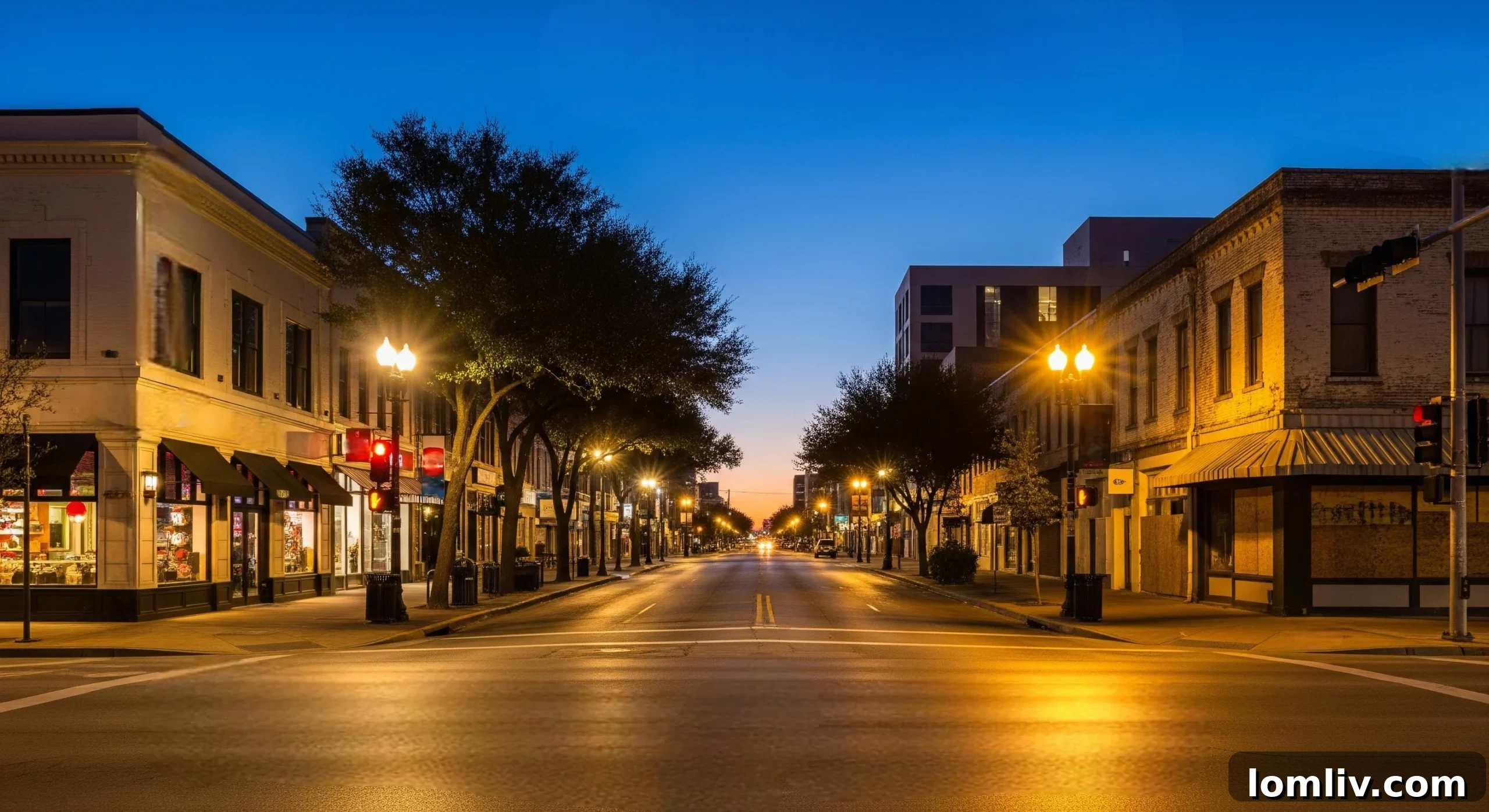
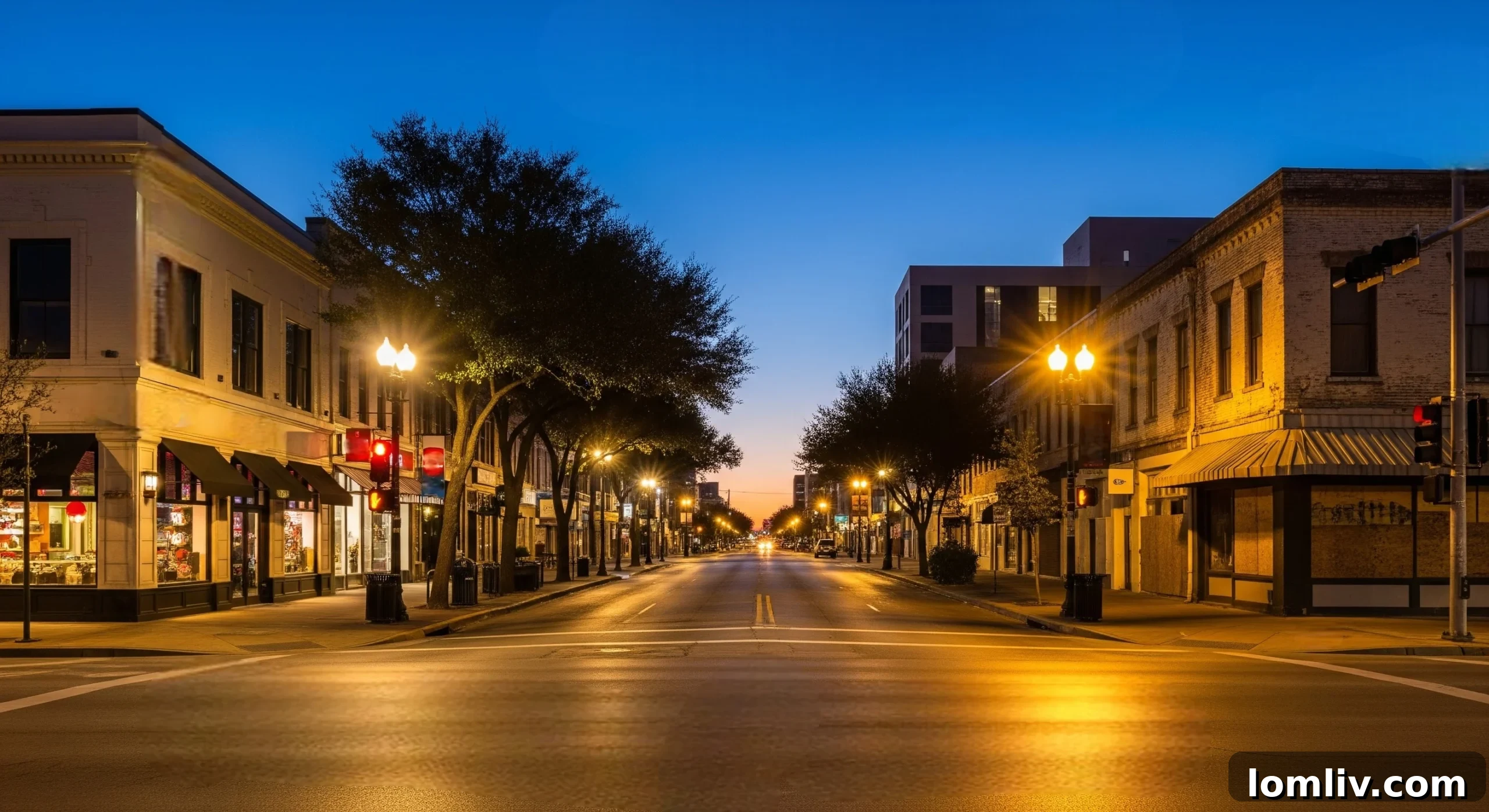
Dallas, a city of immense opportunity and dynamic growth, often feels like a mosaic of distinct realities. Drive across one major thoroughfare, and the urban landscape can transform dramatically – from bustling, well-lit boulevards to quieter, less-maintained streets. This rapid shift in environment is reflected not only in the visible infrastructure but also in the palpable sense of safety and community vibrancy. Residents might observe people leisurely walking their dogs in one area, while in another, individuals hurry from their cars directly to their front doors, reflecting an underlying difference in comfort and security.
This stark contrast, far from being an illusion, is a direct consequence of Dallas’s rapid, yet uneven, development. While the city has expanded at an impressive pace, the benefits of this growth, including critical infrastructure and public resources, have not been distributed uniformly across its diverse neighborhoods. City leaders have openly acknowledged this disparity, particularly highlighting the need for strategic investment in historically neglected areas, especially within Southern Dallas. To address this, specific incentive programs have been established, aiming to bridge the long-standing gaps in development and ensure more equitable access to resources.
When fundamental urban elements such as roads, street lighting, and general maintenance vary significantly from one neighborhood to the next, the perception and actual experience of safety inevitably differ. A comprehensive understanding of neighborhood safety differences across Dallas is not merely a matter of civic curiosity; it is a crucial prerequisite for fostering a more just, secure, and equitable environment for all residents, paving the way for a truly cohesive and thriving metropolitan area.
Understanding Dallas’s Safety Landscape: Hot Spots vs. Quiet Blocks
The distribution of crime across any urban area, including Dallas, is rarely random. Instead, criminal activity tends to cluster in specific locations, creating what are often referred to as “hot spots.” This phenomenon is well-documented and forms the foundation of modern policing strategies.
The Dallas Police Department (DPD) itself recognizes this pattern, tailoring its violent-crime reduction planning around this principle. Their approach emphasizes focusing resources and interventions on these concentrated areas of violence, rather than diluting efforts across isolated incidents spread throughout the entire city. This strategic shift involves implementing “place-based” strategies and targeted enforcement designed for smaller, specific locales where persistent issues related to crime and disorder are observed. By understanding where crime is most likely to occur, law enforcement can deploy resources more effectively, leading to a more impactful reduction in violence.
This targeted approach is critical because it explains why a particular neighborhood might generally feel calm and safe, while a few specific blocks within it remain a source of significant stress and anxiety for residents. These hot spots often emerge near busy commercial corridors, vibrant nightlife districts, or areas characterized by high vacancy rates, derelict properties, and chronic social disorder. These environmental factors can create opportunities for criminal activity and reduce the perceived risk for offenders. When these predictable patterns of crime emerge, they also generate a predictable level of anxiety and fear among the people who live in close proximity to these areas, impacting their quality of life and sense of personal security. Addressing these specific clusters requires a nuanced approach that goes beyond general policing, delving into community engagement, environmental design, and targeted social services to break the cycle of disorder.
The Unsung Heroes of Safety: Light, Upkeep, and Infrastructure
When assessing the safety of a street after dark, one of the quickest and most telling indicators is to simply look up. Good street lighting, while not a magical cure-all for every urban problem, plays a dual and profoundly impactful role in enhancing public safety. Firstly, it dramatically improves visibility, allowing pedestrians and drivers to see their surroundings more clearly, identify potential threats, and navigate safely. Secondly, and equally important, it fundamentally alters how people perceive and interact with public spaces. A well-lit block inherently feels more observed, more cared for, and consequently, safer. Conversely, a dark, poorly lit street often feels ambiguous, inviting uncertainty and fostering a sense of vulnerability.
Dallas wisely treats street lighting not as a mere aesthetic detail, but as essential public infrastructure. The city’s transportation department explicitly states its commitment to maintaining approximately 22,000 city-owned streetlights. Furthermore, it contracts with Oncor, a major electric utility, to ensure the maintenance of tens of thousands more streetlights across the metropolitan area, illustrating a comprehensive city-wide effort. The city also provides clear guidelines for reporting outages and outlines specific repair windows for certain types of lighting issues, underscoring its dedication to keeping these vital assets operational.
Beyond lighting, basic urban maintenance—or the lack thereof—sends powerful signals about a neighborhood’s vitality and safety. Overgrown lots, broken curbs, persistent potholes, and accumulated trash are not just aesthetic nuisances; they are indicators of neglect. These signs of disrepair can inadvertently create environments that are perceived as less safe and can even foster opportunities for petty crime or illicit activities. The Dallas Police Department’s comprehensive safety plan explicitly acknowledges this, advocating for partnerships on “environmental fixes” as a fundamental component of a broader, holistic safety strategy. In practical terms, proactive maintenance is the crucial difference between a block that feels lived-in, vibrant, and secure, and one that feels abandoned, neglected, and consequently, more prone to issues. Investing in these seemingly “boring” aspects of urban infrastructure has a profound, tangible impact on both the perception and the reality of neighborhood safety and overall quality of life.
Traffic Risk: An Uneven Burden in Dallas
Defining “safety” in a sprawling, car-centric metropolis like Dallas extends far beyond the traditional focus on crime. Road safety constitutes a significant, yet often overlooked, dimension of daily security for residents. The dangers posed by traffic — from minor collisions to fatal accidents — are a pervasive part of urban life, and critically, these risks are not uniformly distributed across the city.
Dallas Vision Zero, an initiative committed to eliminating traffic fatalities and serious injuries, highlights this critical disparity. The program utilizes a “High Injury Network” approach, which identifies that a surprisingly small percentage of the city’s road network accounts for a disproportionately large share of fatal crashes and severe injuries. This means that certain corridors and intersections are inherently more dangerous than others, posing a constant threat to drivers, pedestrians, and cyclists alike. These high-risk areas are often characterized by design flaws such as excessively wide lanes that encourage speeding, inadequate pedestrian infrastructure, poorly marked crosswalks, and a general prioritization of vehicular throughput over human safety.
This understanding is crucial because it helps to explain why two neighborhoods, despite having similar crime statistics or general “vibes,” can feel drastically different in terms of daily safety. In one, the roads might be calm and pedestrian-friendly, making walking or cycling a pleasant experience. In another, despite a low crime rate, the sheer speed of traffic, the sketchiness of crosswalks, and the general lack of safe pedestrian infrastructure can make any journey outside a vehicle feel like a significant risk. The constant threat of traffic accidents contributes to a pervasive sense of unease, diminishes quality of life, and restricts mobility, particularly for vulnerable populations like children, the elderly, and those without access to private transportation. Addressing traffic safety is therefore an integral part of creating truly safe and livable neighborhoods across Dallas, demanding thoughtful urban planning and engineering solutions that prioritize human well-being over vehicular speed.
Data vs. Vibes: The Dual Nature of Dallas Neighborhood Perceptions
In the discourse surrounding urban safety, two distinct but intertwined forces are constantly at play: empirical data and subjective perception, or “vibes.” Neighborhood reputations, once established, can be remarkably sticky. A single sensational headline or a period of elevated crime can brand an area as “dangerous” for years, even long after conditions have demonstrably improved. This lingering perception can deter investment, impact property values, and influence how current and prospective residents view the area, regardless of current realities.
Fortunately, residents and policymakers alike do not have to rely solely on hearsay or outdated reputations. The City of Dallas actively promotes transparency by publishing incident-level police data through Dallas OpenData, making detailed information accessible to the public. Furthermore, the Dallas Police Department provides public-facing crime maps and reports. These invaluable resources offer a clear, data-driven window into reported incidents, their geographical distribution, and their frequency, empowering individuals to make informed assessments based on verifiable facts.
However, it is equally important to acknowledge the inherent limitations of raw data. Not every incident is reported to the police, leading to potential underestimation of certain crime types. Case categories can evolve or change following further investigation, complicating direct comparisons. Moreover, simply comparing raw crime totals across different zip codes or neighborhoods can be misleading. An area with a large entertainment district, attracting numerous visitors and transient populations, will naturally show higher incident numbers than a predominantly residential area, even if the per-capita risk for residents is lower in the entertainment district. A more accurate and nuanced understanding of safety emerges when quantitative data is carefully paired with qualitative context. This includes considering land use patterns, the volume of foot traffic, the quality of street lighting, the presence of public amenities, and the general “feel” of streets at different times of day. Integrating these diverse perspectives offers a holistic view, bridging the gap between cold statistics and the lived experience of safety.
The Bottom Line: Forging a More Equitable and Secure Dallas
The discernible gaps in safety and quality of life across Dallas are not attributable to a single, isolated cause. Rather, they are the complex product of historical urban development patterns, the pathways of financial investment, the deliberate design choices embedded in the city’s street networks, and the current allocation of resources. These interconnected factors have collectively shaped the diverse, sometimes disparate, experiences of safety that residents encounter daily. Recognizing this multi-faceted origin is the first critical step toward implementing effective and lasting solutions.
Encouragingly, many of the necessary fixes are straightforward and within the city’s grasp. This includes ensuring the swift repair of streetlights that remain out for weeks, thereby eliminating pervasive dark spots that foster uncertainty and insecurity. It involves designing and installing crosswalks that are not merely lines on the road, but engineered solutions that genuinely slow down vehicles and prioritize pedestrian safety. Aggressive and consistent code enforcement is vital to prevent neglected lots and dilapidated buildings from becoming havens for illicit activities or contributing to a general sense of urban decay. Fundamentally, it means strategically allocating time, attention, and resources to the areas where harm persistently manifests, shifting away from reactive measures towards proactive community building.
The overarching goal here is not to create a select, privileged list of neighborhoods that get to experience the luxury of feeling safe. Instead, it is a far more ambitious and equitable vision: to elevate the baseline of safety and security across every single neighborhood in Dallas. This collective effort aims to transform feeling secure from an exclusive perk into an inherent, fundamental aspect of normal daily life for every resident, regardless of their address. By addressing these foundational issues, Dallas can move closer to its promise of being a thriving, equitable city where security is a right, not a privilege, for all who call it home.