

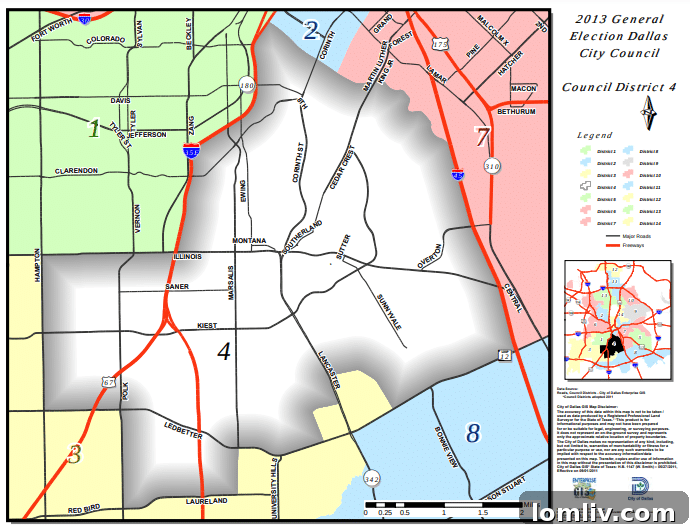
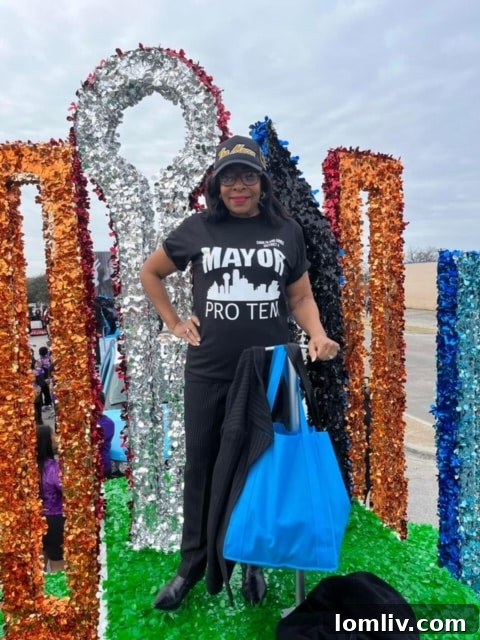
In a significant boost for urban development and community well-being, more than $22 million in critical grant funding has been officially awarded to enhance streets and sidewalks within Dallas City Council District 4. This transformative announcement was made last month by Dallas Mayor Pro Tem Carolyn King Arnold, signaling a major step forward for a community long deserving of focused infrastructure investment. These substantial funds are courtesy of the North Central Texas Council of Governments (NCTCOG), a pivotal regional organization established by and for local governments across North Texas. Its core mission is to foster regional planning, collaboration, and the strategic allocation of resources to address pressing community needs and support sustainable growth across its expansive jurisdiction.
The timing of this grant award is particularly poignant, aligning perfectly with Dallas city leaders’ consistent emphasis on the indispensable role of robust infrastructure in both attracting new development and retaining existing businesses and residents. A modern, well-maintained infrastructure network, encompassing everything from smooth roads to accessible pedestrian pathways and efficient public transit, is universally recognized as the bedrock for economic vitality and a high quality of life. This funding represents not just a financial allocation but a strategic investment in the future prosperity and equity of Dallas, particularly within its southern quadrant, ensuring that infrastructure development remains a top priority for sustainable urban growth.
NCTCOG Grant Funding: A Catalyst for Community Transformation and Accessibility
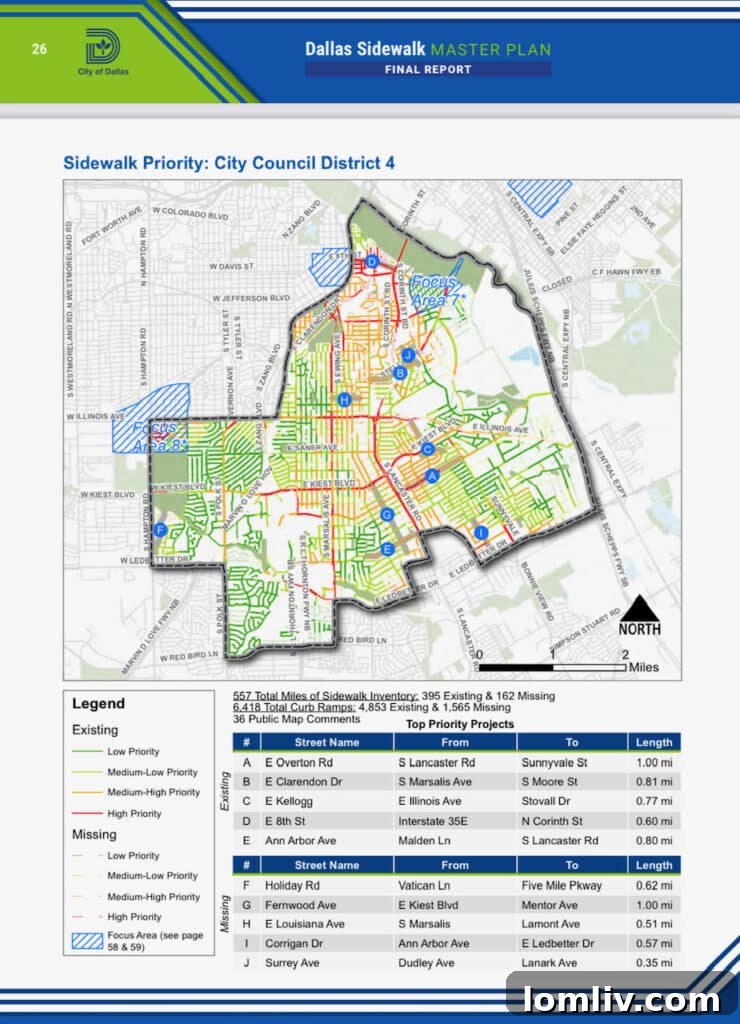
The grant funding channeled through the North Central Texas Council of Governments (NCTCOG) is set to catalyze significant improvements across District 4, directly impacting daily life for thousands of residents. A primary focus of this substantial investment is the construction of over 30 miles of new, desperately needed sidewalks around key Dallas Area Rapid Transit (DART) stations. These critical pedestrian pathways will bridge existing gaps near the 8th and Corinth streets, Morrell Avenue, Illinois Avenue, and Kiest Boulevard stations. This ambitious project aims to transform these areas into more walkable, safer, and ultimately more accessible community hubs. The historical absence of continuous and well-maintained sidewalks has long posed significant challenges for residents, limiting pedestrian mobility, creating safety risks, and hindering easy access to essential public transportation and local businesses. This grant directly addresses these long-standing issues, promoting healthier lifestyles, enhancing pedestrian safety, and improving the overall urban experience for the entire community.
Beyond the vital expansion of pedestrian infrastructure, the NCTCOG investments will also significantly upgrade existing transit accommodations. This includes the introduction of new technology and crucial safety features at nearby bus stops on DART’s Route 217, as well as various Blue Line light rail stations. This modernization effort targets key transportation hubs such as Kiest, the Veterans Administration Medical Center, and Morrell stations. These enhancements are designed not only to improve the daily commute for transit riders but also to contribute to a more integrated, efficient, and user-friendly public transportation system throughout the district. New technologies could encompass real-time bus tracking information, enhanced and energy-efficient lighting, digital signage providing up-to-the-minute updates, and improved shelter designs offering greater comfort and protection from the elements. The robust focus on safety features underscores a commitment to creating secure environments for all passengers, from improved surveillance systems to better-lit waiting areas, ensuring peace of mind for those who rely on DART services to connect them with jobs, education, and essential services.
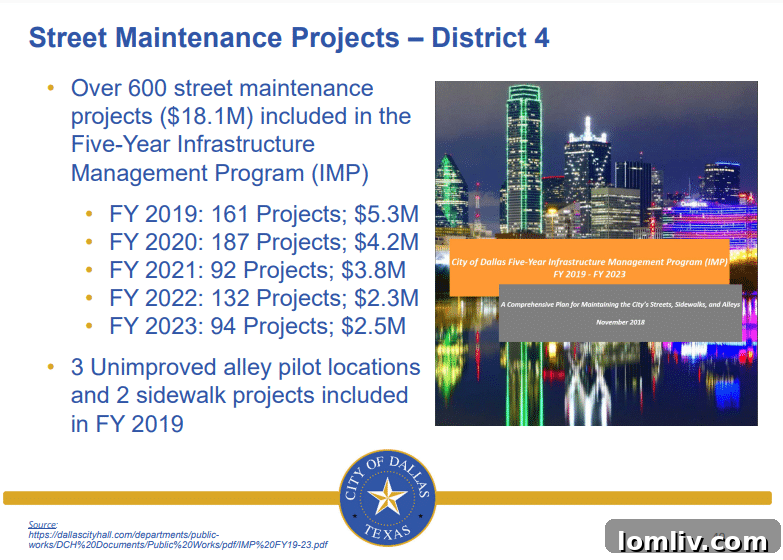
Furthermore, this comprehensive funding package explicitly targets critical upgrades for key thoroughfares within District 4, including East 10th Street, Hutchins Avenue, and the vital Lancaster Corridor. These specific street improvements are anticipated to encompass a wide range of enhancements, from extensive repaving to address long-standing issues like potholes and uneven surfaces, to improving antiquated drainage systems that often lead to localized flooding. Additionally, upgrades to traffic signals for better flow, and potentially the integration of dedicated bicycle lanes where feasible, are part of the vision. Such comprehensive street enhancements are fundamental to supporting local commerce, improving overall traffic flow for residents and businesses, and ensuring the long-term longevity and safety of the urban infrastructure. The Lancaster Corridor, in particular, stands as a significant artery for District 4, and its revitalization holds immense potential for stimulating sustained economic growth and connecting neighborhoods more effectively to the broader Dallas metropolitan area.
Michael Morris, the esteemed Director of Transportation for NCTCOG, eloquently highlighted the foundational importance of collaborative partnerships in successfully bringing such impactful projects to fruition. He underscored that these multifaceted initiatives are meticulously designed to have a far-reaching positive impact across the entire North Texas region, touching upon regional planning goals, city-wide strategic objectives, and deeply personal neighborhood-level benefits. Morris stated, “The Regional Transportation Council is excited to partner with the City of Dallas and Mayor Pro Tem Arnold to advance transportation projects that will help with accessibility and economic investment in the community while promoting neighborhood equity.” This powerful statement perfectly encapsulates the multi-faceted goals of the grant: not merely improving physical infrastructure, but fostering social equity and driving sustainable economic development by making communities more connected, safer, and inherently more accessible for every resident.
Serving District 4: Addressing Historical Disparities and Building a Brighter, More Equitable Future
Dallas City Council District 4, strategically situated in the southern quadrant of the city, represents a vibrant and incredibly diverse community that, by official acknowledgment, has historically faced significant neglect in terms of infrastructure investment and equitable urban development. This long-standing disparity has manifested in various critical ways, from inadequate public services and limited access to modern amenities, to an aging and incomplete infrastructure network that has demonstrably failed to keep pace with the evolving needs of its hardworking residents. The recent infusion of over $22 million in grant funding is not just a financial transaction; it is a powerful statement, directly addressing these historical inequities and signaling a renewed and vigorous commitment to comprehensive, community-focused development in District 4, laying the groundwork for a more prosperous future.
One striking and long-standing example of this historical underinvestment was dramatically highlighted in a recent Dallas Water Utilities presentation, which revealed a concerning truth: many homes in District 4 and other designated “unserved” areas of Dallas are still operating on antiquated septic tanks rather than being connected to essential city water and wastewater utilities. This critical situation presents numerous public health, environmental sustainability, and significant developmental challenges, severely limiting growth potential and directly impacting residents’ overall quality of life. The ongoing efforts to accelerate the timeline for bringing essential water and wastewater infrastructure to these areas underscore the broader, multi-faceted and equitable approach Dallas is actively taking to uplift historically marginalized communities. These fundamental utilities are not merely conveniences; they are universally recognized as prerequisites for modern living, robust public health, and sustainable economic progress in any thriving urban environment.
Demographically, District 4 stands as a vibrant testament to Dallas’s rich and diverse cultural tapestry. Data released in 2019 indicated that approximately 96 percent of the district’s population identified as “racial/ethnic minorities,” showcasing a community rich in heritage and perspective. Furthermore, the same insightful 2019 council presentation revealed significant economic challenges, with a considerable 58 percent of households in the district earning less than $35,000 per year. These compelling statistics underscore the critical importance of equitable infrastructure investment, ensuring that improvements are strategically directed to areas where they can have the most profound and positive impact on residents who stand to benefit most from enhanced connectivity, improved safety, and expanded economic opportunity. Investing purposefully in District 4 is not just about urban development; it is a direct investment in social justice and fostering economic mobility for a significant and deserving portion of Dallas’s diverse population.
Despite its historical challenges, District 4 is also proudly home to significant landmarks and increasingly important economic drivers. It hosts the city’s ambitious Southern Gateway project, a truly transformative initiative aimed at reconnecting historically divided neighborhoods and spurring robust economic development throughout South Dallas. Additionally, District 4 is the proud location of the world-renowned Dallas Zoo, a major cultural institution and a significant tourist attraction that consistently draws visitors from across the entire region and beyond, boosting local businesses. These existing assets, when strategically combined with the new, targeted infrastructure investments, create a powerful synergy for future growth, sustained revitalization, and increased community pride, solidifying District 4’s position as a dynamic, increasingly connected, and vital part of the thriving city of Dallas.
Mayor Pro Tem Carolyn King Arnold expressed profound joy and deep satisfaction regarding the NCTCOG’s timely and impactful investment in District 4, articulating the tangible and immediate benefits these projects will bring directly to her constituents. “I am overjoyed at the investment the NCTCOG has made in District 4,” Arnold enthusiastically remarked. She passionately emphasized the direct, positive impact on the daily lives of residents: “Our residents’ streets and sidewalks will be safer for drivers, bicyclists, and pedestrians of all ages because of these projects.” This powerful sentiment perfectly encapsulates the overarching goal of these initiatives: to create a safer, more navigable, more inclusive, and ultimately more prosperous environment for every resident. This concerted effort will foster a renewed sense of pride, belonging, and opportunity in a community that is now actively being prioritized for essential urban enhancements. This comprehensive, equity-driven approach to infrastructure development is not just about laying concrete and asphalt; it’s about strategically building a stronger, more equitable, and more vibrant Dallas for current and future generations to come.