The conversation around single-use plastic bags has reached a critical juncture in Dallas, echoing a broader global movement towards greater environmental responsibility. As the Dallas City Council deliberates potential measures, residents and businesses alike are keenly watching, understanding that any decision will ripple through daily life. This isn’t merely about convenience; it’s about evaluating environmental impact, economic considerations, and the very fabric of sustainable urban living. While many of us strive to carry our reusable bags – often leaving them inadvertently in the car – the underlying issue of single-use plastics demands a more systematic approach.
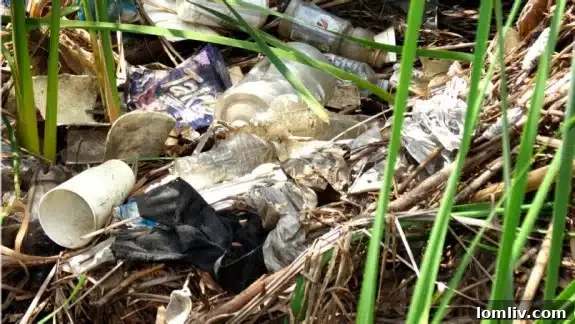
The ubiquity of thin plastic grocery bags, once hailed for their convenience and cost-effectiveness, has come under intense scrutiny. These “one-time use” bags, despite many efforts to reuse them as trash can liners or for other purposes, often end up as unsightly litter, entangling wildlife, and clogging waterways. Their lightweight nature makes them prone to escaping waste management systems, contributing significantly to visual pollution in urban landscapes and posing a long-term threat to ecosystems. The discussion in Dallas reflects a growing awareness of these challenges and a desire to align the city’s policies with modern environmental stewardship.
The Ubiquitous Problem: Why Single-Use Plastic Bags Are Under Scrutiny
Single-use plastic bags, made primarily from petroleum-based plastics, represent a significant environmental challenge. Their production consumes non-renewable resources, and their disposal creates a lasting legacy of pollution. These bags can take hundreds of years to decompose, breaking down into microplastics that infiltrate soil and water, eventually entering the food chain. Wildlife, particularly marine animals, often mistake plastic debris for food, leading to internal injuries, starvation, and death.
Beyond the direct environmental impact, there are economic costs associated with plastic bag pollution. Cities and municipalities incur substantial expenses for cleanup efforts, from street sweeping to clearing storm drains and waterways. Landfill space, a finite resource, is also consumed by these non-biodegradable items. The historical context of plastic bags is equally telling. Introduced widely in the late 1970s, they were initially embraced as a more environmentally friendly alternative to paper bags, with the argument that they saved trees. By 1996, plastic bags commanded an estimated 80% of the market share, a figure likely even higher today. This shift, driven by a desire to conserve forests, inadvertently created a new, complex environmental problem that cities like Dallas are now compelled to address.
A Wave of Change: Bag Regulations Across the Nation and in Texas
Dallas is not alone in grappling with this issue. Over 150 cities and counties across the U.S., including prominent Texas cities like Austin and Brownsville, have already implemented some form of bag regulation. These regulations vary widely, ranging from outright bans on plastic bags to mandatory fees on all single-use carryout bags, or a combination of both. Houston city leaders have also explored similar bans, though discussions have seen their ebbs and flows, signaling a widespread recognition of the problem.
In Dallas, Council Member Dwaine Caraway has been a leading voice in advocating for an ordinance to restrict or ban “single-use” plastic bags. His concerns are rooted in the visible impact of these bags on the city’s environment – littering streets, streams, and private properties when discarded improperly. Caraway’s vision aligns with a broader goal for Dallas to be a truly “green” city, not just in aspiration but in practice. He argues that genuine environmental commitment requires tangible actions that prevent pollution and promote cleanliness.
The current lean within the Dallas City Council appears to be towards restrictions or the imposition of a fee on disposable bags, with the cost typically borne by the consumer. This model is seen in various forms across the country. For example, in Los Angeles, single-use plastic carryout bags are banned, and retailers charge 10 cents for each paper bag provided. This approach encourages consumers to adopt reusable bags by creating a financial incentive. My own experience in the San Francisco Bay Area, where I paid for a shopping bag at a retail store, underscores how quickly this practice becomes standard, subtly shifting consumer behavior towards more sustainable habits.
A Closer Look at Texas Cities Leading the Way
Texas has several cities that have already taken decisive action, showcasing a diverse range of approaches to plastic bag regulation:
- Austin: Implemented a comprehensive ban on both single-use plastic and paper bags, encouraging a strong reusable bag culture.
- Brownsville: Opted for a $1.00 fee per transaction for plastic or paper checkout bags, aiming to reduce consumption through pricing.
- Freer: Banned non-compostable plastic carryout bags, focusing on the material’s environmental impact.
- Fort Stockton: Enforced a ban on single-use plastic bags.
- Kermit: Banned plastic checkout bags and introduced a 10-cent fee on paper bags, a policy that went into effect in October 2013.
- Laguna Vista: Prohibited non-compostable plastic carryout bags, likely influenced by its coastal environment and desire to protect marine life.
- South Padre Island: Banned single-use plastic bags, a crucial step for a popular beach destination heavily impacted by ocean plastic.
- Sunset Valley: Implemented a ban on both single-use plastic and paper bags.
These varied strategies demonstrate that cities are exploring different avenues to achieve similar environmental goals, each tailoring its approach to local conditions and community preferences. Houston, for its part, remains in active discussion, reflecting the ongoing debate and the complex nature of implementing such city-wide changes.
The Practicalities and Politics: Implementing Bag Policies
Implementing a new bag ordinance is not without its operational complexities for businesses. Retailers face the challenge of updating their checkout procedures, which often includes developing new signage, conducting educational campaigns for customers, and providing staff training on how to politely explain the new policy and collect any applicable fees. Language barriers also become a consideration, requiring retailers to be prepared to communicate the policy in multiple languages, such as “no bolsas plastico” in Spanish.
Beyond staff training, there are significant reporting and accounting requirements. Retailers need a system to accurately collect fees, manage the revenue, and comply with any reporting mandates. While some cities, like Los Angeles, allow retailers to retain the collected fees – potentially offsetting their operational costs for implementing the policy – this raises questions about how these fees are classified (e.g., fee income, other income, bag income) and how they are monitored. These practical considerations highlight the need for careful planning and clear guidelines to ensure a smooth transition for both businesses and consumers.
Politically, these debates often reveal divisions within city councils. While environmental advocates like Dwaine Caraway emphasize the importance of “being 100-percent green,” other council members express reservations. Rick Callahan, for instance, has voiced opposition to a ban, noting a lack of strong constituent support in his district. This highlights the delicate balance between pushing for environmental initiatives and responding to the immediate concerns and perceived burdens on residents and local businesses. The question often arises: should the city dictate consumer choices and business practices, or should it focus on broader incentives and education?
Beyond the Bag: Broader Questions and Alternative Solutions
The discussion around plastic bags inevitably leads to broader questions about waste management and environmental responsibility. Some argue that a more effective approach would be to directly fine individuals who litter, regardless of the item, rather than penalizing all consumers and businesses for the actions of a few. The idea of advanced tracking, such as “Poo Prints”-like DNA testing for discarded plastic items, though perhaps far-fetched, highlights the frustration with those who disregard public cleanliness. Slobs who dump single-use checkout bags are often the same individuals who carelessly discard plastic cups, tissues, tires, and styrofoam containers.
If Dallas is truly committed to Dwaine Caraway’s vision of being “100% green,” then critics ask why the focus is solely on grocery bags. This perspective opens a “slippery slope” argument: What about other ubiquitous single-use plastics such as dry cleaner bags, high-end shopping bags from luxury retailers, plastic water bottles, and plastic fast-food cups? Council Member Jerry Allen has notably raised these questions, pointing out the inconsistency of targeting one type of bag while overlooking others. Furthermore, what about newspapers, magazines, and aluminum cans? A comprehensive approach to waste reduction would necessarily extend beyond just plastic grocery bags to address all forms of disposable items.
The Legal Landscape: State Authority vs. Local Control
The path to implementing local bag regulations in Texas is fraught with legal challenges, often pitting municipal authority against state law. A notable example is New Braunfels’ 2012 “can ban,” designed to keep the Comal and Guadalupe rivers free from discarded beverage cans. River outfitters and beer distributors promptly filed a lawsuit, arguing against the city’s jurisdiction to regulate disposable items. In a significant ruling, a State District Court Judge sided with the plaintiffs, stating that New Braunfels lacked the authority to enact such a ban.
Similarly, the Texas Retailers Association sued Austin over its no-bag law, asserting that a Texas city cannot ban bags unless specifically authorized by the state. Their complaint highlighted potential harms, including the loss of customers to stores outside Austin (which still provide bags) and increased prices due to the cost of alternative bags. They also controversially cited potential health risks associated with reusable bags, such as bacterial contamination if not regularly cleaned. Although this particular lawsuit was eventually dropped after Austin officials requested specific data on plastic bag sales, it underscored the significant legal hurdles.
This conundrum prompted State Representative Dan Flynn to seek an opinion from Attorney General Greg Abbott on whether city bans on plastic bags comply with Texas health and safety laws. A critical section of the Texas Health and Safety Code states that a municipal district may not pass legislative restrictions or charge fees related to the consumption of a “container or package” for waste management purposes. Given that many residents reuse plastic bags for pet waste management and other household trash, opponents argue that bag bans directly contravene this state law. As Flynn’s letter stated, the proliferation of city bag bans and fees “appears to be in contravention of state law,” creating legal uncertainty for any city, including Dallas, contemplating similar measures.
Charting a Sustainable Future for Dallas
The debate over single-use plastic bags in Dallas encapsulates a larger conversation about the city’s environmental priorities and how it balances ambition with practicality and legal realities. While the desire to reduce litter and protect the environment is commendable, a truly “100% green” city, as envisioned by Dwaine Caraway, requires a holistic strategy that addresses various environmental challenges. Focusing solely on plastic bags, while important, might divert attention from other significant issues like water conservation – especially when considering the allowance of private waterparks – energy consumption, or comprehensive recycling programs.
As Dallas navigates these complex waters, the ultimate decision will reflect its commitment to sustainability, its ability to overcome legal obstacles, and its capacity to bring businesses and residents along on the journey. Whether through bans, fees, or enhanced educational initiatives, the goal remains the same: to foster a cleaner, healthier, and more sustainable future for all who call Dallas home. It’s a call to action for every resident to reflect on their consumption habits and contribute to a city that truly lives up to its green aspirations.