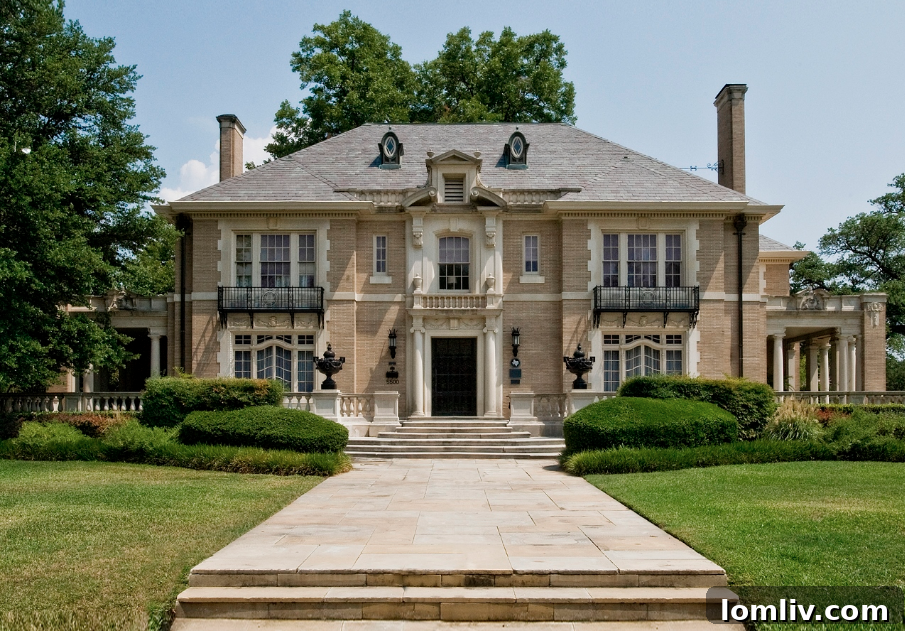
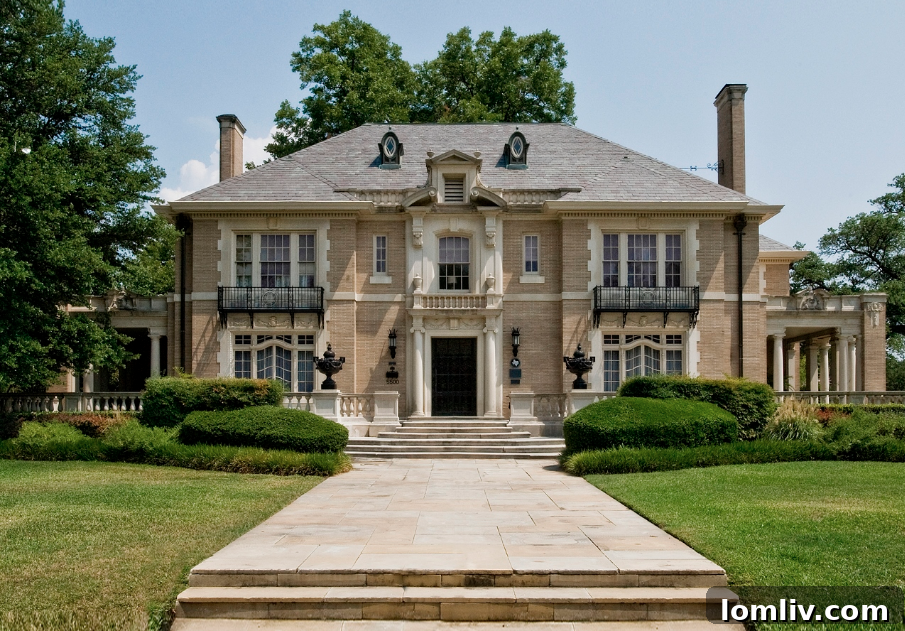
The esteemed Aldredge House, a jewel within Dallas’s first residential historic district on Swiss Avenue, has long stood as a testament to the city’s rich architectural heritage. However, its future, particularly concerning its usage and impact on the surrounding community, recently became the focal point of a significant urban planning and preservation debate. This intricate challenge, involving local residents and the Dallas County Medical Society Alliance (DCMSA), owners of the historic property, reached a pivotal resolution thanks to the astute negotiation skills of Dallas City Councilman Philip Kingston.
What had been described as “quite a tussle” found its peace in a swift decision by the Dallas City Council. The core of the disagreement revolved around the Aldredge House’s special use permit (SUP), which governed the frequency and nature of events held at the historic site. Neighbors on Swiss Avenue expressed concerns regarding the continuous use of the house for meetings and programs, citing potential disruptions to their quiet residential environment. Conversely, the DCMSA felt the existing special use permit was overly restrictive, hindering their ability to effectively manage and maintain the historic property through necessary public and private events.
Safeguarding a Dallas Treasure: The Aldredge House and Its Historic Context
The Aldredge House, built in 1917, is more than just an old building; it’s a significant piece of Dallas’s past, embodying the grandeur and architectural styles prevalent in the early 20th century. Situated within the iconic Swiss Avenue Historic District, the house is a prime example of the Classical Revival style, characterized by its stately columns, symmetrical facade, and elegant detailing. The district itself holds immense importance as Dallas’s first residential historic district, meticulously preserved to showcase an era of opulence and distinct architectural craftsmanship. Homes here, including the Aldredge House, tell stories of Dallas’s foundational families and its evolution from a nascent city into a sprawling metropolis.
Recognizing its invaluable cultural and architectural contribution, the Aldredge House found itself on the 2015 list for endangered places in Dallas, a sobering reminder of the constant vigilance required to protect historic landmarks. This designation by Preservation Dallas underscored the property’s vulnerability and the critical need for sustainable solutions to ensure its long-term survival. The Dallas County Medical Society Alliance acquired the property in 1969, taking on the monumental task of preserving this architectural gem while utilizing it for their meetings, educational programs, and community outreach, further embedding the house into the fabric of Dallas’s civic life.
The Heart of the Conflict: Balancing Preservation with Community Life
The debate surrounding the Aldredge House was a classic example of the challenges inherent in urban planning: how to balance the adaptive reuse of a historic property with the tranquility and character of a residential neighborhood. For the residents of Swiss Avenue, the charm of their historic district lies not only in its visual appeal but also in its peaceful ambiance. The increasing frequency of events at the Aldredge House, while often for noble causes, raised concerns about traffic congestion, parking shortages, increased noise levels, and a general shift in the neighborhood’s residential feel.
The Dallas County Medical Society Alliance, on the other hand, faced the immense financial and logistical burden of maintaining a large, historic structure. Such properties require continuous upkeep, restoration, and significant investment. The SUP, with its stringent restrictions on the number and timing of events, limited their capacity to generate revenue, which is crucial for funding preservation efforts and operational costs. The Alliance saw the house as a vital asset, not just for their own activities but as a public good, offering a unique venue for community gatherings, educational initiatives, and cultural events, all contributing to the vibrancy of Dallas.
This “tussle” highlighted a fundamental tension: the desire of the community to protect its residential quality of life versus the necessity for a non-profit organization to use its historic asset effectively for both its mission and its preservation. Both sides presented compelling arguments, rooted in their respective commitments to the community – one to its immediate living environment, the other to a broader cultural and historical stewardship.
A Masterclass in Mediation: Councilman Kingston’s Intervention
The resolution of this complex dispute required a delicate touch and a deep understanding of community dynamics, a task admirably undertaken by Dallas City Councilman Philip Kingston. Known for his ability to navigate intricate policy landscapes and foster consensus, Kingston stepped into the fray, acting as a crucial mediator between the Swiss Avenue neighbors and the DCMSA. His efforts were instrumental in bridging the gap between seemingly opposing interests, demonstrating the power of effective civic leadership in contentious situations.
The issue had been extensively reviewed by the Dallas City Plan Commission, which crafted a proposed Planned Development (PD) and Special Use Permit (SUP) aimed at striking a balance. However, these initial proposals still required fine-tuning to gain the full support of all parties. It was in the Council Chambers, during a City Council meeting, that Kingston presented a motion to approve the Plan Commission’s recommendations, but with specific, thoughtful modifications. His ability to synthesize the various viewpoints and propose a pragmatic solution underscored his commitment to both historic preservation and community well-being.
The swift passage of Kingston’s motion, taking “about five minutes,” was a testament to the thorough groundwork laid by all involved, and the effectiveness of the proposed compromise. Councilman Dwaine Carraway, acting as Mayor in the absence of Mayor Rawlings, aptly summarized the outcome: “there, we fixed Aldredge House.” This moment marked a significant turning point, shifting the narrative from conflict to collaboration and ensuring the Aldredge House’s continued role as a cherished Dallas landmark.
The Compromise Unveiled: Key Modifications to the Special Use Permit
The resolution brought forth several critical modifications to the Aldredge House’s Special Use Permit, carefully designed to address the concerns of both the Swiss Avenue residents and the Dallas County Medical Society Alliance. These adjustments reflect a concerted effort to create a sustainable framework for the house’s operations while preserving the neighborhood’s character.
Under the revised SUP, the number of events permitted after 5:00 pm at the Aldredge House is restricted to 36 per year, with a maximum of three events allowed per month. A key modification introduced flexibility within the monthly limit: while three events are allowed, only two of these must be non-consecutive, as opposed to the previous stipulation that all three had to be non-consecutive. This slight but significant change provides the DCMSA with greater scheduling latitude, allowing them to host certain back-to-back events when necessary, easing their operational constraints.
Furthermore, the operating hours for evening events were extended, allowing them to continue until 10:00 pm, an hour later than the previous 9:00 pm curfew. This extension provides more practical time for events to conclude without feeling rushed, enhancing the house’s viability as a venue. Crucially, fundraising events specifically organized for the benefit of the Aldredge House were explicitly included as a permitted use, a vital addition that had not been clearly defined before. This change directly supports the DCMSA’s ability to generate much-needed funds for the maintenance and preservation of the historic property.
An essential aspect of this agreement is the sunset clause: the SUP is set to expire in 2021. This built-in review mechanism ensures that the conditions and impacts of the permit will be re-evaluated at that time, allowing for further adjustments if needed based on real-world experience and evolving community needs. This provision provides a measure of assurance to the neighbors that the agreement is not set in stone indefinitely, and to the DCMSA that they can demonstrate their commitment to the guidelines over time.
A Balanced Outcome: A Win for Compromise and Dallas Historic Preservation
The immediate reaction from David Dean, a prominent neighbor and civic leader, encapsulated the sentiment of a successful negotiation: “the neighborhood didn’t get everything they wanted, the DCMA didn’t get everything they wanted. Thus it was a good deal.” This perspective highlights the essence of a true compromise, where no single party achieves absolute victory, but all parties achieve a workable, mutually acceptable solution. It underscores the maturity of the Dallas community in addressing complex issues through dialogue and collaboration.
Following the Council’s decision, the Dallas County Medical Society Alliance promptly reaffirmed their commitment to operating within the newly established guidelines. This commitment is crucial for fostering trust and ensuring the long-term success of the agreement. It demonstrates their dedication not only to their mission but also to being responsible stewards of a significant historic landmark within a vibrant residential community.
This resolution stands as a beacon for historic preservation efforts across Dallas and beyond. It exemplifies how adaptive reuse, a cornerstone of modern preservation, can be successfully integrated into existing urban fabrics without sacrificing community character. By finding common ground, the City Council, the residents of Swiss Avenue, and the DCMSA have ensured that the Aldredge House can continue to thrive as a functional and historically significant building, rather than languishing as an underutilized or endangered relic. It reinforces the idea that historic buildings are not merely static monuments but living entities that require thoughtful integration into contemporary society.
Safeguarding Dallas’s Heritage: The Future of Aldredge House
The agreement reached regarding the Aldredge House marks a new chapter in its long and distinguished history. It sets a precedent for how Dallas approaches similar challenges, emphasizing the importance of community engagement, meticulous urban planning, and the willingness of all stakeholders to compromise for the greater good. The continued operation of the Aldredge House under these revised guidelines ensures that it remains a vibrant hub for the Dallas County Medical Society Alliance and a valuable asset for the wider Dallas community.
Moving forward, the success of this resolution will depend on ongoing communication and mutual respect between the DCMSA and the Swiss Avenue neighbors. The 2021 review of the SUP provides an opportunity to assess the effectiveness of the current framework and make any necessary adjustments, ensuring its continued relevance and fairness. This structured approach to historic preservation, where community concerns are weighed against the operational needs of historic property owners, is vital for the sustainable future of Dallas’s many cherished landmarks.
The Aldredge House, once listed among Dallas’s endangered places, now has a clearer path forward, secured by a carefully brokered agreement. Its story is a powerful reminder of the enduring value of historic preservation, not just for the buildings themselves, but for the rich cultural tapestry they weave within our communities. It stands as a symbol of Dallas’s commitment to honoring its past while thoughtfully planning for its future, ensuring that treasures like the Aldredge House continue to inspire and serve generations to come on the beautiful Swiss Avenue.