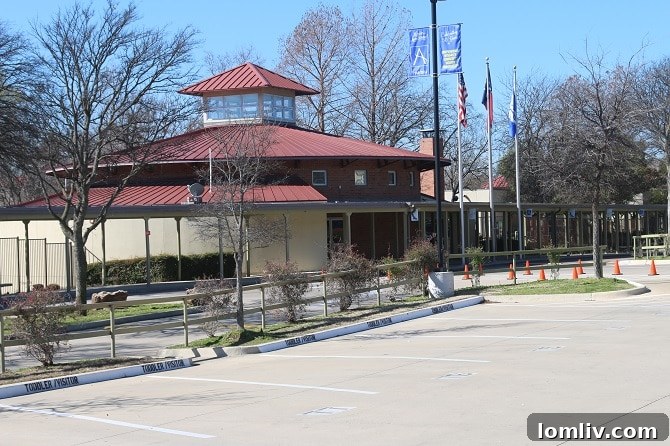
Alcuin School Expansion Approved: A Model for Community-Centric Development on Churchill Way
Are you searching for a home near the vibrant Churchill Way area in Dallas? If so, you’ll be pleased to learn that this highly sought-after neighborhood is poised to become even more secure and desirable, thanks to a landmark agreement between Alcuin School and its local residents. The recent approval of Alcuin’s zoning request by the Dallas City Council marks a significant victory for collaborative urban planning and highlights how proactive community engagement can transform potential conflicts into mutually beneficial partnerships. This article delves into the details of Alcuin’s expansion, the community’s initial concerns, and the innovative solutions that ultimately forged a stronger, safer neighborhood.
A New Era for Alcuin School and the Churchill Way Community
Alcuin School, a distinguished private Montessori institution situated strategically on Churchill Way between Preston Road and Hillcrest Road, has long been a cornerstone of educational excellence in Dallas. For years, the school has provided a nurturing environment for its students, fostering academic growth and personal development. However, as educational demands evolve, so too does the need for institutions to adapt and expand their offerings. Alcuin’s vision included a significant enhancement of its upper-school programs, specifically targeting its renowned International Baccalaureate (IB) program.
The school proposed to increase the maximum number of upper-school students participating in its IB program from 35 to 135. Furthermore, Alcuin planned to introduce grades 10 through 12, creating a comprehensive high school experience over the next few years, following the successful integration of its first freshman class the previous fall. This expansion was not merely about increasing numbers; it was about enriching the academic journey for its students, providing continuity from early childhood through graduation, and solidifying Alcuin’s position as a leading educational institution in the region. Critically, despite these program additions, the total student enrollment on campus would be capped at no more than 700, a thoughtful limit considering the current enrollment stands at approximately 550 students.
Addressing Neighborhood Concerns: From Conflict to Collaboration
While Alcuin’s expansion promised enhanced educational opportunities, it understandably raised concerns among the surrounding neighborhood residents. The primary point of contention revolved around the introduction of a larger high school population, which would, for the first time, mean a significant number of student drivers commuting to and from campus. Residents of areas like Brittany Circle, a quiet cul-de-sac with 16 lots just east of the Alcuin campus, expressed particular worries. Their only access point is Churchill Way, and they feared increased traffic would impede their ingress and egress, potentially delaying emergency vehicles in critical situations. These anxieties were voiced passionately to the Dallas Plan Commission earlier in March, underscoring a historical “rocky relationship” between the school and its neighbors.
The potential for increased traffic congestion, noise, and general disruption compelled Alcuin School to adopt a proactive and extraordinarily comprehensive approach to community engagement. Recognizing the legitimate concerns of its neighbors, the school extended what has been widely lauded as a “massive olive branch,” demonstrating a profound commitment to becoming a truly integrated and considerate member of the community. This commitment transformed a potentially contentious rezoning battle into a blueprint for successful neighborhood collaboration, setting a precedent for how institutions can effectively work alongside their residential counterparts.
Alcuin’s Innovative Mitigation Strategies
Alcuin School’s success lay in its willingness to not just listen but to implement significant, tangible concessions designed to directly address every major neighborhood concern. These strategies went far beyond standard traffic studies, delving into long-term safety and community welfare:
Key Commitments from Alcuin School:
- Strict Limitation on Student Drivers: To mitigate traffic impact directly, the number of student drivers would be strictly limited to a maximum of 70, irrespective of the total high school enrollment. This ensures that the majority of students would continue to rely on other modes of transport, such as carpooling or parental drop-off, significantly reducing the individual vehicle footprint.
- Controlled Campus Access Points: Student drivers would only be granted access to the campus from specific, designated entry points. This strategic routing minimizes traffic disruption on local residential streets, directing student vehicles to arteries better equipped to handle increased flow, thereby enhancing safety for pedestrians and other drivers in sensitive areas like Brittany Circle.
- Firm Enrollment Cap: A total student enrollment cap of 700 across all grades was established. This ensures that even with the expansion of the high school program, the overall density and impact on local infrastructure remain within predetermined, manageable limits, providing long-term assurance to residents.
- Staggered Class Schedules: High school classes would commence and conclude 30 minutes later than those for other grades. This simple yet effective measure creates distinct arrival and departure windows, preventing peak-hour congestion by spreading out traffic flow and reducing bottlenecks during critical times.
- Neighborhood Patrol Funding: In perhaps the most significant concession, Alcuin committed to funding a private neighborhood patrol for a decade, at an estimated cost of $1 million. This direct investment in neighborhood security offers residents an unparalleled level of peace of mind, enhancing safety not just around the school but throughout the broader community, addressing concerns far beyond traffic alone.
Unanimous Approval: A Testament to Effective Engagement
The exhaustive negotiations and the sincerity of Alcuin’s compromises garnered overwhelming support and respect from both the immediate neighbors and the Dallas City Plan Commission. Last month, the Plan Commission voted unanimously to endorse the school’s rezoning request, strongly recommending its approval to the Dallas City Council. This unanimous vote was a clear indication that Alcuin had not only addressed the specific concerns but had successfully built trust and consensus within the community. Jaynie Schultz, the District 11 plan commissioner, eloquently captured the sentiment, expressing her belief that “the zoning change and the way Alcuin handled it will ultimately make our neighborhood stronger and safer together.”
The final decision came this morning as the Dallas City Council officially approved Alcuin’s zoning request. This approval is a textbook example of how to work effectively with a neighborhood – a masterclass in diplomacy, compromise, and long-term commitment. It demonstrates that with genuine effort, even historically challenging relationships can be transformed into robust partnerships. Bruce Wilke, president of the Hillcrest Forest Neighborhood Association, a voice that once reflected the “rocky history,” publicly expressed his satisfaction: “But we think this would benefit both the school and the neighborhood.” His statement underscores the profound shift in community sentiment, moving from apprehension to optimism for a shared future.
Broader Benefits: Beyond the Campus Gates
The ramifications of this landmark agreement extend far beyond the immediate concerns of traffic and security. For Alcuin School, the expansion allows for the natural progression of its students through a comprehensive, world-class International Baccalaureate program, solidifying its academic reputation and offering unparalleled educational continuity. This growth benefits the students directly by providing a seamless, enriched learning environment, preparing them exceptionally well for higher education and global citizenship.
For the residents of Churchill Way and the surrounding areas, the benefits are equally significant. The private neighborhood patrol, a $1 million investment over ten years, provides an enhanced layer of security that complements municipal services, offering residents greater peace of mind. The carefully planned traffic mitigation strategies ensure that local roads remain manageable, preserving the quality of life that attracted many to the area in the first place. Furthermore, the collaborative process itself has fostered a stronger sense of community, proving that open dialogue and mutual respect can lead to positive outcomes even in complex situations. This case serves as an inspiring example for other educational institutions and developers in urban settings, showcasing the immense value of prioritizing community welfare alongside institutional growth.
A Blueprint for Future Development in Dallas
The Alcuin School expansion and its subsequent approval stand as a shining example of how institutions can achieve their growth objectives while simultaneously strengthening their surrounding communities. This success story on Churchill Way illustrates several critical lessons for urban development in Dallas and beyond:
- Proactive Engagement is Key: Initiating dialogue and understanding community concerns early in the planning process is crucial.
- Transparency Builds Trust: Being open about plans and acknowledging potential negative impacts fosters a sense of honesty.
- Meaningful Concessions Matter: Offering tangible, long-term solutions that directly address community worries demonstrates genuine commitment.
- Shared Vision for the Future: Framing development as a mutual benefit rather than a zero-sum game can unite diverse stakeholders.
- Long-term Investment in Community: Financial and operational commitments that extend years into the future provide lasting assurance.
In conclusion, the approval of Alcuin School’s expansion is more than just a zoning decision; it’s a testament to the power of thoughtful planning and empathetic community engagement. The Churchill Way area is indeed set to become stronger and safer, thanks to Alcuin’s exemplary approach to growth. This story will undoubtedly serve as an important reference for future discussions on sustainable development and collaborative partnerships within Dallas’s dynamic urban landscape.