Transforming North Dallas: Proposed Rezoning for Walnut Hill Lane Apartments Signals New Era of Urban Growth
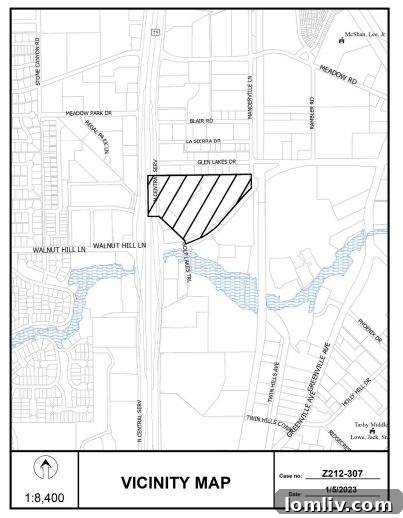
Dallas, a city known for its dynamic growth and evolving urban landscape, is on the cusp of a significant development that could redefine a key corridor in North Dallas. On August 3, the Dallas City Plan Commission will convene to deliberate a critical rezoning case. This proposal aims to pave the way for a substantial apartment complex along the northern stretch of Walnut Hill Lane, specifically between North Central Expressway and Manderville Lane. This area, already recognized for its strategic location and connectivity, stands poised for a transformative shift towards more integrated urban living.
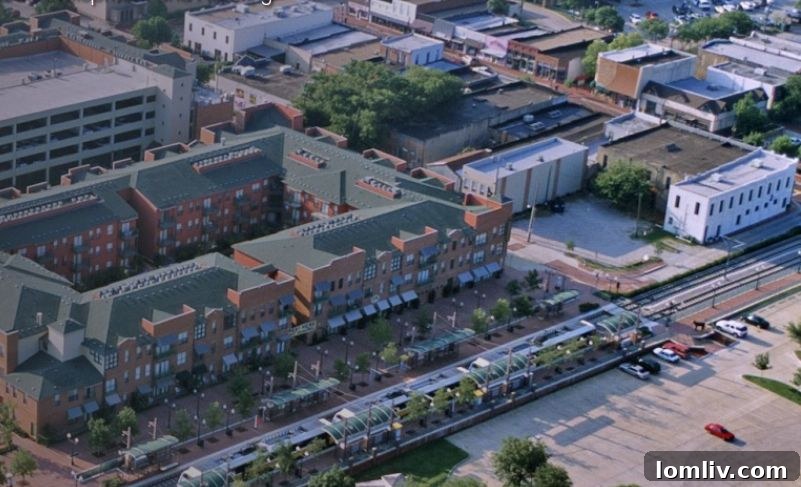
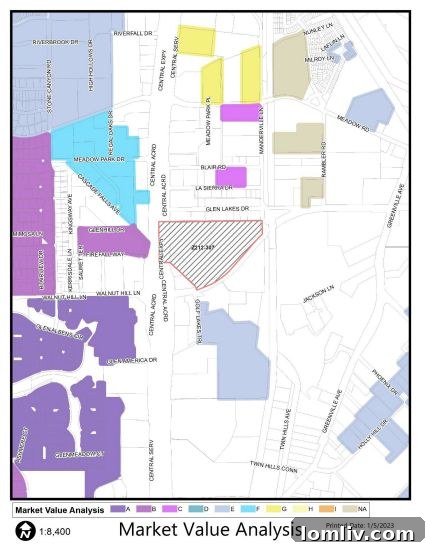
The tract in question, strategically positioned near Dallas Area Rapid Transit’s (DART) Walnut Hill station, currently operates under a diverse zoning framework, including regional retail, mixed-use, and planned development designations. This existing flexibility hints at the area’s potential for multifaceted growth. The staff report on the matter illuminates the current state, noting, “The property is currently developed with a variety of retail, restaurant, personal service, and office uses.” This vibrant commercial ecosystem forms the backdrop against which new residential growth is now being considered, promising a more complete, live-work-play environment.
The push for this rezoning underscores a broader trend in Dallas urban planning: the strategic integration of residential developments with robust public transit infrastructure. This initiative is not merely about adding more housing units; it’s about fostering sustainable urban communities that leverage existing resources and reduce reliance on vehicular traffic.
Paving the Way for Progress: The Rezoning Application and its Vision
The applicant driving this ambitious 19-acre rezoning initiative is identified as “The Hill Owner,” with legal representation provided by Tommy Mann of Winstead, a prominent legal firm known for its expertise in land use and real estate development. The proposed rezoning seeks to consolidate the entire property under a new Planned Development (PD) District, specifically designated for MU-3 Mixed Use. This strategic planning tool offers flexibility, allowing the existing shopping center and commercial establishments to continue operations unhindered, while simultaneously authorizing the development of modern apartments in close proximity.
This approach aligns perfectly with the principles of transit-oriented development (TOD), a concept enthusiastically championed by city leaders as essential for Dallas’s future. TOD initiatives aim to create compact, walkable, mixed-use communities centered around high-quality public transportation systems. The immediate vicinity of the DART station makes this particular site an ideal candidate for such a model. Proponents argue that by integrating residential options with transit, the project will not only provide much-needed housing but also reduce traffic congestion, promote walkability, and enhance the overall sustainability of the area.
The Review Process and Initial Public Response
The Dallas City Plan Commission staff have thoroughly reviewed the proposal and issued a recommendation for approval. This endorsement, however, comes with specific conditions designed to ensure responsible and community-centric development. These conditions include adherence to a conceptual plan, a detailed development plan, a comprehensive tree preservation plan, and a phased pedestrian improvement plan. These stipulations reflect the city’s commitment to balanced growth, prioritizing environmental considerations, aesthetic appeal, and enhanced pedestrian connectivity – all vital components of successful urban planning.
The journey to approval has already seen a notable moment. Originally slated for a July 20 CPC meeting, the case garnered significant public attention, with 18 speakers signing up to express their support for the zoning change. The meeting was subsequently deferred to the following month, a common practice in complex cases that require additional review or public input. This deferral highlights the substantial community interest and the meticulous process involved in shaping Dallas’s urban fabric. It also provides more time for stakeholders to refine their arguments and for commissioners to fully digest the implications of such a significant proposal.
District 13 Housing: Addressing Dallas’s Residential Needs
The proposed development falls within Dallas City Council District 13, represented by Councilwoman Gay Donnell Willis. Councilwoman Willis has been an influential voice in recent housing debates, demonstrating a clear focus on the residential landscape of her district and the wider city. Her advocacy was particularly prominent during the recent short-term rental debate, where she championed the residential STR ban that ultimately passed in June. Beyond regulatory frameworks, Willis has also actively advocated for using grant funds to house the homeless and providing crucial resources to first-time homebuyers, showcasing a holistic approach to housing challenges.
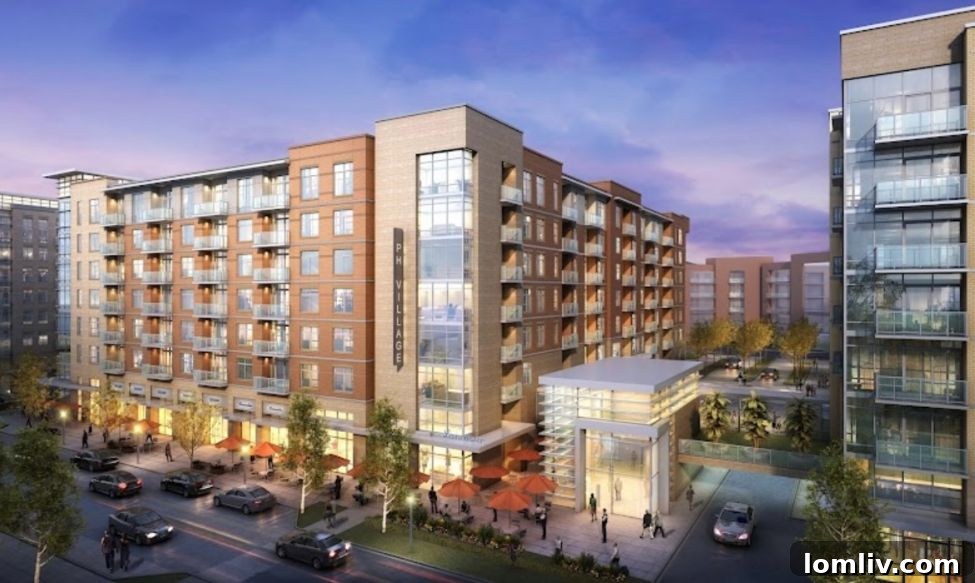
The area surrounding the proposed rezoning site is characterized by upscale residential developments, including the prestigious Glen Lakes and Preston Hollow Village apartments. This existing demographic context adds another layer of complexity to the Walnut Hill proposal. Integrating new multi-family housing, especially with a potential mixed-income component, into such an established area requires careful consideration of community dynamics and resident concerns.
Preston Hollow Village on nearby Firefall Way
Recent city-wide debates have frequently highlighted potential safety and infrastructure issues associated with new apartment complexes. These concerns often become focal points for neighborhood groups and can influence the reception of such proposals. It remains to be seen how the Walnut Hill plan will be perceived by the Dallas City Plan Commission and, subsequently, the Dallas City Council, which is expected to review the matter in late August or early September. The dialogue will likely revolve around the balance between urban growth, housing affordability, and maintaining neighborhood character and safety.
Multi-Family Housing on Walnut Hill Lane: Details and Affordable Housing Incentives
One of the most compelling aspects of the Walnut Hill Lane rezoning proposal lies in its detailed plan for multi-family housing and, crucially, its integrated affordable housing component. According to the comprehensive staff report, the proposed request outlines a significant potential for residential density:
The proposed request would allow the construction of up to 1,200 multifamily units for the entire Planned Development if all units are market rate, or up to 1,740 multifamily units if mixed-income housing is provided.
Under the applicant’s request, development bonuses are available if a minimum of 5 percent of the total number of units are available to households earning between 61 and 80 percent of [Area Median Family Income] and an additional 3 percent of the total number of units are available to households earning between 81 and 100 percent of AMFI.
If the project is developed with the greatest possible number of multifamily units under the applicant’s request, this equates to 87 units at 61-80 percent AMFI and 52 units at 81-100 percent AMFI, for a total of 139 affordable units.
Dallas City Staff Report
This tiered incentive system for mixed-income housing is a cornerstone of Dallas’s strategy to address its growing housing affordability challenges. The Area Median Family Income (AMFI) serves as a benchmark for determining eligibility for affordable housing, ensuring that new developments cater to a diverse range of income levels. By offering development bonuses—such as increased density—the city encourages developers to voluntarily incorporate affordable units into their projects. In the case of Walnut Hill Lane, this could translate to a substantial addition of 139 affordable units, a significant contribution to the city’s housing stock for moderate-income families.
The Broader Impact: Urban Design and Community Benefits
Beyond the numbers, the rezoning proposal emphasizes key urban design standards and community benefits. As the staff report further clarifies, “The applicant requests development rights to allow an increase in dwelling unit density, leveraging their proposal to provide urban design standards and ensure the development has an affordable housing component.” This statement highlights a proactive approach where increased density is not just about maximizing units but is coupled with commitments to superior urban planning, aesthetic quality, and social equity. The integration of pedestrian improvements, tree preservation, and thoughtful site planning aligns with a vision for a more livable and connected North Dallas.
The debate around the Walnut Hill Lane rezoning is more than just a local zoning matter; it represents a microcosm of the larger challenges and opportunities facing Dallas as it continues its rapid urbanization. It forces a critical examination of how the city can grow responsibly, accommodate its expanding population, and provide equitable housing options, all while preserving and enhancing the quality of life for its residents. The decisions made by the Dallas City Plan Commission and the Dallas City Council on this case will undoubtedly set a precedent for future transit-oriented developments and mixed-income housing initiatives across the city, shaping the urban fabric of Dallas for decades to come.