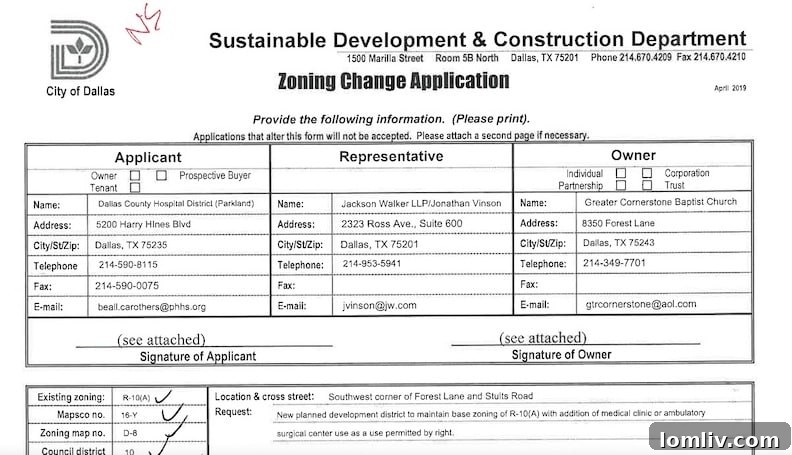
Dallas Plan Commission Denies Controversial Clinic Development on Stults Road Amidst Widespread Community Opposition
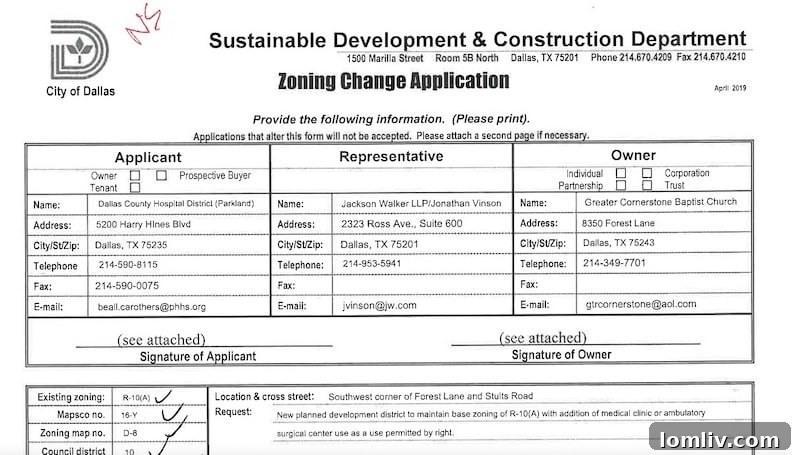
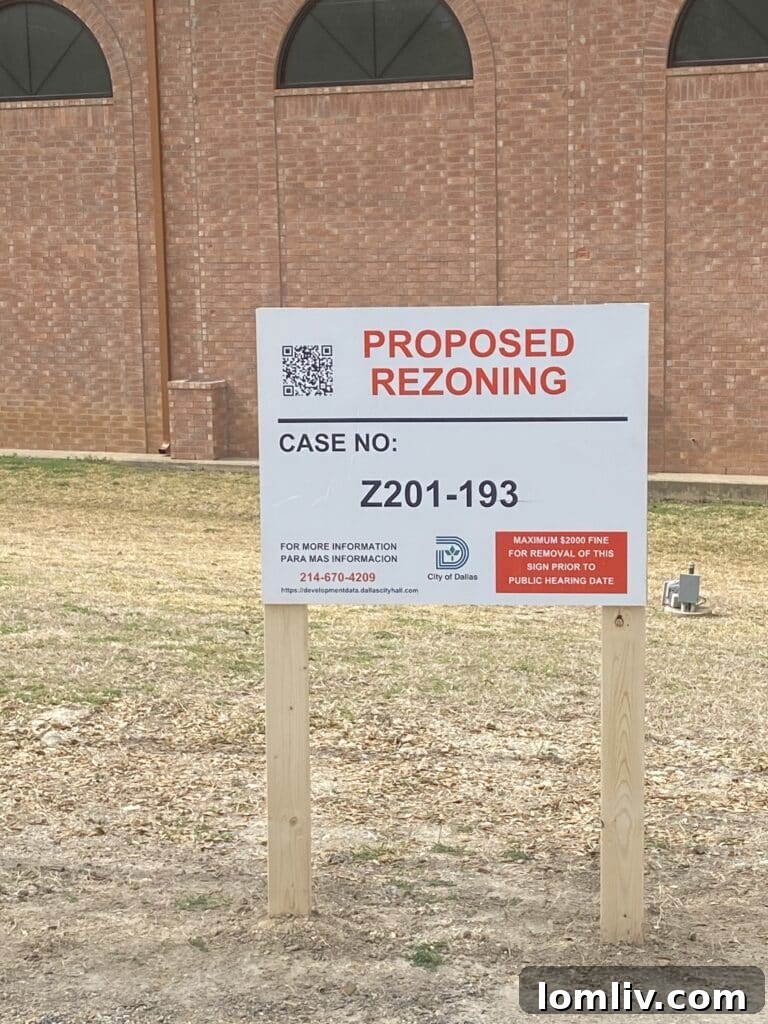
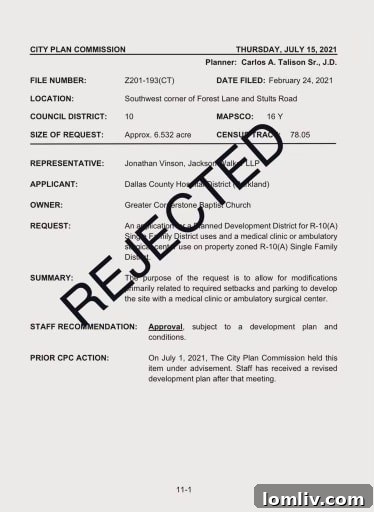
In a significant victory for local residents and a testament to the power of community advocacy, the Dallas Plan Commission has unanimously rejected a highly contentious proposal to construct a 30,000-square-foot clinic. The proposed development, slated for the southwest corner of Stults Road and Forest Lane, faced overwhelming opposition from a coalition of neighboring communities, who cited a litany of concerns ranging from safety hazards in a floodplain to increased traffic congestion and the availability of alternative sites.
The decision by the Dallas Plan Commission underscores a critical moment in urban planning for the city, highlighting the imperative of balancing development initiatives with existing community infrastructure, environmental protections, and the expressed will of the people. This particular proposal garnered robust resistance, bringing together residents from Hamilton Park, Northwood Estates, Northwood Heights, Royal Lane Village, and the Urban Reserve, all united in their stance against the project. Their combined efforts presented a compelling case to the Commission, ultimately leading to the denial of the rezoning request.
A Unified Front: Community Voices Against the Project
The proposed clinic, while potentially offering medical services, was perceived by the adjacent neighborhoods as an ill-conceived development that would introduce more problems than solutions. Residents meticulously outlined their objections, which revolved around several critical issues. These concerns were not merely speculative but were rooted in deep understandings of local conditions, traffic patterns, and community needs. The primary points of contention included:
- Significant Floodplain Risk: The site’s location within a designated floodplain presented serious safety threats to both the facility and the surrounding area.
- Premature Rezoning Request: The application for rezoning was submitted without a comprehensive plan for floodplain mitigation, raising questions about responsible development practices.
- Exacerbated Traffic Congestion: The projected increase in traffic density on Stults Road, a vital artery serving as a gateway to several residential communities, was deemed unacceptable.
- Availability of Existing Facilities: Arguments were made that a vacant medical facility already stands ready at the corner of Greenville Avenue and Stults Road, negating the immediate need for a new construction at the problematic site.
- Redundant Services: The presence of Helping Hands Ministry, which already provides medical services to the same population at Royal Lane and Greenville Avenue, further challenged the necessity of the proposed clinic.
- High-Accident Intersection: Locating a high-traffic facility at the already dangerous intersection of Stults Road and Forest Lane was seen as an irresponsible decision that would increase accident risks.
- Overwhelming Resident Opposition: A strong majority of nearby residents, over 90 percent of those surveyed, explicitly opposed the project, demonstrating a clear community consensus.
Navigating Treacherous Waters: The Floodplain Controversy
At the heart of the opposition was the undeniable fact that the proposed development site sits squarely within a floodplain, posing significant safety and environmental challenges. Zachariah Manning, a prominent real estate investor, County Commissioner candidate, and now U.S. Congressional Candidate for district 30, emerged as a leading voice in organizing and spearheading the community’s resistance. Manning vividly described the physical characteristics of the property, noting, “The property sits below street level, and is narrows closer to Forest Lane.” This topographical disadvantage inherently complicates any development, making it particularly unsuitable for a facility designed to serve a critical public need.

Manning further emphasized the logistical and safety hurdles, stating, “You cannot egress off Forest Lane. It was too many negatives going on for it to work.” The inherent difficulties in safely entering and exiting the site, compounded by its flood-prone nature, presented an insurmountable obstacle for many residents and, ultimately, for the Plan Commission. The community’s concerns were not merely anecdotal; they were substantiated by federal guidelines. Manning specifically highlighted that the Federal Emergency Management Agency (FEMA) strongly advises against constructing critical facilities in floodplains. This recommendation is echoed and legally reinforced by Executive Order 11988, which explicitly requires federal agencies to avoid floodplains when considering critical infrastructure projects.
a)(1) Before taking an action, each agency shall determine whether the proposed action will occur in a floodplain–for major Federal actions significantly affecting the quality of the human environment, the evaluation required below will be included in any statement prepared under Section 102(2) (C) of the National Environmental Policy Act. This Determination shall be made according to a Department of Housing and Urban Development (HUD) floodplain map or a more detailed map of an area, if available. If such maps are not available, the agency shall make a determination of the location of the floodplain based on the best available information. The Water Resources Council shall issue guidance on this information not later than October 1, 1977.
Despite these clear directives and the evident risks, Manning noted that a CPC At-Large commissioner, Brent Rubin, reportedly attempted to downplay the severity of the floodplain issue. However, the explicit requirements of Executive Order 11988, which mandates thorough evaluation and avoidance of floodplains for critical facilities, stood as a formidable legal and safety barrier. The community rightfully argued that placing a medical clinic, a facility crucial for emergency care and public health, in such a vulnerable location was not only irresponsible but potentially dangerous.
The Strain on Infrastructure: Traffic Concerns and Road Safety
Beyond the environmental hazards, the specter of increased traffic density loomed large in the community’s objections. Stults Road functions as a vital gateway, channeling daily commuters and residents into Hamilton Park, Northwood Estates, and other residential enclaves. Introducing a 30,000-square-foot clinic, which would naturally attract a significant volume of daily visitors, patients, and staff, was projected to exacerbate existing traffic woes. Residents expressed grave concerns that this influx would lead to prolonged congestion, increased noise pollution, and a substantial decrease in their quality of life.
Moreover, the intersection of Stults Road and Forest Lane has unfortunately gained a reputation as a high-accident zone. Adding a new development that funnels more vehicles into this already precarious intersection was deemed an unacceptable risk. Manning articulated this concern, stating there was “way too much traffic in a residential zone” for the project to proceed responsibly. The community argued that transforming this residential gateway into a high-traffic commercial node would compromise public safety and disrupt the peaceful character of their neighborhoods. Emergency services might also face delays navigating through heightened congestion, posing further risks to the very patients the clinic intended to serve.
Community Needs Met: Existing Services and Viable Alternatives
A significant plank in the opposition’s platform was the argument that the community’s medical needs were already being adequately met, and viable alternative locations existed for any new facility. Residents pointed to a vacant medical facility conveniently located at the corner of Greenville Avenue and Stults Road. This site, already zoned and equipped for medical use, presented a far more logical and less problematic option, bypassing all the environmental and traffic issues associated with the proposed Stults Road/Forest Lane location.
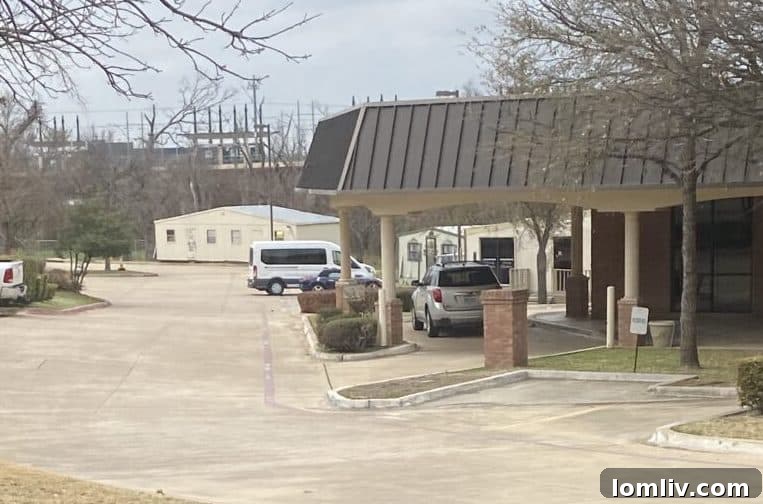
Furthermore, the invaluable work of Helping Hands Ministry, which provides essential medical services at Royal Lane and Greenville Avenue, demonstrated that the population targeted by the new clinic already had access to care. This existing infrastructure questioned the fundamental necessity of building a new, large-scale facility in a location riddled with complications. As Zachariah Manning succinctly put it, “In Dallas there is no dearth of alternative locations.” This highlighted a key argument: the problem was not a lack of suitable sites for a clinic, but rather the developer’s insistence on a site that was fundamentally flawed and detrimental to the community.
Protecting Property Values and Neighborhood Integrity
The financial well-being of residents was another major concern. The proposed clinic, with its associated traffic, safety risks, and environmental liabilities, was widely seen as a threat to property values in the surrounding neighborhoods. “Property values south of Forest tend higher in value, and this project jeopardized those values,” stated Manning, articulating a common fear among homeowners. An increase in commercial traffic, the potential for flooding, and a generally less desirable environment can significantly diminish a property’s appeal and market worth. For many, their home is their most significant investment, and the community felt strongly that this development would directly undermine that investment, eroding neighborhood integrity and long-term stability.
The Democratic Process: A Victory for Local Governance
The Plan Commission’s decision is a resounding affirmation of the democratic process and the power of organized citizen engagement. The overwhelming sentiment against the project was undeniable, with more than 90 percent of 58 nearby residents surveyed expressing their opposition. “The opposition we had from our side was overwhelming. No one from the community was in favor of it,” Manning concluded, summarizing the collective resolve. The Dallas Plan Commission, by denying the proposal, demonstrated its commitment to listening to constituents and prioritizing community well-being over potentially problematic development schemes.
While the Dallas County Commissioners Court, which originally filed the development proposal, has a 10-day window to appeal the decision to the Dallas City Council, the strong and well-articulated opposition sets a formidable precedent. This outcome sends a clear message that thoughtful urban planning must be collaborative, taking into full account the environmental impact, infrastructure strain, and the voices of those who call these neighborhoods home.
Conclusion
The rejection of the 30,000-square-foot clinic development at Stults Road and Forest Lane is a significant moment for Dallas. It represents a successful effort by local residents and leaders to safeguard their communities from a project deemed unsafe, unnecessary, and disruptive. The decision underscores the importance of stringent adherence to environmental regulations, especially concerning floodplains, and the critical need for development to respect existing infrastructure and community character. This outcome reinforces the principle that sustainable urban growth must be symbiotic with the needs and safety of its citizens, setting a powerful example for future planning decisions across the city.
In the Zone is a Daltxrealestate.com series where we take a closer look at zoning applications affecting neighborhoods. Have a story idea? Send us a message at [email protected].