
Navigating the Skies: Addressing Persistent Noise Concerns at Dallas Love Field

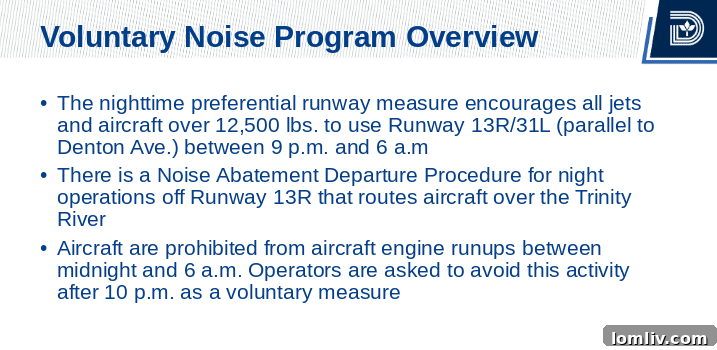
Dallas Love Field, a cornerstone of the city’s aviation landscape and a vital economic engine, finds itself at the center of an increasingly urgent debate regarding aircraft noise. Local officials and community members are grappling with the complex challenge of balancing the airport’s operational needs with the quality of life for residents living under its flight paths. While Dallas City Council members have voiced a strong desire to compel or at least significantly encourage airlines to adhere to the Voluntary Noise Program at Dallas Love Field, they are repeatedly confronted with a fundamental hurdle: federal legislation consistently overrides local control on such matters.
This regulatory landscape means that the local government’s ability to act decisively is severely constrained. For instance, despite the established voluntary program recommending no flights between 11 p.m. and 6 a.m., Southwest Airlines frequently schedules late-night arrivals, sometimes as many as eight after 11 p.m. in a single day. This direct contradiction to the program’s guidelines highlights the program’s inherent limitations when compliance is not mandatory. The council’s hands are similarly tied when it comes to addressing the disproportionate allocation of flights between the Lemmon and Denton runways, a critical point of contention for nearby neighborhoods.
Federal Mandates vs. Local Aspirations: A Regulatory Tug-of-War
The core of the challenge lies in the intricate web of federal regulations governing airspace and airport operations. The Federal Aviation Administration (FAA) holds primary authority over air traffic control, flight paths, and aircraft movements, effectively preempting local ordinances that might seek to impose stricter noise restrictions. This federal preemption means that even well-intentioned local efforts to mitigate airport noise often face legal challenges and are ultimately deemed unenforceable. The Voluntary Noise Program at Dallas Love Field, by its very nature, relies on the goodwill and cooperation of airlines rather than binding mandates, making its effectiveness subject to the carriers’ operational priorities.
Residents have long expressed frustration over the perceived lack of enforcement for the existing voluntary guidelines. When an airline, like Southwest, schedules multiple flights during the designated quiet hours, it underscores the program’s advisory status and the city’s limited power to intervene. This creates a significant gap between community expectations for a peaceful night’s sleep and the reality of airport operations driven by complex scheduling, fleet management, and broader network considerations. Understanding this federal-local dynamic is crucial for appreciating the complexities involved in finding sustainable solutions for Dallas Love Field noise mitigation.
The Human Impact: Sleepless Nights and Disturbed Communities
For thousands of residents living in close proximity to Dallas Love Field, the persistent aircraft noise is more than just an inconvenience; it’s a significant disruption to their daily lives and overall well-being. Neighborhoods such as Shorecrest, Briarwood, Bluffview, Elm Thicket, and even parts of Highland Park bear the brunt of the airport’s activity. Resident Kerri Lacher, speaking for many, highlighted the severe impact, particularly from the “preferred” Lemmon Runway, which handles nearly 65 percent of all departures. “Nobody is really getting a full night’s sleep,” she passionately stated, underscoring the chronic sleep deprivation experienced by many.
The impact extends beyond mere annoyance. Studies have linked chronic exposure to aircraft noise to a range of health issues, including increased stress levels, cardiovascular problems, and impaired cognitive development in children. The constant rumble and roar of departing and arriving aircraft interrupt sleep, hinder outdoor activities, and can even affect property values. Furthermore, residents are looking to the future with apprehension. Lacher warned, “With the growth anticipated and potential drone flights beginning in the next five years, it will continue to become the Wild Wild West overhead if something is not done to mitigate the situation.” This sentiment reflects a deep-seated fear that without proactive measures, the current challenges will only intensify, further eroding the quality of life in these vibrant Dallas communities.
Disproportionate Burden: The Lemmon Runway Controversy
A significant point of contention revolves around the unequal distribution of flights between Love Field’s two primary runways: Lemmon and Denton. While operational considerations such as prevailing winds and air traffic control directives often dictate runway usage, residents argue that the Lemmon Runway, which points directly over densely populated areas, is disproportionately utilized. This imbalance places an unfair burden on the communities situated beneath its flight path, leading to concentrated noise exposure for specific neighborhoods. The perception among many is that the airport’s operational efficiency is prioritized over the equitable distribution of noise impacts.
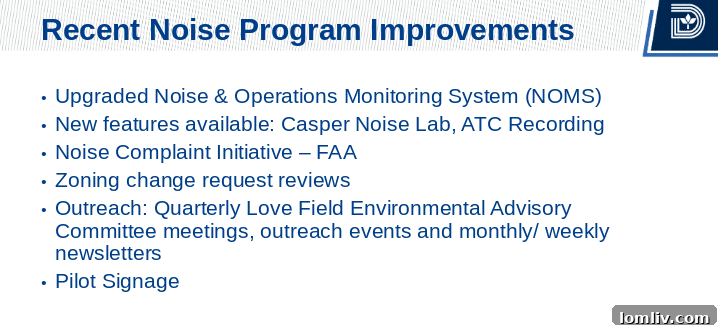
Addressing this imbalance requires a delicate dance between optimizing airport operations for safety and efficiency, and implementing strategies to alleviate the noise burden on affected communities. Options could include exploring preferential runway use policies during certain hours, where feasible, or investigating technological solutions that allow for quieter approach and departure procedures. However, any significant alteration to runway usage patterns typically requires extensive studies and approvals from the FAA, further complicating local efforts to find a quick resolution to this long-standing issue.
Community Takes Action: The Citizens Action Committee and 14 Recommendations
Recognizing the urgency of the situation, the Dallas Love Field airport staff has actively engaged with a Citizens Action Committee (CAC) for over a year, working collaboratively to brainstorm potential solutions. Aviation Director Patrick Carreno announced during a recent council briefing that the airport is currently seeking council feedback on a comprehensive list of 14 noise mitigation measures. These measures are intended to form the basis of a renewed effort to resolve the ongoing noise dispute with the airlines. The extensive list of recommendations underscores the community’s proactive approach and their deep understanding of the problem’s multifaceted nature.
District 2 Councilman Jesse Moreno, whose district encompasses several of the neighborhoods surrounding Love Field, highlighted a crucial aspect of community engagement. He noted that residents on the west side of the city-owned airport have historically been reluctant to participate in these discussions. “We hear them, we see them, and we want to make sure that even though they’re not at the table complaining about the noise, it’s still something they’re having to deal with every single day,” Moreno emphasized. He further expressed strong support for exploring a sound barrier wall on that side of the airport, believing it could significantly help minimize noise for those overlooked communities.
Proposals for Noise Mitigation
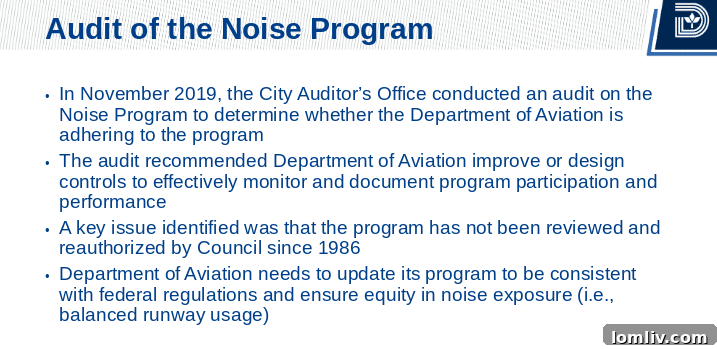
The 14 recommendations developed by the diligent Love Field neighbors were initially presented during an October 11 Environmental Commission presentation and further elaborated in a Citizens Action Committee background document. These proposals represent a thorough effort to address various facets of the noise issue, ranging from operational adjustments to structural interventions and enhanced communication protocols. The CAC’s co-chair, Steve Klein, proactively tackled several “false narratives” in an October 21 email to stakeholders, including the misconception that an updated Voluntary Noise Program would entirely dismantle the existing one, the claim that 100 percent of new noise is solely attributable to Southwest Airlines, and inaccuracies regarding the precise number of daily departures on the Lemmon versus Denton Runways.
Klein articulated the prevailing sentiment within the community, stating, “Sadly, there’s a strong sentiment that the City of Dallas and the Department of Aviation have favored commerce over neighborhoods surrounding Love Field and along the Lemmon and Denton flight paths.” He further added complexity to the situation by mentioning the FAA’s NextGen initiative, which “has created overflights in neighborhoods that rarely saw a plane,” and a city audit that “faulted the existing program for lack of enforcement.” According to Klein, these factors combined create “a perfect storm of anger, mistrust, and cynicism” among the affected residents, highlighting the profound emotional toll and the erosion of trust between the community and aviation authorities.
The comprehensive list of 14 Citizens Action Committee recommendations includes a variety of strategic approaches:
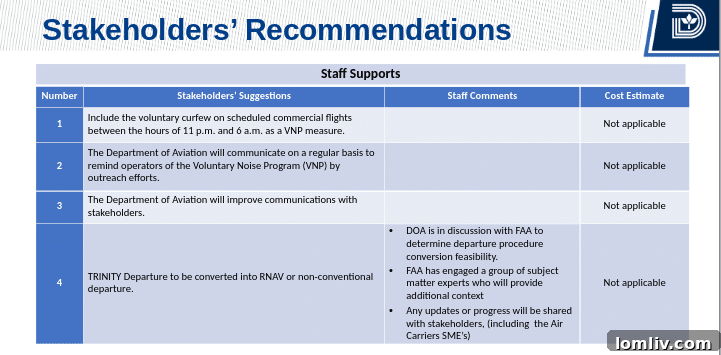
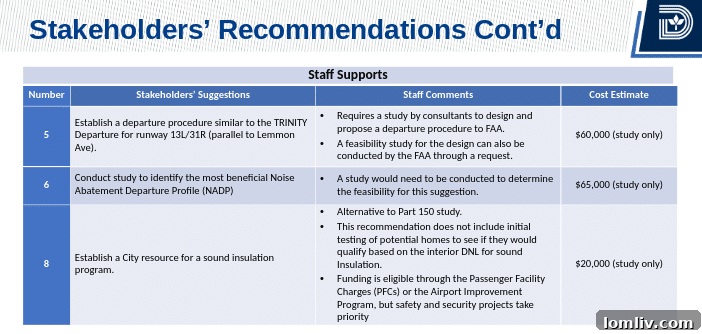
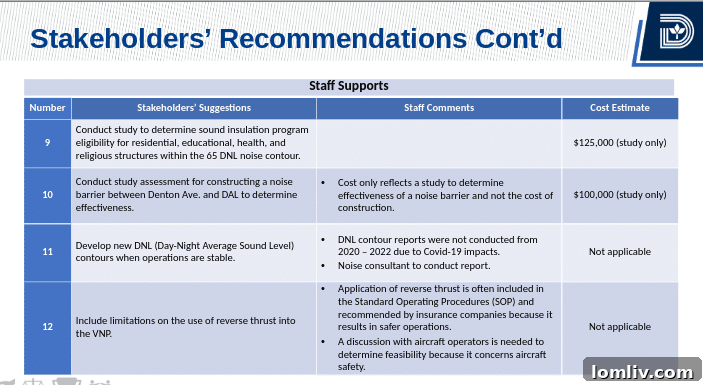
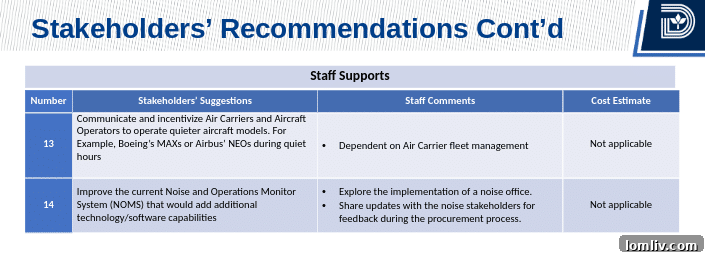
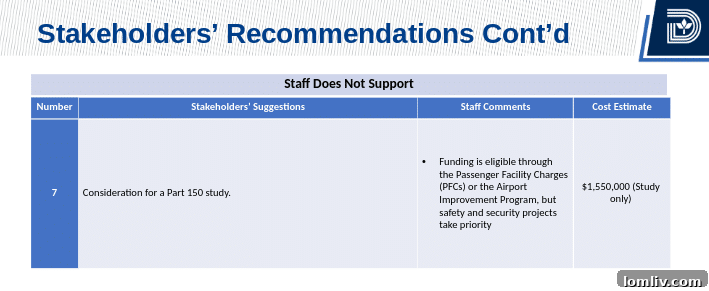
These include implementing quieter takeoff and landing procedures, establishing a voluntary noise curfew that explicitly precludes scheduling passenger airline flights between 11 p.m. and 6 a.m., significantly improving communication channels between the Department of Aviation and airport operators, and fostering better communication between the Department of Aviation and key stakeholders. Additionally, the recommendations propose several technical programs, such as sound insulation initiatives for homes and the strategic deployment of noise barriers in critical areas. Each of these proposals aims to tackle different aspects of the noise problem, from its source in aircraft operations to its impact on residential areas.
The Department of Aviation’s Stance and Challenges
The Department of Aviation (DOA) has shown considerable support for the community’s efforts, backing 13 of the 14 stakeholder recommendations. However, one specific proposal faced opposition from the DOA. This particular recommendation, Carreno explained at the October 11 Environmental Commission meeting, would require direct Federal Aviation Administration (FAA) approval, which is often a lengthy and uncertain process. He suggested that the objectives of this singular recommendation could potentially be better addressed through a combination of some of the other approved measures, indicating a preference for practical solutions that are within the city’s or airport’s immediate sphere of influence.
Further elaborating on the challenges, Carreno explained Wednesday the significant financial and logistical hurdles associated with a Residential Sound Insulation Program, one of the key recommendations. Such a program, designed to upgrade homes with better soundproofing, is estimated to cost approximately $369 million. This translates to an average cost of $64,000 per home and, perhaps more dauntingly, an estimated completion time of about 29 years. These figures underscore the monumental scale of the noise mitigation effort and highlight why finding comprehensive solutions requires not only political will but also substantial, long-term financial commitment and federal partnership.
The Economic Engine: Balancing Growth with Community Well-being
While the focus remains on mitigating noise, it is also important to acknowledge Dallas Love Field’s substantial contribution to the regional economy. The airport is not just a transit hub; it’s a powerful economic engine that generates significant benefits for the City of Dallas and surrounding areas. According to data presented at the recent council briefing, the total economic contribution created by Dallas Love Field is impressive, underscoring the delicate balance that must be struck between operational requirements and community concerns.
The economic impact includes:
- $5.6 billion in economic activity: This figure encompasses a wide array of business transactions, from airline operations and airport concessions to tourism and ancillary services supported by the airport’s presence.
- Labor income of $1.7 billion paid through more than 28,000 local jobs: Love Field supports a vast workforce, providing direct and indirect employment opportunities across various sectors, contributing significantly to household incomes in the Dallas area.
- Total revenues to the City of Dallas from taxes, fees for licenses and permits, and other revenues exceeding $47 million: The airport’s operations translate into substantial revenue for the city government, which helps fund public services and infrastructure projects.
These figures highlight the critical role Love Field plays in Dallas’s prosperity. Any decisions regarding operational changes or noise mitigation must carefully consider these economic realities to ensure that solutions are sustainable and do not inadvertently harm the very economic growth that benefits the city. The challenge is to find innovative ways to allow the airport to thrive while simultaneously reducing its negative externalities on adjacent communities.
Next Steps For Voluntary Noise Program
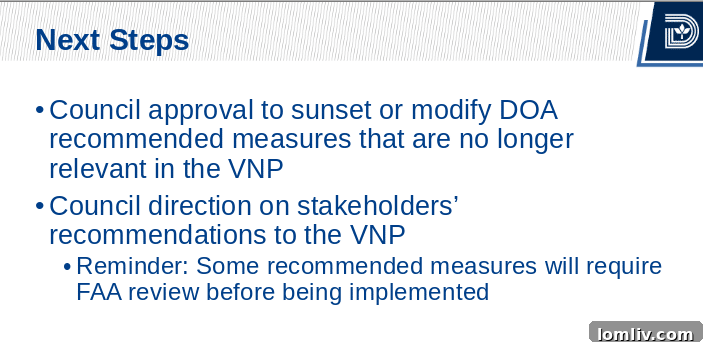
Looking ahead, discussions have previously touched upon the possibility of integrating stronger, more enforceable language about noise restrictions into carrier lease agreements when they come up for renewal in 2028. This presents a potential future avenue for the City of Dallas to exert more influence over airline operations, although it would undoubtedly be a complex negotiation given the federal oversight of aviation.
The council’s agenda posting for the recent Wednesday briefing did not include lease agreements, meaning the panel refrained from delving into that specific matter during the session. It’s also important to note that during these briefings, the council’s role is primarily to provide feedback rather than to cast votes on policy changes. This structure emphasizes the consultative nature of current discussions and the ongoing process of gathering information and community input.
District 14 Councilman Paul Ridley directly inquired about actionable steps to halt flights after 11 p.m., as this specific issue consistently emerges as the most prevalent concern among his constituents. His question underscored the tangible impact of late-night operations on residents’ sleep and quality of life.
Aviation Director Carreno’s response reiterated the fundamental challenge: the “voluntary program is voluntary.” He acknowledged the complexities faced by aircraft carriers, stating, “[Aircraft carriers] have a lot of operations outside of Love that impact the Love operation. We feel like they’ve been committed on the departure side of it. Being a constrained airport, they’re working in a small box. We want to be supportive, but we want to encourage them to follow that program.” This highlights the difficulty in enforcing non-mandatory guidelines, particularly when airlines operate within a broader, interconnected network.
Carreno emphasized that the airport itself needs to enhance its efforts in communicating and educating the airlines about the existence and importance of the Voluntary Noise Program. “I think that’s lacking right now,” he admitted, pointing to a critical area for improvement within the Department of Aviation’s own responsibilities. Better communication could foster greater awareness and potentially encourage more consistent compliance from airline partners.
Conclusion: Towards a Quieter Future for Dallas Love Field
The debate surrounding noise mitigation at Dallas Love Field is a microcosm of the challenges faced by urban airports worldwide. It pits the essential economic benefits of aviation against the legitimate demands of residents for a peaceful environment. The Dallas City Council, the Department of Aviation, and the dedicated Citizens Action Committee are actively seeking common ground, but the inherent limitations imposed by federal aviation law and the voluntary nature of current noise programs complicate a swift resolution. While the airport acknowledges its role as a vital economic contributor, there’s a clear recognition of the need to address the noise burden on its neighbors.
The path forward will likely involve a multi-pronged approach: continued dialogue with airlines to encourage voluntary compliance, sustained advocacy for federal support and flexibility, the potential exploration of stronger contractual language in future lease agreements, and the implementation of practical solutions like sound barriers and improved communication. The estimated long-term and costly nature of comprehensive residential sound insulation programs underscores the need for creative, collaborative, and persistent efforts. As Dallas continues to grow, ensuring that Love Field remains a good neighbor will require an ongoing commitment to innovation, transparency, and a genuine understanding of the human impact of its operations.