Dallas, Texas stands at a pivotal juncture in its urban development, with the future of Interstate 345 – a critical, yet aging, artery – taking center stage. As projected traffic volumes are set to surge to an astonishing 206,000 vehicles per day within the next two decades, the need for a comprehensive and sustainable solution has become paramount. This impending challenge has spurred widespread dialogue among Dallas residents, city officials, and transportation experts, culminating in recent public discussions aimed at exploring various proposed options for the interstate’s future. The decisions made today will undoubtedly shape the fabric of Dallas for generations to come, impacting everything from daily commutes to economic vitality and community cohesion.
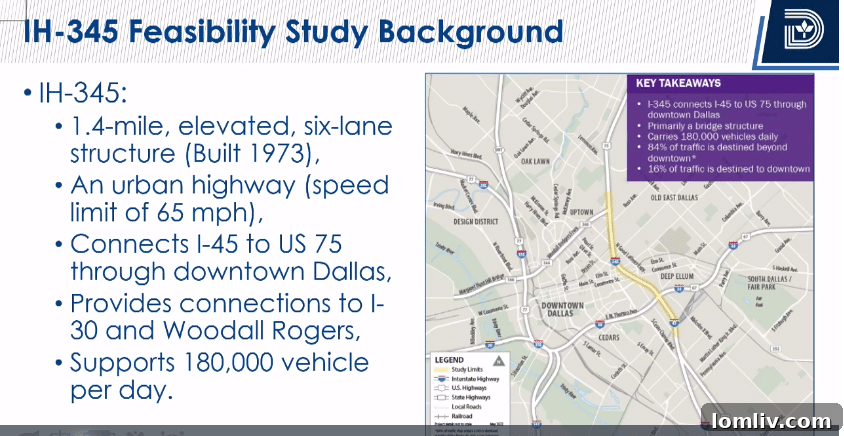
Interstate 345, often referred to as a key connector in the Dallas metropolitan area, is a 1.4-mile elevated, six-lane structure that first opened to traffic in 1973. For nearly half a century, this vital expressway has served as a crucial link, seamlessly connecting North and South Dallas between Interstate 45 and U.S. 75. Beyond its north-south utility, I-345 also provides essential east-west connections between Interstate 30 and the Woodall Rodgers Freeway, effectively channeling approximately 180,000 vehicles daily through the heart of the city. Its strategic placement allows it to facilitate rapid movement of people and goods, making it indispensable for the city’s robust economy and the daily lives of countless commuters. However, its age and design now present significant challenges in the face of modern urban planning principles and burgeoning population growth.
Recognizing the urgent need to address the interstate’s impending capacity issues and its impact on urban development, the Texas Department of Transportation (TxDOT) initiated a comprehensive feasibility study in 2018. This multi-year study was designed to rigorously evaluate and develop a range of alternative options for the future of I-345, considering various engineering, environmental, and socio-economic factors. While TxDOT’s study has progressed, it has not been without its critics. A notable contingent, including a segment of the Dallas City Council and community activists, has vocalized the need for an independent study to be conducted. They argue that a separate, unbiased review of the project is essential to ensure all possible solutions are thoroughly explored and that the city does not hastily “rubber-stamp” TxDOT’s recommendation without a broader perspective.
**Amidst this ongoing debate, a resolution signaling support for TxDOT’s meticulously developed “refined hybrid” option is tentatively scheduled to be presented to the Dallas City Council on May 24. This crucial vote will follow an intensive council briefing slated for the preceding week, where council members will receive detailed information and have the opportunity to ask probing questions about the proposal.**
In a recent public forum, Michael Morris, Director of Transportation for the North Central Texas Council of Governments (NCTCOG), issued a compelling plea to both public officials and Dallas residents. He urged all stakeholders to unite behind TxDOT’s proposed plan, emphasizing the critical need for a cohesive strategy. “I have a special plea… to pull together as a team and find a strategy for TxDOT to buy and sell this right-of-way, not just on I-345 but I-30, because we have surplus property on both, and create a balance between mobility, economic development, and the future of the inner core of the city,” Morris articulated. His vision underscores the potential for strategic land use and property management to drive not only improved transportation but also significant economic revitalization within the city’s urban core.
Morris further highlighted the transformative potential of the I-345 project to foster enhanced connectivity for the city’s ambitious “bookend” improvements. To the west, Dallas is embarking on a major redevelopment of the Kay Bailey Hutchison Convention Center Dallas, a project designed to modernize the facility and integrate it more effectively with the surrounding downtown area. To the east, the historic Fair Park is also undergoing significant revitalization efforts, aiming to create a vibrant cultural and recreational hub. The successful reimagining of I-345 is seen as a crucial link that could physically and metaphorically connect these two vital projects, creating a more integrated and pedestrian-friendly urban landscape across Dallas.
TxDOT’s Refined Hybrid Recommendation: A Detailed Look
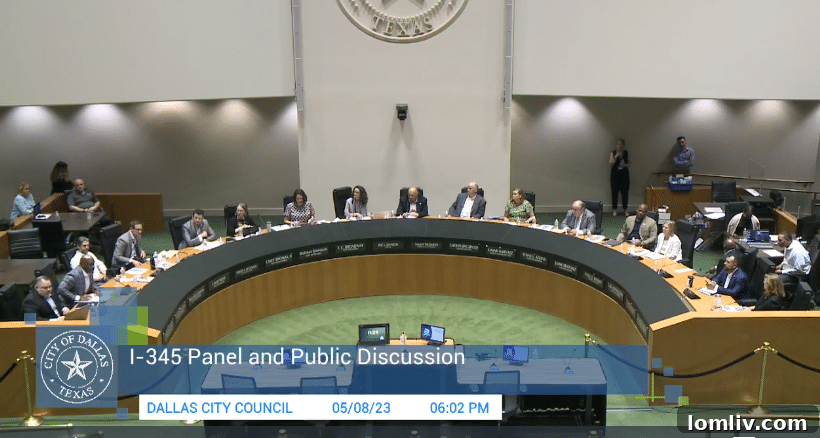
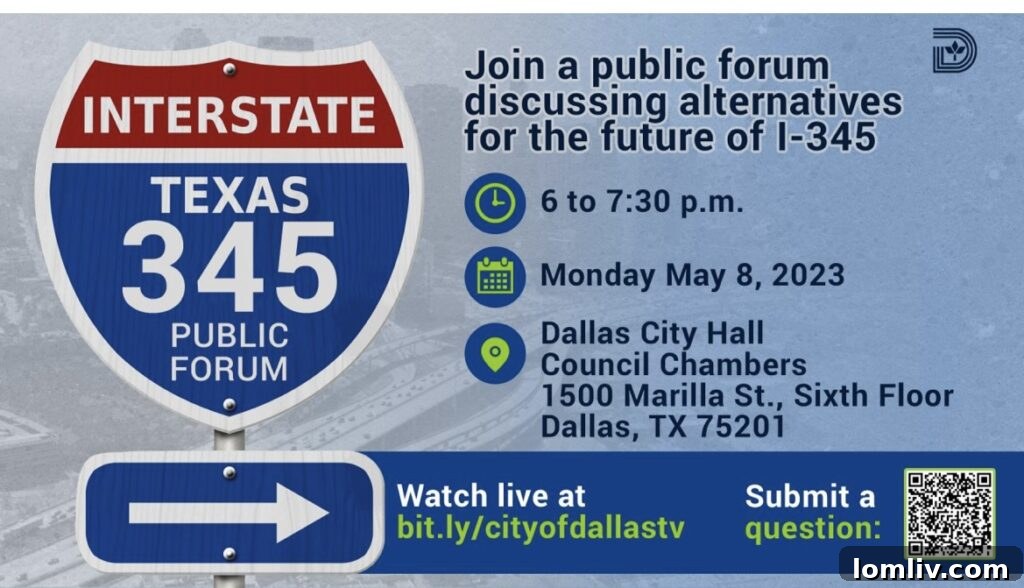
The recent public gathering provided a rare and invaluable opportunity for open dialogue on the I-345 issue. Officials representing the City of Dallas, TxDOT, and Dallas Area Rapid Transit (DART) were present to directly address questions and concerns from the public. This level of accessibility is uncommon for projects of this magnitude, and it drew a significant crowd of approximately 100 people, who either attended in person or followed the meeting online, underscoring the high level of community interest and engagement. For those who wish to delve deeper into the specifics of the discussion, the full 90-minute meeting is available for public viewing online here.
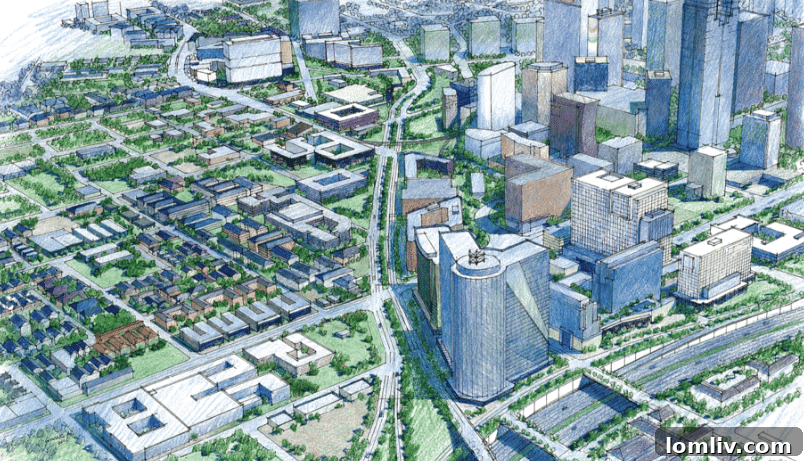
TxDOT’s recommended approach is a sophisticated “refined hybrid” option, a solution that seeks to balance mobility needs with urban revitalization goals. At its core, this proposal involves trenching a significant portion of the highway, effectively lowering it below grade, specifically in the critical stretch between downtown Dallas and the vibrant Deep Ellum district. This strategic trenching would allow for the reconnection of existing surface streets with a series of new overhead bridges, fundamentally altering the urban landscape currently bisected by the elevated highway. This design aims to create new development opportunities, improve pedestrian access, and foster a more integrated city fabric. Once TxDOT secures the essential support from the Dallas City Council, the department will then be able to actively pursue the necessary state and federal funding to bring this ambitious vision to fruition.
Ceason Clemens, an accomplished engineer with TxDOT, provided an insightful overview of the extensive process undertaken by the highway department during its feasibility study. She explained that TxDOT meticulously analyzed four primary options for the future of I-345. These included:
- **Leaving I-345 as-is:** This option, while seemingly the least disruptive initially, was quickly identified as unsustainable given the aging infrastructure and projected traffic increases, which would inevitably lead to increased congestion, safety concerns, and continued urban division.
- **Building it below grade (Depressed Highway/Trenching):** This option involves lowering the highway, similar to portions of the hybrid plan, offering significant benefits in terms of reconnecting communities, reducing noise pollution, and freeing up valuable surface land for development and green spaces. However, it also presents challenges related to cost, construction complexity, and potential drainage issues.
- **Reconstructing an elevated interstate with modified ramps:** This approach would involve demolishing the existing elevated structure and rebuilding a modern, elevated highway. While it would address structural integrity and potentially improve traffic flow with updated ramp designs, it would largely perpetuate the existing urban barrier and limit opportunities for ground-level redevelopment.
- **A boulevard option:** This transformative concept entails the complete removal of the elevated interstate, replacing it with a multi-modal, at-grade urban boulevard. This option promises the greatest potential for urban transformation, fostering walkability, creating new public spaces, and fully integrating previously separated neighborhoods. However, it also raises significant concerns about traffic displacement and redistribution, as well as the immense cost and disruption of such a radical change.
Clemens further elaborated on the foundational principles guiding TxDOT’s decision-making process. She emphasized that the department’s “main goals” throughout the study were centered on four critical pillars: enhancing mobility, improving connectivity, ensuring sustainability, and fostering economic development. “That’s essentially the basis of the feasibility study — how do we find an alternative that really meets all those goals?” Clemens stated, highlighting the comprehensive approach taken to arrive at the refined hybrid recommendation.
Through extensive community surveying and outreach initiatives, TxDOT gathered crucial feedback from residents across Dallas. This invaluable data revealed several common themes and concerns that heavily influenced the development of the proposed solutions. The engineer explained that residents were particularly concerned with issues such as community cohesion, the impacts of current and future designs on access between North and South Dallas, persistent traffic congestion, the untapped economic development potential of the land currently occupied by the interstate, and crucially, improving pedestrian safety within the urban core. The refined hybrid option, according to TxDOT, represents the most balanced approach to addressing these diverse community priorities while achieving the stated mobility and development goals.
Will Dallas Hire an Independent Consultant? Weighing the Options
The considerable investment of $7 million by TxDOT into its feasibility study has been a point of discussion, with some elected officials passionately advocating for an independent review, separate from TxDOT’s findings. This call for an external assessment stems from a desire to ensure complete impartiality and to provide an additional layer of scrutiny to a project that holds immense implications for the city’s future.
On April 10, a significant development occurred when five Dallas City Council members – Chad West, Paul Ridley, Jesse Moreno, Gay Donnell Willis, and Paula Blackmon – formally filed a memo. This memo specifically requested the city manager to hire an independent consultant to undertake a thorough review of the I-345 project. Their collective stance reflects a deep-seated commitment to robust oversight and a desire to explore all avenues before committing to a final plan.
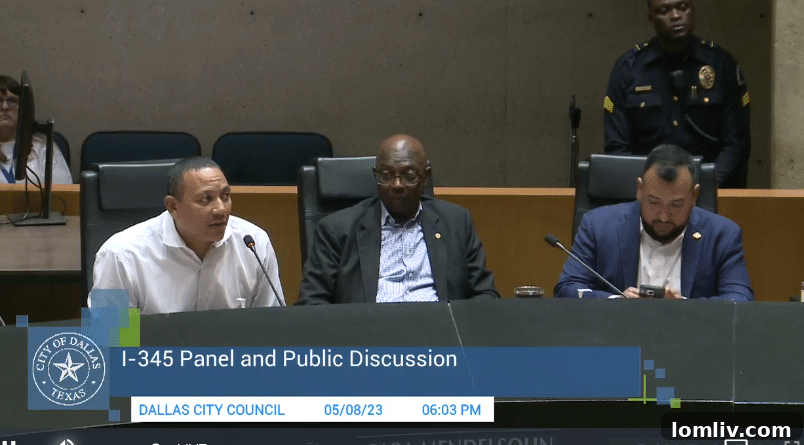
During Monday’s public meeting, the sentiment for an independent review found support among several residents. Mark Ishmael, a resident of the Knox/Henderson area, emerged as a prominent advocate for a more radical approach: the complete removal of the elevated highway. He argued for reconnecting thoroughfares in an environmentally-friendly manner that would prioritize and facilitate efficient public transit and enhanced walkability. His perspective aligns with a growing urban planning philosophy that favors human-centric design over solely vehicular-focused infrastructure.
Conversely, other attendees at the public meeting expressed strong reservations about the proposition of an additional study. Their primary concerns revolved around the potential for significant expense to taxpayers and the inevitable delays that commissioning another consultant would introduce into an already lengthy process. Ed Zahra, a resident of Valencia Street, articulated this viewpoint compellingly, speaking in firm support of TxDOT’s refined hybrid option. “Why do you think it’s necessary to spend more taxpayer dollars and more time to get another consultant to give us more of the same research?” he challenged, encapsulating the frustration felt by those who believe the current study is sufficient and that further delays would only impede progress.
It is important to note the procedural constraints of the recent gathering. The meeting was not officially posted as a Dallas City Council meeting. Consequently, while some council members were present and observed the proceedings, they were legally precluded from engaging in active discussion, in strict adherence to the Texas Open Meetings Act. This regulation ensures transparency and prevents informal decision-making outside of officially scheduled public forums. The public and council members will have their formal opportunities to deliberate on the matter in the coming weeks. Officials have confirmed that the I-345 item will be thoroughly briefed at a May 15 meeting of the council’s Transportation Committee, followed by a presentation and discussion before the full council on May 17, paving the way for the tentative vote on May 24.
The financial implications of any chosen option for I-345 are substantial and complex, as highlighted by Dallas Assistant City Manager Robert Perez. He pointed out that while some proposed options allocate significant construction costs to TxDOT, others involve considerable financial commitments from the City of Dallas. Specifically, if an option is selected that includes the purchasing of surplus right-of-way – land freed up by changes to the highway’s footprint – the city could ultimately face a multimillion-dollar bill. Furthermore, Perez added that certain transformative options might necessitate high-level approvals, not just from state entities but potentially from the Texas governor and even the U.S. Secretary of Transportation, emphasizing the project’s broad reach and impact.
From the city’s perspective, Perez stated, “The refined hybrid, from our perspective, gives a good balance between all the options.” He elaborated on the specific benefits and costs associated with this preferred approach. The refined hybrid option is projected to yield approximately 8.7 acres of surplus right-of-way, land that could be repurposed for various urban uses. Additionally, it offers the potential for nearly 10 acres of deck capping, creating new elevated platforms over the trenched highway, which could be developed into parks, plazas, or even new building sites. For the City of Dallas, the acquisition of this surplus right-of-way is estimated to cost between $76 million to $133 million. The funding required for the deck caps alone is projected to be around $295 million. Perez clarified that these substantial costs would likely be offset and supported by a combination of state and federal dollars, mitigating the direct burden on local taxpayers.
Perez reiterated that the purpose of the convened panel and public discussions was precisely to foster inter-agency understanding and to actively solicit feedback from the public. This collaborative approach is vital for a project of this scale and importance. He further explained that for any of the ambitious redevelopment options, the City of Dallas would be mandated to conduct a comprehensive market study. This crucial study would determine the “best use” of the valuable surplus right-of-way and the newly created deck caps, considering their potential for commercial use, new housing developments, public parks, or other civic amenities. “We would have to identify the funding for that. It could be a combination of future bond funds, public-private partnerships, or available grants,” Perez concluded, outlining the diverse financial mechanisms that would be explored to transform the vision for I-345 into a tangible reality, ultimately contributing to a more connected, sustainable, and economically vibrant Dallas.