Dallas’s Urban Evolution: The Landmark Saltillo Apartments Redevelopment Debate
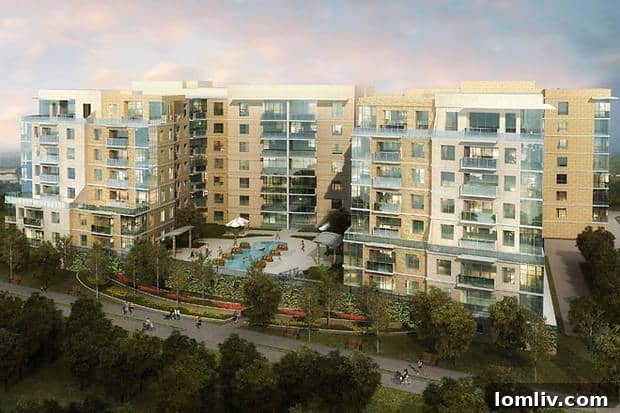
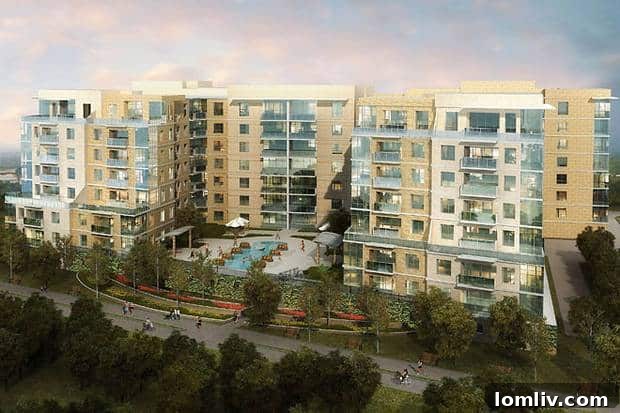
Dallas, a city in constant motion, often finds itself at the crossroads of progress and preservation. Few moments encapsulate this dynamic tension as vividly as the City Council meeting that convened to decide the fate of Provident Realty Advisors’ ambitious $80 million redevelopment of the Saltillo Apartments. Located on Cole Avenue, mere steps from the popular Katy Trail, this project was far more than just a real estate venture; it became a symbol of Dallas’s ongoing urban transformation, sparking a passionate debate that resonated across neighborhoods and political lines.
The atmosphere at City Hall was charged with anticipation. The council chambers, uncharacteristically packed, underscored the widespread interest and the profound implications of the decision. This particular debate represented a rare instance where the powerful influence of neighboring Highland Park faced significant opposition, signaling a potential shift in Dallas’s development paradigm. The mayor’s decision to move the item up on the agenda highlighted its critical importance, setting the stage for a discussion that would define future urban planning principles.
The Quest for a Walkable City: An Enduring Paradox
Amidst the serious discussions on zoning, density, and community impact, a recurring theme emerged: the vision of Dallas as a truly WALKABLE city. This aspiration, championed by urban planners and residents alike, often clashes with the ingrained realities of a car-centric culture. The irony was palpable, as a brief, almost comical, debate about a Beer Barn drive-through preceded the Saltillo discussion. It laid bare a fundamental paradox: how can a city wholeheartedly embrace walkability when convenient drive-through services for basic errands, even for something as simple as picking up a beverage, persist and are even championed?
This fleeting moment served as a microcosm for the larger urban planning challenges Dallas faces. The push for walkability isn’t merely about aesthetics; it’s about fostering community, reducing traffic congestion, promoting healthier lifestyles, and building a more sustainable urban environment. The Saltillo project, by its very nature and location adjacent to the Katy Trail, was presented as a significant step towards this walkable ideal. Yet, the broader infrastructure and cultural habits of Dallas often present formidable obstacles to achieving this vision in its entirety. The debate underscored that becoming a truly walkable city requires a holistic approach, far beyond individual developments, challenging ingrained conveniences and rethinking urban design from the ground up.
The Core of the Conflict: Preservation Versus Progress in Dallas Development
The Saltillo redevelopment quickly became a litmus test for Dallas’s evolving stance on urban development. As Councilman Philip Kingston eloquently summarized at the debate’s conclusion, the fundamental question was not merely about property values or architectural designs, but rather: “Is this REALLY good for the neighborhood?” This query encapsulated the deep-seated concerns of residents and city officials alike, pushing beyond superficial metrics to explore the qualitative impact of large-scale projects.
Councilman Kingston, known for his strong background in neighborhood preservation and representing a district rich in historic districts, approached the Saltillo project with meticulous dedication. He spent over a year engaging with residents, listening to their concerns, and striving to identify solutions that would genuinely benefit the community. His research-backed opinion challenged the common argument that new, denser developments inherently ruin existing property values, suggesting that this frequent point of contention might be misguided in many cases. His stance indicated a turning point, signaling a more nuanced approach to development decisions that prioritizes genuine community welfare alongside economic growth.
This discussion mirrors a broader philosophical question facing any growing metropolis: what should be preserved, and what must evolve? Renowned columnist Rudy Bush captured this sentiment perfectly, stating:
“But the instinct for preservation can become a dangerous one when it comes to growing a city. What do we preserve? What do we need to replace?”
This profound query extends beyond specific buildings to the very fabric of urban life. It forces a critical examination of older structures—whether homes built before 1950 or apartments with lower ceilings—and challenges the notion that everything old must be saved. The debate highlights the difficult balance between honoring a city’s history and adapting to the demands of modern growth, population influx, and economic vitality. The Saltillo project, therefore, wasn’t just about one building; it was about defining Dallas’s identity for the next generation.
The nuances of preservation versus development were further explored in a social media exchange:
The 3:1 proximity slope that is used as the gold standard of city planning in Dallas actually needs to be scrapped. — Rudolph Bush (@DallasPolitics) August 13, 2014
@DallasDirtCandy the question needs to be, is this a quality development that is respectful of its neighbors. — Rudolph Bush (@DallasPolitics) August 13, 2014
These conversations underscored that preservation should not be an automatic, blanket rejection of new development. As Councilman Kingston clarified, simply stating that a project will “destroy a neighborhood’s quality of life” or “overshadow a park” without substantive backing isn’t sufficient. The focus must instead shift to ensuring that new developments are high-quality, thoughtfully designed, and genuinely respectful of their surrounding communities, integrating rather than isolating.
Diverse Voices: Community Concerns and Support for the Saltillo Project
The City Council meeting provided a platform for a myriad of voices, reflecting the diverse perspectives within Dallas. The opposition was vocal, with residents expressing fears that the new development would “destroy the neighborhood’s quality of life” and “overshadow the park.” One woman, living directly across from the Saltillo, articulated her concerns about the project’s visual impact, acknowledging with pragmatism that “if it passes, they will survive.” This realistic outlook, perhaps influenced by the earlier discussion on urban conveniences, added a layer of measured acceptance amidst the apprehension. The emotional testimony of her young daughter, who tearfully addressed the council, underscored the deeply personal impact such decisions have on individual lives. Another citizen offered a more general, yet heartfelt, plea for urban green spaces, reminding everyone that “parks are what people need for solace”—a sentiment that, while true, perhaps missed the specific context that the Saltillo redevelopment did not involve razing a park.
A significant voice of opposition came from the Mayor of Highland Park, a neighboring affluent community, who urged the council to reject the proposal and send it back for further revisions. Their primary concern was that the revised, tiered-down plan still lacked certain elements they had been “led to believe they’d have.” Highland Park’s proactive stance was evident in their decision to hire Michael Jung, a prominent attorney experienced in battling major developments, to advocate for their interests. Their insistence on the 3:1 proximity slope, a planning standard, was a technical argument that masked a deeper, more fundamental apprehension: a pervasive fear of increased density and potential overcrowding that could alter the character of their exclusive enclave.
However, the support for the Saltillo development was equally, if not more, robust. Provident Realty Advisors presented a compelling case, with developer Leon Backes highlighting the project’s strategic advantages. He emphasized its contribution to creating a “WALKABLE community,” aligning with Dallas’s urban aspirations. Backes also pointed to the significant increase in the city’s tax base that the project would generate, its close proximity to the Katy Trail (just 43 feet away), and its appropriate maximum height of 64 feet from the trail, arguing that it seamlessly integrated with the existing landscape of mid-rise apartments and offices in the area. Franck Stitch from the Oak Lawn Committee and numerous homeowners residing within 500 feet of the Saltillo also voiced strong support, underscoring local community endorsement.
Perhaps the most impactful demonstration of support came from the audience itself. A large contingent of over 60 individuals, significantly outnumbering the opposition, attended specifically to advocate for the development. Their presence represented a diverse cross-section of Dallas, including residents from Highland Park, Oak Lawn, and Lakewood, all united in their belief in the project’s benefits. This powerful visual display of community backing undoubtedly swayed opinions, demonstrating a widespread desire for thoughtful urban growth.
The Overlooked Challenge: Affordable Housing in a Growing Metropolis
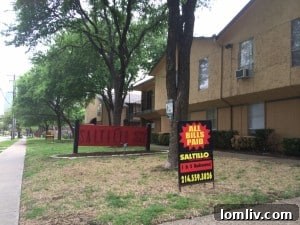
While the debate primarily centered on density, design, and neighborhood impact, a critical issue quietly underscored the proceedings: the looming challenge of affordable housing in Dallas. The current residents of the Saltillo Apartments, a diverse community described as having an “eclectic mix of neighbors” in an older but clean and updated complex, faced displacement. Their homes, likely offering a degree of affordability, were slated to make way for new units projected to command rents as high as $5,000 per month. This staggering figure starkly illustrates the widening gap in housing accessibility within Dallas.
For the 78 residents forced to relocate, the decision presented a daunting prospect in a rapidly gentrifying city. A $5,000 monthly lease payment is a significant financial burden, pushing many out of neighborhoods they have long called home. Indeed, such a sum could almost afford residency in the very exclusive Highland Park. This aspect of the redevelopment highlights a crucial byproduct of urban growth and luxury development: the erosion of housing options for middle and lower-income residents. While the city council’s decision on the Saltillo project may have been justifiable from a broader development perspective, it undeniably exacerbates Dallas’s growing affordable housing crisis. Addressing this disparity will be a paramount challenge for city planners and policymakers in the years to come, ensuring that Dallas’s growth is inclusive and equitable for all its citizens.
Political Maneuvering and a Finesse-Driven Outcome
The final vote on the Saltillo redevelopment reflected the complexity of the issues at hand, with only three council members — Jennifer Gates, Sandy Greyson, and Adam Medrano — casting dissenting votes. Jennifer Gates’ vote, in particular, was seen as a strategic move, likely influenced by her need to maintain strong working relationships with the Park Cities ahead of other contentious development proposals, such as Transwestern’s project behind the Pink Wall and Crosland Co’s Highland House in Preston Center. These upcoming showdowns underscored the delicate political balance required in Dallas’s rapidly developing urban landscape.
Mayor Mike Rawlings, a seasoned political figure, navigated the contentious debate with remarkable finesse. He skillfully acknowledged the concerns of all parties, especially the anxieties expressed by Highland Park, while steering the council towards a decision that balanced growth with community harmony. His concluding remarks were both conciliatory and forward-looking, emphasizing the enduring relationship between Dallas and its neighbors. “They are our neighbors,” he stated, “Neither of us are moving, we will continue to be neighbors and I hope Highland Park knows they will be heard.” This sentiment underscored a commitment to ongoing dialogue and mutual respect, even amidst disagreements.
Councilman Philip Kingston further echoed this sentiment, revealing that a positive outcome of the intense debate was Highland Park’s commitment to developing new water conservation strategies, a tangible benefit stemming from cross-municipal engagement. “Why would I meet with Highland Park?” Kingston pondered, before answering simply, “Because they’re our neighbors.” This emphasis on neighborliness, despite fundamental differences in opinion, ultimately defined the resolution of the Saltillo debate.
In a final, insightful reflection, Mayor Rawlings encapsulated the broader reality of Dallas’s urban trajectory: “There are some great things that come with the growth of Dallas, and sometimes there’s a cost to that.” This statement serves as a powerful reminder that while growth brings progress, economic prosperity, and urban vibrancy, it also entails difficult trade-offs and significant responsibilities, particularly concerning housing equity, neighborhood character, and sustainable development. The Saltillo Apartments redevelopment, therefore, stands as a landmark decision, not just for the immediate area, but as a guiding precedent for Dallas’s continuing evolution as a major metropolitan center.