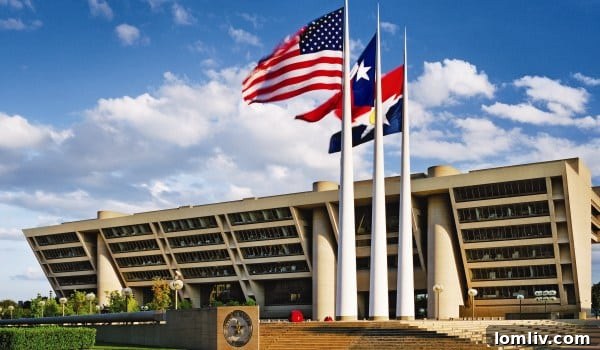
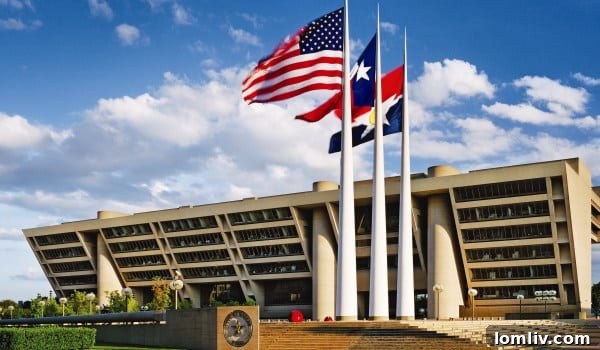
Dallas City Hall is poised for a day of intensive deliberations and crucial decision-making this Wednesday, as the Dallas City Council convenes to tackle a trio of pressing issues that profoundly impact the city’s future and its residents. High on the agenda are discussions surrounding the contentious topic of short-term rentals in Dallas, an ongoing dispute with Dallas Area Rapid Transit (DART) over substantial excess sales tax revenues, and a vital briefing on the city’s Code of Ethics. These subjects underscore critical challenges and opportunities in Dallas urban planning, public finance, and governmental accountability.
The Dallas City Council briefings are scheduled to commence at 9 a.m. on June 7th. Interested citizens and stakeholders can participate and observe these important proceedings in person, located in the sixth-floor council chambers at 1500 Marilla Street. For those unable to attend physically, the entire session will be accessible online, ensuring broad transparency and public engagement in Dallas’s municipal governance. The official agenda can be reviewed via this link, providing a detailed outline of the day’s discussions.
Navigating the Future of Short-Term Rentals in Dallas
The debate surrounding short-term rentals (STRs) in Dallas has been one of the most hotly contested issues in recent memory, pitting property rights against community concerns. This critical discussion was temporarily deferred in April, as council members requested more comprehensive data and a deeper dive into various aspects of STR regulation. Specifically, they sought additional information on viable zoning options, the practicalities of code enforcement, detailed data analytics regarding STR impact, and the nuances of certificates of occupancy as they apply to these properties. The postponement highlighted the complexity of the issue and the council’s commitment to making an informed decision that balances diverse interests.
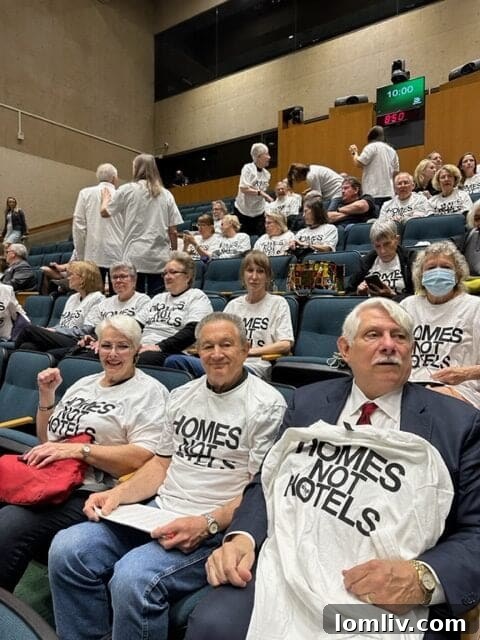
A significant point of inquiry for the Dallas City Council involves the potential implementation of an outright ban on STRs in residential neighborhoods. Council members are keen to understand the practicalities and consequences of such a stringent measure. Key questions include: How quickly could such a ban be implemented? What would be the financial implications and operational costs for the city? Crucially, what would be the impact on responsible residential STR operators who maintain their properties diligently and contribute positively to the local economy without causing disturbances? The council aims to differentiate between problematic operators and those who are good neighbors, seeking a solution that doesn’t unfairly penalize all.
Public sentiment and council discussions suggest a strong consensus on addressing the issue of “bad actors” – those who operate disruptive “party houses” or, more disturbingly, use their rental properties for illicit activities such as sex trafficking and drug deals. There appears to be broad support for measures designed to shut down these problematic operations, safeguarding community safety and quality of life. However, the path to achieving this without infringing on legitimate property uses remains challenging. Some elected officials have expressed openness to nuanced zoning solutions that would empower individual neighborhoods to decide whether they wish to permit STRs within their boundaries. This localized approach seeks to provide flexibility, acknowledging the diverse character of Dallas’s many communities. Yet, numerous questions persist regarding the enforceability of any residential ban, raising concerns about the resources required for monitoring and compliance, and the potential for legal challenges. Crafting a balanced, enforceable, and equitable policy for short-term rentals in Dallas is paramount for the council.
This Wednesday’s detailed presentation on short-term rentals, crucial for informing the council’s decision-making, has been meticulously prepared by a collaborative team of city officials. Leading this effort are Julia Ryan, Director of Planning and Urban Design; Chris Christian, Director of Code Compliance; Brita Andercheck, Director of Data Analytics and Business Intelligence; and Andrew Espinoza, Director of Development Services. Their combined expertise is vital for presenting a comprehensive overview of the data, challenges, and proposed solutions for STR regulation in Dallas, aiming to foster sustainable urban development and community harmony.
Resolving the DART Funds Dispute: A Critical Agreement for Dallas Public Transit
Another significant item on the Dallas City Council’s agenda is the ongoing, complex dispute between the City of Dallas and Dallas Area Rapid Transit (DART) regarding the allocation of excess sales tax revenues. This issue first garnered widespread attention in February when DART officials appeared to backtrack on an agreement to distribute a substantial portion of these surplus funds to its 13 member cities. Dallas, as a key contributor and recipient, was initially anticipating a considerable share of $111 million, a sum critical for various city projects and infrastructure improvements. However, DART leaders subsequently indicated a reduction in this allocation, citing the City of Dallas’s alleged lack of cooperation in issuing permits and providing timely comments on the design for the crucial Silver Line project. Furthermore, DART also disclosed that a portion of the anticipated funds had already been expended on “betterment projects” situated within the Dallas city limits, complicating the financial reconciliation.
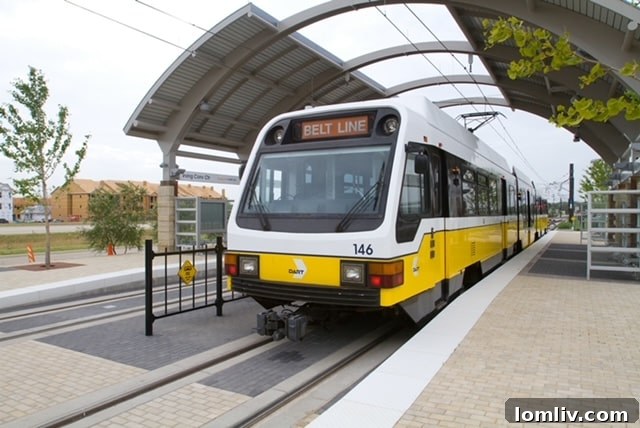
The financial implications for the City of Dallas were substantial, as detailed in a June 2nd memo from Assistant City Manager Robert Perez to the Dallas City Council. Perez highlighted that “In addition to the potential reduction of $36.0M in betterments from $111.1M in excess sales tax revenues, through continued discussions, DART sought to deduct an additional $43.5M in delays associated with Silver Line permit reviews and approvals.” This proposed reduction of $36.0 million for Silver Line betterments and an additional $43.5 million for permit review and approval delays would have culminated in a staggering $79.5 million cut from the original $111.1 million in excess sales revenues. Consequently, this would have left the City of Dallas with approximately $31.6 million, a mere fraction of the expected funds. Such a significant reduction would undoubtedly have severely impacted the city’s capacity to fund vital DART-related infrastructure and public transit initiatives, underscoring the urgency of a resolution.
Fortunately, through diligent and extensive mediation discussions between the two entities, a more favorable resolution appears to have been reached. The City of Dallas and DART have reportedly agreed upon a $90 million allocation for the City of Dallas. This revised sum is earmarked specifically for DART projects within the city, ensuring that crucial public transit and infrastructure developments can proceed. This agreement signifies a vital step towards re-establishing a cooperative working relationship between Dallas and DART, essential for the continued growth and connectivity of the entire Dallas-Fort Worth metropolitan area. Ensuring a stable funding mechanism for public transit is paramount for urban development and improving the quality of life for Dallas residents.
The Wednesday meeting will feature a comprehensive presentation on this critical DART funds matter, prepared by Assistant City Manager Robert Perez. His insights will be instrumental in clarifying the details of the agreement, the financial adjustments, and the path forward for collaborative projects, ensuring transparency and accountability in the use of public funds for Dallas’s public transit system.
Strengthening Public Trust: Dallas City’s Code of Ethics and Inspector General’s Office
Maintaining public trust and ensuring transparent governance are foundational pillars for any thriving city, and Dallas is no exception. This Wednesday, the Dallas City Council will receive a crucial briefing on the city’s Code of Ethics, a discussion that will also shine a spotlight on the Inspector General’s (IG) office. The concept of a dedicated Inspector General office for Dallas first emerged prominently during last summer’s budget hearings, as the city sought to enhance its mechanisms for oversight and accountability within municipal operations. This initiative reflects a broader commitment to ethical conduct and responsible public service among Dallas officials.
The relevance and necessity of the IG’s office resurfaced as a significant talking point on the campaign trail leading up to the May 6th City Council elections. Candidates and concerned citizens alike frequently posed questions about the precise mandate of the IG’s office, its operational scope, and, most importantly, the effectiveness of its investigations in holding elected officials and city employees accountable for their actions. These inquiries underscore a public desire for robust internal controls and a clear commitment to integrity within Dallas’s municipal government. The briefing aims to provide clarity on these points, reinforcing the IG’s role in upholding the highest standards of ethical conduct.
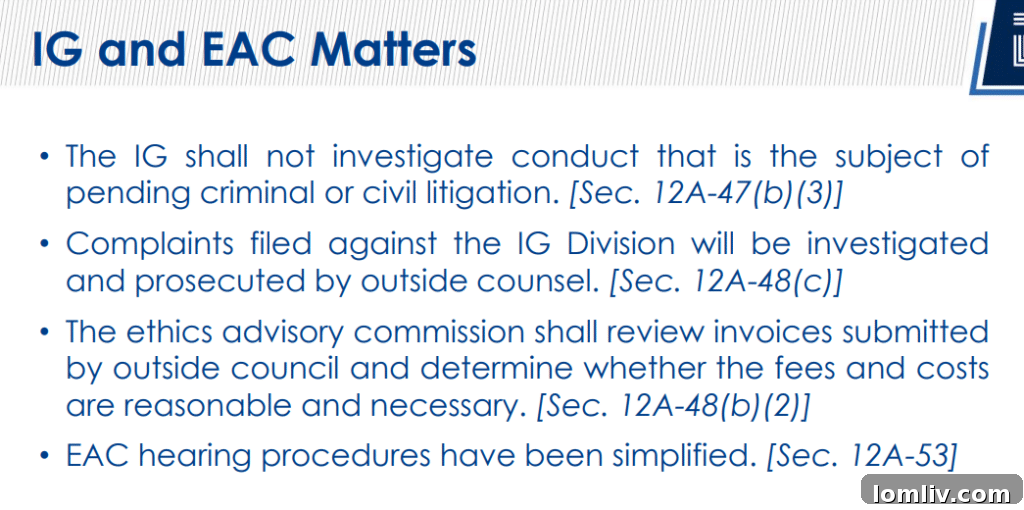
Beyond the discussions surrounding the Inspector General’s office, Wednesday’s ethics briefing will also delve into other critical areas of ethical governance. It will provide a comprehensive overview of conflicts of interest – a perennial concern in public service – and the stringent requirements for the disclosure of confidential information. This latter topic has gained particular salience recently, following a notable incident where Dallas City Council members were explicitly instructed by the city’s communications office to remain silent on a ransomware attack affecting city systems. Such events underscore the delicate balance between transparency and the need to protect sensitive operational details, highlighting the importance of clear guidelines for managing confidential information and preventing its misuse or premature release. The briefing will equip council members with the knowledge to navigate these complex ethical landscapes.
This essential presentation on the Code of Ethics for the Dallas City Council has been expertly prepared by Laura Morrison from the Dallas City Attorney’s Office. Her insights will be invaluable in guiding the council through the intricacies of ethical conduct, legal obligations, and the mechanisms in place to ensure accountability and maintain public trust within the city government. The emphasis on a strong ethical framework is crucial for fostering a responsible and effective municipal administration for all Dallas residents.