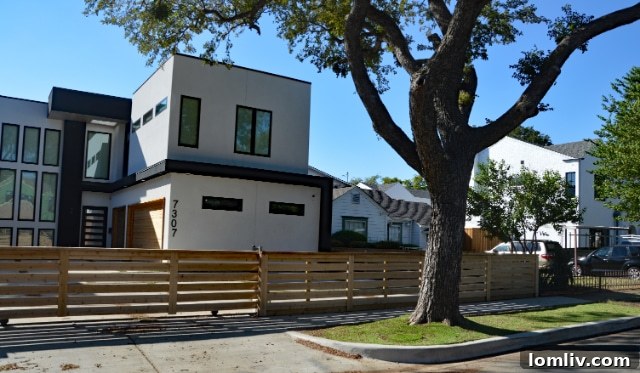
In a pivotal decision for one of Dallas’s most historically significant communities, the Dallas City Council recently cast a unanimous vote to significantly alter development standards for new home construction in the Elm Thicket/Northpark neighborhood. Following a marathon three-hour public hearing, the outcome was met with mixed emotions, with some stakeholders unsure if they had truly “won.” However, for the legacy residents who have called this area home for generations, the council’s approval represented a crucial “nod of respect” – a recognition of their deep-rooted ties to the community and their fervent desire to preserve its unique character amidst rapid urban transformation.
The approved changes, which had previously received the green light from the City Plan Commission in July, sparked intense debate. Opponents vociferously criticized the initiative, labeling it a massive “downzoning” effort that they argued would unfairly strip them of fundamental property rights. This perspective highlighted the inherent tension between individual property ownership and collective community preservation, a dilemma often at the heart of urban planning discussions in rapidly developing cities like Dallas. Understanding “downzoning” is key here: it refers to the process of changing a property’s zoning classification to permit less intensive development than previously allowed, often leading to smaller structures or fewer units, which can impact potential property value.
A central component of the council’s amendment to the City Plan Commission’s proposal involved establishing a maximum lot coverage of 40 percent for both single-story and two-story structures. This figure marked a significant compromise, as the neighborhood steering committee, advocating for more stringent regulations to maintain residential density and open space, had initially pushed for a 35 percent maximum. Jennifer Brower, who along with her husband Doug has owned property in Elm Thicket/Northpark for two decades, expressed her satisfaction with the 40 percent consensus. For long-term residents like the Browers, this adjustment was seen as a pragmatic victory, balancing the desire for preservation with the realities of development. “We’re not fighting the rest of it,” she stated, emphasizing their primary concern: “We’re just asking for lot coverage.” This specific regulation is vital for managing the scale of new homes, preventing oversized structures from dominating lots and altering the neighborhood’s aesthetic and environmental footprint.
Beyond lot coverage, the initiative delineates a series of precise architectural and structural criteria for new development within the designated “authorized hearing area.” This critical zone is geographically defined by Lovers Lane to the north, Inwood Road to the east, Mockingbird Lane to the south, and Lemmon Avenue and Bluffview Boulevard to the west. These meticulously crafted guidelines are designed to ensure that future construction respects and integrates with the existing architectural fabric and overall character of Elm Thicket/Northpark, rather than clashing with it. The goal is to foster harmonious growth that reflects the neighborhood’s unique heritage while accommodating necessary modernization.
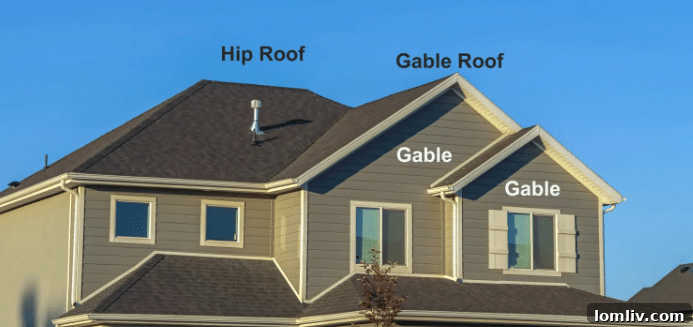
- **Architectural Harmony:** New main structures must feature hip and gable roofs for at least ninety percent of their roof area, particularly when the roofline is greater than 20 feet from grade. This design standard promotes a traditional aesthetic, preventing contemporary or flat-roofed designs that could disrupt the neighborhood’s established visual identity. It’s a deliberate effort to maintain the classic residential charm.
- **Height Limitations:** A strict maximum structure height of 25 feet is imposed, with no portion of any new building permitted to exceed 30 feet from grade. These limits are crucial for managing the scale and massing of new homes, preventing towering structures that could overshadow existing, often smaller, legacy residences and impact natural light for neighboring properties. This preserves the open, low-density feel that many residents cherish.
- **Strategic Duplex Integration:** Duplex uses will be selectively permitted, specifically along Mabel Avenue and Roper Street. This targeted allowance for multi-family dwellings in designated areas offers a measured approach to introducing slightly greater housing density, potentially providing more diverse and affordable housing options without compromising the single-family character of the wider neighborhood. It represents a nuanced strategy for gentle density.
Addressing Displacement Amidst Development: A Persistent Challenge
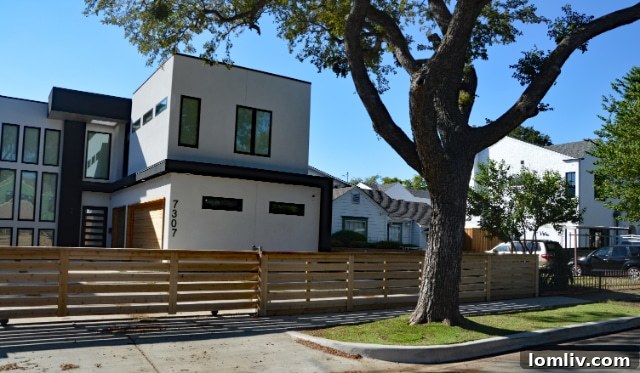
The impetus behind these comprehensive development changes is clear: to curtail the proliferation of massive, often out-of-scale luxury mansions that have begun to redefine the residential landscape of Elm Thicket/Northpark. A prime example cited during the discussions was the opulent $3.96 million Tron House on Wateka Drive, a symbol of the type of development that many residents believe is eroding the community’s unique identity and driving up property values to unsustainable levels for long-term residents. These grand constructions often replace smaller, more affordable legacy homes, leading to a significant shift in neighborhood demographics and economic accessibility.
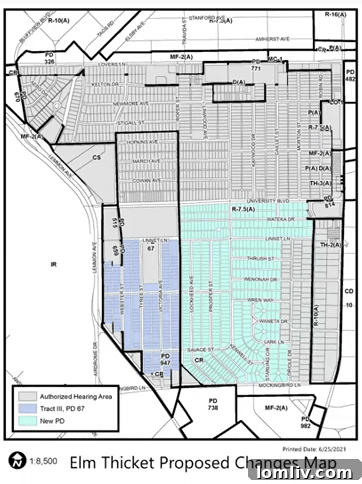
Despite the council’s decisive vote, many members acknowledged that these zoning adjustments, while necessary, are not a panacea for the deeper, systemic issue of resident displacement. Several council members expressed regret that such zoning changes weren’t implemented a decade ago, recognizing that Wednesday’s vote, while a step forward, would not resolve the plight of residents increasingly unable to afford their property taxes due to escalating property values. The burgeoning Dallas real estate market, fueled by demand and limited supply, has made it incredibly difficult for long-time residents, especially those on fixed incomes, to remain in their homes, even if those homes are technically “paid off.”
“This is not going to stop displacement,” emphasized District 1 Dallas City Councilman Chad West. His remarks underscored a broader urban planning debate. “If we care about displacement, if we care about keeping our working class in the city, we’ve got to consider a little bit more density in gentle ways. This 1980s suburban mentality does not work.” West’s comments highlight the need for forward-thinking housing strategies that move beyond exclusionary zoning practices, advocating for solutions that embrace diverse housing types and densities to truly address affordability and prevent communities from being priced out of their own neighborhoods. He suggests that while preserving character is important, it shouldn’t inadvertently contribute to housing scarcity and displacement.
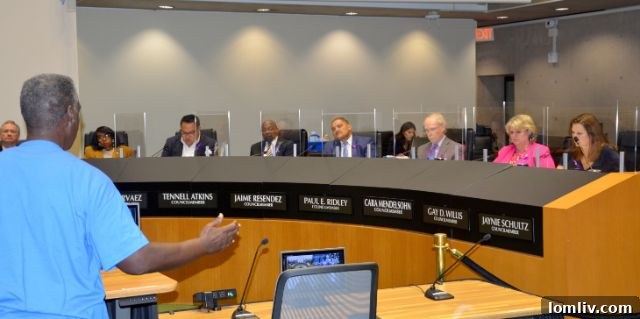
The council’s decision came after a lengthy public hearing where over 60 individuals presented their testimonies, vividly illustrating the profound divisions within the community. Some residents voiced urgent concerns about gentrification and the looming threat of displacement, sharing personal stories of financial strain and uncertainty. In stark contrast, others vehemently opposed the proposed changes, pleading for a delay in the vote to allow for further negotiation and a potential compromise with their neighbors. Resident Julie Coffman articulated the fears of many property owners: “Now you’re going to tell me what I can do with the single biggest investment I’ve ever made in my life,” she lamented. “I have a chance of losing 25 percent of [my home] value. That’s huge for my future and my family’s future.” This sentiment underscores the very real financial implications and emotional distress that zoning changes can inflict on individual homeowners, creating a difficult balancing act for city planners.
In response to concerns about property rights, city officials worked to clarify the scope of the council’s actions. Assistant Director of Planning and Urban Design Andrea Gilles explained that the situation was “just a zoning case” – a regulatory process where the city council exercises its authority to designate appropriate zoning and development standards. She firmly stated, “This is not taking away property rights.” While zoning adjustments can certainly influence property use and perceived market value, they are distinct from eminent domain or direct seizure of property. The city’s role is to manage land use for the collective good, which sometimes involves setting new parameters for development.
A Step in the Right Direction for Community Preservation
District 2 Councilman Jesse Moreno passionately highlighted the intrinsic value of Elm Thicket/Northpark, describing it as a vital part of Dallas’s rich cultural history. He noted that the neighborhood is one of 12 designated Neighborhood Plus focus areas, where residents had collaboratively finalized a strategic neighborhood action plan as far back as 2017. These initiatives aim to empower communities to shape their own futures and address critical challenges proactively.
Moreno drew a poignant parallel between the current situation and past events, recalling the displacement that occurred when the Love Field Airport was expanded, forcing residents out of their homes through eminent domain. “Legacy residents are being pushed out and there is destabilization of the area,” he observed, underscoring a recurring pattern of vulnerable communities bearing the brunt of urban development. He acknowledged that while the zoning change is not a “save-all, fix-all solution” to these complex issues, it undeniably represents “a step in the right direction.” The new standard changes, he added, “will allow for homes to be built. This will not stop development. This is a compromise. This softens the transition from legacy homes to newer development. It is a chance to build out the neighborhood in an equitable manner for all residents.” Moreno’s perspective emphasizes the nuanced goal of the zoning changes: to manage growth and ensure compatibility, fostering a more equitable development path.
Mark Rieves, a steering committee member and former City Plan Commission member, offered a more tempered assessment, describing the measure as merely a “tip of the cap” to the legacy residents of Elm Thicket. He candidly pointed out the limitations of the proposed zoning, stating, “This proposed zoning does not stop generational wealth if someone chooses to sell or is forced to sell because they can’t afford the taxes.” Rieves also clarified, “It does not stop developers from purchasing and bulldozing legacy homes to build new, large homes for a very nice profit. This proposed zoning does not help Dallas’s affordable housing problem. In this neighborhood, that horse has left the barn.” His pragmatic view underscores that while architectural standards can influence aesthetics, they often fall short of addressing fundamental economic forces driving gentrification and the affordable housing crisis. Developers, he suggested, will simply adapt their strategies.
Rieves further elaborated that even with regulations mandating slightly smaller homes, prices are unlikely to decrease. Instead, builders will likely compensate by installing more high-end amenities and capitalizing on the neighborhood’s highly desirable location near the Dallas Love Field Airport. This proximity to a major transportation hub and central Dallas makes the area inherently valuable, ensuring that demand for new, upscale housing remains robust regardless of minor size adjustments. Ultimately, for Rieves, the true significance of the zoning changes lies in their symbolic value. “What this does do is it provides a nod of respect to the existing legacy residents who have called Elm Thicket home for half a century,” he concluded. “That’s what this zoning is about, and folks, this is a compromise.” It’s about acknowledging their enduring presence and their contributions to the city’s heritage.
Unveiling the Rich History of Elm Thicket/Northpark
The Dallas City Council’s commitment to addressing housing equity in historically underserved neighborhoods was further solidified with the adoption of a Racial Equity Plan in August. This plan provides a vital framework for understanding and tackling the systemic challenges faced by communities like Elm Thicket/Northpark. Indeed, the Elm Thicket/Northpark neighborhood stands as one of several historic freedmen communities within Dallas – areas established by formerly enslaved people after the Civil War. These communities are deeply significant, representing enduring legacies of resilience, self-determination, and cultural heritage. According to the staff case report, just two decades ago, the area was approximately 90 percent Black, a testament to its profound historical roots as an African American enclave.
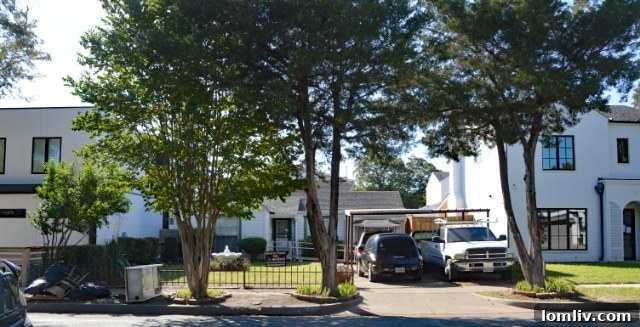
However, the report also meticulously documents the dramatic demographic and developmental shifts experienced by the neighborhood. As the area has become increasingly diverse, it has simultaneously faced “dramatic changes in historic character and is facing intense displacement pressure.” This dual process highlights the challenges of urban growth – while diversity can be enriching, it often comes hand-in-hand with economic pressures that threaten the original cultural fabric of long-standing communities. The median real estate taxes within Elm Thicket/Northpark, for instance, surged by at least 33 percent between 2005 and 2019, and this upward trend continues unabated. Further exacerbating the issue, median home prices have startlingly doubled in the last 12 years in at least two block groups within the authorized hearing area. Such rapid appreciation makes homeownership and even property retention increasingly untenable for many existing residents, particularly those without substantial generational wealth.
The report underscores that “new home construction has increased significantly, most of which has included tearing down original structures.” This trend of replacing older, more modest homes with larger, more expensive residences directly contributes to the erosion of the neighborhood’s historical character and its affordability. The underlying intent of the newly proposed land uses and development standards is explicitly articulated: “to meet the goals of the Neighborhood Action Plan and facilitate greater compatibility, particularly in scale, between traditional and new development.” By enacting these regulations, the Dallas City Council aims to guide future development in a manner that respects Elm Thicket/Northpark’s rich history, mitigates the pressures of displacement, and fosters a more balanced and equitable environment for all who call this vibrant community home, ensuring that its legacy is preserved for generations to come.