Dallas City Council Nears Final Budget Approval with Key Amendments and Property Tax Cut
In a significant move reflecting a deep commitment to fiscal responsibility and enhanced civic services, Dallas City Council members recently concluded an intensive review process for City Manager T.C. Broadnax’s proposed $4.63 billion budget. The extensive deliberations saw the submission of 63 amendments, all geared towards refining city operations, bolstering efficiency, and delivering a welcome reduction in the property tax rate for Dallas residents and businesses. With the final budget and tax rate adoption slated for September 20th, the city is on the cusp of finalizing a financial framework designed to guide its growth and operational excellence for the upcoming fiscal year.
The proposed budget represents a monumental financial plan that dictates how Dallas will invest in its future, maintain critical infrastructure, and provide essential services ranging from public safety and sanitation to parks and cultural programs. The meticulous scrutiny by the City Council underscores the democratic process at play, ensuring that the budget truly reflects the diverse needs and priorities of the Dallas community. This iterative process allows for a comprehensive assessment of spending proposals, revenue projections, and strategic allocations, ultimately aiming to optimize every dollar spent for the maximum public benefit.
The pursuit of a reduced property tax rate has been a central theme throughout the budget discussions. Understanding the burden that property taxes can place on homeowners and businesses, the council members have worked tirelessly to identify areas where efficiencies can be gained or expenses trimmed without compromising the quality or availability of vital city services. This delicate balancing act requires careful consideration of long-term financial health alongside immediate fiscal relief for taxpayers, showcasing the council’s dedication to creating a sustainable and equitable financial environment for all Dallas stakeholders.
Intense Deliberations Shape Dallas’ Fiscal Future
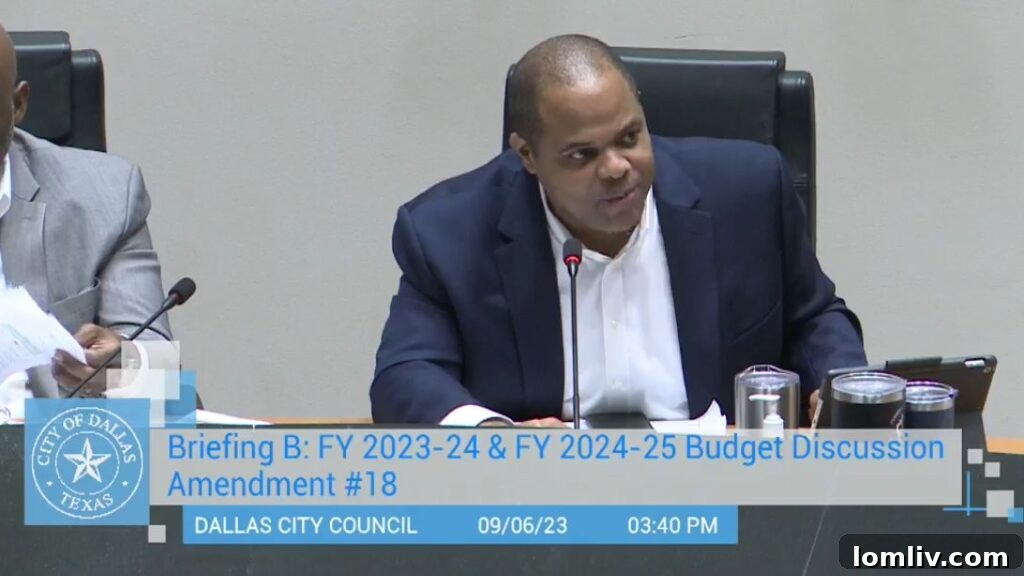
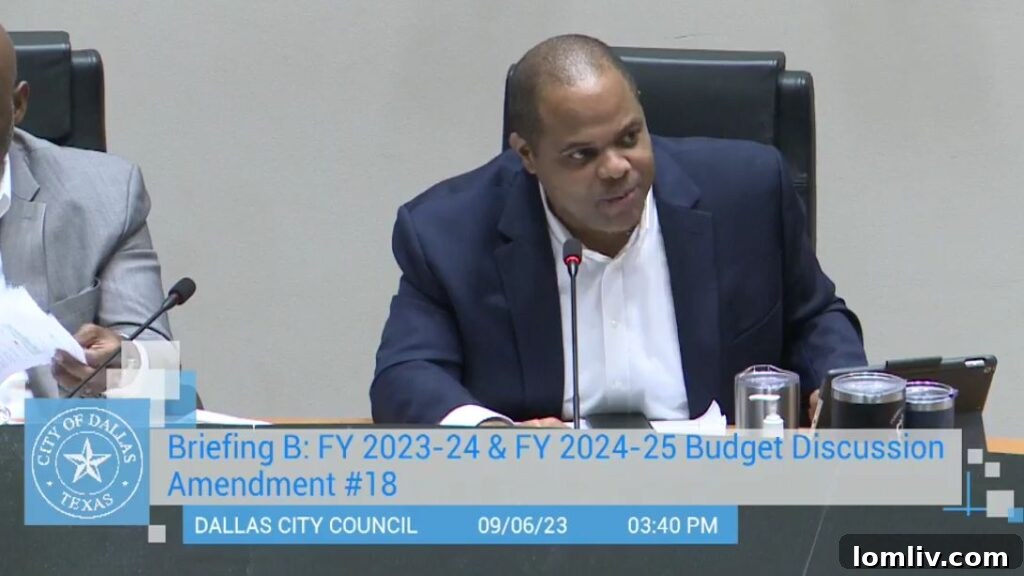
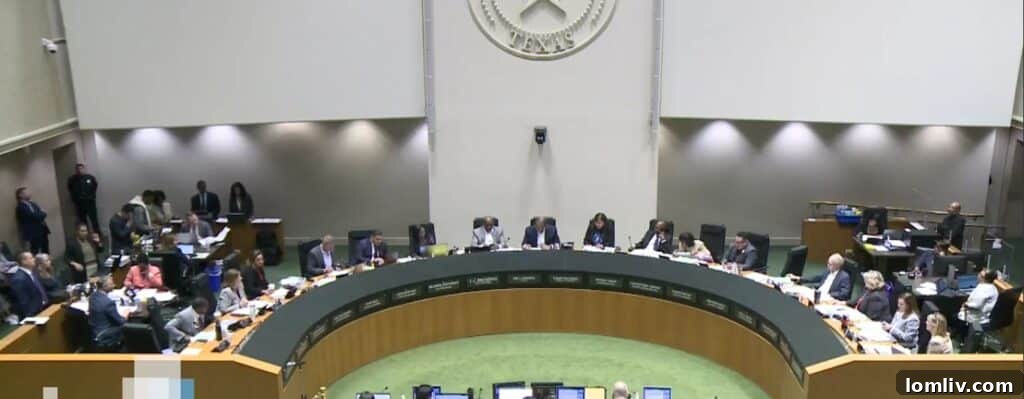
A recent Wednesday meeting was a testament to the rigorous and often complex nature of municipal budgeting. What began as a discussion quickly evolved into a comprehensive, seven-hour deliberation, featuring “amendments to amendments” as council members meticulously debated the nuances of each proposal. This extended session highlighted the varying perspectives and priorities within the council, underscoring the deep commitment each member holds for their constituents and the city’s overall well-being. The dynamic exchange of ideas and proposals is an integral part of ensuring that the final budget is robust, balanced, and broadly supported.
Recognizing the intricate nature of the discussions and the volume of proposed changes, Chief Financial Officer Jack Ireland swiftly moved to provide clarity. As promised, he submitted a detailed summary memorandum on Friday afternoon. This critical document synthesized the outcomes of the exhaustive discussion, providing a clear overview of the amendments that garnered majority support and were subsequently incorporated into the budget ordinance ahead of its First Reading approval. Such transparency and prompt communication are vital for keeping all stakeholders, including the public, informed throughout the budget finalization process.
The memo served as an essential tool for understanding the immediate impacts of the approved changes. It detailed how specific adjustments would affect different funds, most notably the significant reduction in the property tax rate. The comprehensive nature of the CFO’s summary underscores the professionalism and dedication of Dallas’ financial leadership in navigating complex fiscal challenges and clearly communicating their implications to the City Council and the public.
Key Amendments Incorporated into the FY 2023-24 Dallas Budget
The memorandum, addressed to the Honorable Mayor and Members of the City Council, detailed the outcomes of the intensive budget amendment discussion and straw poll process held on Wednesday, September 6th. The CFO extended gratitude for the council members’ active participation, which led to five pivotal amendments receiving majority support. These amendments have now been formally incorporated into the budget ordinance, marking a crucial step towards its final approval.
Adhering to the City Charter’s requirements, the updated ordinance, including these newly approved amendments, is set to be widely advertised. This will involve publication in the City’s official newspaper, along with additional multicultural publications, ensuring broad public awareness and access to information about the city’s financial plans and the adjusted tax rate. This commitment to transparency allows residents to understand how their tax dollars are being allocated and the rationale behind the city’s financial decisions.
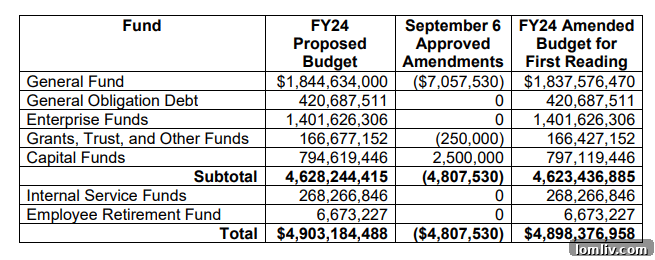
The CFO’s summary also provided an indispensable table outlining the precise amounts included in the budget ordinance and detailing the specific impact of the approved amendments on each fund category. This clear breakdown is essential for understanding the fiscal shifts and priorities that have emerged from the council’s deliberations. The adjustments reflect a strategic effort to optimize resource allocation, enhance service delivery, and provide tangible benefits to Dallas taxpayers.
Impacts of Approved Amendments on Dallas’ Financial Landscape
The approved amendments have had a multi-faceted impact across various city funds, demonstrating a deliberate strategy to achieve both immediate and long-term fiscal goals. These changes reflect careful consideration of community needs, operational efficiencies, and the desire to alleviate financial burdens on residents.
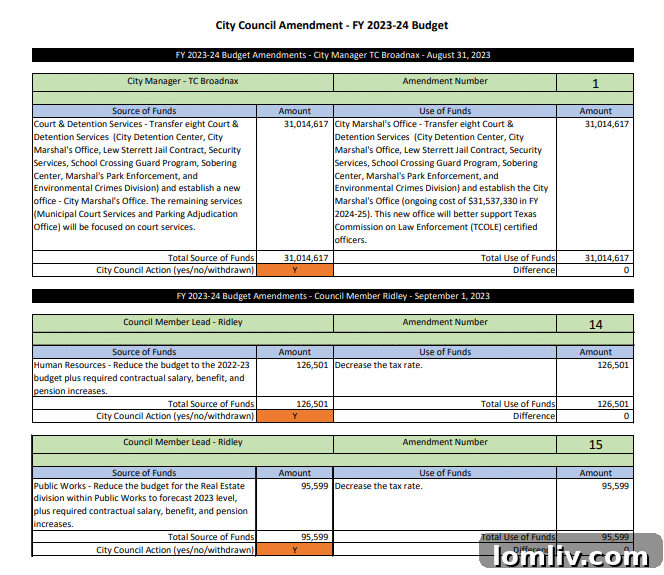
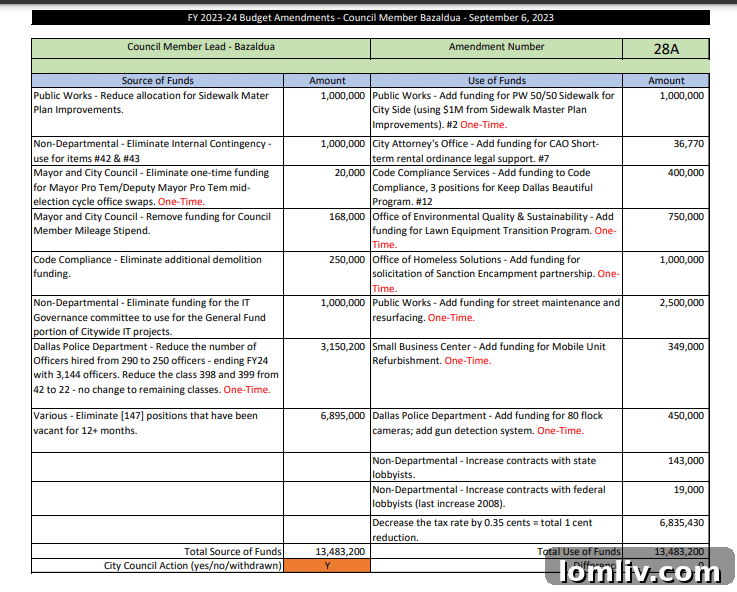
- General Fund Reduction and Property Tax Savings: A significant outcome of the amendment process is the decrease in the General Fund. This reduction is primarily the result of three specific amendments that targeted reduced expenses across various city operations. Crucially, these expenditure cuts enabled a direct lowering of the property tax rate by 0.36¢. When combined with the 0.65¢ reduction already proposed in the City Manager’s recommended budget, Dallas residents are now looking at a total property tax rate reduction of an impressive 1.01¢. This translates to lowering the current tax rate from 74.58¢ to a proposed rate for FY 2023-24 of 73.57¢ per $100 valuation. For homeowners and businesses, this represents a tangible financial relief, reflecting the council’s responsiveness to the economic realities faced by its constituents. This reduction demonstrates a strong commitment to fiscal prudence and aims to make Dallas an even more attractive place to live and conduct business.
- Strategic Adjustments in Grants, Trusts, and Other Funds: This category saw a net decrease, driven by a $1.0 million reduction allocated for IT Governance projects. This specific adjustment suggests a reprioritization or efficiency gain within the city’s technology initiatives, possibly by optimizing existing systems or deferring less critical projects. However, this reduction was partially offset by a substantial $0.75 million increase dedicated to the Lawn Equipment Transition Program. This increase highlights Dallas’s commitment to environmental sustainability and public health, encouraging the adoption of cleaner, quieter lawn equipment. Such initiatives not only improve air quality but also contribute to a better quality of life in neighborhoods across the city.
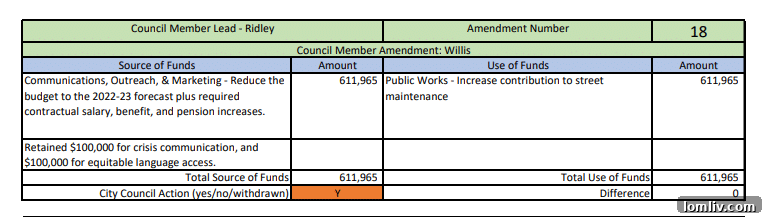
- Increased Investment in Capital Funds for Street Maintenance: In a direct response to community needs and infrastructure priorities, there has been a notable increase in Capital Funds. This boost is the result of strategically moving funds from the General Fund specifically to enhance street maintenance efforts. Investing in street maintenance is crucial for the city’s infrastructure, impacting everything from daily commutes and public safety to economic development. Well-maintained roads reduce vehicle wear and tear, improve traffic flow, and contribute to the overall aesthetic appeal and functionality of Dallas neighborhoods. This reallocation underscores the council’s understanding of foundational urban services and their direct impact on residents’ daily lives.
The Road Ahead: Final Approvals and Public Engagement
The budget adoption process is nearing its culmination, but the Dallas City Council maintains the flexibility to make additional amendments right up until the point of final reading and approval of the budget on September 20th. This window ensures that any last-minute critical adjustments or urgent considerations can still be addressed before the city’s financial plan is fully enacted. To facilitate this, council members have been requested to submit any new amendments to CFO Jack Ireland and/or City Manager T.C. Broadnax by the end of day Thursday, September 14th. This ensures sufficient time for these proposals to be distributed to all City Council Members on Friday, September 15th, allowing for thorough review prior to the decisive meeting.
The September 20th meeting promises to be a pivotal day for Dallas, with a comprehensive agenda designed to finalize the city’s financial blueprint for the upcoming fiscal year. The proceedings will include several critical steps that underscore both democratic principles and administrative diligence:
- Tax Rate Public Hearing: A public hearing on the proposed tax rate will provide Dallas residents and business owners with a final opportunity to voice their opinions and concerns regarding the adjusted property tax rate. This crucial step ensures that the public has a direct channel for input before the rate is officially adopted, reinforcing the principles of transparent governance and civic participation.
- Consideration of New Amendments: Any additional amendments submitted by the September 14th deadline will be formally considered. This final round of debate and voting allows the council to fine-tune the budget, ensuring it is as responsive and efficient as possible.
- Approval of Budget-Related Items: A suite of interconnected budget-related items will be presented for the council’s approval. These include the essential tax rate ordinance, which legally establishes the property tax rate; the overarching budget ordinance, which formalizes the city’s spending plan; the fee ordinance, which sets various city service fees; and the personnel classification action resolution, which outlines staffing levels and compensation structures. The collective approval of these items will solidify the city’s financial and operational framework for FY 2023-24.
This comprehensive final agenda reflects the complexity and importance of the budget process, requiring the approval of multiple interrelated documents to ensure a cohesive and legally sound financial plan for Dallas. For any further questions or clarifications regarding the budget or the ongoing process, interested parties are encouraged to contact Chief Financial Officer Jack Ireland or Janette Weedon, Director of Budget and Management Services. Their availability ensures continued transparency and support throughout this critical period for the city.
The commitment of the Dallas City Council and city leadership to a thorough, transparent, and responsive budget process is evident in every stage of these deliberations. From the initial proposals to the final approvals, the focus remains steadfast on serving the best interests of Dallas residents, fostering sustainable growth, and enhancing the quality of life across the vibrant city.
Jack Ireland
Chief Financial Officer