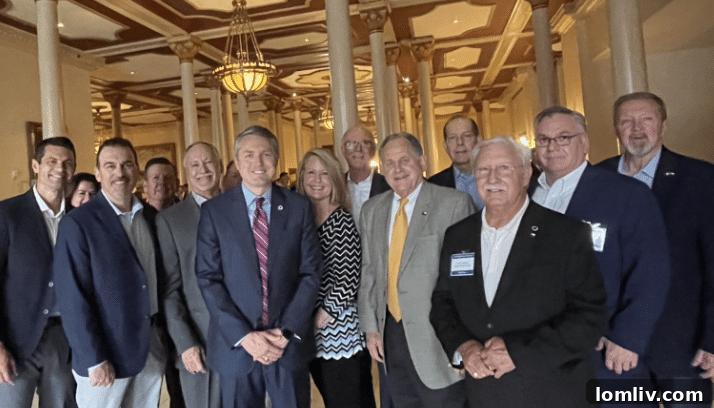
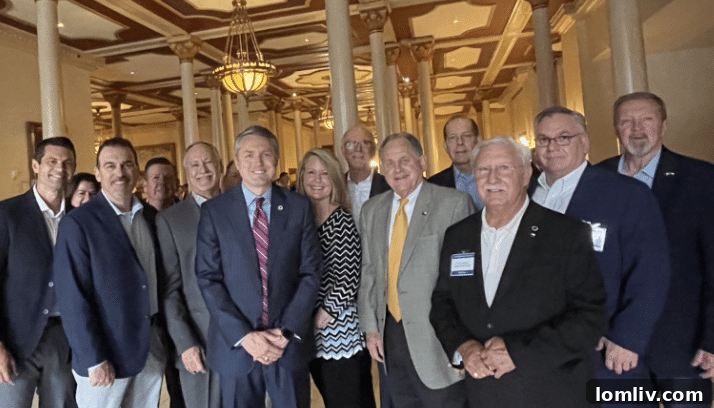
As the Lone Star State continues its trajectory of exponential growth, attracting new residents and businesses at an unprecedented rate, a critical challenge emerges: ensuring the availability of housing at an affordable price point. This isn’t merely a matter of urban planning; it’s a foundational issue that impacts the state’s economic vitality, social equity, and the quality of life for millions of Texans. Addressing this growing demand for accessible housing requires proactive engagement with policymakers and a deep understanding of the intricacies of the construction industry. The Texas housing market faces unique pressures, making effective advocacy more crucial than ever.
This pressing concern forms the cornerstone of the advocacy efforts championed by the Dallas Builders Association (DBA). Their mission, to foster a healthy and sustainable housing market, was vigorously communicated last week directly to state legislators at the Texas Capitol in Austin. Through a series of focused discussions and strategic presentations, DBA members articulated the vital role home building plays in the state’s economy and the urgent need for legislative support to overcome current housing challenges. The focus remains steadfast on enhancing housing affordability in Texas, making homeownership a realistic goal for more residents.
Phil Crone, the esteemed Executive Officer of the Dallas Builders Association, led a dedicated cohort of local builders and industry advocates. They joined forces with representatives from other home builder associations across Texas, converging on Austin for the impactful “Rally Day” on March 29. This annual event serves as a crucial platform for the industry to present a unified front, ensuring that the voices and concerns of home builders and developers are heard directly by those who craft the laws affecting their livelihoods and the state’s housing future. Rally Day is instrumental in shaping Texas Legislature priorities related to construction industry advocacy.
The collective strength of the industry was evident as approximately 80 members descended upon Austin, conducting vital meetings across 35 legislative offices. Rally Day is not an isolated event but a well-established tradition for the Dallas BA, strategically timed to coincide with the legislative session of the Texas Legislature. This proactive approach underscores their continuous commitment to shaping a supportive regulatory environment for housing development in Texas. Beyond state-level advocacy, the Dallas BA also regularly engages with members of the U.S. Congress on Capitol Hill, demonstrating a comprehensive commitment to advocacy at all levels of government to address the broader housing crisis.
“During these critical discussions, Association members and staff delivered a powerful message to state representatives and senators: the immense economic benefits derived from new home construction and remodeling within Texas simply cannot be overlooked,” Crone emphasized. “The home building sector is a colossal engine for the Texas economy, contributing an astounding $71.5 billion annually and sustaining over 758,000 jobs across the state. These figures represent not just statistics, but countless families supported, vibrant communities created, and a robust economic ecosystem thriving on the foundations laid by our industry.” The argument presented highlighted that neglecting the needs of the housing sector would be detrimental to the broader prosperity of Texas. This significant economic impact of construction underscores the importance of fostering a healthy regulatory climate.
Shaping Texas’s Future: Key Legislative Priorities for Home Building
The Texas Association of Builders (TAB), a statewide umbrella organization, articulates a comprehensive set of priority issues that guide its legislative engagement, as detailed in its Government Affairs portfolio. These priorities reflect the multifaceted challenges and opportunities facing the construction industry and are designed to foster an environment conducive to sustainable growth and housing affordability. Key areas of focus for the Texas home building industry include:
- Property Rights: Protecting the fundamental rights of landowners and developers from undue government infringement and ensuring clear, equitable processes for land use and development. This includes safeguarding against arbitrary regulations and promoting transparent zoning practices that respect private property investments, which are crucial for housing development.
- Taxes: Advocating for fair and balanced taxation policies that do not disproportionately burden homeowners or developers. Excessive property taxes, development fees, and other levies can significantly inflate the cost of housing, making it less accessible for many Texans. The industry champions policies that ensure the tax burden is equitably distributed and supports growth rather than stifling it, directly impacting affordable housing Texas initiatives.
- County Authority: Seeking a balanced approach to the authority granted to county governments, ensuring that local regulations are not overly restrictive or inconsistent, which can create significant barriers to efficient development across different jurisdictions. Standardized, sensible regulations are crucial for predictable development timelines and costs, reducing the burden on builders.
- Transportation: Recognizing that robust infrastructure is paramount for new communities and economic development. This involves advocating for adequate funding and strategic planning for roads, utilities, and public services that support growing populations and enable efficient access to new housing developments. This directly supports the expansion of the Texas housing market.
- Career and Technical Education (CTE): Emphasizing the critical need to cultivate a skilled workforce for the future of the construction industry. Supporting CTE programs in schools and community colleges ensures a pipeline of trained professionals, from carpenters and electricians to plumbers and HVAC technicians, addressing ongoing labor shortages and promoting high-quality construction practices. This also involves promoting trades as viable and rewarding career paths for young Texans, bolstering the home building industry in Texas.
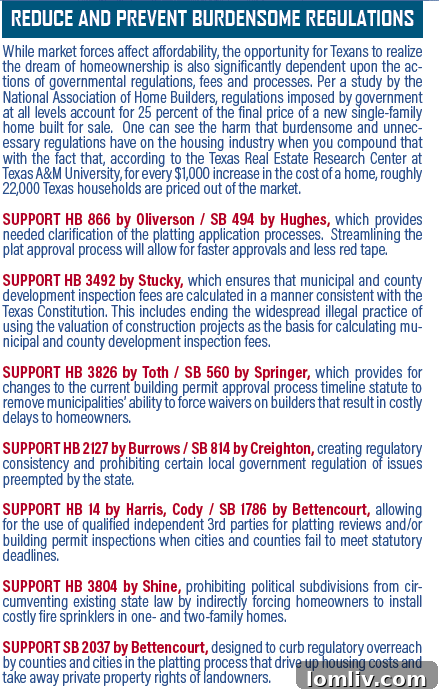
A significant focus of the Dallas Builders Association’s advocacy during Rally Day revolved around addressing systemic inefficiencies that contribute to the escalating cost of housing. Phil Crone notably testified on House Bill 3826, a critical piece of legislation designed to rectify longstanding issues with municipal permitting processes. This bill aims to close detrimental loopholes in an 18-year-old statute that was intended to protect applicants by providing a refund on permits that experience undue delays or are ignored beyond a reasonable timeframe – specifically, 45 days, or 75 days if an internal extension is legitimately utilized by the municipality. This directly targets permit delays in Texas, a major impediment to efficient construction.
The financial ramifications of these delays are staggering. “We conservatively estimate that persistent delays in Dallasover the past few years have collectively added more than $42 million to the overall cost of housing in our region,” Crone revealed. This added burden is inevitably passed on to homebuyers, making housing less affordable. He continued, “Had this bill been enshrined into law prior to 2020, homeowners in Dallas would have collectively received approximately $3.6 million in refunds, providing tangible relief from these avoidable expenses. Similarly, House Bill 14 (HB 14), which holds significant weight as one of the Speaker’s priority bills, directly addresses another major bottleneck: inspection delays. It offers crucial relief to applicants by enabling the use of qualified third-party inspectors if municipal inspection deadlines are not met, thereby keeping projects on schedule and mitigating additional costs.” These legislative efforts are not just about streamlining bureaucracy; they are about directly impacting the affordability and accessibility of homes for Texas families by improving building permits processes.
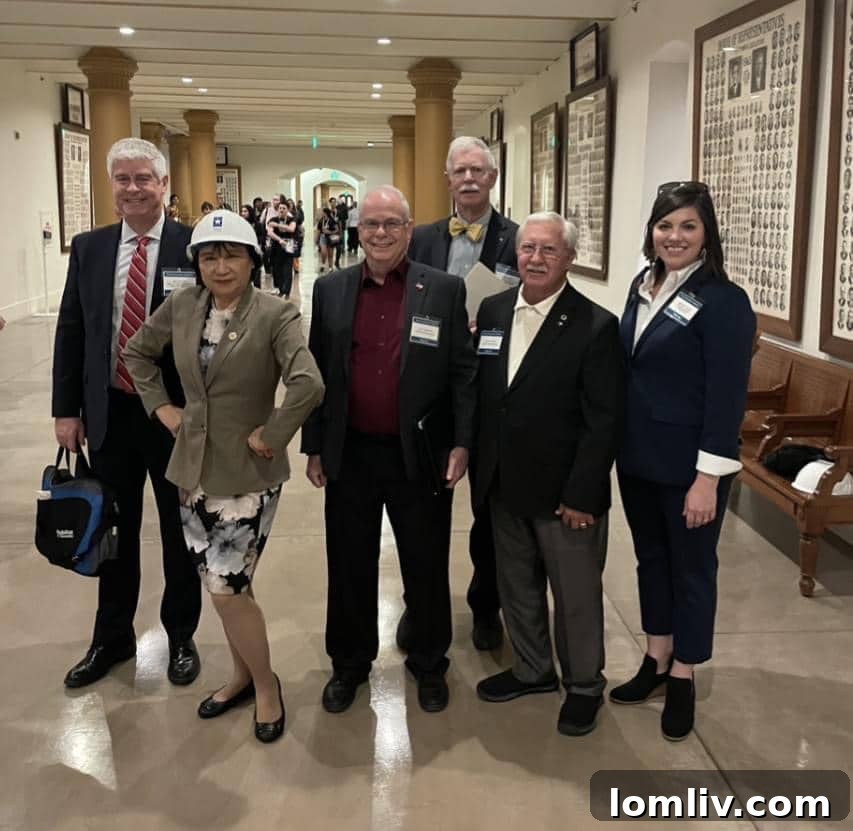
The strategic influence of the Dallas Builders Association is amplified by its extensive reach within the state’s political landscape. As Crone highlighted, the DBA’s service area encompasses the districts of a formidable quarter of the members of the Texas Senate and a significant one-fifth of the Texas House of Representatives. This broad geographic and political footprint grants the Association considerable leverage and ensures that their message resonates deeply within the legislative chambers. The ability to engage with such a substantial portion of state lawmakers underscores the DBA’s vital role in shaping state policy and advocating for its members, making their legislative priorities influential in the Texas Legislature.
“As priority bills championed by both the Texas Association of Builders and the Dallas BA have recently advanced to crucial hearings, including two pivotal sessions held on Rally Day itself, the undeniable display of economic strength and unified purpose provided by our dedicated members was more critical and impactful than ever,” Crone articulated in a compelling Rally Day recap prominently featured on the Dallas BA website. This strategic timing allowed legislators to witness firsthand the industry’s commitment and its significant economic contributions, reinforcing the gravity of the issues being discussed, especially concerning the housing crisis Texas is experiencing.
Beyond advocating for new legislation, a significant part of Rally Day involved educating lawmakers on necessary updates and reforms to existing statutes. Among these, particular attention was given to the Residential Construction Liability Act (RCLA) and the Statute of Repose. These complex legal frameworks are instrumental in governing how construction defect disputes are resolved and, crucially, in protecting home builders from protracted and often unwarranted litigation. Reforming these acts ensures a fair and efficient process for all parties, preventing frivolous lawsuits that can burden builders and ultimately drive up the cost of housing for consumers. Ensuring clear, equitable guidelines helps maintain a stable environment for home construction and mitigates construction liability risks.
“The Dallas BA also took a strong stance by requesting state legislators to support vital legislation that guarantees municipal and county development inspection fees are calculated in a manner consistent with the Texas Constitution,” stated the association’s official press release. This initiative aims to curb arbitrary and excessive fee structures that often add unnecessary costs to construction projects. Furthermore, the Association advocated for another critical bill designed to introduce meaningful changes to the current building permit approval process timeline statute. This proposed reform seeks to shield homeowners from the financially draining consequences of protracted and costly delays, ensuring that the permitting process is efficient, transparent, and respectful of project schedules and budgets. These efforts collectively aim to streamline bureaucratic hurdles and reduce the financial burden on both builders and future homeowners, bolstering housing affordability.
Empowering Progress: Educating Lawmakers for a Balanced Housing Future
While actively supporting pro-housing bills is a cornerstone of the Dallas Builders Association’s mission, an equally, if not more, crucial aspect of their advocacy involves proactively educating lawmakers on the potential pitfalls of opposing efforts. This means identifying and vigorously challenging policies that could negatively impact housing affordability and attainability. As Phil Crone articulated, vigilance is required against “restrictive, unnecessary, and burdensome land use and housing policies” that represent an overreach by government entities. Such policies often manifest as overly stringent zoning regulations that limit density, excessive impact fees that disproportionately inflate development costs, or arbitrary design mandates that add little value but significant expense. The goal is to prevent the implementation of measures that, however well-intentioned, could inadvertently exacerbate the housing crisis by making it more difficult and expensive to build homes, directly impacting housing development in Texas.
Crone powerfully summarized the essence of Rally Day’s success in his engaging “Phil’s Phive” social media video, shared broadly on Friday. “I think what we were able to achieve,” he told Dallas BA members, “is to forge a tangible connection between the legislators and the specific legislation they are diligently working on – legislation that we, as an industry, have meticulously identified as critical priorities – and the very real, day-to-day challenges that each and every one of you are confronted with in your businesses.” This direct link between policy and practical impact is vital. Builders regularly grapple with rising material costs, persistent labor shortages, supply chain disruptions, and complex regulatory hurdles. By effectively communicating how legislative actions can either alleviate or intensify these challenges, the Dallas Builders Association ensures that lawmakers gain a deeper, more empathetic understanding of the industry’s operational realities and, by extension, the pressing needs of Texas homebuyers. This ongoing dialogue is indispensable for cultivating a legislative environment that truly supports the growth and accessibility of housing across the state, ensuring the continued health of the Texas housing market.
The combined efforts of the Dallas Builders Association and its statewide partners represent a steadfast commitment to ensuring that the Texas housing market remains vibrant, affordable, and responsive to the needs of its rapidly expanding population. Through dedicated advocacy, transparent education, and direct engagement with elected officials, the industry is not just building homes; it is actively constructing a sustainable future for all Texans, striving to overcome regulatory obstacles and foster innovative solutions that keep the American dream of homeownership within reach for generations to come. The success of these initiatives will be pivotal in maintaining Texas’s economic momentum and ensuring its continued appeal as a prime destination for living and working, solidifying its position as a leader in residential construction and economic prosperity.