Fair Park Dallas: Unpacking Its Past, Crafting an Inclusive Future
Fair Park, a site of immense historical and cultural significance in Dallas, Texas, finds itself at a persistent crossroads. In the specialized language of architecture, a “LULU” or “Locally Undesirable Land Use” describes a property that struggles with its integration into the urban fabric. For many in Dallas, Fair Park unfortunately fits this description: a vast, often desolate concrete expanse, largely walled off, that truly comes alive only once a year for the bustling State Fair of Texas, leaving its substantial potential untapped for the majority of the year.
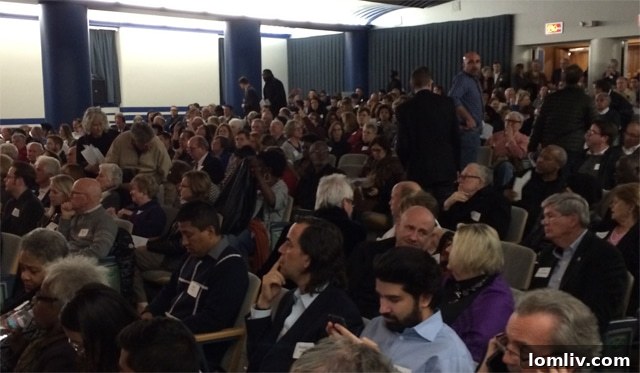
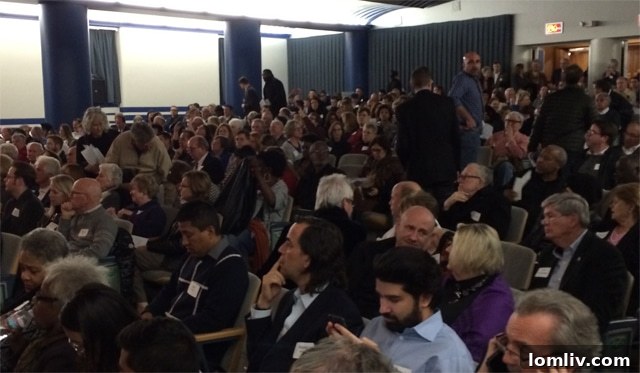
The discourse surrounding Fair Park’s future is hardly novel; it’s a cyclical conversation marked by grand visions and the frequent absence of tangible progress. On Tuesday, January 26, the Dallas Architecture Forum hosted a pivotal panel discussion, aiming to address the critical question of what strategic steps the city should take to invigorate Fair Park. This recent forum, while important, was one among countless similar gatherings and revisited numerous archived plans—blueprints often adopted by city councils yet seldom funded or implemented. A palpable sense of exasperation emanated from the panelists, stemming from a long history of unfulfilled promises regarding the park’s revitalization. Their delivery, though professional, carried the weight of actors reciting familiar lines in a long-running play, a testament to decades of repeated discussions without definitive action.
The Enduring Challenge: A Legacy of Neglect and Diminishing Green Space
In her insightful opening remarks, Virginia McAlester of Preservation Dallas highlighted the alarming lack of change at Fair Park since her initial involvement in the 1980s. This prolonged state of neglect is central to Fair Park’s narrative, illustrating a pattern where impressive structures and once-popular attractions have been allowed to deteriorate, ultimately being removed or filled in. Of its original 277 acres, it is estimated that less than 70 acres now truly qualify as green space, excluding the privately owned parking lots that encircle the site. This significant reduction stands in stark contrast to the initial vision for a vibrant public park.
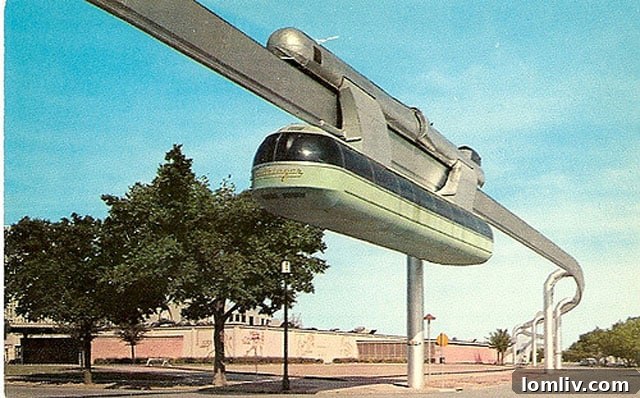
The compelling mantra “Put the PARK back in Fair Park” became a recurring theme throughout the evening, resonating deeply with those present. It underscores a collective desire to restore the site’s original purpose as a vibrant, accessible green space. What currently exists is largely a concrete expanse, a landscape far removed from the natural beauty envisioned in its nascent stages. This transformation reflects a shift from a community-centric park to a large-scale event venue, a change that has inadvertently alienated the very communities it was originally designed to serve.
Fair Park Through Time: A Rich Tapestry of Dallas History
The genesis of Fair Park dates back to 1886, when the State Fair of Texas acquired the raw land to establish an exhibition site. A significant turning point occurred in 1904 when the City of Dallas purchased the land for $125,000, formally establishing Fair Park in 1906 as the city’s second municipal park. This development was an integral part of George Kessler’s visionary master plan for Dallas, laying the groundwork for its urban landscape. Many of the celebrated Art Deco buildings, now synonymous with Fair Park, were meticulously designed by architect George Dahl and erected for the monumental 1936 Texas Centennial Exposition. Over the ensuing decades, Fair Park expanded, incorporating additional parkland but also, notably, more parking facilities to accommodate growing events. Even the State Fair organization, the original land seller, acquired its own adjacent property in 1993 to relocate maintenance operations, moving them out of the historic 1910 Coliseum. This layered history illustrates a continuous evolution, often grappling with the delicate balance between historical preservation and the escalating demands of contemporary usage and large-scale events.
The Intertwined Realities: Money, Race, and the Future of Fair Park
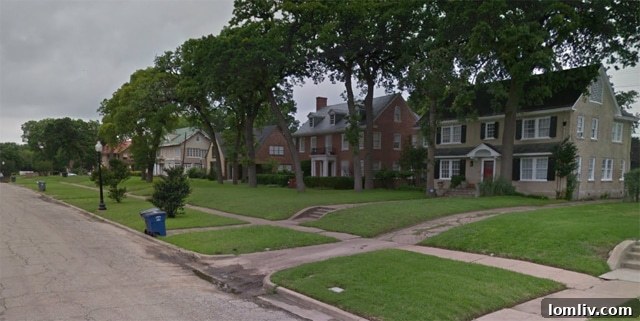
Any profound discussion about the true revitalization of Fair Park inevitably leads to two deeply interconnected and historically sensitive issues: money and race. During its zenith, particularly around the 1936 Centennial, Fair Park was surrounded by an affluent, predominantly white and Jewish neighborhood. Echoes of this past are still visible in names like Shearith Israel Memorial Park. The grand mansions of these early business leaders, some of which are slowly being restored along Park Row and South Boulevard, once rivaled the opulence and architectural grandeur of Swiss Avenue, signaling an era of significant prosperity.
Interestingly, the Jewish community of that period, despite its wealth, faced certain societal prejudices and forms of exclusion, which in some ways resonate with the experiences of the modern Black community. As the Jewish population progressively relocated, the area around Fair Park began to decline economically, further exacerbated by systemic practices such as redlining. This demographic shift saw an increasing influx of Black residents into the area. Their often-limited earning power contributed to the sustained economic depression of the neighborhood, leading to a cascade of negative social and economic outcomes, including the physical “walling-in” of Fair Park from its immediate surroundings, creating both literal and figurative barriers.
The Community Disconnect: Bridging the Gap Between Fair Park and Its Neighbors
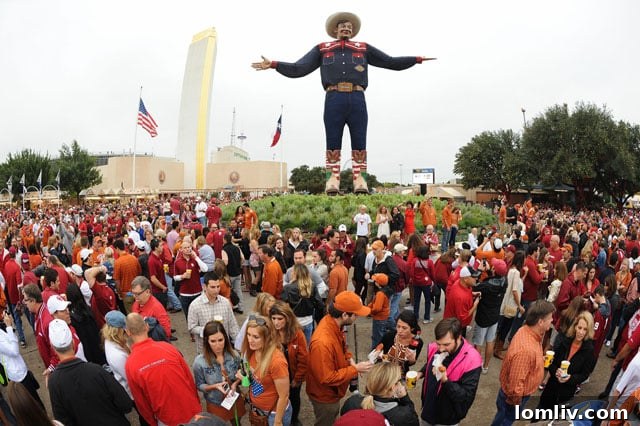
For many residents, especially those in the adjoining South Dallas neighborhoods, Fair Park often feels more like a captivating, yet perpetually inaccessible, “Willy Wonka’s factory” than a community resource. It sits prominently in their backyard but is rarely available for their enjoyment or benefit. Audience members at the forum passionately conveyed a deep sense of alienation, pointing out that countless local children grow up in the shadow of the iconic Texas Star, yet remain unaware of what lies beyond the imposing walls. This pervasive image of a “walled garden” that is “not for them” encapsulates a profound feeling of exclusion. The proposition of dismantling these physical and psychological barriers, and truly reintegrating Fair Park with its surrounding community, consistently garnered enthusiastic applause and vocal support from attendees, signifying a strong collective desire for inclusion and accessibility.
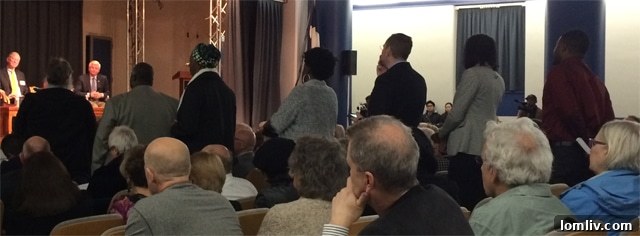
Achieving this crucial reversal—transforming Fair Park from an isolated event space into a vibrant, purposeful asset for its neighbors—necessitates substantial financial investment in an area that has historically lacked political influence and advocacy. The composition of the panel itself subtly underscored this disparity: five of the six presenters were Caucasian, tasked with addressing the nuanced concerns of a largely Black, low-income community. Vicki Meek, representing the South Dallas Cultural Center, was the sole person of color on the dais, her presence serving as a vital conduit for local voices. When the session transitioned to audience questions, the overwhelming majority came from Black residents, who articulately and passionately expressed their fervent desire for Fair Park to serve as a catalyst for neighborhood elevation and economic empowerment, rather than merely an external attraction.
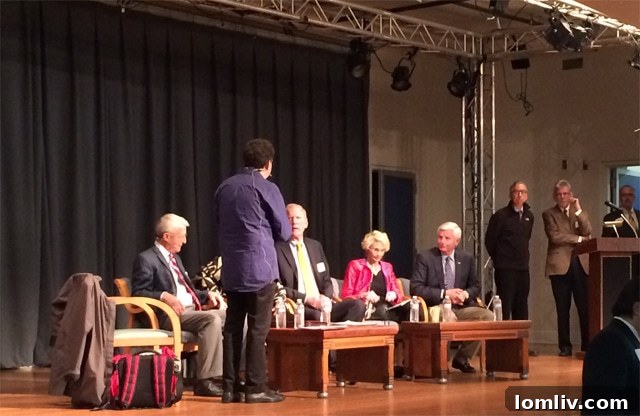
Regrettably, even in such critical dialogues, moments of insensitivity can arise. City planning commissioner Neil Emmons’ remarks, perceived by many as tone-deaf, illustrated a significant disconnect between certain officials and the very community they were intended to engage. His seemingly earnest anecdote about unfailingly attending the State Fair on opening day, regardless of personal circumstance, appeared to be an attempt to ingratiate himself with his fellow presenters rather than forge a genuine connection with the audience’s deeply rooted concerns.
The Complex Path to Revival: Funding, Gentrification, and Equitable Development
The journey towards Fair Park’s comprehensive revival is fraught with complexities, particularly concerning sustainable funding and the potential for disruptive gentrification. Panelists frequently drew comparisons to successful urban green spaces like Dallas’s Klyde Warren Park (a testament to significant philanthropic contributions), Kessler Park, New York’s Central Park, San Diego’s Balboa Park, and Chicago’s Millennium Park. These examples were presented as models of urban park renewal, often achieved through robust public-private partnerships. However, these aspirational models also reveal a fundamental challenge: attracting donors. One panelist candidly admitted the formidable difficulty in securing funds for less glamorous but critically essential infrastructure—items such as roof repairs, HVAC systems, and plumbing—all vital components for the long-term preservation and functionality of Fair Park’s historic buildings.
This persistent “donor problem” often highlights a preference for high-profile projects that offer prominent naming opportunities, overshadowing the critical, behind-the-scenes work essential for true facility preservation and ongoing maintenance. The irony is stark: while public-private partnerships are frequently lauded, the implicit “strings” attached to such funding often prioritize visible accolades over fundamental, enduring needs. The historical trajectories of iconic parks like Central Park, Balboa Park, and Millennium Park further underscore this pattern. For decades, the northern section of Central Park, bordering Harlem, received significantly less maintenance than its wealthier southern counterparts. Balboa Park, too, experienced substantial improvements largely in parallel with the gentrification of its surrounding areas during California’s real estate booms. Similarly, Chicago’s Millennium Park’s extensive overhaul coincided with a broader rejuvenation and the development of upscale condominiums adjacent to the larger Grant Park area. In virtually all these cases, significant park enhancements were deeply intertwined with the gentrification of their neighboring communities, often characterized by the influx of more affluent residents.
The Shadow of Gentrification: A Double-Edged Sword for Fair Park’s Existing Community
This dynamic presents a profound and potentially inevitable danger for the current residents living around Fair Park. The legitimate fear is that attracting the substantial investment necessary to truly revive the park will either directly cause or be a consequence of large-scale gentrification, leading to the displacement of the existing community. This gentrification-displacement cycle is a well-documented global phenomenon, observed from South London to formerly vibrant “gayborhoods” and numerous communities within Dallas itself.
In Dallas, formerly overlooked areas close to the urban core – such as Oak Cliff, Oak Lawn, and the M Streets – have undergone dramatic gentrification. The predictable outcome has been the displacement of long-standing communities, as residents were either priced out of their homes or compelled to sell their properties in a rapidly changing market. The fundamental question remains: are there verifiable examples where existing communities have successfully elevated their standard of living to keep pace with a gentrifying neighborhood, allowing them to remain, thrive, and genuinely benefit from the changes? While isolated successes may exist, achieving long-term, widespread prevention of displacement during rapid gentrification remains an elusive goal for many urban planners and community advocates.
Some of the community members attending the forum demonstrated a keen, pragmatic understanding of this dilemma. Several astutely linked Fair Park’s potential revival not merely to aesthetic enhancements, but crucially, to increased educational opportunities and the development of marketable job skills for local residents. Their hope is that by equipping the community with robust economic tools, residents can better navigate and benefit from the inevitable economic changes. It’s a realistic perspective: it is highly improbable that an attraction as grand and historically significant as Fair Park will be restored to its full glory while remaining situated amidst a severely underserved, low-income area without broader, transformative economic shifts.
The experience of other Dallas parks serves as a cautionary tale. Reverchon Park, for instance, saw its significant rebirth closely intertwined with multi-million dollar luxury developments like the Limited Edition, Stoneleigh Residences, and the renovation of the Republic Bank Building. These examples underscore the intricate and often symbiotic relationship between urban park development and surrounding real estate values. One resident at the forum insightfully questioned the profits generated by the State Fair of Texas, a major tenant of Fair Park. The presenter representing the State Fair claimed not to know the figures off-hand—a convenient, though highly improbable, omission. However, the more critical inquiry isn’t just about the tenant’s profits, but rather how much the landowner, the City of Dallas, is truly charging for the usage of its property, and more importantly, how much of that revenue is being reinvested directly back into Fair Park and its immediate surrounding community. Based on the park’s persistent condition, it is evident that neither the charges nor the reinvestment are currently sufficient.
A Path Forward: Balancing Preservation with Progress and Equity
The future of Fair Park hinges on achieving a delicate yet crucial balance: preserving its invaluable historical and architectural integrity while simultaneously fostering inclusive growth that genuinely benefits its surrounding communities. True revitalization demands more than superficial aesthetic upgrades; it necessitates a holistic, multi-faceted approach that actively addresses systemic inequalities, ensures equitable access for all residents, and creates sustainable economic opportunities for those who call South Dallas home. The discussions initiated by the Dallas Architecture Forum are undoubtedly vital, but they must fundamentally translate into actionable, transparent plans backed by meaningful financial investment and an unwavering commitment to social equity. Only through such a comprehensive and community-centric strategy can Fair Park genuinely shed its “LULU” reputation and re-emerge as a vibrant, accessible, and deeply cherished urban oasis for the entirety of Dallas.
Share Your Story: Do you have insights into Fair Park’s rich history or innovative ideas for its future? Perhaps an engaging HOA story, a fascinating high-rise history, or a personal tale of renovation that has transformed a space? Realtors, are you interested in featuring a distinctive listing that encapsulates the evolving spirit of Dallas’s diverse neighborhoods? We warmly invite you to share your unique perspectives and contribute to this ongoing and crucial dialogue. Reach out to us at [email protected].