Dallas, Texas, a thriving metropolis synonymous with rapid economic growth and abundant job opportunities, is increasingly grappling with a pressing issue: skyrocketing rental costs. This escalating trend, which has become an undeniable reality for countless local residents, is now emphatically confirmed by leading apartment rental services, particularly those operating out of notoriously expensive markets like San Francisco. The consistent upward climb in rent across Dallas and its extensive surrounding areas represents far more than a minor market fluctuation; it signifies a substantial financial burden for households, profoundly reshaping the urban living experience and the fabric of the community.
Recent comprehensive reports paint a stark picture of an intensely competitive and increasingly unaffordable rental market. According to the latest data released by Apartment List, individuals renting apartments in Dallas witnessed a significant 2 percent increase month-over-month in June. More strikingly, the year-over-year figures reveal a staggering 17 percent surge. These statistics are not merely numbers; they highlight a relentless, sustained upward trend that far outpaces general inflation rates, exerting immense pressure on household budgets and elevating housing affordability to a critical concern for both residents and policymakers.
Further reinforcing these findings, Zumper’s insightful Dallas Metro Report positions the city as the sixth-most expensive rental market when compared against 13 other prominent cities within the expansive Dallas-Fort Worth area. Specifically for a one-bedroom apartment in Dallas, rents have climbed by 16 percent year-over-year and registered a 0.7 percent increase month-over-month. These continuous and robust increases are indicative of deep-seated market dynamics, primarily driven by powerful demand forces and persistent limitations in housing supply.
The annual spike in Dallas rental prices is particularly unsettling when evaluated against broader national economic indicators. To put this into perspective, the U.S. Bureau of Labor Statistics reported that inflation across the country rose by 8.6 percent year-over-year for the period ending in May. The fact that rental costs in Dallas are escalating at nearly double this national inflation rate signals a localized housing crisis that demands immediate and concerted attention from urban planners, legislative bodies, and community leaders dedicated to ensuring equitable living standards.
Beyond the specter of inflation, another crucial factor contributing to the heated rental market is the current tumultuous state of the homeownership sector. A period of rapidly rising mortgage rates has effectively pushed a significant portion of prospective homebuyers out of the purchasing market, compelling them to remain or re-enter the rental pool. This sudden influx of demand further intensifies competition within an already constrained multifamily housing market, where existing inventory struggles desperately to keep pace with both the relentless stream of new residents migrating to the DFW area and those who are now unable to transition into homeownership. This intricate combination of economic forces creates an exceptionally challenging and often frustrating environment for anyone seeking an affordable place to reside in the vibrant Dallas-Fort Worth metropolitan region.
Decoding Dallas Rent Trends: In-Depth Insights from Apartment List
Apartment List’s meticulous analysis offers detailed and comprehensive insights into the Dallas rental landscape, unequivocally confirming its status as a market experiencing rapid and substantial appreciation. According to the Dallas-specific segment of their extensive report, the current median rent for a one-bedroom apartment in Dallas is $1,218. For those requiring more space, a two-bedroom unit commands a median price of $1,455. What makes this data even more compelling is the sheer consistency of this upward trend: Dallas rents have been on an uninterrupted ascent for an astonishing 19 consecutive months. This prolonged trajectory highlights a persistent and powerful market force, underscoring the deep-rooted nature of the city’s housing demand.
Despite these notable increases, Dallas still maintains a degree of comparative affordability when measured against some of the nation’s most infamously expensive urban centers. For example, San Francisco, a city frequently cited as the epitome of exorbitant rental costs, boasts a median two-bedroom rent of $2,636—a figure that is nearly double that of Dallas. However, this relative affordability is rapidly eroding as Dallas continues its trajectory of exponential growth, attracting an ever-increasing number of residents who are drawn to its opportunities and a cost of living that, for now, remains somewhat lower than that found in coastal megacities. The window of opportunity for experiencing ‘affordable’ Dallas living is demonstrably shrinking.
The burgeoning tide of rental costs is not solely confined to the central areas of Dallas; it permeates and extends throughout the entire sprawling Dallas-Fort Worth region. An examination of the rental dynamics across various DFW suburbs reveals a diverse yet universally increasing trend, showcasing how different communities are experiencing this growth:
- McKinney: Experiencing the Area’s Fastest Growth. This dynamic northern suburb has emerged as the frontrunner in rent appreciation within the DFW metroplex, recording an astounding year-over-year increase of 20.1 percent. McKinney’s significant appeal, largely fueled by its top-rated school districts, robust local job market growth, and high quality of life, has translated directly into intense and sustained rental demand, making it a highly sought-after location.
- Plano: Holding the Title for Most Expensive Rents. Located adjacent to McKinney, Plano distinguishes itself by boasting the highest median rent in the Dallas area, with a two-bedroom apartment averaging a premium $1,964. Its well-developed infrastructure, status as a hub for numerous corporate headquarters, and an abundance of upscale amenities collectively contribute to its elevated pricing structure, catering to a demographic seeking premium suburban living.
- Arlington: Offering a Glimmer of Relative Affordability. For individuals and families actively seeking more economical housing options within the DFW metro, Arlington presents itself as a viable alternative, featuring the least expensive median rent with a two-bedroom unit averaging $1,319. Its strategic central location, nestled between the major economic centers of Dallas and Fort Worth, coupled with a more diverse and accessible housing stock, positions Arlington as a more approachable entry point into the region’s competitive rental market.
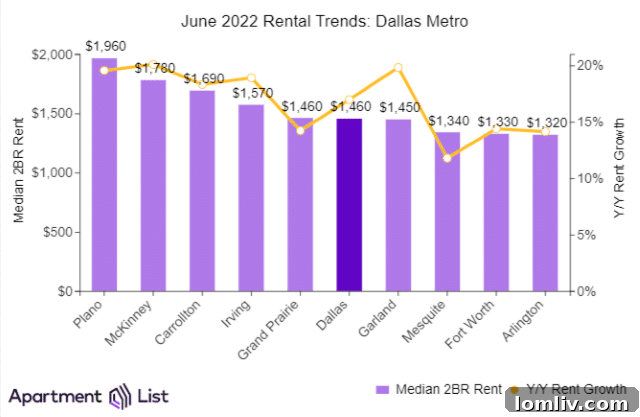
The phenomenon of rising rents extends beyond the immediate Dallas-Fort Worth nexus, impacting other major Texas cities, albeit with varying degrees of intensity. Austin, widely recognized as a burgeoning tech and cultural hotspot, has experienced a substantial 17.4 percent increase in rents. San Antonio’s rental market has also seen a significant upward climb of 13.8 percent, while Houston, the state’s largest city, recorded a 9.2 percent rise. These statewide trends collectively indicate a broader economic phenomenon actively impacting Texas’s primary urban centers, driven by sustained population growth, robust job creation, and an enduring appeal as destinations for relocation and investment.
Apartment List Methodology: Apartment List is widely recognized and respected for its exhaustive and meticulously compiled rental data, providing an incredibly deep dive into rent prices across a vast majority, if not all, of the cities within the expansive DFW metroplex and nationwide. Their national data platform is enhanced with dynamic graphics and highly detailed breakdowns, rendering it an invaluable and indispensable resource for prospective renters, academic researchers, and urban policymakers alike. The platform meticulously aggregates its data from a diverse and extensive array of sources, including private listing sites, official U.S. Census Bureau statistics, and proprietary surveys, thereby ensuring a remarkably comprehensive, accurate, and reliable overview of the current rental market conditions. Their unwavering commitment to analytical rigor and data integrity consistently earns them a top-tier rating for both the depth and breadth of their market insights. 🐇🐇🐇🐇🐇
Zumper’s Perspective: A Closer Look at DFW Rental Hotspots
Zumper’s detailed and localized study of the Dallas rental market offers a critical localized lens, providing essential context to the broader, overarching trends observed across the region. While Dallas itself is categorized as the sixth-most expensive overall among the DFW cities analyzed, specific suburbs within the sprawling metroplex exhibit even higher price points, particularly for one-bedroom units. Richardson leads this particular segment with an impressive median one-bedroom rent of $1,600, closely followed by Frisco at $1,590, and Plano securing the third spot with a median of $1,550. These figures vividly illustrate the significant premium associated with residing in highly desirable suburban communities, which are often lauded for their superior amenities, excellent school districts, and convenient access to major employment centers.
Conversely, Zumper’s comprehensive data also meticulously identifies several areas that present relatively more affordable one-bedroom options within the DFW landscape. Arlington, with a median of $1,100, and Denton, offering a slightly lower median of $1,090, currently represent the most economical one-bedroom rents among the cities rigorously analyzed within the DFW study. Notably, both of these figures fall below the statewide median of $1,135 recorded in June, thereby offering a crucial glimmer of financial relief for renters operating on tighter budgets who are willing to explore locations situated slightly further from the immediate core of Dallas’s most expensive and highly competitive areas.
Dynamic Shifts Across the Dallas Metro Area
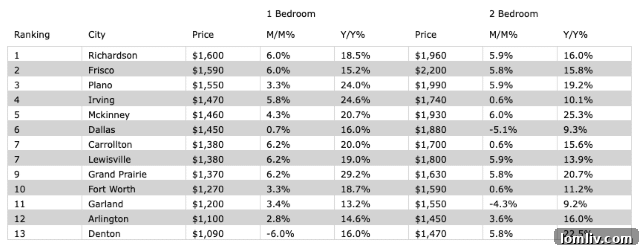
The pace and intensity of rental growth are remarkably varied across the diverse DFW metroplex, a characteristic that reflects distinct and localized market dynamics at play. On a year-over-year basis, Grand Prairie notably emerged as the frontrunner, experiencing the most substantial increase in one-bedroom rent, with an astounding 29.2 percent surge. This rapid and dramatic appreciation underscores a burgeoning demand in a city that might have previously been considered a more affordable alternative, but is now swiftly catching up with its more established and traditionally expensive neighboring communities.
When examining month-over-month changes, Carrollton, Lewisville, and Grand Prairie all registered significant and simultaneous increases of 6.2 percent. Such pronounced short-term spikes can often be direct indicators of immediate and influential shifts in demand, potentially triggered by factors such as the establishment of new job centers, the completion and opening of specific housing developments, or typical seasonal fluctuations in the rental market. These rapid monthly growth rates vividly underscore the inherent volatility and intense competitiveness prevalent within certain key pockets of the expansive DFW rental landscape, demanding agile responses from both renters and developers.
Zumper Methodology: Zumper excels in providing highly localized and specific rental data tailored precisely for the DFW area, positioning it as an invaluable tool for discerning regional nuances and micro-market trends. Their robust methodology involves the meticulous analysis of active rental listings that are introduced into the market each month. These listings are then systematically aggregated by city to accurately calculate median asking rents, thereby offering a real-time, dynamic snapshot of prevailing market conditions. This focused approach on current, active listings provides an exceptionally responsive measure of rental pricing and availability, consistently earning Zumper a solid and well-deserved rating for its particularly relevant, timely, and actionable market insights. 🐇🐇🐇
Why Are Dallas Rents Soaring? Understanding the Driving Forces
The consistent and seemingly relentless upward trajectory of Dallas rents is not an isolated or arbitrary phenomenon. Rather, it is the direct culmination of several powerful and interconnected economic and demographic forces converging simultaneously. Gaining a comprehensive understanding of these underlying factors is absolutely crucial for both current residents and prospective renters, as well as for all key stakeholders within the dynamic Dallas real estate market. This multifaceted challenge requires a deeper look into its root causes.
Unprecedented Population Growth and In-Migration
The Dallas-Fort Worth metropolitan area has consistently ranked among the fastest-growing regions in the entire United States for an extended period. This remarkable population surge is predominantly fueled by an exceptionally robust and diverse job market, particularly within high-growth sectors such as technology, finance, logistics, and healthcare. This economic magnetism continuously attracts a steady stream of new residents, not only from other states but also from international locales. This relentless influx of people translates directly into an escalating demand for housing, impacting both the purchasing and rental segments of the market. When this burgeoning demand significantly outstrips the pace of new construction, the inevitable outcome is a sharp increase in prices across the board.
Corporate Relocations and Sustained Economic Prosperity
The DFW metroplex has firmly established itself as a premier destination for major corporate headquarters and significant regional offices. Esteemed companies such as Toyota, Amazon, and JPMorgan Chase have made strategic decisions to establish substantial presences within the region, bringing with them tens of thousands of high-paying jobs. While this economic prosperity is undoubtedly a boon for the region’s overall health and development, it concurrently creates a segment of renters with notably higher earning potential. This inadvertently intensifies competition for available rental units, thereby driving up prices for all other demographics within the rental market.
Limited Housing Supply and Persistent Construction Challenges
Despite a noticeable boom in multifamily construction activity across the DFW area, the supply of new housing units has struggled immensely to keep pace with the overwhelming and continuous demand. Several compounding factors contribute to this persistent lag, including the escalating costs of acquiring suitable land, widespread labor shortages within the construction industry, significant supply chain disruptions affecting essential building materials, and increasingly complex and time-consuming permitting processes. Furthermore, a substantial portion of new construction projects often targets the luxury segment of the market, which regrettably leaves a critical and widening shortage of truly affordable and mid-range rental options for the majority of the population.
Impact of Rising Interest Rates on Homeownership Aspirations
As previously highlighted, the Federal Reserve’s aggressive strategy of interest rate hikes, primarily aimed at curbing persistent inflation, has had a profound and transformative impact on the broader housing market. Higher mortgage rates dramatically increase the monthly cost of owning a home, effectively pushing many potential first-time buyers and those seeking to upgrade their homes out of the ownership market and back into the rental sector. This significantly expanded pool of renters then intensifies competition for a finite number of available rental units, further exacerbating the already substantial upward pressure on rental prices across the metroplex.
Pervasive Inflationary Pressures Across the Broader Economy
Beyond the direct influence of mortgage rates, broader inflationary pressures are impacting virtually every facet of the rental market. Landlords are consistently facing increased operational costs for property maintenance, rising insurance premiums, higher property taxes, and inflated utility expenses. These steadily increasing operational overheads are, almost inevitably, passed on to tenants in the form of higher rents. The noticeable discrepancy between general inflation rates and the even more accelerated rent inflation in Dallas strongly suggests that housing costs are experiencing a particularly acute and intensified inflationary spiral, making basic shelter increasingly expensive.
The Ripple Effect: What Rising Rents Mean for Dallas Residents
The continuous and rapid escalation of rental costs in Dallas produces far-reaching consequences that extend well beyond mere financial figures on a ledger. These impacts deeply affect the overall quality of life, the economic diversity, and the long-term social and economic sustainability of the entire metropolitan area, touching nearly every aspect of daily existence for its inhabitants.
Increased Financial Strain and Severely Constrained Household Budgets
For a significant portion of Dallas residents, particularly those on fixed incomes, entry-level professionals, or families with multiple dependents, rising rents consume an increasingly disproportionate share of their monthly budget. This leaves considerably less disposable income for other essential necessities such as nutritious food, critical healthcare services, reliable transportation, and quality education. Such financial strain can lead to heightened economic precarity, increased debt, and elevated levels of stress and anxiety within households, undermining overall financial stability.
Longer Commutes and a Marked Reduction in Quality of Life
As central urban areas and highly desirable, amenity-rich suburbs become prohibitively expensive, residents are increasingly compelled to seek more affordable housing options situated further away from major employment centers. This geographical displacement inevitably results in substantially longer daily commutes, leading to significantly increased transportation costs, greater vehicle wear and tear, and a drastic reduction in precious leisure time. The chronic strain and exhaustion associated with extended daily travel can severely impact both physical and mental well-being, directly contributing to a noticeable decline in the overall quality of life for a large segment of the working population.
Challenges for Small Businesses and Workforce Development
The high cost of living presents a formidable obstacle for local small businesses striving to attract and, more importantly, retain a stable workforce, particularly those in vital service industries where wages are typically lower. If essential workers—such as teachers, nurses, retail staff, and hospitality employees—cannot afford to live within a reasonable proximity to their workplaces, it could lead to chronic labor shortages and significantly impede the growth and operational efficiency of local businesses. This scenario ultimately impacts the city’s economic diversity, vibrancy, and its capacity to sustain a robust service sector.
A Threat to Economic and Social Diversity within the City
An increasingly expensive rental market poses a serious risk of pricing out a significant and valuable portion of the population, including artists, educators, essential healthcare workers, and aspiring entry-level professionals. If these groups are unable to afford to live in Dallas, it can lead to a less diverse and more socio-economically homogenous urban environment, thereby diminishing the rich cultural and social fabric that inherently makes a city vibrant, innovative, and resilient. This trend can also exacerbate existing social inequality, creating deeper divides between those affluent enough to reside in prime areas and those who are systematically excluded.
Navigating the Dallas Rental Market: Practical Advice and Future Outlook
For both current residents and prospective renters in Dallas, developing a nuanced understanding of the market’s inherent complexities is paramount to making well-informed and strategic housing decisions. While the prevailing trend of increasing rents appears firmly entrenched and likely to continue in the immediate future, there are several practical strategies and considerations that individuals can employ to navigate this challenging landscape more effectively.
Practical Tips for Renters in Dallas
- Begin Your Search Early: Initiate your apartment hunt well in advance of your desired move-in date, ideally 60-90 days prior. This proactive approach allows for the widest selection of available units and significantly increases your chances of securing a competitive rental price before the market tightens further.
- Be Flexible with Location: Actively explore neighborhoods and surrounding suburbs that might be situated slightly further from your absolute ideal location but offer demonstrably better value. Areas like Arlington and Denton, as highlighted in the reports, can present more affordable alternatives without sacrificing access to the broader metroplex.
- Thoroughly Understand All Costs: Beyond the advertised base rent, it is crucial to factor in realistic estimates for utilities, potential parking fees, pet rent if applicable, and any additional amenity charges (e.g., gym, pool access) when meticulously comparing different properties to get a true picture of the total monthly expenditure.
- Be Prepared to Act Quickly: The Dallas rental market operates at a rapid pace, with desirable units often being leased within hours or days. Ensure you have all necessary documentation readily accessible (e.g., photo ID, verifiable proof of income, rental history, references) to submit a complete application as soon as you identify a suitable option.
- Consider the Benefits of Roommates: For many, sharing an apartment with one or more roommates can significantly reduce individual rent burdens, making it feasible to afford options in more desirable and conveniently located areas that might otherwise be out of reach financially.
- Inquire About Incentives (When Feasible): While often challenging in a hot and competitive market, it’s always worth politely inquiring about potential lease incentives, particularly if you are considering longer lease terms (e.g., 18-month agreements) or if you are searching during traditionally off-peak seasons (though such seasonality is less pronounced in Dallas’s year-round high demand).
Future Outlook for the Dallas Rental Market
The future trajectory of Dallas rents will largely depend on a delicate and intricate balance between sustained population growth, the pace and scale of new housing supply entering the market, and broader macroeconomic conditions. While a significant and widespread cooling off of the market is not widely anticipated in the immediate future, several critical factors could influence its evolution:
- Increased New Construction: As a greater number of multifamily projects complete their construction phases and progressively enter the market, especially if these developments are not exclusively high-end luxury units, this influx could potentially help to alleviate some of the existing supply pressures, offering more choices to renters.
- Interest Rate Stability or Decrease: Should mortgage rates stabilize at lower levels or begin to decrease over time, a greater number of individuals might transition back into the homeownership market. This shift would consequently reduce overall demand within the rental market, potentially moderating rent increases.
- Potential Economic Slowdown: A broader economic downturn, while generally undesirable for the economy, could temper job growth and subsequent in-migration to Dallas. A reduction in these key drivers would, in turn, lead to a decreased demand for rental units, thereby potentially slowing the rate of rent appreciation.
- Impact of Policy Interventions: Proactive local government initiatives focusing on the development of more affordable housing, comprehensive zoning reforms to encourage diverse housing types, or financial incentives for developers to construct mid-range housing options could have a significant and positive long-term impact on the city’s overall housing affordability landscape.
In conclusion, the Dallas rental market is unequivocally navigating a period of rapid, profound, and multifaceted change. While the city’s undeniable economic dynamism and growth are distinct advantages, they concurrently present a substantial and ongoing challenge for housing affordability. Staying meticulously informed about prevailing market trends, gaining a deep understanding of the driving forces behind escalating rent increases, and employing strategic planning are not merely recommendations, but essential prerequisites for effectively navigating this continuously evolving and increasingly complex housing environment.