Cypress Creek at Forest Lane Awaits Wednesday City Council Vote – A Non-PFC Project
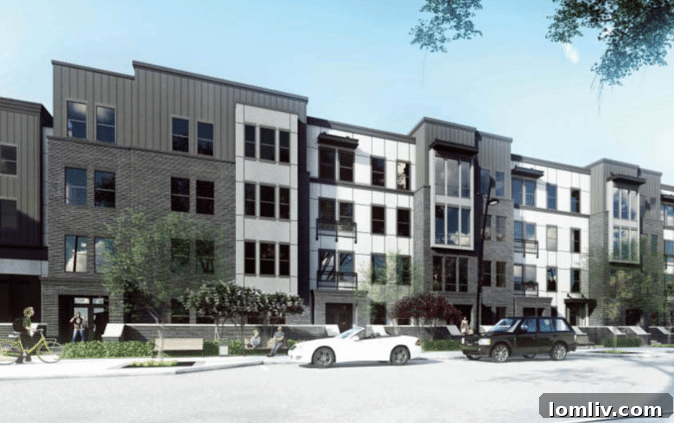
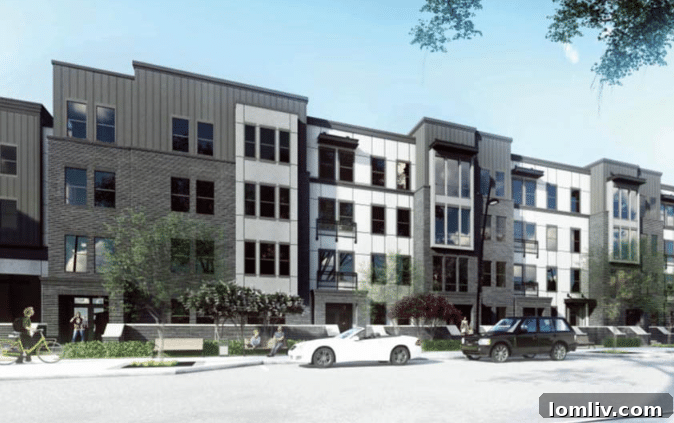
Cypress Creek at Forest Lane rendering: A glimpse into Dallas’s proposed mixed-income housing project.
The proposed Cypress Creek at Forest Lane mixed-income apartment complex, a project designed to address Dallas’s growing need for diverse housing options, faces a critical juncture as it heads to the Dallas City Council this Wednesday. Initially conceived under the framework of a Public Facility Corporation (PFC) funding mechanism, city officials have now unequivocally stated that this approach is no longer viable, ushering in a new chapter of negotiations and proposals for the ambitious development.
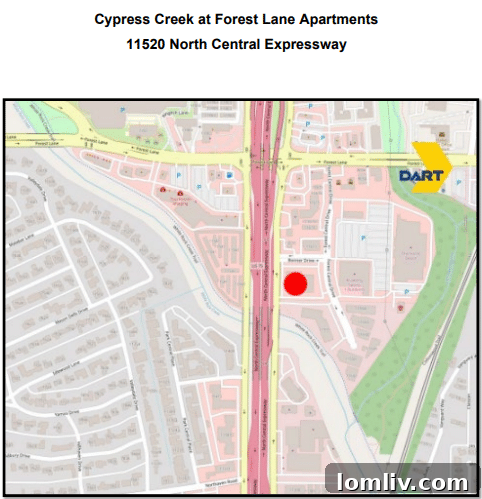
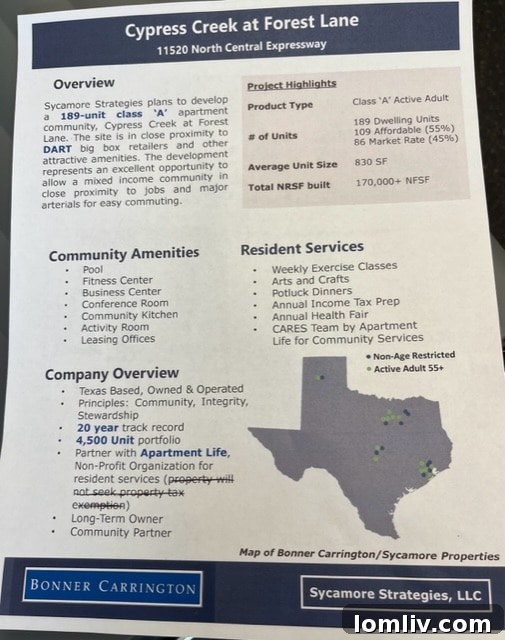
This 189-unit residential project, spearheaded by Zach Krochtengel of Sycamore Strategies, has been a focal point of intense debate and community engagement since its inception. Situated at the prominent address of 11520 North Central Expressway, the development has encountered significant headwinds, particularly from local residents. A contentious public meeting held in March saw a considerable majority of District 10 residents express their strong opposition to the apartments, highlighting the ongoing tension between urban development goals and community concerns.
The project’s journey has been fraught with challenges. An earlier proposal in 2021 failed to gain traction, primarily due to existing deed restrictions that explicitly prohibited the land from being developed for residential purposes. These restrictions, often put in place to maintain specific land uses or neighborhood characteristics, presented a formidable legal hurdle. The initial strategy to circumvent these restrictions involved the PFC structure, a common tool in Texas to facilitate affordable housing developments. Under this model, the developer would lease the land from a council-appointed PFC board, which would then allow the property to be taken off the tax rolls for an extended period, typically 75 years. This tax-exempt status, coupled with the PFC’s ability to operate independently, was seen as a potential workaround for the deed restrictions.
However, the PFC path proved to be short-lived and complex. During a late March meeting, members of the PFC board voiced significant apprehension, openly stating their expectation of being sued should they proceed with the project under the proposed structure. This legal concern, coupled with the city’s subsequent assessment, ultimately rendered the PFC funding mechanism untenable for Cypress Creek at Forest Lane, necessitating a fundamental shift in strategy to keep the project alive.
May 10 City Council Meeting: A Pivotal Moment for Dallas Housing
The upcoming May 10 City Council meeting is poised to be a defining moment for the Cypress Creek at Forest Lane project. The critical update regarding the project’s viability under the PFC model came in a detailed memo issued on April 28 by Assistant City Manager Majed Al-Ghafry. This document provided crucial insights into the recent developments and outlined the city’s official stance. Al-Ghafry’s memo articulated the following:
Majed Al-Ghafry, Assistant City Manager, Dallas.
“The plan was presented for consideration and approval to the DPFC Board of Directors (Board) on March 28, 2023. The Board conditionally approved a memorandum of understanding (MOU) that outlined the City’s conveyance of the project site to the DPFC and the subsequent lease to the Developer. However, the conditional approval of the Board is tantamount to a denial because the conditions were unacceptable to the City and thus the project cannot move forward under the proposed structure.”
DALLAS ASSISTANT CITY MANAGER MAJED AL-GHAFRY
This statement from Al-Ghafry underscores the impasse reached between the City and the DPFC Board. While a conditional approval might seem like a step forward, the attached conditions were evidently deemed too onerous or risky for the City to accept, effectively stalling the project under the Public Facility Corporation framework. The city’s rejection of these conditions highlights the intricate legal and financial considerations involved in public-private partnerships, especially those aimed at navigating complex land use restrictions and delivering vital community services like affordable housing.
An Alternate Recommendation: A Direct Ground Lease for Future Progress
Recognizing the urgency and the city’s commitment to advancing affordable housing initiatives, Assistant City Manager Al-Ghafry’s memo didn’t just highlight the challenges but also proposed a pragmatic alternate approach. This new recommendation, which the City Council is expected to deliberate and vote on during Wednesday’s pivotal meeting, offers a direct path forward for the Cypress Creek at Forest Lane development.
The proposed alternative suggests that the City “enter into a ground lease directly with the Developer to finance, construct, and manage the development.” This direct engagement represents a significant departure from the previous PFC model, streamlining the relationship between the municipal government and the developer. Under this structure, the City would effectively become a direct partner in facilitating the project, leveraging its resources and authority to overcome the initial hurdles.
A key element of this alternative is the allocation of risk and responsibility. The memo specifies: “This alternative has no DPFC participation but will include a Developer obligation to indemnify the city for any potential litigation expenses and damages for the duration of the project ground lease term.” This indemnity clause is crucial, as it shifts the financial burden of potential legal challenges, particularly those stemming from the existing deed restrictions, onto the developer, Sycamore Strategies. Furthermore, to ensure the project’s successful execution and financial integrity, the memo adds, “The City will require the standard performance and payment bond requirements for a transaction of this kind.” These bonds provide an added layer of financial security, protecting the City against potential defaults or failures on the developer’s part.
Al-Ghafry’s memo powerfully articulates the gravity of the City Council’s decision, emphasizing that without the city’s direct participation in this revised acquisition and ground lease development structure, the mixed-income affordable housing development “will not move forward to serve the City’s affordable housing public purpose.” This statement underscores the project’s alignment with Dallas’s broader strategic goals for urban development and housing accessibility, highlighting the critical role the municipality plays in fostering such initiatives. The project is not merely a commercial endeavor but a vital component of Dallas’s strategy to provide much-needed housing options for its diverse population.
The complexities surrounding the Cypress Creek at Forest Lane project are further compounded by recent technical difficulties. Dallas was recently the victim of a ransomware attack, which has significantly hampered access to city documents and online resources. Despite these challenges, essential documents pertaining to the Cypress Creek at Forest Lane project, including a resolution and other related materials, have been made available online here, ensuring transparency ahead of the crucial vote.
The saga of Cypress Creek at Forest Lane epitomizes the intricate dance between urban planning, legal constraints, community input, and the pressing need for affordable housing. The Dallas City Council’s decision on Wednesday will not only determine the fate of this specific 189-unit mixed-income complex but also set a precedent for how Dallas navigates similar development challenges in the future, balancing the interests of developers, residents, and the broader city-wide imperative for inclusive growth and housing solutions.