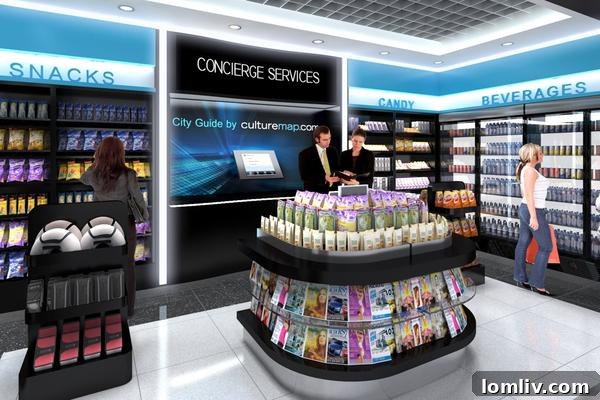
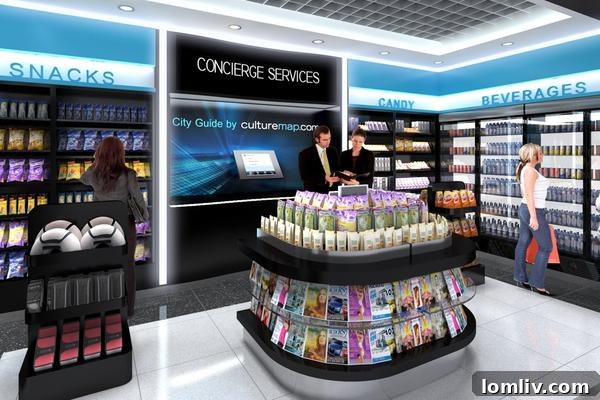
In a significant development poised to reshape both the media landscape and the experience of air travel, CultureMap, a leading regional news brand, is set to transform the traditional airport newsstand. The Dallas Business Journal recently unveiled the news of CultureMap’s strategic acquisition and operational takeover of Hudson News shops at Houston’s two major airports: George Bush Intercontinental (IAH) and William P. Hobby (HOU). This move is far more than a simple corporate transaction; it signals a forward-thinking shift in how travelers access local information and how regional media outlets can build deeper, more engaging connections with their audience. It represents a “stunning blow” to the traditional model of print media distribution in bustling transit hubs, heralding an era of interactive and personalized concierge services.
CultureMap, which first established its roots in Houston, has rapidly grown into a premier destination for local news, events, dining guides, and cultural insights across key Texan cities. The brand recently underwent a notable change in ownership, having been acquired for a substantial $15 million by ViewMarket, a progressive Dallas-based interactive media brand. This acquisition has already begun to influence the dynamic news and media sectors in both Dallas and Houston, fostering a greater emphasis on rich video and highly visual content. However, the most compelling and potentially transformative aspect of this deal is undoubtedly CultureMap’s bold expansion into physical airport locations, reimagining the familiar Hudson News kiosks as vital information and service hubs.
The strategic reasoning behind this innovative pivot is deeply rooted in contemporary consumer behavior, particularly among the millions of travelers who pass through airports annually. With the pervasive rise of digital devices, fewer and fewer passengers are purchasing magazines and newspapers for their journeys, rendering the traditional newsstand increasingly obsolete. CultureMap’s initiative demonstrates a keen understanding of this evolving trend. Rather than persisting with a declining print-centric model, these rebranded airport pop-up kiosks will evolve into sophisticated “concierge services.” Imagine landing in Houston, a vibrant metropolis known for its diverse culture and booming economy, and immediately being greeted with personalized, expertly curated information right in the terminal. Travelers seeking refreshment will still be able to grab a bottle of Fiji and a snack, but they will also gain instant access to invaluable local recommendations: the best restaurants for a culinary adventure, must-visit attractions, and a guide to the latest entertainment and live bands performing in town.
From a strategic business perspective, this initiative is nothing short of brilliant. It skillfully merges digital content delivery with a crucial physical presence, creating an unparalleled advertising and engagement opportunity. For hotels, convention centers, and a wide array of hospitality businesses, as well as for real estate agents catering to a mobile, affluent clientele, these new kiosks offer a direct and highly effective channel to connect with their target audience. In the past, these local businesses often had to invest in costly advertisements within generic city guides or regional magazines, hoping to capture traveler attention. CultureMap’s revamped kiosks present a refreshingly convenient and demonstrably more cost-effective alternative. They provide dynamic, real-time information that can be precisely tailored to the immediate needs and interests of arriving passengers, offering a superior alternative to static, often outdated, print advertisements.
The transformation of these airport kiosks into interactive information hubs directly addresses several common challenges faced by modern travelers. Beyond the convenience of purchasing refreshments, passengers frequently seek immediate, trustworthy local insights upon arrival. Instead of grappling with unreliable mobile data or relying on potentially outdated guidebooks, CultureMap’s concierge service will offer a welcoming presence and expert local recommendations. This personalized approach significantly enhances the overall travel experience, making visitors feel informed and welcomed from the moment they disembark. For business travelers, this translates into swift access to appropriate dining venues for meetings, efficient transportation advice, and even information on local networking events. For tourists, it unlocks the rich tapestry of Houston’s attractions, from its world-renowned museums and vibrant arts scene to its bustling culinary landscape and lively entertainment districts.
This innovative approach also strategically positions CultureMap within the broader competitive media landscape. By extending its brand beyond digital platforms into high-traffic physical spaces, it reinforces its identity as an indispensable and trusted local guide, fostering familiarity and loyalty with its audience. This is a particularly astute move in an era where digital content, while abundant, can sometimes feel overwhelming and impersonal. The physical touchpoint within a bustling environment like an airport provides an invaluable opportunity for direct, human-centric engagement. One can envision interactive digital screens showcasing captivating videos of Houston’s top restaurants, virtual tours of iconic attractions, or real-time schedules for upcoming concerts and cultural events, all expertly curated by CultureMap’s editorial team. This seamless integration of compelling digital content with a tangible, human-assisted service creates a powerful and synergistic brand experience.
Furthermore, this development highlights an emerging and significant trend in the realm of airport retail: a pronounced shift from mere product sales to offering genuine experiences and value-added services. Modern airports are increasingly viewed as integral components of the overall travel journey, rather than simply utilitarian transit points. By providing personalized concierge services, CultureMap is actively participating in the burgeoning “experience economy,” where consumers prioritize memorable interactions over simple transactions. This groundbreaking model has the potential to establish a new benchmark for how media brands and local businesses collaborate to serve the dynamic travel sector. It’s highly probable that other airports and regional media brands will closely observe Houston’s initiative, potentially emulating this successful integration of local insights and experiential retail within their own environments.
For ViewMarket, CultureMap’s parent company, this venture represents a shrewd strategic diversification and a significant expansion of its interactive media capabilities into a highly lucrative and visible domain. The acquisition of CultureMap, coupled with this bold move into airport operations, underscores a forward-thinking vision for the future of media consumption. It thoughtfully acknowledges that while digital platforms are undeniably paramount, there remains immense value in physical touchpoints that offer direct human interaction and immediate problem-solving. It’s about meeting the audience precisely where they are – both digitally and physically – and providing them with exactly what they need, at the moment they need it most. The potential for collecting valuable data analytics from these interactions, understanding traveler preferences, and identifying information gaps, also opens up exciting avenues for further refining services and delivering even more precisely targeted content.
The implications for local advertising within this new paradigm are particularly profound. The days when a hotel or restaurant had to merely hope their advertisement in a generic airport magazine caught a traveler’s eye amidst a multitude of other promotions are rapidly fading. With CultureMap’s concierge kiosks, advertisers can become an integral part of a guided, trusted recommendation process. Imagine a traveler asking, “Where can I find authentic Tex-Mex cuisine?” and being directly referred to a specific, advertised restaurant, perhaps even with a QR code for a discount or immediate reservation assistance. This direct line to potential customers, facilitated by a credible and respected local brand, offers an unprecedented level of engagement and conversion potential. It effectively transforms advertising from a passive display into an active, helpful service, fostering genuine connections between local businesses and transient visitors.
In conclusion, CultureMap’s innovative takeover of Hudson News kiosks at Houston’s bustling airports transcends a simple business acquisition; it is a groundbreaking testament to the evolving dynamics of media, retail, and travel. This initiative cleverly addresses the decline of traditional print media by repurposing prime airport real estate into vibrant, interactive hubs for local discovery and personalized assistance. This forward-thinking approach promises enhanced convenience and richer experiences for the millions of travelers passing through Houston annually, while simultaneously creating powerful, highly targeted advertising channels for local businesses. It stands as a compelling example of how regional media brands can not only survive but truly thrive in the digital age by embracing creativity, offering tangible value, and strategically integrating their digital prowess with critical physical consumer touchpoints. This development sets a remarkable precedent for the future, demonstrating an exciting synergy between local culture, commerce, and the global flow of travelers.