
Transforming a house into a home that truly reflects your personal taste and style is a dream for many new homeowners. Among the myriad of interior design elements, crown molding stands out as a timeless and impactful decorative feature, capable of elevating the aesthetic appeal and intrinsic value of any property.
These sophisticated interior moldings are more than just decorative accents; they are a classic architectural detail that bestows an air of elegance and distinction upon your living spaces. Even at the seemingly overlooked juncture where walls meet ceilings, the addition of crown molding introduces a subtle yet powerful touch that captivates potential buyers and lends an exceptional, polished finish to every room. It’s an investment in beauty and value that pays dividends in both daily enjoyment and market appeal.

Discover the myriad benefits of incorporating crown molding into your home’s design. This comprehensive guide provides practical tips and valuable insights to help you maximize the potential of this simple yet profoundly impactful home upgrade, ensuring your space achieves a refined and high-end look.
Elevate Your Home’s Aesthetics and Market Value with Crown Molding
The installation of crown molding on walls represents a sophisticated architectural choice that instantly injects visual interest and a sense of completeness into any room. In today’s competitive real estate market, particularly in areas like North America, properties featuring such thoughtful details inherently stand out.
Prospective buyers often perceive homes adorned with crown molding as meticulously maintained and indicative of a higher-end finish, which frequently translates into a more attractive selling price. Beyond its undeniable aesthetic contribution, crown molding possesses a remarkable ability to make a room feel more expansive and lofty. By drawing the eye upward, it cleverly creates the illusion of higher ceilings, a visual trick that is especially invaluable in smaller rooms or spaces with genuinely low ceilings. This perception of grandeur can significantly enhance a room’s overall appeal and comfort.
Many interior designers and homeowners alike view crown molding as the ultimate finishing touch, seamlessly integrating various elements such as window trim, baseboards, and door casings. This creates a cohesive and elegant look that exudes a premium feel throughout the home. Such a high level of detail resonates deeply with quality-conscious buyers who appreciate thoughtful design and superior craftsmanship. Therefore, investing in crown molding isn’t merely about beautifying your home; it’s a strategic move to substantially boost its marketability, providing you with a distinct advantage should you decide to sell.
Selecting the Ideal Crown Molding Style for Your Home’s Interior
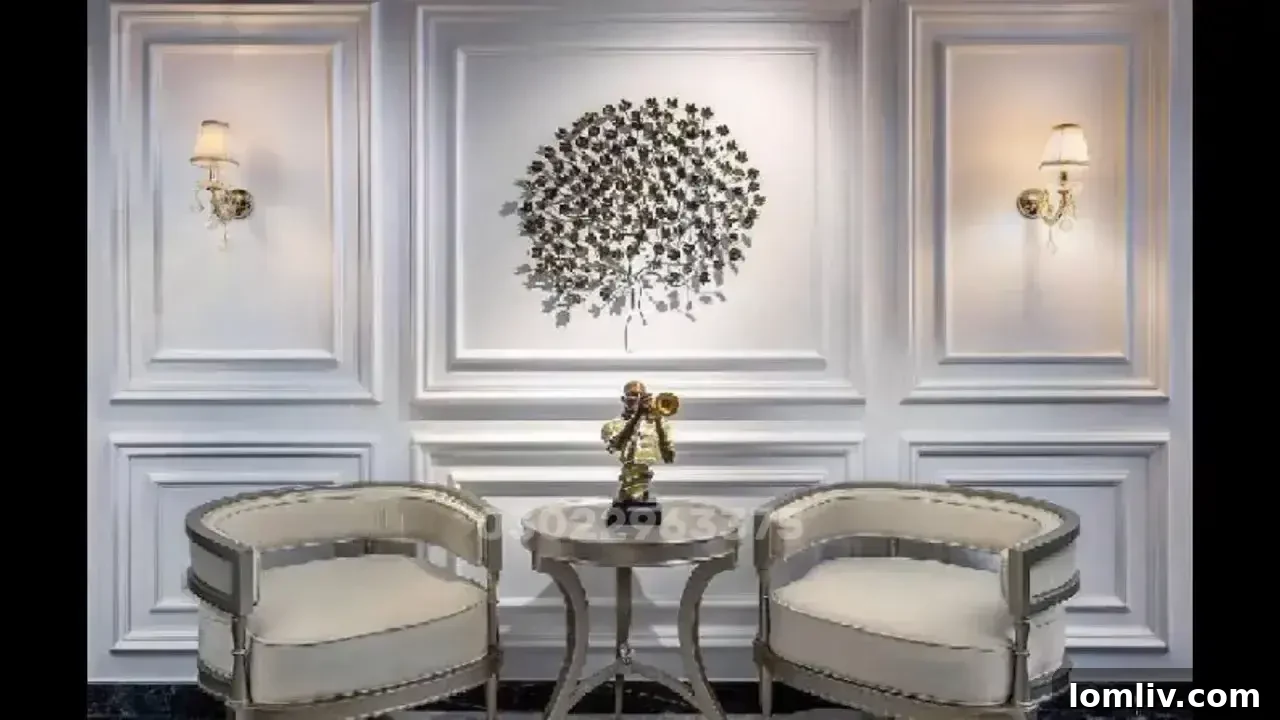
Crown molding is available in an astonishing array of styles, ranging from the richly traditional to the sleekly ultra-modern. The most suitable style for your home largely depends on the specific aesthetic you wish to achieve and, crucially, how well it harmonizes with your existing interior décor and architectural style. The goal is to select a design that feels naturally integrated, enhancing rather than clashing with the space.
For homes with classic interior designs, an ornate crown molding featuring intricate detailing and elaborate profiles would be an ideal choice. These designs evoke a sense of historical grandeur and timeless elegance, perfectly complementing traditional furnishings and architectural elements. Conversely, a streamlined, minimalist crown molding with clean lines and simple curves will beautifully complement modern or contemporary designs without overwhelming them, contributing to an uncluttered and sophisticated ambiance.
The material chosen for your crown molding also profoundly influences the final appearance and tactile quality of a room. Natural wood, for instance, offers a warm, organic feel, making it perfect for traditional, rustic, or craftsman-style environments. Wood can be stained to highlight its natural grain or painted to match existing trim. Plaster, known for its ability to hold exceptionally intricate designs, is often favored for historic homes or projects aiming for a luxurious, bespoke finish. For modern spaces, MDF (Medium-Density Fiberboard) and polyurethane are excellent choices due to their smooth finishes, durability, and greater accessibility in terms of pricing and ease of installation.
The scale and proportion of the crown molding must also be carefully considered relative to the ceiling height and overall size of the room. Large rooms with high ceilings can comfortably accommodate wider, more elaborate moldings with multiple profiles without appearing disproportionate. In contrast, smaller, cozier rooms benefit from narrower, less obtrusive molding profiles that enhance the space without overwhelming it. A common guideline suggests that for 8-foot ceilings, a molding between 3 and 5 inches wide is appropriate, increasing in width for higher ceilings. Misjudging scale can disrupt the delicate balance of a room, making it feel either too busy or incomplete.
Factors Influencing Crown Molding Style Selection:
- Architectural Style: Ensure the molding complements the home’s existing architecture (e.g., Victorian, Colonial, Craftsman, Contemporary).
- Room Size and Ceiling Height: Taller ceilings and larger rooms can handle more substantial and intricate moldings; smaller spaces require more delicate profiles.
- Existing Trim Work: Match or complement the style of baseboards, window casings, and door frames for a cohesive look.
- Desired Aesthetic: Decide whether you want a formal, informal, grand, or subtle effect.
- Material Choice: Some materials are better suited for specific styles and finishes (e.g., wood for staining, MDF for painting).
Popular Crown Molding Materials and Their Distinct Advantages
Each material utilized in crafting crown molding presents its own unique set of advantages, catering to different aesthetic desires, budgetary considerations, and functional requirements.
- Wood: Revered for its natural beauty, durability, and versatility, wood crown molding offers a classic, timeless appeal. It can be meticulously painted to blend with any color scheme or stained to accentuate its rich, inherent grain, adding warmth and character. Common types include pine, poplar (excellent for painting), oak, and maple. While exquisite, wood may demand more maintenance, particularly in high-humidity areas like bathrooms or kitchens, where it can be prone to warping if not properly sealed and acclimatized.
- MDF (Medium-Density Fiberboard): A highly popular and budget-friendly option, MDF is engineered wood that is easily customizable and provides a perfectly smooth surface ideal for painting. It can convincingly mimic the appearance of natural wood once painted but is not suitable for staining. MDF is notably resistant to warping and cracking, making it a durable choice for various environments. Its consistent density also makes it relatively easy to cut and install, reducing labor costs.
- Polyurethane: This synthetic material is incredibly lightweight, durable, and resistant to moisture, rot, and insects, making it an excellent choice for bathrooms, kitchens, or even exterior applications (when specified for outdoor use). Polyurethane molding is often pre-primed, ready for painting, and can achieve intricate, sharp details that rival plaster, yet it is much easier to handle and install. It’s a fantastic option for elaborate designs without the weight or fragility of plaster.
- Plaster: Offering an exquisitely detailed and luxurious finish, plaster crown molding is the choice for historic restorations or projects aiming for an opulent, bespoke look. Its ability to create seamless, continuous designs and incredibly sharp profiles is unmatched. However, plaster is significantly heavier, more expensive, and typically requires professional installation due to its fragility and the specialized skills needed for its application. It is generally not a DIY-friendly material.
- PVC (Polyvinyl Chloride): Similar to polyurethane in its synthetic nature, PVC molding is exceptionally moisture-resistant and durable. It’s an ideal solution for areas exposed to high humidity, water splashes, or even exterior use. PVC molding is typically white and can be painted, but its style options might be more limited compared to wood or polyurethane, often leaning towards simpler profiles.
Integrating Interior Design and Creative Applications with Crown Molding
Crown molding transcends its traditional role at the ceiling line, serving both a functional and deeply fashionable purpose by adding elegance and definition to numerous areas of your home. Its versatility allows for creative applications that can transform ordinary spaces into extraordinary ones.
Beyond being meticulously set at the juncture of walls and ceilings, crown molding can be artfully utilized to outline windows and doors, adding a substantial, architectural presence that elevates simple openings into focal points. It can also frame artwork or mirrors, creating a gallery-like effect and enhancing the perceived value of your decor. In open-concept houses, a brilliant application involves strategically running crown molding along specific areas of a wall, subtly delineating different zones without the need for physical walls. This creates visual separation and guides the eye through the space, offering a refined way to define areas like dining nooks within a larger living space.
Innovative Crown Molding Design Ideas:
- Picture Frame Molding: Create decorative wall panels by arranging smaller, thinner moldings in rectangular or square patterns on a wall. This adds texture, depth, and a classic, architectural feel.
- Built-in Look: Use crown molding to cap off built-in bookshelves, cabinetry, or fireplace mantels, giving them a custom, integrated appearance that flows seamlessly with the room’s trim.
- Layered Molding: For a grander statement, combine two or more different profiles of molding to create a custom, more substantial crown. This technique adds incredible depth and a unique design element.
- Integrated Lighting: Certain crown molding profiles are designed to conceal LED strip lighting, allowing for an elegant uplight or downlight effect that adds ambient illumination and highlights architectural details.
- Chair Rails and Wainscoting: While distinct from crown molding, these elements can be chosen in a complementary style to create a cohesive trim package throughout a room, enhancing its formal or traditional appeal.
Achieving a Professional Crown Molding Installation
While the prospect of installing crown molding might seem daunting, it is a rewarding DIY project if approached with precision and the right techniques. However, success hinges on perfect measurements; even a slight miscalculation can result in noticeable gaps, ill-fitting pieces, and a less than professional finish. Precision cutting, especially for inside and outside corners, is paramount.
For securing the crown molding, a nail gun is an indispensable tool, ensuring that each piece is firmly and solidly attached to the wall studs or ceiling joists. Once the molding is in place, the finishing touches are crucial. Caulking all seams, joints, and edges where the molding meets the wall and ceiling will fill any minor gaps, creating a smooth, seamless, and high-end appearance. After caulking and filling nail holes with wood putty, a final sanding, priming, and painting will complete the transformation.
If you’re undertaking a DIY project, it’s wise to invest in essential tools such as a miter saw (ideally compound miter saw for complex angles), a stud finder, a caulk gun, and safety glasses. Learning to cope inside corners, a technique where one piece is cut to fit the profile of the other, can significantly enhance the professional look of your installation. Numerous detailed online tutorials and videos can guide you through these intricate steps, helping you achieve a premium finish.
However, if precision cutting, working at heights, or achieving flawless corners seems beyond your current skill level or available time, seeking professional help is a wise decision. Experienced installers possess the expertise, specialized tools, and knowledge to handle complex angles, high ceilings, and intricate profiles, guaranteeing a flawless, long-lasting result. The investment in professional installation often outweighs the frustration and potential cost of rectifying DIY mistakes.
Key Installation Steps & Tips:
- Measure Accurately: “Measure twice, cut once” is the golden rule. Account for both inside and outside corners.
- Proper Tools: A miter saw is essential for precise angle cuts. A nail gun speeds up fastening and ensures a secure hold.
- Coping Inside Corners: For a truly seamless look, learn to cope your inside corners rather than simply mitering them.
- Secure Fastening: Always nail into wall studs and ceiling joists for maximum stability. Use construction adhesive for added security.
- Fill and Caulk: Use wood putty for nail holes and high-quality caulk for all seams and gaps between the molding and surrounding surfaces.
- Sand and Paint: Prepare the surface properly with sanding and priming before applying your final paint coats for a smooth, professional finish.
- Acclimatize Materials: Allow wood molding to sit in the room for several days before installation to adapt to temperature and humidity, preventing future warping.
In Summary
Crown molding is much more than just a decorative flourish; it’s a strategic enhancement that adds profound value to your interior spaces—both aesthetically and tangibly. Whether you are passionately improving your living environment for personal enjoyment or meticulously preparing your home for sale in a competitive market, crown molding possesses the remarkable ability to make a world of difference.
By thoughtfully choosing the right style that complements your home’s architecture, selecting the appropriate material for durability and desired finish, and ensuring a precise installation, you can achieve that sought-after high-end look that promises to endure and delight for years to come. Embrace the timeless elegance and smart investment that crown molding offers, transforming your house into a truly distinguished home.