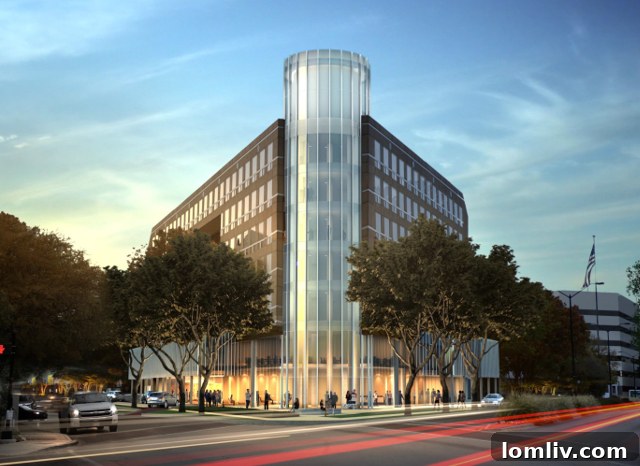
Modernizing 2401 Cedar Springs Road: A Deep Dive into Dallas’s Oak Lawn Revitalization
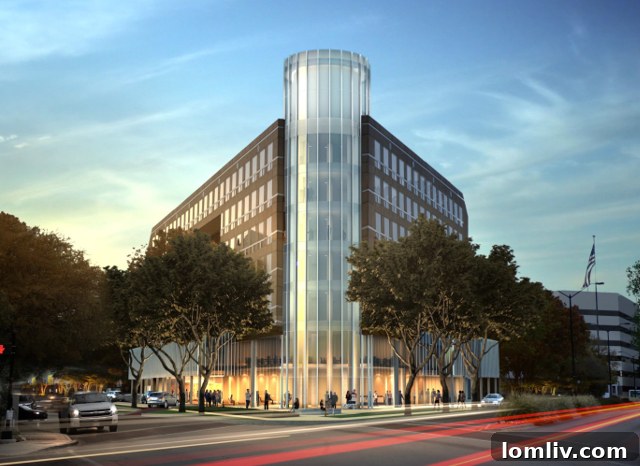
In the vibrant and ever-evolving Oak Lawn district of Dallas, a significant transformation is taking shape at 2401 Cedar Springs Road. Crescent Properties, a prominent developer, has unveiled plans to extensively refresh this 1987-era building, aiming to usher it into the modern architectural landscape. This strategic property, nestled at the bustling intersection of Maple Avenue and Cedar Springs Road, finds itself in a dynamic locale, directly across from popular destinations like Coalvines Pizza and Granite’s Cedar Maple, another development recently scrutinized by the influential Oak Lawn Committee (OLC).
The proposed renovation of 2401 Cedar Springs Road emerged during a period of considerable debate surrounding the leadership and direction of the Oak Lawn Committee. This backdrop underscored the keen community interest and the necessity for developers to align their visions with the evolving expectations of this discerning neighborhood. Crescent Properties’ project seeks to go beyond a mere cosmetic update, aiming for a fundamental reimagining of the building’s facade, functionality, and its engagement with the surrounding urban fabric.
Architectural Vision: From Outdated Granite to Modern Transparency
The most visually striking aspect of the planned renovation is the dramatic overhaul of the building’s original granite-clad turret. This architectural feature, with its distinctive bell tower-shaped cupola, has long been a hallmark of the 1987 design, yet it has undeniably become a symbol of an outdated aesthetic. Crescent Properties’ bold vision strips away this heavy, opaque exterior, embracing a paradigm shift towards contemporary design principles.
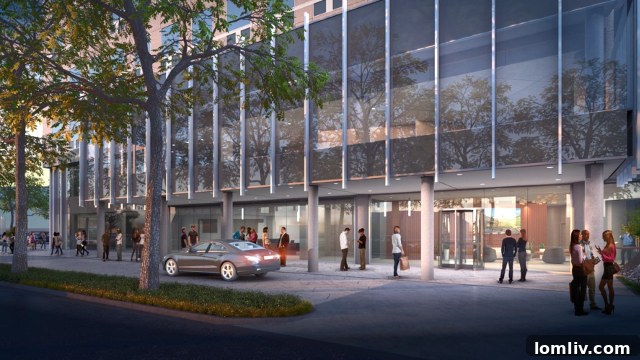
The new renderings reveal that the dated granite will be entirely replaced by a sleek, transparent glass cylinder. This transformation is more than just an aesthetic upgrade; it symbolizes a move away from the insular, imposing structures of the late 20th century towards an architecture that champions openness, natural light, and seamless integration with its surroundings. The glass turret will not only dramatically lighten the building’s visual presence but also serve as a contemporary beacon, reflecting the vibrant energy and progressive spirit of the Oak Lawn community.
Beyond the impressive redesign of the turret, the ground level of the building is also slated for significant enhancements, promising to profoundly alter how the property interacts with pedestrians and vehicular traffic. The Maple Avenue frontage will feature a sophisticated new white tablecloth restaurant. This high-end culinary destination is strategically positioned to serve as a magnet, attracting patrons and injecting new life into the streetscape. Complementing this, a new, more transparent ground-floor lobby is designed to replace the existing, less inviting entrance. This emphasis on transparency is a deliberate attempt to blur the boundaries between the interior and exterior, making the building feel more approachable and welcoming to the public, fostering a sense of connection with the urban environment.
Strategic Reconfiguration of Ground-Level Access and Preservation
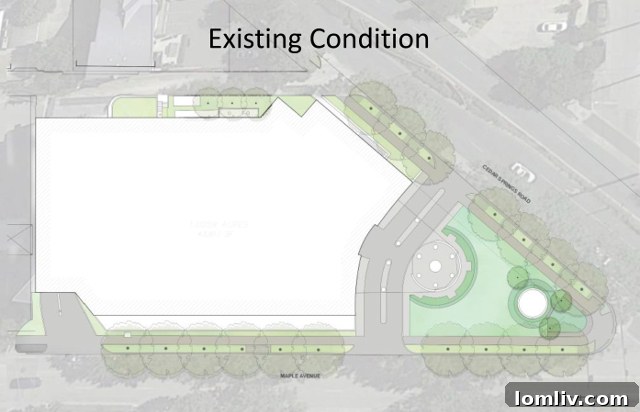
A pivotal component of Crescent Properties’ redevelopment plan involves a significant reimagining of the building’s ground-level dynamics, specifically addressing vehicle and pedestrian flow. One of the most impactful changes is the decision to close the existing driveway and cut-through that traditionally bisected the property, connecting Cedar Springs Road and Maple Avenue. This strategic move aims to improve pedestrian safety by eliminating a point of conflict where foot traffic previously intersected with vehicular paths, enhancing the walkability of the immediate area.
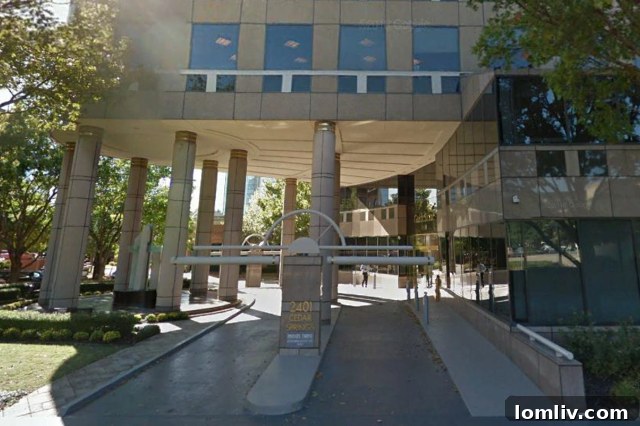
By reattaching the port cochere to the main building structure, Crescent Properties effectively creates valuable additional space on the ground floor. This integration allows for a crucial reorientation: the main entrance will now face Cedar Springs Road, becoming a more prominent and accessible entry point. Notably, the architectural renderings highlight three green circles, signifying the preservation of existing mature trees. This commitment underscores a dedication to maintaining green elements within the urban environment, contributing to the aesthetic appeal and ecological balance of the renovated site.
An intriguing detail shared by Crescent Properties about the original port cochere offers a glimpse into the architectural tastes of 1987. It was revealed that only two of its many columns were structurally load-bearing, with the rest serving purely ornamental purposes. While a curiosity, this fact underscores a past architectural philosophy where visual grandeur often outweighed functional necessity. The current renovation seeks to transcend such superficiality, focusing on a more honest and integrated design that prioritizes both aesthetic appeal and practical utility.
Fostering Urban Engagement: Public Spaces and Dining Integration
The updated design for 2401 Cedar Springs Road includes aspirations to create a more vibrant and “convivial” relationship with the public realm. The building’s redesigned front, particularly along the Cedar Springs frontage, is envisioned as an inviting plaza-like area. The intent is to establish a welcoming space where both office tenants and passersby can comfortably pause, socialize, or simply enjoy a moment of repose within the bustling urban environment.
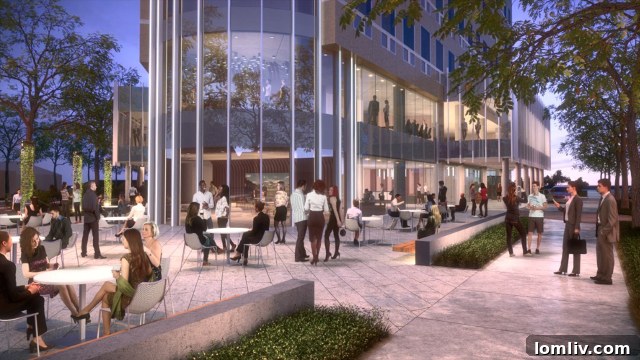
While the renderings present an appealing and harmonious space, the practical effectiveness of this specific “convivial zone” warrants consideration. With the primary restaurant and its dedicated patio situated at the opposite end of the building, questions arise about the intrinsic draw of this front plaza. It is plausible that without direct retail or dining adjacency, the space might primarily cater to those seeking a brief respite, such as weekday smokers, or individuals collecting takeout orders from neighboring eateries like Coalvines. While offering a public seating area is a positive step, achieving genuine, dynamic urban streetscape “activation” often requires more direct integration with commercial activity.
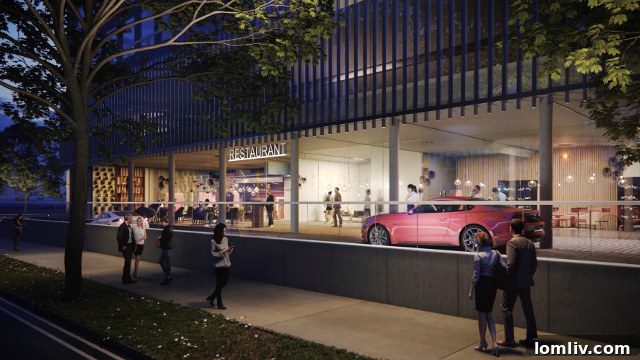
Conversely, the Maple Avenue frontage promises a more direct form of public engagement. Here, the proposed restaurant is designed with a thoughtfully recessed ground-floor facade, specifically crafted to accommodate an expansive outdoor patio, a dedicated pedestrian walkway, and a valet stand. This design choice effectively expands the usable public realm, creating an attractive outdoor dining experience that capitalizes on Dallas’s pleasant climate. Outdoor patios are increasingly crucial for modern urban restaurants, enhancing ambiance and drawing patrons directly from the street, contributing significantly to the lively streetscape.
Similarly, the Cedar Springs side of the building incorporates the same ground-floor setback strategy, creating a generous buffer from the sidewalk. This area, however, is dedicated to housing the new main lobby entrance and a convenient drop-off zone, rather than a restaurant. The intention here is to create an elegant and efficient arrival experience for the building’s tenants and visitors, allowing for smooth vehicle drop-offs directly adjacent to the primary entrance, emphasizing both convenience and a sense of arrival.
The Persistent “Buts”: Unresolved Traffic and Pedestrian Challenges
Despite the commendable efforts in architectural modernization and ground-level enhancements, the most significant reservations, both from the community and this observer, revolve around the proposed traffic and pedestrian circulation patterns. These “buts,” which consistently dominated committee discussions, underscore a fundamental conflict: the perennial struggle between prioritizing automobile convenience and fostering a truly pedestrian-friendly urban environment.
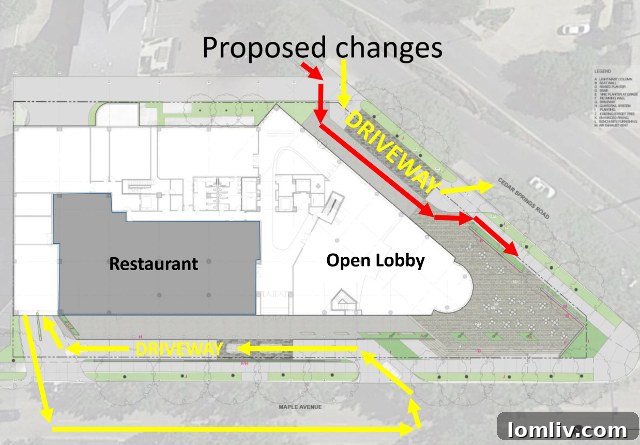
On the Cedar Springs Road frontage, depicted in the upper right quadrant of the site plans, pedestrians navigating the sidewalk are expected to undertake a notable detour. Instead of a direct, unimpeded path, they are directed around a dedicated driveway and drop-off zone, into the building’s recessed portion—a space optimistically dubbed a “promenade” by Crescent Properties—before eventually rejoining the main sidewalk at the end of this vehicular thoroughfare. This design effectively forces pedestrians into an indirect and circuitous route, clearly prioritizing vehicular access over seamless and efficient foot traffic. It transforms a simple walk into an inconvenient and potentially disorienting diversion, undermining the principles of urban walkability.
The situation on the Maple Avenue side presents an even more acute concern. During the developer’s presentation, the notion was floated that Dallas residents might not patronize a quality restaurant if they couldn’t alight from their vehicle within mere feet of the front door. While this observation about local preferences may contain some truth, the chosen solution creates significant operational and safety dilemmas. Due to spatial constraints, the design incorporates only a single lane of traffic for the entire valet operation. This singular lane is tasked with managing both drop-offs and pick-ups concurrently, a scenario inherently prone to bottlenecks, extensive traffic backups onto the street, and potential safety hazards, particularly during peak hours or when larger groups arrive.
The operational complexity escalates dramatically when valeted vehicles need to be returned to their owners. Cars exiting the underground garage are required to execute a left turn onto Maple Avenue, then make another left turn approximately 100 feet further down the street, re-entering the very same single-lane driveway—assuming, of course, that it is not already jammed with other arriving or departing vehicles. The only suggested alternative, which would entail sending returning valet traffic completely around the block (a convoluted series of five right turns), starkly highlights the inefficient and cumbersome nature of the proposed system. While the physical curb cuts on Maple Avenue remain unchanged, the projected surge in vehicular activity within this constrained area will undeniably render this stretch far more challenging and potentially hazardous for pedestrians attempting to navigate it.
A Missed Opportunity: The Case for Underground Valet Parking
An obvious and arguably more sophisticated solution for managing valet parking would have been to fully utilize the underground garage, allowing patrons to take a dedicated elevator directly to the restaurant or lobby level. This approach would significantly alleviate street-level congestion, enhance pedestrian safety, and streamline the valet process considerably. However, Crescent Properties explicitly dismissed this alternative. Their rationale was again rooted in the perception that Dallasites are “too lazy” to valet underground and then use an elevator for just one floor. This assertion, however, seems to overlook the successful implementation and widespread acceptance of similar systems in other prominent Dallas destinations, such as the bustling Arts District or the Theater District, where underground parking with direct elevator access is both standard and efficiently utilized by thousands of patrons daily.
This dismissal represents a critical missed opportunity, suggesting a prioritization of perceived driver convenience over robust urban planning and an enhanced overall pedestrian experience. It also points to a broader, ongoing challenge within Dallas development: moving beyond a deeply entrenched car-centric mindset to create truly walkable, integrated, and sustainable urban environments for all.
Community Scrutiny and the Path Forward
During the crucial Oak Lawn Committee meeting where this ambitious project was presented, it became unequivocally clear that the concerns regarding traffic patterns and pedestrian access were not merely individual observations but were broadly shared by the community. Indeed, a conservative estimate would suggest that well over 70 percent of the questions posed by committee members focused intensely on parking solutions, vehicular flow management, and comprehensive pedestrian accessibility. Strikingly, the project’s most dramatic aesthetic transformation – the replacement of the granite turret with a modern glass cylinder – generated comparatively minimal discussion. This stark contrast powerfully underscores where the true pain points and community priorities lie: in the tangible, daily experience of navigating and interacting with their urban environment.
Part of the inherent complexity in this renovation can be likened to “teaching a 1987 dog a new trick.” The original building was conceptualized and constructed in an era guided by fundamentally different urban planning philosophies. It was primarily designed as a mid-rise office building, serving a largely internal function, with its underground garage principally intended for tenant parking. It was never initially conceived to feature collaborative, publicly engaging spaces or to seamlessly integrate with a vibrant, pedestrian-focused streetscape. Consequently, the building’s existing footprint and inherent structural limitations, particularly the constrained perimeter space, significantly restrict the feasibility of implementing robust two-way driveways or more expansive, truly pedestrian-centric zones, even if one were to consider drastic measures such as removing existing trees or eliminating sidewalks altogether.
Given the overwhelming number of questions and the palpable depth of concern expressed by the Oak Lawn Committee regarding traffic patterns and pedestrian wayfinding, it is abundantly clear that Crescent Properties has not yet heard the final word on these critical issues. Future revisions, ongoing dialogue, and a more comprehensive approach will likely be necessary to address these challenges effectively. This project serves as a compelling microcosm of broader urban development dilemmas, highlighting the delicate and often contentious balance required between modernizing existing infrastructure, meeting developer objectives, and genuinely serving the evolving needs and expectations of an engaged and dynamic urban community.

Expert Insights on Dallas Real Estate and Urban Development: My professional focus consistently encompasses high-rises, homeowners associations (HOAs), and property renovations. Beyond these core areas, I maintain a deep appreciation for both modern and historical architecture, always analyzing them through the lens of urban development and the evolving YIMBY (Yes In My Backyard) movement. My commitment to insightful real estate commentary has been recognized by the National Association of Real Estate Editors, earning me three Bronze awards (2016, 2017, 2018) and two Silver awards (2016, 2017) for my writing in 2016, 2017, and 2018. If you have a compelling story to share or a pressing real estate question, please feel free to reach out via email: [email protected]. You are also welcome to look for my updates on Facebook and Twitter for more urban development discussions – while my digital footprint may sometimes be elusive, your quest is always appreciated!