Every week, the dedicated and detail-oriented team at Green Scene Home Inspections provides invaluable insights to Daltxrealestate.com readers. Our mission is to educate homeowners and prospective buyers on the critical elements of a property, uncovering what often goes unseen. Want to discover the hidden truths we find? Tune in regularly for our series, “Upon Closer Inspection.”
In the vibrant and historic neighborhoods of North Texas, particularly those featuring older homes, pier-and-beam foundations are a remarkably common sight. Unlike their slab counterparts, pier-and-beam structures create a distinctive space beneath the house – typically a foot to two feet in height – known as the crawl space. This unique architectural feature offers both advantages and potential vulnerabilities that are crucial for homeowners to understand.
Access to this sub-terrain realm is typically granted through a hatch, which might be discreetly located on the side of the house or even within the floor of a hallway or closet. While often overlooked, the crawl space serves as a critical diagnostic area for experienced home inspectors. It’s here that we gain an unobstructed view of the foundation’s performance, inspect vital plumbing lines, and hunt for tell-tale signs of pest activity or moisture intrusion. For those seeking a more comprehensive understanding of this foundation type, additional basic information about pier-and-beam foundations is readily available. This week, we delve into some of the most intriguing and concerning conditions our inspectors recently unearthed beneath a property right here in Dallas, shedding light on issues that could profoundly impact a home’s structural integrity and inhabitants’ well-being.
The Unseen Threat: Unmasking Hidden Termite Tubes
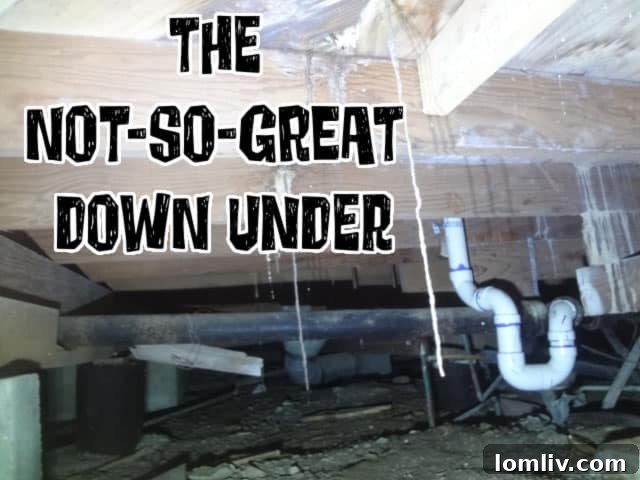
Among the various discoveries made during a thorough home inspection, finding termite tubes is always a cause for immediate concern. However, what our inspector found in this Dallas crawl space was truly exceptional and far from an everyday sighting. Termites, insidious pests known for their silent destruction, meticulously construct these distinctive mud tubes as protective highways. These intricate tunnels allow them to travel securely between their colony, their essential water sources, and, most importantly, the cellulose-rich food sources that make up your home’s wooden structure. While it’s more common to spot these tubes running along foundation walls, floor joists, or other structural elements, the long, freely hanging tubes captured in the photo above signal a more advanced and potentially widespread infestation.
These “hanging” tubes are particularly alarming because they suggest the termites have been active for an extended period, establishing complex networks to access different areas of the home. They indicate a mature colony, confident in its movements and potentially having caused significant, unseen damage to the wooden components within the floor system or even higher up in the structure. The tubes serve as a shield, protecting the delicate termites from predators, desiccation, and light as they tirelessly commute to and from their subterranean nests to feast on your home’s timber. Discovering such extensive tubing necessitates immediate and professional intervention. Ignoring these signs can lead to severe structural compromise, necessitating costly repairs and potentially devaluing the property. A professional pest control specialist will be able to assess the extent of the infestation, identify entry points, and implement effective treatment strategies to eradicate the colony and prevent future incursions. Early detection, though challenging in hidden spaces, is paramount in mitigating long-term damage and protecting your most valuable asset.
The Illusion of Stability: A Closer Look at Substandard Foundation “Repair”
It’s an undeniable fact that pier-and-beam foundations, especially prevalent in older homes across North Texas, are susceptible to some degree of movement or shift over time. Factors such as expansive clay soils, fluctuating moisture levels, and the natural aging of building materials can all contribute to settling. When this occurs, proper foundation repair becomes essential to maintain the structural integrity and stability of the home. The professional and correct approach involves carefully assessing any damaged wooden components, such as sills or floor joists, and replacing them. Subsequently, the pier supports are carefully adjusted and stabilized, often using durable shims made of steel, concrete, or treated wood, precisely placed to re-level the structure.
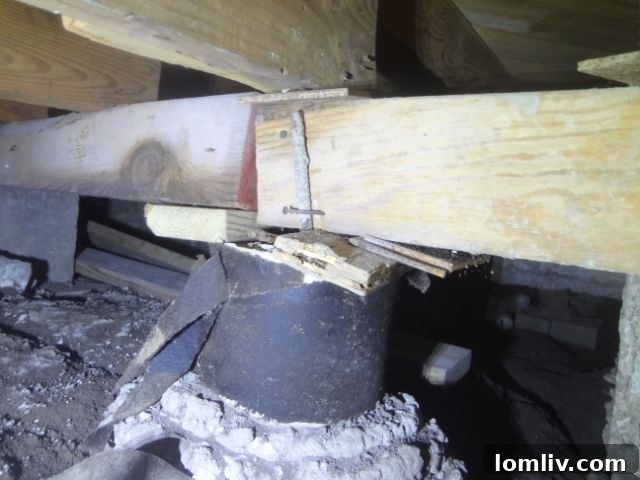
However, what our inspector uncovered in this particular crawl space was a stark illustration of inadequate, almost comically poor, repair work. The “repair” depicted in this photo is less of a structural solution and more akin to the classic, temporary fix of stuffing sugar packets or folded napkins under a wobbly table in a restaurant. This makeshift approach, lacking any semblance of engineering precision or durability, offers only fleeting relief and absolutely no long-term stability. Instead of providing robust, lasting support, such shoddy work leaves the foundation vulnerable to continued shifting, uneven settling, and further damage. It’s a Band-Aid solution where a surgical intervention is required.
The consequences of such subpar repairs extend far beyond mere aesthetics. They can lead to a host of structural problems, including cracking in interior walls and ceilings, sticking doors and windows, and uneven or sloping floors. More critically, they compromise the overall safety and stability of the house, potentially creating hazards for its occupants. Moreover, these cosmetic fixes often mask deeper, unresolved issues, making future, legitimate repairs even more complex and expensive. When it comes to foundation work, there is no substitute for certified, experienced professionals who utilize appropriate materials and techniques to ensure the long-term health and safety of your home. Cutting corners on foundation repair is a false economy that almost always results in greater costs and headaches down the line.
The Silent Destroyer: The Perils of Too Much Moisture in the Crawl Space
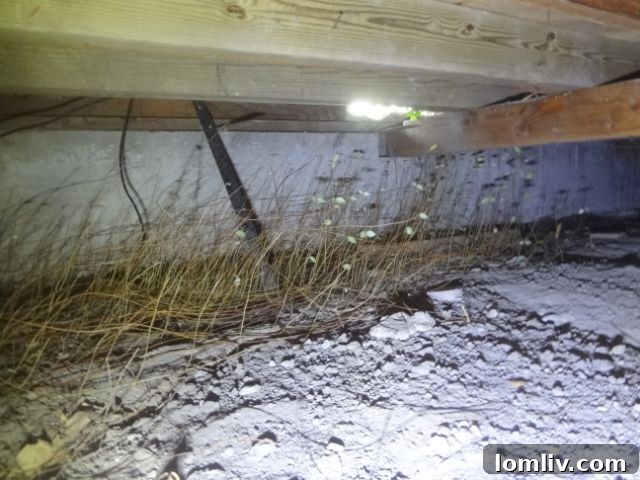
The crawl space beneath a home acts as a buffer between the ground and the living areas, and its environmental conditions are paramount to the overall health of the entire structure. During our inspection, a particularly revealing discovery was made in another section of the crawl space: thriving weeds. The presence of plant life in such an environment is a definitive and unequivocal indicator that excessive moisture is accumulating beneath the house. This isn’t merely an aesthetic concern; it’s a profound red flag signalling a multitude of potential structural and health hazards.
If weeds can flourish in the dark, confined space, then mold and mildew can certainly proliferate with alarming speed. These fungal growths not only pose significant health risks to occupants, potentially exacerbating allergies, asthma, and other respiratory issues, but they also contribute to the degradation of organic materials. Beyond mold, unchecked moisture leads to wood rot, which can severely compromise the integrity of floor joists, subflooring, and support beams, weakening the entire structure of the home over time. Furthermore, damp conditions are a magnet for various pests, including termites and carpenter ants who seek moist wood, as well as rodents and cockroaches, creating a thriving ecosystem for unwanted guests.
The sources of excessive moisture can be varied and often hidden. They might include leaky plumbing pipes, inadequate exterior grading that directs rainwater towards the foundation, faulty or clogged gutters, a high water table, condensation from HVAC systems, or even simply high ambient humidity permeating through the ground. The weeds themselves, while a symptom, can also become problematic, potentially interfering with existing wiring, insulation, or even growing into the wooden structural elements, further compromising their integrity.
It is critically important to not only identify the source of this moisture but also to implement effective mitigation strategies to seal it off and prevent future accumulation. This could involve repairing leaks, improving landscape grading to ensure proper drainage away from the foundation, installing French drains, or implementing a comprehensive crawl space encapsulation system with a vapor barrier and possibly a dehumidifier. Proactive management of crawl space moisture is fundamental to protecting your home’s foundation, preserving structural elements, maintaining indoor air quality, and preventing costly future repairs. Our inspectors are trained to pinpoint these issues and recommend appropriate courses of action to safeguard your investment.
To further illustrate the complexity of crawl space issues and the collaborative efforts often required for effective solutions, we invite you to watch this insightful video. Here, one of our experienced inspectors ventures into a crawl space alongside a seasoned foundation repair specialist to meticulously identify the root cause of an uneven door jamb – a common symptom of foundation distress.
Understanding the conditions in your crawl space is not just about spotting problems; it’s about proactive home maintenance and safeguarding your investment. From the silent destruction of termites to the structural risks posed by amateur repairs and pervasive moisture, the crawl space offers a profound glimpse into the overall health of your property. Green Scene Home Inspections is committed to providing comprehensive, unbiased assessments, empowering homeowners and buyers with the knowledge needed to make informed decisions. Don’t let hidden issues undermine your home’s stability and value. Schedule a professional home inspection today and ensure your home’s foundation is as sound as it appears.