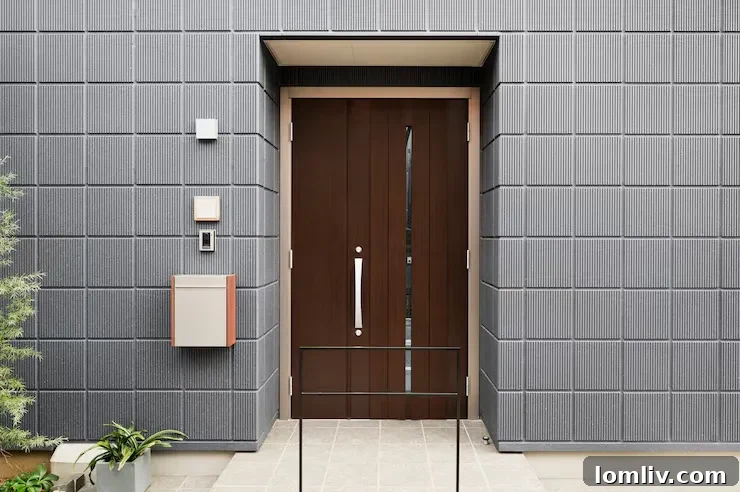
Embarking on a home renovation project often stirs dreams of freshly painted walls, sparkling new kitchen appliances, and luxurious bathroom fixtures. Yet, one fundamental element frequently takes a backseat in these exciting plans: doors. Far more than mere entry points, doors play a pivotal role in defining a home’s aesthetic, ensuring security, optimizing energy efficiency, and contributing significantly to its overall value and functionality.
Whether you’re contemplating replacing an aging front door, introducing elegant French doors, or simply exploring the vast world of door options, a foundational understanding of door types, materials, and especially accurate measurements is paramount. Overlooking these crucial details can lead to costly mistakes, compromised aesthetics, and even safety concerns. This comprehensive guide will delve into the enduring appeal of wood doors, the timeless elegance of French doors, and provide the essential insights you need to make informed decisions for your home improvement journey. We’ll ensure you understand the nuances, avoid common pitfalls, and ultimately choose doors that enhance your living space for years to come.
The Timeless Appeal: Why Wood Doors Still Reign Supreme in Modern Homes
In an era brimming with synthetic materials and minimalist designs, wood doors continue to stand out, embodying a unique blend of warmth, character, and enduring style. They offer a tangible connection to nature and an unparalleled sense of permanence that synthetic alternatives simply cannot replicate. From the deep, rich tones of walnut to the rustic charm of reclaimed oak, wood doors possess an inherent beauty that instantly elevates any space, making a powerful statement whether at the entrance or within the home’s interior.
Beyond Aesthetics: Unpacking the Practical Advantages of Wood Doors
While their visual appeal is undeniable, modern wood doors are far more than just pretty faces; they are a testament to superior craftsmanship and advanced engineering. Contemporary manufacturing processes, coupled with innovative sealing, insulating, and finishing techniques, have dramatically enhanced wood’s natural properties. This results in doors that offer exceptional resistance to warping, cracking, and damage from environmental elements, ensuring longevity and sustained performance.
For homeowners prioritizing comfort and efficiency, wood doors are an ideal choice. Their natural density provides excellent thermal insulation, helping to maintain stable indoor temperatures and reducing energy consumption. This inherent quality also makes them highly effective sound barriers, perfect for creating quiet retreats within busy homes or mitigating external noise intrusion. Furthermore, solid wood doors offer a robust layer of security, making them a preferred option for main entryways where protection is paramount.
Versatility in Design and Customization
One of the most compelling advantages of wood is its extraordinary versatility. Regardless of your home’s architectural style—be it sleek and contemporary, traditional and ornate, rustic farmhouse, or urban industrial—there is a wood door design to complement it perfectly. You can opt for clean lines and minimalist panels for a modern look, or intricate carvings and decorative glass inserts for a more classic aesthetic. The ability to paint, stain, or refinish a wood door offers unparalleled customization. This means your door can evolve with your home’s decor over the years, allowing for fresh looks without the need for complete replacement. This adaptability ensures that wood doors remain a relevant and stylish choice, capable of seamlessly integrating into any design vision.
If you’re considering upgrading your entryway or customizing your interior spaces, exploring the range of wood doors from reputable manufacturers like Hotian Windows is a solid investment worth exploring. Their commitment to quality ensures both beauty and durability.
The Allure of French Doors: Beauty, Light, and the Critical Role of Sizing
French doors are synonymous with elegance, sophistication, and a seamless connection between different living spaces. Characterized by their multiple glass panes extending along their full length, they are celebrated for their ability to flood rooms with natural light, create a sense of expansive openness, and effortlessly link indoor environments with outdoor havens like patios, gardens, or balconies. The graceful swing of French doors can transform an ordinary doorway into a focal point, adding architectural interest and enhancing the overall flow of a home.
Why Accurate Measurements are Non-Negotiable for French Doors
While the aesthetic benefits of French doors are undeniable, realizing them hinges almost entirely on one crucial, yet often underestimated, detail: precise sizing. Many homeowners are surprised to learn that French doors come in a wide array of dimensions, and a “standard size” can vary significantly. An incorrect measurement can turn a dream installation into a frustrating and costly nightmare, resulting in doors that scrape floors, obstruct furniture, or fail to seal properly.
Before you even begin browsing styles, the first critical step is to meticulously measure your space. Consider not only the width and height of the opening but also the swing direction (inward or outward), and the amount of clear space available on both sides of the door once it’s open. This foresight prevents functional issues and ensures your new doors integrate flawlessly into your home.
Key Dimensions and How to Measure Them
Here’s a breakdown of the essential measurements you’ll need to know for French doors:
- Width: French doors typically come in total widths ranging from 60 to 72 inches, meaning each individual panel is usually between 30 and 36 inches wide. However, custom sizes are also available.
- Height: The standard height for French doors is 80 inches, but 96 inches is becoming increasingly popular, especially for homes with taller ceilings, to create a grander, more open feel.
- Thickness: Most French door panels are approximately 1¾ inches thick, though this can vary slightly by manufacturer and material.
Beyond these general dimensions, specific measurements of your existing opening are critical for a perfect fit:
- The Rough Opening: This is the measurement from stud to stud (width) and subfloor to header (height) within the wall where the door will be installed. It’s crucial for understanding the maximum space available for your door frame.
- The Jamb Depth: This measurement refers to the thickness of the wall, from the interior finished surface to the exterior finished surface. It determines the correct door frame depth needed to fit flush with your walls.
- The Swing Direction: Decide whether the doors will swing inward or outward, and which panel will be the primary operating door. This impacts hardware placement and clearance.
- The Clearance: Account for adequate space around the door for handles, trim, curtains, and any nearby walls or furniture. Ensure the door won’t obstruct pathways or hit anything when fully open.
To eliminate guesswork and ensure accuracy, it’s highly recommended to utilize a detailed measuring checklist or, better yet, consult a professional installer before placing your order. For specific guidance tailored to various home layouts and comprehensive resources on sizing, explore detailed information on French door size provided by Hotian Windows.
Choosing What Works Best: Wood Doors vs. French Doors for Your Home
The decision between solid wood doors and French doors (or strategically incorporating both) is a nuanced one, influenced by a blend of your personal lifestyle, your home’s architectural style, its geographical location, and your individual aesthetic preferences. Each door type offers distinct advantages tailored to specific needs and areas within your home.
Cost Considerations: An Overview of Door and Installation Expenses
Understanding the financial commitment is a vital part of the planning process. Prices can vary significantly based on material quality, wood species, glass type, custom features, brand prestige, and installation complexity. Here’s a general cost breakdown:
- Solid Wood Entry Doors: Expect to pay anywhere from $800 to $5,000 or more. Exotic wood species, custom designs, and premium finishes will naturally increase the cost.
- Interior French Doors: These typically range from $400 to $2,000, depending on the number of panels, glass type (e.g., clear, frosted, tempered), and material (wood, MDF, composite).
- Exterior French Doors: Given their need for enhanced weather resistance and security, exterior French doors usually cost between $1,500 and $6,000 or more, especially when opting for high-end brands like Pella or Marvin, or custom sizes.
- Installation: For standard single doors, installation costs can range from $300 to $700. French doors, particularly exterior ones that may require framing adjustments or drywall work, can incur installation costs of $1,000 or more due to their complexity and the need for precision.
It’s crucial to acknowledge the current economic landscape: wood door prices, like many building materials, have seen significant increases, with some estimates pointing to a jump of 49% since 2020. Always factor in inflation and supply chain realities when budgeting for your project, and obtain multiple quotes.
Strategic Placement: Where Each Door Type Excels
To maximize the benefits of each door type, consider their optimal placement and function within your home:
- Opt for Solid Wood Doors When:
- You need a secure and insulated entryway: A solid wood front door provides superior security, excellent thermal insulation, and a powerful first impression.
- Privacy and soundproofing are priorities for interior spaces: Ideal for bedrooms, home offices, or media rooms where noise reduction and personal space are desired.
- You want to make a dramatic statement: Custom finishes, intricate carvings, and unique hardware on a wood door can create an unforgettable entryway.
- Durability and longevity are paramount: With proper care, a high-quality wood door can last for decades, becoming a cherished part of your home.
- Choose French Doors When:
- Transitioning between indoor and outdoor areas: Perfect for connecting living rooms to patios, kitchens to gardens, or dining rooms to balconies, inviting the outdoors in.
- Creating visual openness without sacrificing separation: They allow light and sightlines to flow between two rooms (e.g., dining room and living room) while still offering the option to close off space for privacy or climate control.
- Maximizing natural daylight in darker spaces: The extensive glass panels brighten up interior rooms that might otherwise feel enclosed or dim.
- Adding architectural elegance and a sense of grandeur: French doors inherently elevate the sophistication of any room they grace.
Avoiding Costly Door Mistakes: A Smart Homeowner’s Guide
In the excitement of a home renovation, it’s remarkably easy to overlook critical details when selecting new doors, especially when aesthetics take precedence over practicalities. Making the wrong choice can lead to significant financial setbacks, functional inconveniences, and even compromise your home’s integrity. Here are some of the most common and expensive door mistakes homeowners often make, and how to avoid them:
- Skipping the Re-measure: Assuming “standard sizes” will fit without verifying your actual opening is a recipe for disaster. Wall constructions can vary, and even a slight discrepancy can make installation impossible or require costly structural modifications. Always measure (and re-measure!) your rough opening, jamb depth, and clearances. Your wall doesn’t care about generic dimensions.
- Choosing Style Over Function: While a door’s appearance is important, it should never come at the expense of functionality. A stunning door that perpetually scrapes the floor, blocks essential airflow, impedes furniture arrangement, or constantly bangs into nearby walls is more of a hindrance than a feature. Consider how the door will operate in daily life, its swing radius, and its impact on the surrounding space before falling in love with a design.
- Ignoring Your Climate: The local weather conditions should heavily influence your door material and finish choices. Harsh, direct sunlight can cause certain woods to fade or warp. Driving rain demands doors with superior waterproofing and robust seals. Extreme temperature fluctuations necessitate excellent insulation properties. Failing to account for your climate can lead to premature wear, energy loss, and costly repairs down the line. Choose materials and finishes specifically rated for your environmental conditions.
- DIYing the Wrong Job: While installing interior slab doors might be a manageable DIY project for a handy homeowner, more complex installations like exterior entry doors or French doors are best left to professionals. These jobs require precise measurements, expert framing, proper sealing, and often specialized tools to ensure correct alignment, security, and energy efficiency. An improperly installed exterior door can lead to drafts, water infiltration, security vulnerabilities, and voided warranties. Save yourself stress and potential expenses by knowing when to call a professional.
- Overlooking Hardware Compatibility: The right hinges, handles, and locks are crucial for both function and security. Ensure that the hardware you choose is compatible with your door’s material and thickness, and that it meets security standards for exterior applications. Cheap hardware can quickly fail, compromising both convenience and safety.
- Neglecting Maintenance Requirements: All doors require some level of maintenance, but some materials and finishes demand more than others. Understand the upkeep necessary for your chosen door type (e.g., periodic sealing for wood, cleaning for glass) and commit to it. Neglecting maintenance can drastically shorten a door’s lifespan and diminish its appearance.
Doors: More Than Just Openings, They Are Investments
When you embark on home improvements, it’s essential to shift your perspective on doors from mere utilitarian openings to significant architectural and functional investments. An thoughtfully chosen front door isn’t just a barrier; it’s the welcoming face of your home, setting the tone for what lies within. Similarly, interior doors contribute profoundly to the flow, privacy, and aesthetic coherence of your living spaces. They add both immediate style and long-term tangible value to your property.
Whether your heart is set on the robust elegance of solid wood doors or the airy grace of French doors, the key to a purchase that remains valuable for years to come lies in meticulous planning and informed decision-making. Don’t rush the process. Take the time to research, measure accurately, understand the implications of different materials, and factor in installation complexities. When uncertainty arises, leverage the wealth of resources, insights, and expert guidance available from trusted providers like Hotian Windows. In the grand tapestry of your home, it’s truly the details that count, and that emphatically includes the doors that punctuate and define every space within it.