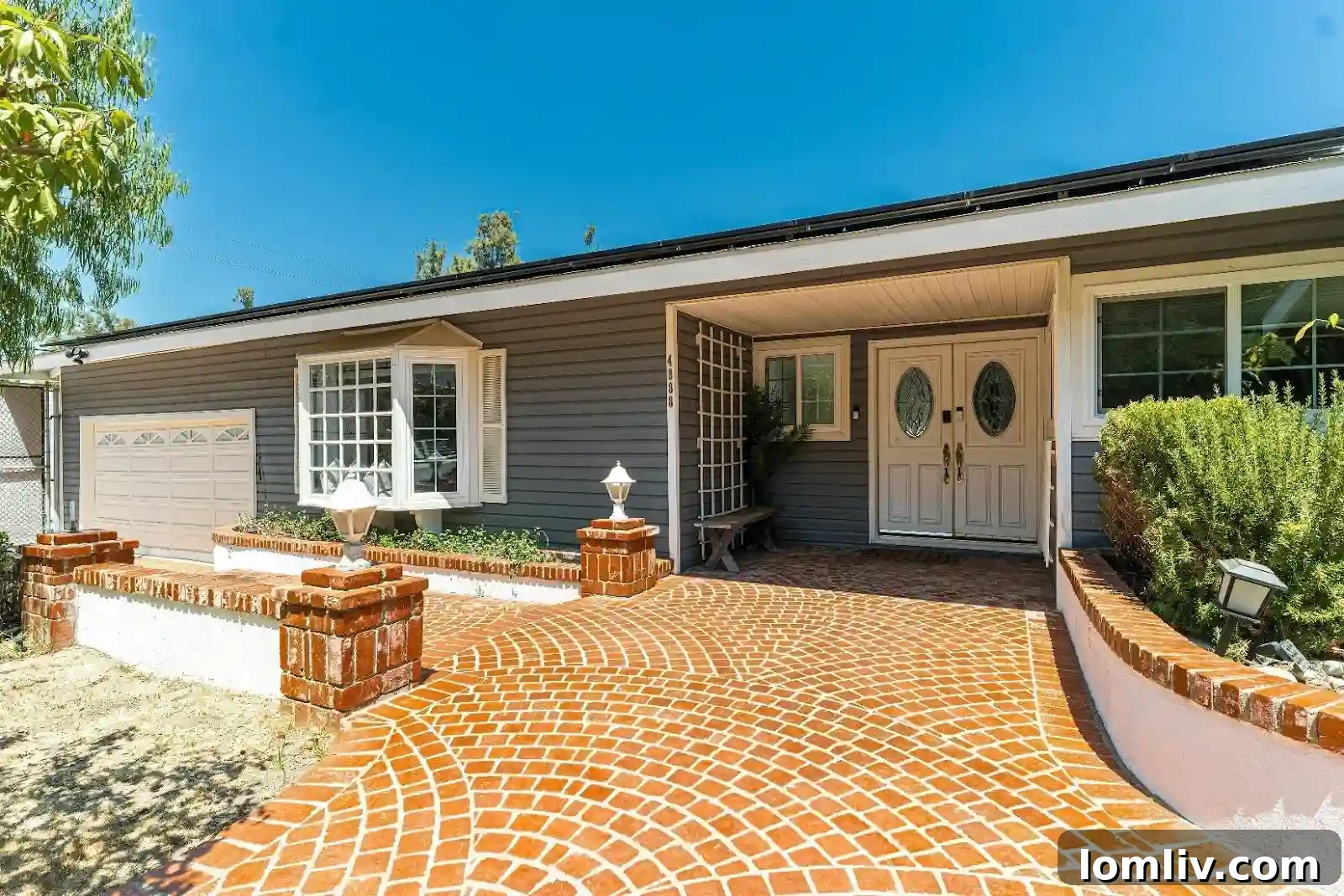
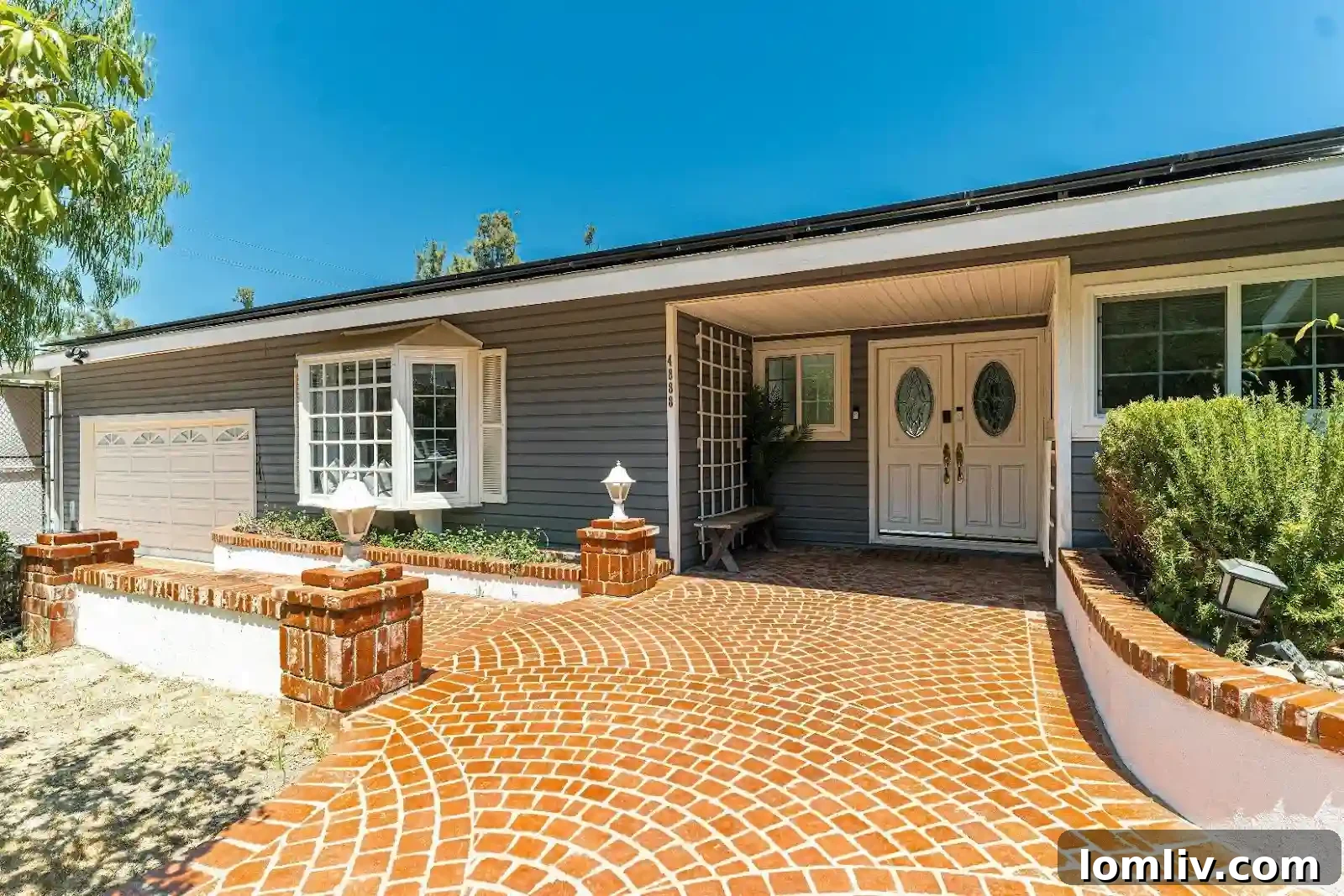
Embarking on a home renovation project is an exciting journey, promising to transform your living space, tailor it to your evolving tastes, and significantly boost its market value. While the allure of a refreshed home is strong, navigating the renovation process can be complex. Without meticulous planning and a well-structured timeline, what starts as a dream can quickly devolve into a drawn-out, stressful ordeal. The true beauty of a renovation extends beyond stunning craftsmanship; it lies in the seamless orchestration of tasks, materials, and professionals.
A comprehensive renovation timeline is the cornerstone of any successful home improvement project. It acts as your strategic roadmap, ensuring every phase is coordinated, contractors operate efficiently, materials arrive precisely when needed, and your budget remains firmly on track. Whether you’re remodeling a single room or undertaking a full-scale house overhaul, mastering your renovation timeline is paramount for achieving a smooth, efficient, and ultimately rewarding experience. Here’s a detailed guide to help you achieve a flawless renovation timeline.
Define Your Vision with Clear, Attainable Goals
The very first step in any home renovation project is to clearly define your objectives. Before you lift a single hammer or consult with a designer, ask yourself: What do I want to achieve? Is your aim to add aesthetic charm, optimize functional space, enhance energy efficiency, or address underlying structural issues? Articulating these priorities will serve as your guiding compass, influencing every subsequent decision, from material selection and design choices to budget allocation and the overall project scope.
Consider the long-term impact of your renovation. For instance, if you’re upgrading your home’s exterior, structural modifications might affect vital components like your roofing system. A durable, aesthetically pleasing, and structurally sound roof is not merely a covering; it’s the bedrock of your home’s integrity. Engaging a reputable roofing contractor early in the planning phase can ensure that any renovation work integrates seamlessly with your existing structure, preventing future complications that could derail your timeline and incur unexpected costs. Proactively addressing potential issues like roof repairs or replacements during the renovation can save significant time and money down the line, ensuring your project remains on schedule and within budget.
Collaborate with Professionals for an Expert Design and Execution Plan
Once your renovation goals are firmly established, the next crucial step is to translate these aspirations into a tangible, actionable design. This is where the expertise of an architect or interior designer becomes invaluable. These professionals possess the creative vision and technical knowledge to maximize your space’s potential, ensuring that your design adheres to all relevant building codes and regulations, and culminates in a cohesive aesthetic that perfectly aligns with your personal vision. Their involvement often leads to more innovative solutions and helps avoid costly mistakes.
A well-developed design plan goes beyond mere aesthetics; it acts as a comprehensive blueprint for your contractors, guiding every phase of the construction process. Your designer can offer expert advice on material selection, interior layout optimization, lighting schemes, and finishing touches, all while working within your budgetary constraints. Their insights can help you identify cost-effective alternatives without compromising on quality or style. This level of meticulous planning significantly minimizes the likelihood of mid-project changes – those expensive, time-consuming alterations that often plague poorly planned renovations. Investing in professional design at the outset is an investment in efficiency and peace of mind.
Cultivate Realism and Flexibility in Your Renovation Timeline
Determining the duration of your renovation hinges on striking a crucial balance between ambition and practical reality. While the desire to complete the project swiftly is understandable, rushing can lead to compromises in quality, costly errors, and increased stress. Conversely, an overly generous timeline can strain your budget through extended labor costs and unnecessary inconvenience. The key to a successful home renovation timeline lies in being both realistic about expectations and flexible enough to adapt to unforeseen circumstances.
Begin by meticulously breaking down your entire project into distinct, manageable phases: demolition, structural work, rough-ins (plumbing, electrical, HVAC), insulation, drywall, flooring, cabinetry, painting, and final fixtures. Each phase demands careful planning to prevent overlaps, minimize downtime, and ensure a logical progression. For example, all essential utilities, like plumbing and electrical systems, must be installed and inspected following structural repairs and before walls are closed up. Finishing elements such as flooring and custom cabinetry should only be installed once these foundational systems are securely in place.
Engage in open and honest discussions about the timeline with your chosen contractors. Their experience will provide invaluable insights into the typical duration of each phase and help identify potential bottlenecks, such as extended material lead times, supply chain disruptions, or seasonal weather delays. Crucially, build a contingency buffer into your schedule – an extra 10-20% of time – specifically for unexpected challenges. This strategic foresight will not only help you stay on track but also significantly reduce stress when inevitable surprises arise, allowing for a smoother adaptation process.
Secure Necessary Permits and Approvals Proactively
A frequently overlooked yet absolutely critical component of any significant home renovation is the acquisition of necessary permits and approvals. For projects involving structural changes, significant plumbing overhauls, or extensive electrical work, obtaining the proper permits from your local municipality is not optional – it’s a legal requirement. Ignoring this step can lead to hefty fines, mandated rework, and even the complete halt of your project, creating immense frustration and significant delays.
It’s important to recognize that the permit application and approval process is rarely instantaneous. It often involves detailed plan reviews, multiple inspections, and can take several weeks or even months depending on the project’s complexity and local regulations. Therefore, initiating this process as early as possible in your timeline is paramount. A proactive approach here prevents costly hold-ups during critical construction phases.
To streamline this often-complex administrative task, it is highly advisable to partner with contractors who possess extensive experience and a deep understanding of local building codes and permitting requirements. They can expertly identify precisely which permits are needed for your specific project, assist with the meticulous submission of applications, and coordinate all required inspections at the appropriate stages. This proactive management ensures your project remains legally compliant, proceeds without undue interruption, and adheres to the highest safety standards, fostering a more efficient and stress-free renovation journey.
Actively Monitor Progress and Maintain Engagement
Throughout the renovation, your active involvement and vigilant monitoring are essential to sustain momentum, uphold quality standards, and ensure the project progresses according to your vision. Regular site visits are not just about checking up; they provide opportunities to observe progress firsthand, address any emerging issues promptly, and verify that the work aligns with your expectations and the agreed-upon specifications. Open, consistent communication with your contractor is non-negotiable; it fosters an environment where questions can be answered, concerns can be raised, and potential problems can be resolved quickly and collaboratively, preventing minor issues from escalating.
Being proactive also extends to making timely decisions on finishes, fixtures, and materials. Often, these aesthetic choices are finalized in the later stages of a project. However, delaying these decisions can create a detrimental domino effect, pushing back installation schedules, causing workers to wait, and inevitably extending your overall timeline. By staying ahead of these choices, you empower your team to maintain efficiency and keep the project flowing smoothly, ensuring your home renovation stays on track.
Celebrate the Final Details: The Culmination of Your Vision
The concluding stages of your renovation project are where your vision truly comes to life, as the finishing touches transform a construction site into a welcoming home. This phase involves critical decisions regarding painting schemes, furnishing selections, and decorative elements that infuse personality and warmth into your newly revitalized space. While it’s common to experience a surge of eagerness and even restlessness as the project nears completion, maintaining a keen focus on quality and detail during these final steps is crucial for a truly satisfying outcome.
Before making the final payment, schedule a thorough walk-through with your contractor. This is your opportunity to meticulously inspect every aspect of the work, from the precise alignment of tiles and the flawless application of paint to the optimal functionality of all installed systems and appliances. Compile a “punch list” of any items that require correction or adjustment, no matter how small. Ensuring that all work is completed exactly to your specifications and that every item on the punch list is addressed guarantees that the final product not only meets but exceeds your expectations. Only when the last detail is perfected and you are completely satisfied can the project be truly considered finished, allowing you to fully enjoy and reap the immense rewards of your investment and effort.
A well-executed home renovation timeline is the culmination of foresight, meticulous organization, and a willingness to embrace flexibility. By setting unequivocally clear goals, partnering with experienced professionals, and proactively addressing critical elements such as structural repairs and necessary permits early in the process, you can skillfully navigate common pitfalls and ensure a far smoother, more enjoyable renovation experience. Remember, a truly successful renovation is as much about the journey itself – the planning, the problem-solving, and the anticipation – as it is about the breathtaking final destination.
Thoughtful planning, coupled with a realistic and adaptable timeline, will not only manifest the dream living space you envision but also transform the entire process of building it into a genuinely rewarding and pleasurable endeavor. From the initial coordination with contractors and overcoming unexpected challenges to the thrilling final reveal, every step of this transformative journey contributes to the unique story of your home. Therefore, plan diligently, collaborate with trusted experts, and wholeheartedly embrace the incredible transformation that lies ahead. Executed with care and precision, your renovation will undoubtedly do more than just improve your living space; it will significantly enhance your quality of life for many cherished years to come.