Navigating Urban Wildlife: A Guide to Coyotes and Bobcats in Dallas
Dallas, with its expanding urban landscape, offers a unique blend of city life and natural beauty. However, this proximity often means sharing our neighborhoods with local wildlife, including intelligent and adaptable creatures like coyotes and bobcats. Residents in areas such as Hillcrest Estates and Preston Hollow are increasingly encountering these animals, leading to important discussions about pet safety, human interaction, and peaceful coexistence.
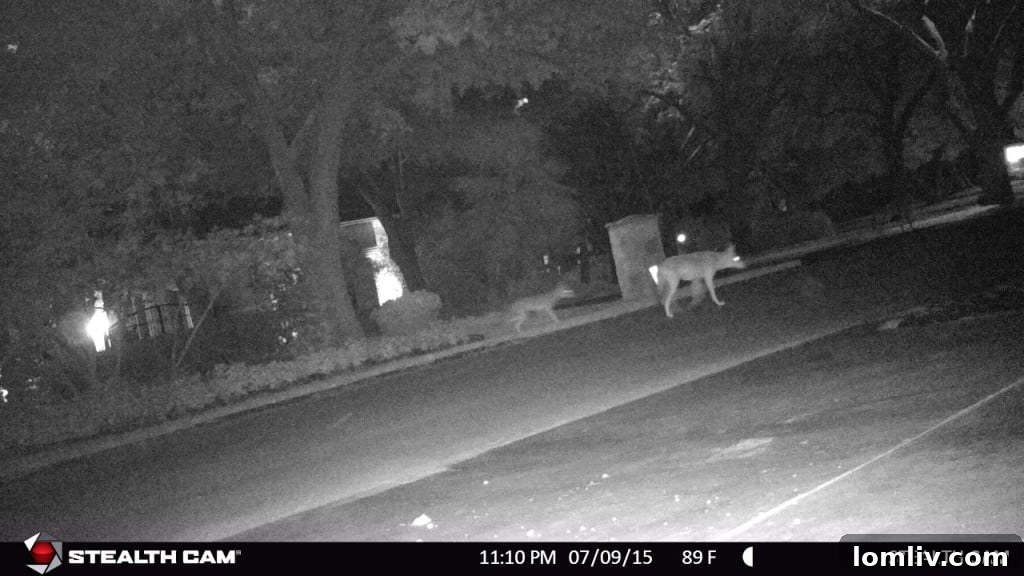
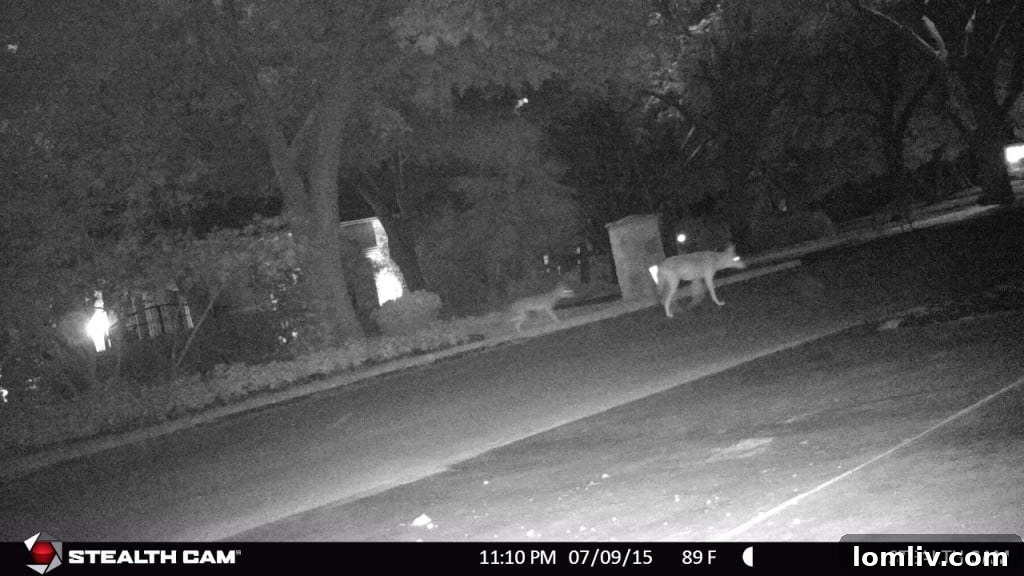
Recently, residents in these North Dallas communities have reported numerous sightings of coyotes and bobcats, often in broad daylight. These encounters bring a mix of fascination and concern, especially after incidents like the tragic loss of a 25-pound dog in our neighborhood, an event wildlife experts attribute to coyotes. While another neighbor famously tracked a large bobcat, the evidence suggests coyotes are the primary threat to domestic pets.
Understanding the Urban Predator: Coyotes in Dallas
Coyotes are highly adaptable canids that have successfully integrated into urban environments across North America, and Dallas is no exception. Their presence in neighborhoods like Hillcrest Estates and Preston Hollow is a testament to their ability to find food, water, and shelter amidst human development. These animals are opportunistic hunters, and while their diet primarily consists of rodents, rabbits, and other small mammals, they are known to prey on unattended domestic pets, particularly small dogs and cats.
The increase in coyote sightings, often close to homes, is a significant concern for pet owners. The heartbreaking incident involving the 25-pound dog serves as a stark reminder of the potential dangers. Coyotes often hunt alone or in small packs, and their stealthy nature allows them to approach unnoticed, especially during dawn, dusk, or even at night. For the safety of our beloved companions, understanding coyote behavior and implementing preventative measures is crucial.
Unlike their rural counterparts, urban coyotes have grown accustomed to human presence. Wildlife experts, including Bonnie Bradshaw of Wildlife 911, emphasize that coyotes in cities often show little fear. This learned behavior is a direct result of living in environments where humans pose no threat, allowing them to operate more openly and boldly than coyotes in rural areas who face lethal consequences for similar actions. This increasing boldness can lead to more frequent and sometimes alarming encounters.
Bobcats: The Elusive Feline Neighbor
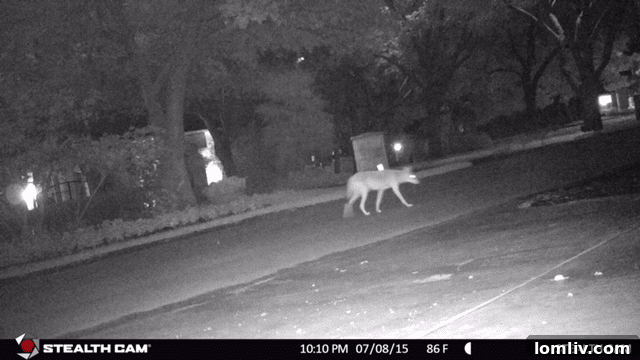
While often grouped with coyotes when discussing urban wildlife, bobcats present a different set of challenges and behaviors. These beautiful, secretive felines are also thriving in Dallas neighborhoods. However, as Bonnie Bradshaw points out, bobcats are generally not considered a threat to dogs or cats. Their primary diet consists of smaller prey such as squirrels, rats, and rabbits, which are abundant in urban and suburban landscapes. The bobcat that a neighbor managed to capture on film, though impressive, is more likely an indicator of a healthy ecosystem rather than a direct threat to larger pets.
Bobcats, much like coyotes, have learned to coexist with humans in urban environments. They appreciate the steady food supply and the relative lack of threats compared to their rural habitats. Their presence, while less concerning for pet safety than coyotes, still underscores the broader issue of urban sprawl encroaching on natural habitats, bringing wildlife closer to human residences.
To deter both bobcats and coyotes, wildlife experts offer a simple but effective piece of advice: make a lot of noise. These animals, despite their adaptability, generally prefer to avoid direct confrontation with humans. Sudden loud noises can often startle them and encourage them to move away from your property.
Most urban bobcats weigh no more than 25 pounds and hunt rabbit, rats and squirrels, according to Bradshaw. They live in urban environments rather than rural ones because cities tend to have a good food supply.
“The main reason we see so many coyotes and bobcats in broad daylight in the city is because they are very intelligent animals and they’ve learned in the city there are no consequences,” Bradshaw said, “in a rural area, if a bobcat or coyote shows itself around people – it gets shot, it gets eliminated from the gene pool – but coyotes and bobcats in the city have learned that people are no threat. They show themselves in the middle of the day and all that happens is they get their picture taken.”
When Wildlife Gets Too Close: Human-Wildlife Encounters
While the focus is often on pet safety, there are instances where urban wildlife can directly interact with humans, raising the level of concern. A notable incident reported by KXAS involved a coyote biting a teenager in a Grapevine movie theater parking lot. The 15-year-old boy recounted how a coyote emerged from bushes, approached him, and bit his toes after he attempted to scare it away. This kind of aggressive behavior towards humans is exceedingly rare and considered highly unusual by most wildlife experts.
Such isolated incidents, however unsettling, serve as critical reminders for vigilance. The general consensus among wildlife experts is that coyotes typically shy away from humans. Attacks are often a result of rabies, habituation to human feeding, or feeling cornered. The increasing frequency of sightings, coupled with the apparent lack of fear from these animals in urban settings, inevitably leads to the question: are they simply getting more brazen?
The answer, according to experts like Bonnie Bradshaw, is a resounding yes. Without natural predators or the threat of hunting, urban wildlife, particularly coyotes, learn that humans pose no danger. This desensitization can lead to bolder behavior, where they might approach people, raid trash bins in daylight, or even show aggression if they feel their territory or young are threatened. This shift in behavior necessitates a proactive approach from residents to minimize potential conflicts and ensure the safety of both humans and pets.
Strategies for Safe Coexistence: Protecting Pets and People
Living alongside urban wildlife requires awareness, responsibility, and consistent effort. Here are actionable steps residents in Dallas neighborhoods like Hillcrest Estates and Preston Hollow can take to foster safe coexistence with coyotes and bobcats:
1. Secure Your Property
- Fencing: Install sturdy fences that are at least 6 feet high and extend at least 6 inches below ground to prevent digging. Coyotes are agile and can jump or dig under fences.
- Eliminate Food Sources: Secure trash cans with wildlife-proof lids. Avoid leaving pet food or water bowls outside, especially overnight. Clean up fallen fruit from trees and secure compost bins.
- Clear Brush: Keep yards clear of dense brush, tall weeds, and woodpiles, which can serve as hiding spots or dens for wildlife.
2. Protect Your Pets
- Supervise Outdoors: Never leave pets unattended outdoors, especially small dogs and cats, even in fenced yards. Coyotes can easily jump or climb fences.
- Leash Walks: Always keep dogs on a leash when walking, particularly in areas known for wildlife sightings.
- Nighttime Safety: Bring pets indoors at night. This is when coyotes are most active.
- Small Pet Protection: Consider using coyote vests or deterrent collars for very small dogs if they must be outside briefly, but direct supervision remains the best protection.
3. Deterrent Techniques (Hazing)
- Make Noise: If you spot a coyote or bobcat, make loud noises (shout, clap, blow a whistle) to scare it away. This reinforces their natural fear of humans.
- Appear Large: Wave your arms and try to make yourself look bigger.
- Throw Objects: Throw small rocks, sticks, or other objects near, but not at, the animal to scare it off.
- Water Hoses: A strong spray from a garden hose can also be an effective deterrent.
4. Educate Yourself and Your Community
- Stay Informed: Be aware of wildlife sightings in your area. Community forums and local news can provide valuable updates. Understanding local wildlife patterns is key to prevention.
- Share Information: Talk to your neighbors about these strategies. A collective effort is more effective than individual actions.
- Report Aggressive Behavior: If you encounter a coyote or bobcat that exhibits unusually bold or aggressive behavior towards humans or pets, contact local animal control or wildlife authorities immediately. This could indicate illness or habituation to humans.
Conclusion: A Call for Vigilance and Understanding
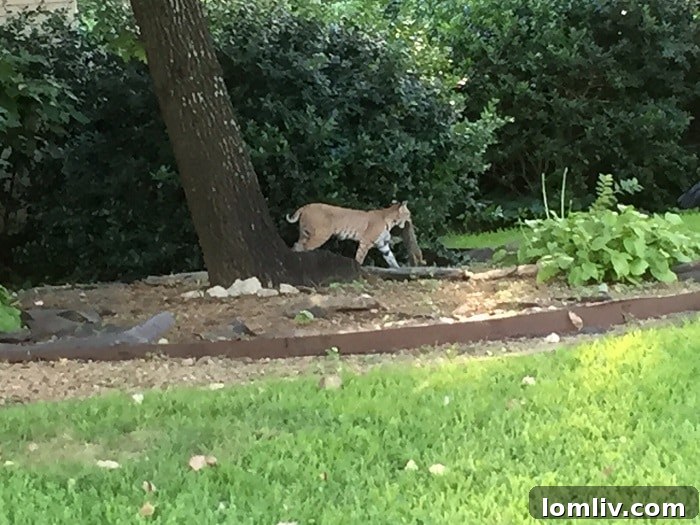
The increasing presence of urban wildlife, particularly coyotes and bobcats, in Dallas neighborhoods like Hillcrest Estates and Preston Hollow is a reality we must learn to manage. While these animals play an important role in the ecosystem, their adaptability to urban environments means they can become a concern for pet owners and, in rare instances, even humans. By understanding their behavior, implementing proactive safety measures, and encouraging community-wide vigilance, we can strive for a safer and more harmonious coexistence with our wild neighbors.
It’s important to remember that responsible actions on our part, such as securing food sources and hazing when appropriate, can help reinforce a healthy fear of humans in these animals, ultimately benefiting both wildlife and urban residents. Stay informed, stay vigilant, and let’s work together to ensure the safety of our pets, our families, and the wildlife that shares our vibrant city.
For more insights on local wildlife and community concerns, consider reviewing local news coverage of past incidents, such as the bobcat sightings in Preston Hollow or reports on unusual coyote encounters like the one in Grapevine. These past events underscore the ongoing need for awareness and proactive measures within our communities.