Pioneering Vision: The Unforeseen Challenges of a Dream Wedding Chapel in East Dallas
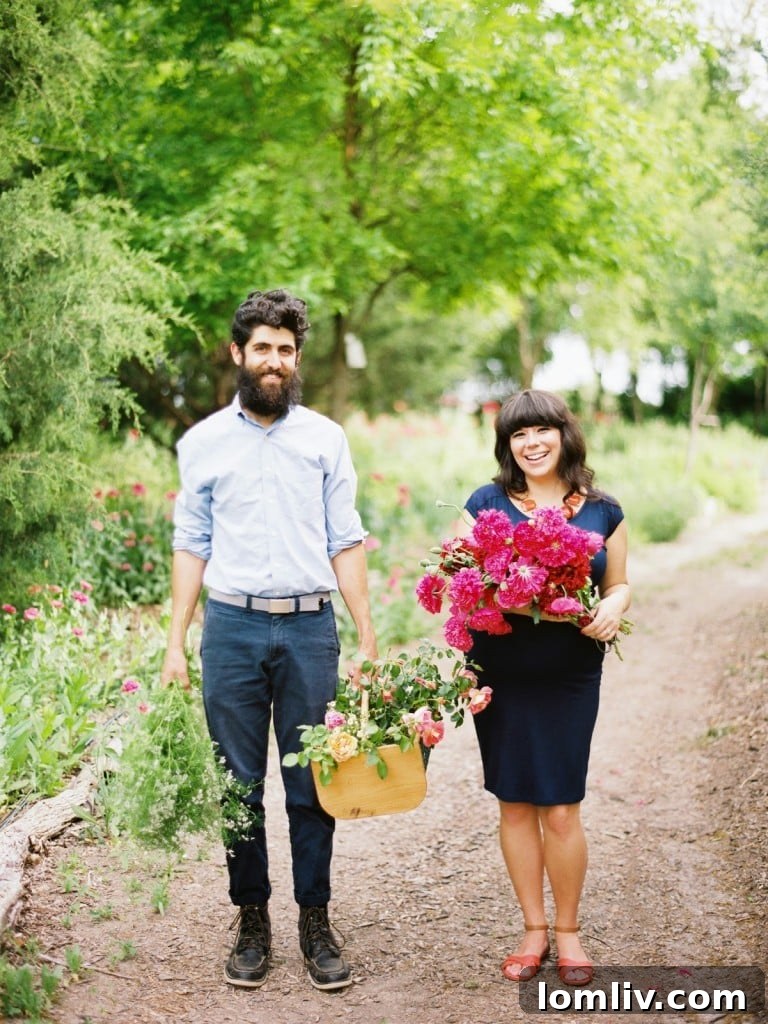
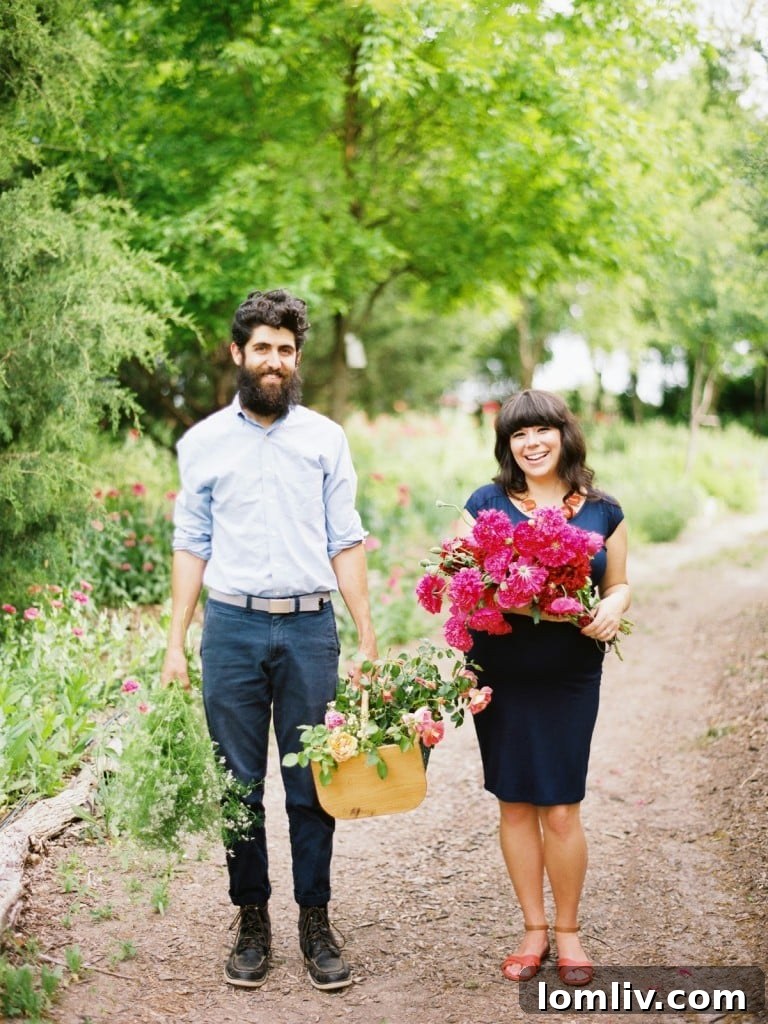
Adam and Alicia Rico are more than just entrepreneurs; they are visionaries with an uncanny ability to spot trends and cultivate beauty. This dynamic duo, who transplanted their lives from Brooklyn to Dallas, quickly established themselves as leading figures in the city’s vibrant wedding scene. Their journey, marked by creativity and a keen business sense, recently encountered an unexpected hurdle: a zoning dispute that halted their ambitious plans to transform a dilapidated East Dallas mansion into a breathtaking wedding chapel. This narrative explores their pioneering spirit, the allure of their unique brand, and the complex interplay between urban development, historic preservation, and community identity in a rapidly evolving city.
From Brooklyn to Dallas: The Genesis of Bows and Arrows Flowers
In 2009, Adam and Alicia Rico brought their distinct Brooklyn-bred aesthetic and entrepreneurial drive to Dallas, launching Bows and Arrows Flowers on Lower Greenville. Their arrival marked a significant shift in the local floral design landscape. Eschewing traditional arrangements, they quickly became known for their exquisite, artfully crafted bouquets and installations that felt both organic and luxurious. Their designs, often described as wild, romantic, and deeply personal, resonated instantly with Dallas brides seeking something truly unique for their special day. Bows and Arrows Flowers rapidly ascended to become one of the most sought-after wedding vendors, their signature style becoming a must-have detail for high-end events across the metroplex.
The success of their venture soon necessitated expansion. In 2011, the Ricos moved their burgeoning floral studio to a larger space on Bryan Street in old East Dallas. This strategic relocation not only accommodated their growing business but also immersed them further into a neighborhood with a rich history and a burgeoning sense of revitalization. Their commitment to quality, innovative design, and personalized service cemented their reputation, positioning them as true trendsetters within the competitive Dallas wedding industry.
A Grand Vision Takes Root: The East Dallas Wedding Chapel Project
It was within this familiar East Dallas landscape that Adam and Alicia Rico identified their next ambitious project. Last July, their discerning eyes fell upon a dilapidated mansion in the neighborhood, a property that many might have overlooked or deemed beyond repair. To the Ricos, however, it was a canvas for a grand vision: a perfectly situated, high-end wedding chapel that would seamlessly extend the luxurious, stylish aesthetic synonymous with their floral brand. This chapel was envisioned not just as a venue, but as a complete immersive experience, offering couples a sophisticated and intimate setting for their vows, complete with the bespoke floral details Bows and Arrows Flowers was renowned for.
Living nearby at N. Fitzhugh Avenue and Live Oak Street, the Ricos possessed an intimate knowledge of the area, its potential, and its challenges. They purchased the property with unwavering enthusiasm, embarking on months of intensive renovation. This was no superficial facelift; their commitment involved a comprehensive transformation. They meticulously cleared years of trash and debris from the neglected neighboring lots, an act that immediately improved the surrounding environment. Their work extended to building a stunning new outdoor courtyard, designed to offer a serene and picturesque backdrop for ceremonies and celebrations. New exterior features were added, breathing life back into the mansion’s tired facade, while extensive interior work was underway to create elegant, contemporary spaces that still honored the building’s historic charm. Their personal investment in time, resources, and passion was evident in every detail, as they poured their hearts into restoring this forgotten gem.
The Unforeseen Obstacle: A Battle Over Zoning
As the renovations progressed and the mansion began to reflect the Rico’s refined vision, a critical administrative step became necessary: rezoning the property from residential to commercial. This was a non-negotiable requirement to legally operate a wedding chapel, a commercial enterprise within a residential zone. Adam Rico, pragmatic and experienced in business, understood that the zoning process could be lengthy. “We knew that the process of zoning takes a while to go through, so we estimated four to five months, knowing that it could be challenging at any point,” he stated. What they did not anticipate, however, was the fervent and unified opposition that would emerge from several neighborhood associations. This resistance quickly transformed a bureaucratic procedure into a deeply rooted community debate, exposing long-standing tensions over development and preservation in East Dallas.
A Shadow of the Past: East Dallas Zoning History and Neighborhood Fears
The opposition to rezoning the Rico’s mansion was not merely a reaction to a single business proposal; it was rooted in the historic fabric and past traumas of the East Dallas neighborhood. Areas like Gaston Avenue and Live Oak Street once mirrored the grand residential character of nearby Swiss Avenue, boasting stately mansions, each occupied by single families. However, significant zoning changes enacted in the 1960s irrevocably altered this landscape. These changes permitted property owners to subdivide the large mansions into multi-family apartments or to redevelop the land, leading to a gradual decline in the area’s once-prestigious residential character. Drive through that area today, and one witnesses numerous run-down residential properties, bearing the scars of decades of neglect and lacking proper maintenance.
For the local neighborhood associations, the Rico’s commercial rezoning request tapped into these deeply held historical anxieties. Their primary fear was that approving even a single commercial rezoning could “open the floodgates” for a cascade of similar commercial applications, ultimately leading to a complete erosion of the neighborhood’s remaining residential integrity. Joanna Hampton, a prominent neighborhood leader, articulated these concerns succinctly to WFAA, stating, “With one rezoning request, it has the potential to destabilize that whole one-mile stretch of Live Oak. It introduces a higher-intensity use in an area that didn’t anticipate it.” The term “higher-intensity use” carried significant weight, implying potential increases in traffic congestion, noise pollution, parking challenges, and a fundamental shift in the quiet, residential ambiance that residents were fighting to preserve. These concerns, while understandable from a community perspective, pitted the desire for preservation against the potential for adaptive reuse and revitalization.
The City’s Verdict and a Painful Decision
Armed with their arguments and historical precedents, the neighborhood associations presented their concerns to the city authorities. Earlier this month, the City Plan Commissioners convened to deliberate on the Rico’s rezoning request. After considering all perspectives, the commission ultimately sided with the neighborhood associations, rejecting the application to rezone the property for commercial use. This decision delivered a significant blow to Adam and Alicia Rico, effectively halting their wedding chapel project and casting a shadow over months of dedicated effort and substantial investment.
The couple was presented with the option to appeal the commission’s decision, a path that would involve further legal battles, political maneuvering, and protracted delays. However, after careful consideration, Adam and Alicia made the difficult, yet pragmatic, choice not to appeal. “We’re new at this and this seems like it’s a big headache and a really political situation that we didn’t want to get involved in,” Adam explained, reflecting the emotional and financial exhaustion of the process. The prospect of further entanglement in a politically charged environment, with no guarantee of a favorable outcome, outweighed their desire to see the project through. The implication of this decision is stark and, for many, ironic: “We’ll probably just sell the property to whoever wants and it will probably be a developer who will probably tear it down.” This outcome highlights a critical dilemma, where an opportunity for adaptive reuse and historic preservation by passionate entrepreneurs is lost, potentially paving the way for the demolition of the very historic structure they sought to save, a fate arguably far worse than their proposed wedding chapel.
Beyond the Setback: Resilience and New Horizons
While the East Dallas wedding chapel project has been reluctantly abandoned, this is not the end of the story for Adam and Alicia Rico. Their entrepreneurial spirit and dedication to their vision remain undimmed. Despite the significant setback and the frustration of navigating complex urban planning regulations, the couple is already looking forward, considering new avenues to bring their dream to fruition. “We’ll possibly keep our eyes open for another opportunity,” Adam confirmed. This resilience underscores their unwavering commitment to creating beautiful, meaningful spaces for couples, and their belief in the demand for such a venue within the Dallas market. Their journey continues, a testament to their enduring passion and their ability to adapt and innovate even in the face of adversity.
East Dallas at a Crossroads: Development, Preservation, and Community Identity
The case of Adam and Alicia Rico’s wedding chapel in East Dallas encapsulates a broader, ongoing debate within rapidly growing urban centers: how to balance the need for economic development and revitalization with the imperative of preserving neighborhood character and historical integrity. Was the fierce opposition from neighborhood associations a reasonable measure to protect their community from unwanted commercial creep, or did it represent a missed opportunity to embrace a responsible, high-quality business that would have transformed a neglected property into a vibrant asset? The Ricos’ project offered a compelling example of adaptive reuse, a sustainable approach that breathes new life into existing structures, contributing to a neighborhood’s aesthetic appeal and local economy without extensive new construction.
The potential benefits of the Ricos’ proposed chapel—including the aesthetic improvement of a dilapidated mansion, the creation of local jobs, increased property values in the immediate vicinity, and the establishment of a unique, luxury wedding venue—must be weighed against the legitimate concerns raised by residents regarding traffic, noise, and the precedent of commercial encroachment. This complex scenario underscores the challenges faced by city planners and communities alike in navigating the delicate equilibrium between growth and preservation. Ultimately, the story of the East Dallas wedding chapel serves as a powerful reminder of the importance of clear communication, thoughtful policy, and a collaborative spirit in shaping the future of our urban landscapes, ensuring that development enhances, rather than detracts from, the unique identity of each neighborhood. We invite you to share your thoughts on this intricate dilemma.