Dallas-Fort Worth Leads the Nation: Unpacking the Apartment Market Boom
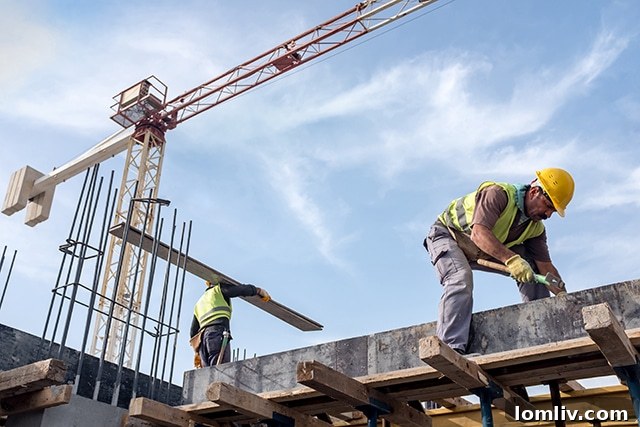
A journey through the expansive Dallas-Fort Worth (DFW) metropolitan area today reveals a landscape punctuated by cranes and new construction. From bustling urban centers to serene suburban enclaves, the development of apartment complexes is a ubiquitous sight, painting a clear picture of a region in rapid expansion. This visible surge in construction is more than just anecdotal; it is firmly substantiated by recent comprehensive analyses, positioning DFW at the forefront of the national apartment market.
Indeed, the latest findings from RealPage analysts confirm what many residents and developers intuitively sense: Dallas-Fort Worth is currently leading the entire country in apartment demand. This remarkable achievement underscores the region’s robust economic health, burgeoning population, and undeniable appeal as a desirable place to live and work. The sheer volume of new leases signifies a powerful confidence in DFW’s future, attracting both individuals and businesses at an impressive rate.
DFW’s Record-Breaking Performance in Apartment Leasing
The numbers speak volumes about DFW’s extraordinary performance. In the three-month period concluding in June, net apartment leasing in the Dallas-Fort Worth area soared to an unprecedented 15,400 units. This figure isn’t just significant; it represents the highest quarterly absorption rate recorded by any major U.S. metropolitan area, setting a new benchmark for urban residential growth. To put this into perspective, its closest contenders, Los Angeles and Houston, registered 12,000 units and 11,399 units of net leasing, respectively. While these are substantial figures in their own right, DFW’s lead demonstrates a unique market dynamic and an unparalleled appetite for rental housing.
This dominance is poised for further growth in the coming months, as the pipeline for new apartments in DFW is remarkably robust. Currently, approximately 38,700 apartment units are under various stages of construction across the metroplex. This proactive development ensures that the region is working to meet its escalating demand, a critical factor in sustaining healthy market conditions. For comparison, Los Angeles/Orange County, another massive urban agglomeration, has about 36,700 units underway, indicating that DFW’s commitment to expanding its housing stock is among the most aggressive nationwide. This sustained construction activity is a direct response to the continuous influx of new residents and the expanding job market, reinforcing DFW’s status as a top destination for renters.
Looking at the broader national picture, the second quarter of the year witnessed an unprecedented surge in renter demand for apartments across the United States. Across the nation’s 150 largest metropolitan areas, the total number of occupied apartments increased by a staggering 219,909 units. This represents the largest quarterly increase ever recorded in the RealPage database, which tracks housing trends dating back to the early 1990s. This national trend highlights a broader societal shift and economic recovery, with DFW leading the charge in this expansive growth.
Greg Willett, a distinguished economist with RealPage, commented on DFW’s consistent performance. “North Texas has been the country’s top apartment absorption center throughout the past several years,” he stated in the report. This isn’t a new phenomenon for DFW but rather a continuation of a sustained growth trajectory, cementing its position as a long-term leader in residential real estate.
Willett further elaborated on a crucial demographic driver behind this renewed demand: young adults. Many young individuals, particularly during the initial phases of the pandemic, opted to reside with their parents, adapting to economic uncertainties and remote work models. However, as economic conditions improve and the desire for independence reasserts itself, these young adults are now actively forming their own households once again. This demographic shift provides a significant boost to the rental market, as this segment typically favors apartment living due to its flexibility, affordability relative to homeownership, and access to urban amenities. DFW, with its dynamic job market and vibrant lifestyle offerings, is particularly appealing to this demographic, further fueling its apartment demand.
The strength of the North Texas apartment market is also reflected in its key performance indicators. According to Richardson-based RealPage, apartment rents in the region experienced a robust 7 percent year-over-year increase during the second quarter. This healthy rent growth signals strong market confidence among property owners and investors. Concurrently, the overall vacancy rate in DFW stands at less than 5 percent, which is significantly low and indicative of an exceptionally tight market. A vacancy rate below 5% suggests that demand is outstripping supply, giving landlords more leverage and often leading to competitive leasing environments for prospective renters. These figures collectively underscore the Dallas-Fort Worth area’s compelling allure and its robust, high-performing apartment sector.
DFW’s Broader Appeal: Beyond Apartments
The robust apartment market in Dallas-Fort Worth is not an isolated phenomenon; it is deeply intertwined with the region’s overall attractiveness and economic vitality. Several other recent reports further highlight DFW’s broad appeal, showcasing why it continues to draw diverse populations and investments.
- Commercial Cafe: DFW as a Magnet for Gen Z
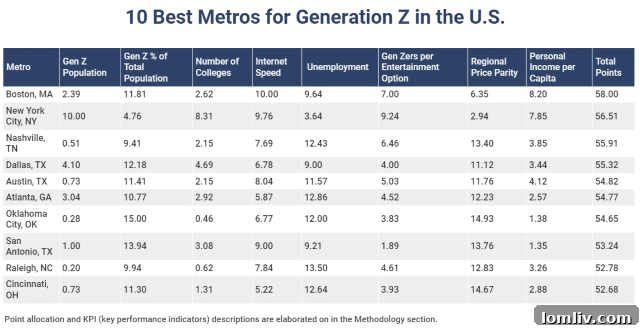
According to a comprehensive study conducted by CommercialCafe, the Dallas area has emerged as a top destination for Gen Zers, ranking an impressive fourth among the nation’s top 50 metropolitan areas. The study reveals that Dallas is home to approximately 1.03 million individuals belonging to Generation Z, who collectively constitute 12.18 percent of the city’s total population. This significant presence underscores Dallas’s ability to attract and retain the youngest segment of the adult workforce. Gen Zers are often drawn to cities that offer robust job markets, diverse entertainment options, and a relatively affordable cost of living compared to coastal tech hubs. Dallas, with its booming tech sector, thriving corporate landscape, and vibrant cultural scene, perfectly aligns with these preferences. The study also highlighted the broader appeal of Texas, with Austin securing the fifth spot and San Antonio ranking eighth on the list of top-50 metro areas for Gen Z. This trend of young adults flocking to DFW directly contributes to the high demand for apartments, as many Gen Z individuals are entering the workforce and establishing independent households, preferring the flexibility and amenities of rental living. Learn more about Gen Z’s favorite metros. - WalletHub: Navigating the Rental Landscape within DFW
A detailed analysis by WalletHub, which compared over 180 rental markets across 22 key measures of rental attractiveness and quality of life, recognized Plano as the sole Dallas-Fort Worth city to make its list of best places to rent, securing the 27th position nationally. Plano’s high ranking can be attributed to its strong job market, excellent school districts, low crime rates, and abundance of amenities, making it a highly desirable location for families and professionals alike. While Plano stood out, other DFW cities also featured on the list, albeit with lower rankings: Grand Prairie at 56th, Fort Worth at 69th, Irving at 92nd, Arlington at 101st, Garland at 116th, and Dallas itself at 127th. These varied rankings within the metroplex illustrate the diverse rental experiences and offerings across the region. Despite some cities ranking lower on this specific list, the overall strength of the DFW rental market means that even these areas benefit from the regional economic boom, high employment rates, and continuous population growth, ensuring consistent demand for rental properties. The WalletHub report provides valuable insights for prospective renters looking for specific characteristics within the sprawling DFW area. Explore WalletHub’s rental market insights. - RE/MAX National Housing Report: DFW’s Dynamic Homeownership Market
While apartment demand is soaring, the homeownership market in DFW presents a contrasting yet equally dynamic picture. The latest RE/MAX National Housing Report indicated a 5.8 percent decrease in DFW home sales compared to the previous year. This made it the third-largest year-over-year decrease in the U.S., trailing only Billings, Mont., and Boise, Idaho. This cooling in sales volume might suggest a slight moderation in market intensity after years of hyper-activity. However, this dip in sales volume does not translate to a decrease in value. On the contrary, the median home-sale price in June reached an unprecedented $355,000, representing a substantial increase of 21.4 percent from a year ago. This marks the highest price ever recorded by RE/MAX for the DFW market. The significant appreciation in home values, coupled with rising interest rates, means that homeownership is becoming increasingly expensive and challenging for many residents. This affordability barrier in the for-sale market invariably pushes more individuals and families into the rental sector, thereby sustaining and even intensifying the demand for apartments across the Dallas-Fort Worth metroplex. This interplay between the rising costs of homeownership and the robust demand for rentals is a key driver of DFW’s current housing market dynamics. View the full RE/MAX report here.
Looking Ahead: Sustained Growth and Future Outlook
The Dallas-Fort Worth metropolitan area is unequivocally demonstrating its strength as a dominant force in the national real estate landscape. The record-breaking apartment demand, coupled with significant ongoing construction, robust rent growth, and remarkably low vacancy rates, paints a picture of a market in full swing. The region’s diverse economic base, continuous job creation, and high quality of life continue to attract a steady stream of new residents, from young professionals in Gen Z to established families seeking new opportunities.
As DFW continues to expand, challenges such as maintaining affordability amidst rising property values and ensuring infrastructure keeps pace with population growth will remain key considerations. However, the current indicators suggest a resilient and adaptable market. The synergy between a thriving job market, a welcoming environment for diverse demographics, and proactive development strategies positions Dallas-Fort Worth for sustained growth in the foreseeable future. This vibrant metroplex is not just experiencing a boom; it is solidifying its reputation as one of America’s most dynamic and sought-after residential markets.